3 Iconic Hip-Hop Artists of the 90s Whose Careers Never Carried Over Into the 2000s

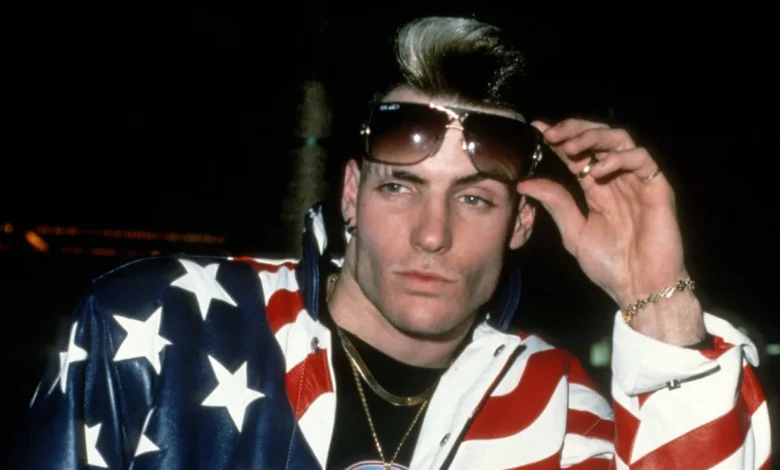
The transition from the 20th to the 21st century marked a definitive departure from the gritty, West Coast-dominated gangsta rap that had defined the mid-to-late 1990s. As the genre underwent aggressive commercialization and corporate integration, the sonic palette expanded to accommodate glossier production values, club-oriented beats, and crossover pop appeal. In this high-stakes evolution, several defining artists of the previous decade found themselves sidelined by the shifting cultural tides. While some managed to sustain careers through independent ventures, reality television, and niche touring circuits, their mainstream dominance largely failed to cross the threshold into the year 2000.
Examining the trajectories of Coolio, Vanilla Ice, and MC Hammer offers a compelling case study in the volatile nature of hip-hop longevity, commercial saturation, and the unforgiving mechanics of music industry evolution.
The Paradigm Shift of the Turn of the Millennium
To understand why certain 1990s hip-hop icons struggled to maintain their footing in the 2000s, one must examine the macro-level transformations occurring within the music industry. The late 1990s and early 2000s witnessed the death of major genre pioneers like Tupac Shakur and The Notorious B.I.G., leaving a massive power vacuum. Simultaneously, the rise of southern hip-hop, the dominance of mogul-led empires like Roc-A-Fella and Bad Boy Records, and the impending disruption of digital file-sharing (typified by Napster) fundamentally altered how music was consumed and marketed.
Artists who had capitalized on novelty, pop-rap crossovers, or singular massive anthems often found themselves ill-equipped to navigate a rapidly maturing genre. Hip-hop criticism became more sophisticated, fan bases grew more discerning, and the cultural tolerance for manufactured crossover acts diminished. Consequently, artists who once commanded multi-platinum status were forced to reinvent themselves far away from the apex of the Billboard charts.
Coolio: From Global Anthems to Independent Resilience
Artis Leon Ivey Jr., globally known as Coolio, occupied a unique space in 1990s hip-hop, successfully bridging the gap between underground credibility and mainstream pop success. His career reached its zenith in 1995 with the release of "Gangsta’s Paradise," featuring vocalist L.V., which served as the title track for the film Dangerous Minds.
The single became an unprecedented global phenomenon. It dominated the Billboard Hot 100 and the Cash Box Top 100 simultaneously, ultimately finishing as the number-one single of 1995 in the United States. Furthermore, the track achieved rare international multi-platinum certification, selling millions of physical copies worldwide and earning Coolio a Grammy Award for Best Rap Solo Performance. The song’s haunting interpolation of Stevie Wonder’s "Pastime Paradise" exemplified the melodic, cinematic rap style that defined the mid-90s.
However, as the music industry entered the 2000s, Coolio’s commercial momentum decelerated sharply. While he remained remarkably active in the recording studio—releasing three independent albums throughout the decade—he struggled to recapture the radio dominance of his earlier years.
Despite the commercial slowdown, Coolio demonstrated significant industry adaptability. In 2006, he engineered a minor UK chart entry with the single "Gangsta Walk," featuring West Coast pioneer Snoop Dogg. He also expanded his artistic footprint through eclectic collaborations, notably partnering with country music legend Kenny Rogers on a track titled "The Hustler." Coolio’s career post-2000 illustrates that while top-tier mainstream chart placement proved elusive, legacy artists could sustain active performance careers by diversifying their collaborative portfolios and leveraging international markets.
Vanilla Ice: The Rise, Fall, and Nu-Metal Rebirth of Robert Van Winkle
Few trajectories in music history match the meteoric rise and subsequent freefall experienced by Robert Van Winkle, better known as Vanilla Ice. Bursting onto the scene at the absolute dawn of the decade, Vanilla Ice altered the commercial viability of rap music with his 1990 debut studio album, To The Extreme.
Propelled by the sheer cultural ubiquity of its lead single, "Ice Ice Baby," the album shattered industry records to become the fastest-selling hip-hop album released up to that point. "Ice Ice Baby" etched its name into music history by becoming the very first hip-hop track to ascend to the number-one position on the Billboard Hot 100. Sampling the bassline of Queen and David Bowie’s "Under Pressure," the track became both a massive commercial success and a lightning rod for controversy regarding authenticity and cultural appropriation within the genre.
By the mid-1990s, however, the commercial appetite for pop-infused, highly commercialized rap had drastically dried up. As the genre pivoted toward the stark realism of gangsta rap and the sophisticated lyricism of the East Coast renaissance, Vanilla Ice’s image became a liability.
Faced with a rapidly closing window of mainstream relevance, Van Winkle executed one of the most radical genre pivots in modern music history. In 1998, he released Hard To Swallow, an album that abandoned his hip-hop roots entirely in favor of an aggressive nu-metal and rap-rock sound. Collaborating with producer Ross Robinson—known for his work with Korn and Limp Bizkit—Vanilla Ice reworked his signature track into a heavy, distorted nu-metal anthem titled "Too Cold."
This aggressive sonic reinvention continued into the 2000s with subsequent independent releases such as Bi-Polar (2001) and Platinized (2006). Yet, while these projects garnered cult followings and critical curiosity, they failed to restore him to his early-90s commercial heights. Realizing the limitations of his music career in the new millennium, Van Winkle successfully transitioned into reality television, starring in home renovation programs and leveraging his pop-culture nostalgia into a sustainable, multi-faceted entertainment career.
MC Hammer: Commercial Titan to Financial Reconfiguration
No discussion of 1990s hip-hop commercial peaks and valleys is complete without examining Stanley Kirk Burrell, universally recognized as MC Hammer. Emerging from Oakland, California, Hammer revolutionized the scale of hip-hop commercialization, proving that rap music could achieve unprecedented pop-chart saturation.
His 1990 sophomore studio album, Please Hammer Don’t Hurt ’Em, stands as a monumental milestone in music history. It became the very first hip-hop album in history to be certified diamond by the Recording Industry Association of America (RIAA), surpassing the staggering threshold of 10 million copies sold in the United States alone.
Hammer’s commercial dominance was built on a foundation of high-energy dance routines, universally accessible party anthems, and unparalleled visual branding. His signature hit, "U Can’t Touch This"—which prominently sampled Rick James’s "Super Freak"—became an international cultural touchstone, accompanied by his iconic, voluminous "Hammer pants" and intricate choreography. Hammer’s crossover appeal was so profound that he transcended the music industry entirely, securing lucrative endorsement deals with corporate giants like Pepsi and headlining his own Saturday morning animated television series, Hammerman.
Yet, the very elements that fueled Hammer’s astronomical rise also contributed to his swift commercial decline. By the mid-1990s, the rap landscape had shifted dramatically. The emergence of hardcore gangsta rap from artists like Dr. Dre, Snoop Dogg, and 2Pac rendered Hammer’s wholesome, pop-oriented image increasingly out of touch with the prevailing counter-cultural ethos of youth culture. Furthermore, an famously lavish lifestyle and expansive entourage led to escalating overhead costs that outpaced his declining record sales.
This convergence of shifting musical tastes and financial mismanagement culminated in a highly publicized personal bankruptcy filing in 1996. The event served as a cautionary tale within the music industry regarding the perils of rapid commercial expansion without sustainable financial infrastructure.
As the industry entered the 2000s, Hammer embarked on a quiet yet determined career rehabilitation. He shifted his output to independent record labels, exploring gospel rap and digital distribution methods well before they became industry standards. Additionally, he leveraged his historical significance by co-producing Too Legit: The MC Hammer Story, a 2001 biographical television film that chronicled his meteoric rise, fall, and eventual spiritual and financial recovery.
Broad Implications for Modern Hip-Hop Longevity
The divergent paths of Coolio, Vanilla Ice, and MC Hammer offer enduring lessons regarding the structural evolution of the music industry. As hip-hop transitioned from a burgeoning counter-cultural movement into a dominant corporate enterprise at the turn of the millennium, the margin for error narrowed considerably.
In retrospect, the 1990s served as a laboratory for commercial experimentation within rap. Artists who relied heavily on singular novelty hits, highly manufactured pop-crossover personas, or unsustainable financial models found themselves uniquely vulnerable when public tastes matured. Conversely, those who managed to navigate the 2000s did so by embracing artistic diversification, independent ownership, and the burgeoning opportunities presented by television, film, and international touring circuits.
Ultimately, the experiences of these three iconic figures underscore a fundamental truth of the entertainment business: while commercial peaks can be manufactured through aggressive marketing and timing, long-term cultural legacy requires adaptability, financial discipline, and an acute awareness of an ever-changing artistic landscape.