Steve Belichick Resigns as UNC Defensive Coordinator Following Internal Investigation into Program Culture

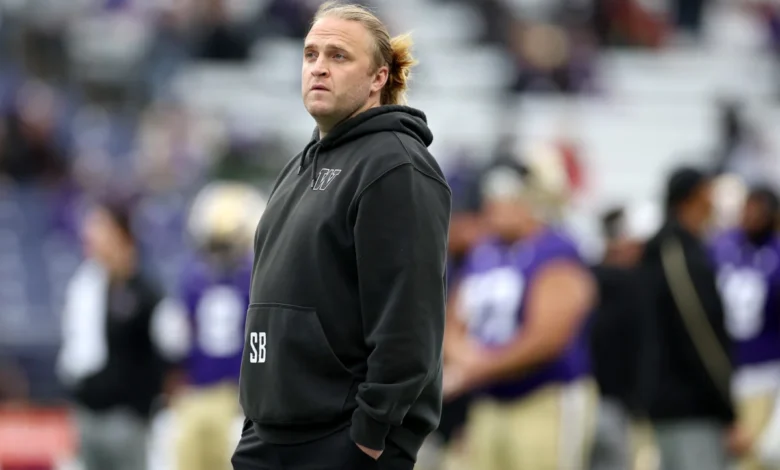
The University of North Carolina football program finds itself in a state of profound transition following the resignation of defensive coordinator Steve Belichick, an announcement that marks the latest chapter in a turbulent season for the Tar Heels. The university confirmed the departure on Thursday, September 17, citing the conclusion of a wide-ranging internal investigation into the "culture and climate" of the football program. This leadership shakeup arrives during a critical juncture for the Tar Heels, who are currently preparing for their conference opener against Clemson, and underscores a broader effort by the university administration to address allegations of misconduct within the athletic department.
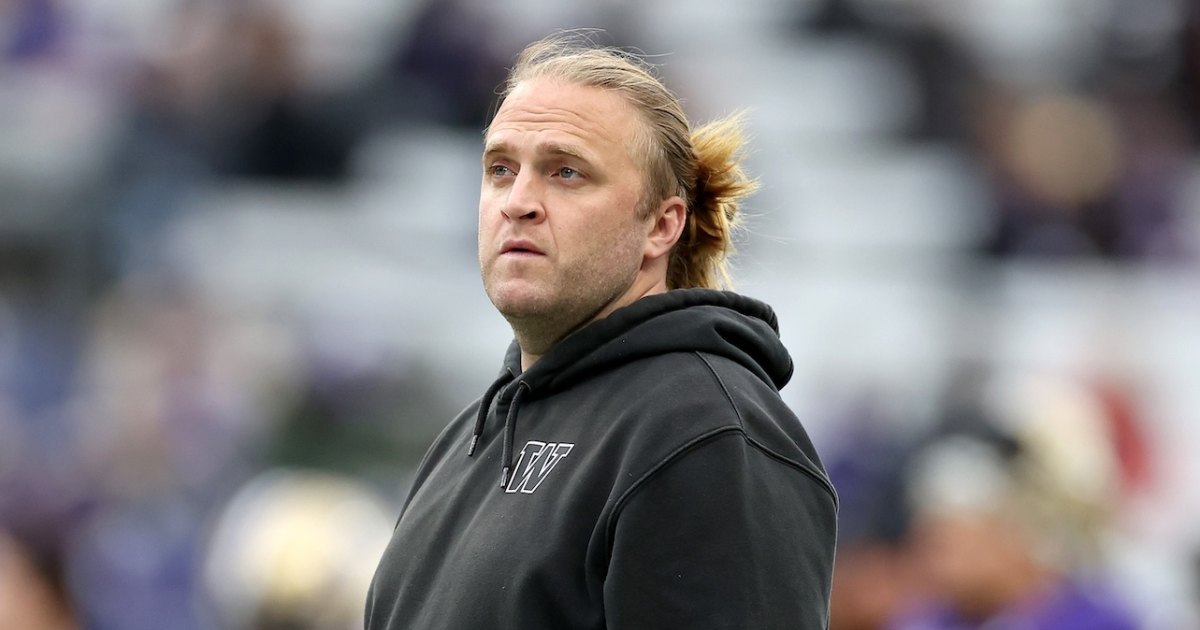
Steve Belichick, 39, had been absent from the sidelines since August, when the university placed him on medical leave. His resignation effectively ends a brief tenure in Chapel Hill, where he had been working under the leadership of his father, head coach Bill Belichick. According to the official university statement, while the investigation identified actions that demonstrated a "disregard for Carolina’s values and standards of conduct," the administration emphasized that these incidents were "isolated in scope" rather than representative of a systemic failure within the athletic department.
A Chronology of Instability
The investigation into the Tar Heels football program was launched in July, prompted by growing concerns regarding the conduct of staff and players. Over the following two months, the probe widened to encompass multiple departments within the football operations staff.
The timeline of the current crisis is as follows:
- July 2025: The university initiates a comprehensive review of the football program’s culture and operational climate following internal and external complaints.
- August 2025: Steve Belichick is placed on medical leave, missing the initial two games of the season. Defensive line coach Bob Diaco and head coach Bill Belichick assume the responsibility of coordinating defensive schemes.
- Early September 2025: General manager Michael Lombardi tenders his resignation amidst the unfolding investigation, further thinning the ranks of the program’s senior leadership.
- September 15, 2025: An unspecified incident occurs, leading to the immediate and indefinite suspension of freshman wide receiver Keeyun Chapman.
- September 17, 2025: The university concludes its investigation and confirms the resignation of Steve Belichick. The administration declares the matter resolved, with ongoing corrective measures overseen by the Office of University Counsel.
The Scope of the Investigation
The investigation was notably broad, addressing serious allegations that have cast a shadow over the team’s performance. Reports from local media outlets, including WRAL, suggested that investigators were tasked with probing allegations that Steve Belichick may have used illegal substances while on duty or provided such substances to at least one player. While the university has remained tight-lipped on the specific findings regarding these claims, the intensity of the scrutiny indicates the gravity of the potential violations.

Furthermore, the scope of the inquiry extended beyond coaching staff behavior. Investigators also examined allegations regarding inappropriate relationships, specifically looking into whether members of the recruiting staff were involved in sexual relationships with players, as well as the nature of professional interactions between assistant coaches and recruiting personnel. These allegations of boundary-crossing within the support staff have raised questions about the oversight mechanisms in place at the university.
Leadership and Personnel Impacts
The departure of Steve Belichick is particularly notable given his professional pedigree. After serving on his father’s staff with the New England Patriots from 2012 to 2023, he spent the 2024 season as the defensive coordinator at the University of Washington before following his father to North Carolina. His exit, coupled with the prior resignation of general manager Michael Lombardi, leaves a significant vacuum in the Tar Heels’ organizational structure.
Bill Belichick, the 74-year-old legendary head coach, now faces the difficult task of stabilizing the program while managing a depleted staff. During the weeks of his son’s medical leave, the defensive strategy was handled by a collaborative effort between the head coach and defensive line coach Bob Diaco. As of the latest update, the university has not named an interim replacement for the defensive coordinator position, leaving the team to navigate the pressure of a high-stakes conference game against Clemson with a condensed coaching roster.

The administrative response has been swift in its attempt to project a return to stability. "Throughout the investigation, the University has been guided by the legal advice of outside counsel," the official statement noted. "All necessary corrective actions are now underway and will be overseen by Carolina Athletics and the Office of University Counsel. With these actions, the University considers the investigation to be resolved."
Student-Athlete Accountability
The fallout from the internal probe reached the roster this week with the indefinite suspension of freshman wide receiver Keeyun Chapman. While the university has not provided detailed accounts of the event on September 15 that triggered the suspension, the timing suggests a direct link to the final findings of the broader internal investigation.
In a move to signal a commitment to institutional standards, the university framed the suspension of Chapman as part of its broader initiative to ensure accountability. "Chapman’s suspension, like the actions resulting from the investigation, reflect the University’s commitment to accountability and the well-being of its student-athletes," the statement read. "We believe the steps announced today will help make Carolina Football a stronger program and one that continues to earn the pride of the entire Carolina community."

Implications for the Future of the Program
The conclusion of this investigation does not necessarily mean the end of the public relations challenge for the University of North Carolina. The resignation of high-profile staff members and the suspension of a player have created a narrative of volatility that could affect recruiting efforts and donor relations in the short term.
Analysts suggest that the "isolated in scope" defense provided by the university is a strategic attempt to prevent long-term reputational damage. By categorizing the incidents as individual lapses in judgment rather than a failure of the program’s core culture, the school is attempting to insulate the program from the threat of NCAA sanctions or deeper, systemic probes. However, the success of this strategy depends heavily on the program’s performance on the field and the ability of Bill Belichick to maintain discipline among the remaining players and staff.
As the team prepares for their road trip to Clemson, the focus of the athletic department will undoubtedly shift toward damage control. The university has made it clear that they intend to move forward with corrective actions, which will likely involve stricter oversight of the recruiting and coaching offices. Whether these changes are sufficient to appease the fan base and the university board remains to be seen.

Ultimately, the events of September 17 represent a painful "reset" for North Carolina. The transition from the high expectations that followed the appointment of the elder Belichick to the current climate of investigation and staff turnover is a stark reminder of the complexities inherent in modern collegiate athletics. The university’s stated goal—to build a program that earns the "pride of the entire Carolina community"—will now be tested in the crucible of the ACC schedule, where the team must prove that it can function with integrity and excellence in the face of significant internal adversity.
As the Tar Heels look ahead, the immediate priority is the upcoming weekend. The silence from the coaching staff regarding the personnel changes, coupled with the abrupt nature of the investigation’s conclusion, leaves many questions unanswered. For the players, the task is to maintain focus during a week of significant distraction. For the administration, the task is to ensure that the "corrective actions" are not just a bureaucratic formality, but a genuine pathway to restoring the program’s standing. The coming weeks will determine whether this period of instability was merely a hurdle or a sign of deeper, unresolved challenges for the North Carolina football program.