Ron Brand Speaks Out After Son Russell Brand Sentenced to Over a Decade in Prison for Rape and Sexual Assault

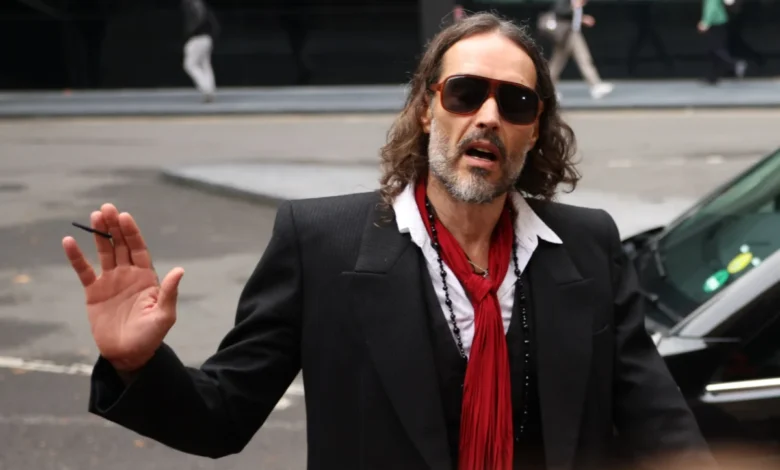
The legal saga involving comedian and former media personality Russell Brand reached a definitive conclusion this week as a court sentenced the 51-year-old to ten years and six months in prison following his conviction on multiple counts of rape and sexual assault. The sentencing, which marks a significant turning point in a high-profile case that has captured global attention, was followed by a contentious public statement from the defendant’s father, Ron Brand. Addressing reporters shortly after the verdict was delivered on Monday, November 9, the elder Brand dismissed the findings of the court, questioning the integrity of the judicial process and reframing his son as the victim of a coordinated campaign.
The courtroom proceedings, presided over by Judge Joel Bennathanou, addressed a series of serious criminal allegations spanning over a decade. While the defense team had consistently maintained that the allegations were the product of a media-fueled environment—specifically citing the impact of the 2023 Channel 4 documentary Russell Brand: In Plain Sight—the jury ultimately returned guilty verdicts on four of the seven counts brought against the defendant.
A Controversial Defense of the Convicted
In the immediate aftermath of the sentencing, Ron Brand’s comments drew widespread scrutiny for their adversarial stance toward the legal system. When asked by journalists for his thoughts on the victims who had testified against his son, Ron Brand responded with a rhetorical question: “The victim? What, Russell? The girls, you mean, who chased him and harassed him — is that what you mean?”
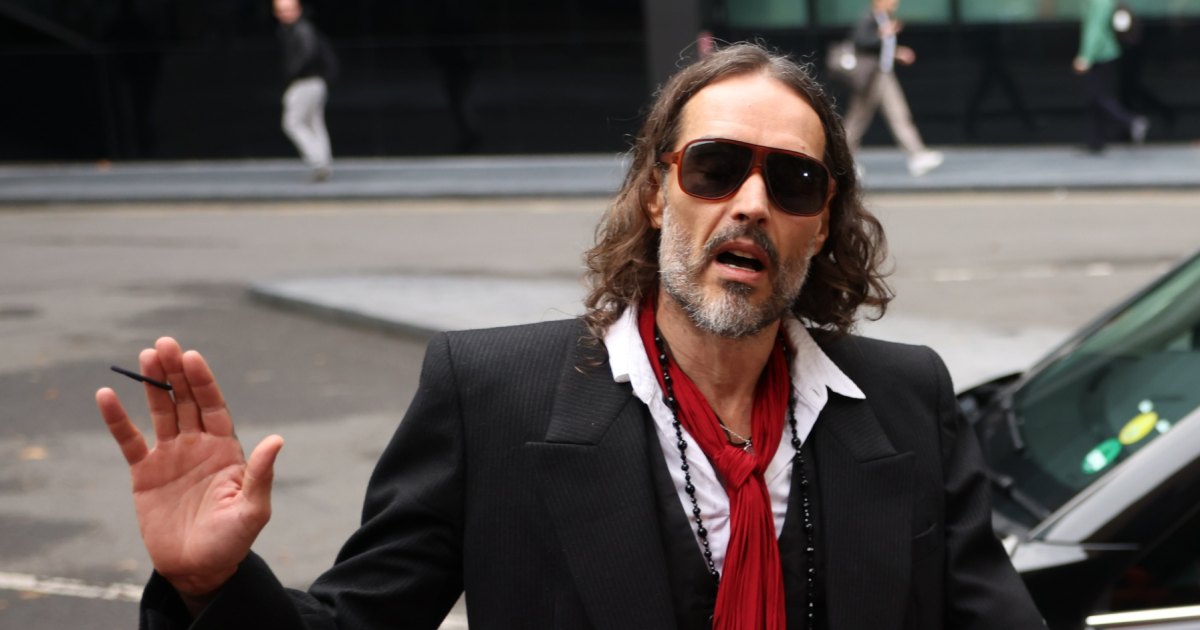
When pressed by members of the press regarding the jury’s decision and the evidence presented, Ron Brand expressed a fundamental lack of faith in the judicial institution, stating, “I don’t care. It’s a system. We don’t believe the justice system.” He further suggested that the jury’s verdict could not be viewed as an objective truth, implying that the proceedings were inherently flawed. These remarks reflect the defiant posture maintained by the defense throughout the trial, where attorneys argued that public discourse and investigative documentaries had “poisoned the well of justice,” thereby preventing a fair assessment of the facts.
Chronology of the Legal Proceedings
The path to this sentencing was long and complex, characterized by years of public speculation and private legal maneuvering. The allegations against Russell Brand date back to a period between 1999 and 2013, a timeframe that encompasses his rise to international fame as a comedian, actor, and presenter.
For years, rumors circulated within the industry, yet it was not until the release of the investigative documentary Russell Brand: In Plain Sight in 2023 that the allegations coalesced into a formal, public reckoning. The documentary detailed accounts from multiple women who alleged that Brand had used his position of power, influence, and charisma to engage in sexual assault, rape, and emotional abuse.
Following the documentary’s release, law enforcement agencies in the United Kingdom initiated a formal investigation. Brand, who had previously entered a plea of not guilty to all charges, saw his case proceed through a rigorous trial phase. During the trial, prosecutors presented evidence that painted a pattern of behavior consistent with the accounts provided by the victims. The defense’s insistence that the case was a “witch hunt” failed to persuade the jury, leading to the convictions on four counts of sexual offense.

The Judge’s Final Remarks
Judge Joel Bennathanou’s sentencing remarks provided a stark counter-narrative to the defense’s claims of a corrupted system. Addressing the defendant directly, the judge emphasized that public persona and charisma do not grant immunity from the law.
“You were clever — and in many people’s eyes, funny and charismatic,” Judge Bennathanou stated. “You had also become a sexual predator. Whatever women wear, wherever they go, indeed whatever they drink, they retain the right to say no and to demand justice from the criminal courts when sexual predators like you, Russell Brand, act without their consent.”
The judge’s focus on the concept of consent and the responsibility of the perpetrator serves as a landmark moment in how the courts address allegations involving high-profile celebrities. By centering the victims’ rights over the defendant’s public status, the court sent a clear message regarding the universality of criminal liability.
Impact on Victims and the Public Narrative
For the victims, the sentencing provided a measure of closure that many had waited years to achieve. During the hearing, victim impact statements were read into the record, revealing the profound, long-term psychological toll of the abuse. One victim spoke candidly about the agony of watching their assailant rise to global stardom while they suffered in silence.
“For many years as his star was rising, it was impossible to escape seeing him all over the media, being celebrated for his disgusting behavior against women like it was all a joke,” the survivor stated in court. “There were many times I felt visibly sick at the sight of him parading around thinking he can get away with anything.”
This testimony highlights the systemic difficulty survivors face when confronting figures of immense social capital. The case has sparked a wider conversation about the responsibility of media organizations and the public in enabling or ignoring the behavior of influential individuals.
Broader Societal and Legal Implications
The case of Russell Brand serves as a case study for the evolution of the “Me Too” movement and the subsequent legal standards for sexual assault cases in the 21st century. The defense’s attempt to blame the documentary for the jury’s verdict highlights an ongoing tension between the role of investigative journalism and the rights of the accused to a fair trial.
Legal analysts suggest that the outcome of this trial may influence future cases involving public figures, as the judiciary continues to grapple with the influence of digital media on the jury pool. Furthermore, the firm stance taken by the court regarding the irrelevance of the victim’s behavior or choices reaffirms established legal precedents that consent must be explicit and uncoerced, regardless of the social context.

As Russell Brand begins his ten-year and six-month sentence, his family—including his wife, Laura Gallacher—remains supportive. When asked by reporters about his son’s state of mind, Ron Brand insisted that his son is “strong” and prepared for his time in prison, maintaining that the family remains united against the legitimacy of the conviction.
Conclusion and Resources
The sentencing of Russell Brand concludes a volatile chapter in modern entertainment history, but it opens a deeper dialogue about accountability, the nature of power, and the endurance of survivors. As the legal system moves forward, the focus remains on the importance of support systems for those who have experienced sexual violence.
For individuals who have experienced similar trauma, help is available. The National Sexual Assault Telephone Hotline provides confidential support and resources to survivors of sexual assault. In the United States, individuals can reach out to the hotline at 1-800-656-4673 to speak with trained professionals who can offer guidance, counseling, and assistance in navigating the aftermath of sexual violence.
The finality of the court’s decision stands as a testament to the fact that, regardless of wealth, fame, or public perception, the law remains the ultimate arbiter of justice for those who have been harmed. The legal system, while often subject to criticism, has, in this instance, provided a platform for victims to be heard and for a perpetrator to be held accountable for his actions. The legacy of this case will likely influence judicial proceedings and public perception for years to come, serving as a reminder that the rights of survivors and the integrity of the judicial process remain paramount.