President Tinubu Launches Probe into Allegations of Bogus $950,000 Government Agency Operating from His Office

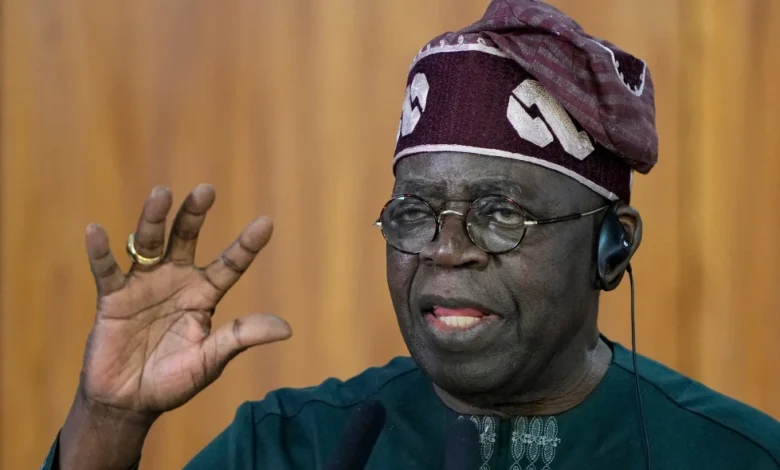
Abuja, Nigeria – President Bola Ahmed Tinubu has initiated a high-level investigation into a startling revelation concerning the alleged establishment of a fraudulent government agency, purportedly operating from within the presidential office complex and valued at an estimated $950,000. The agency, dubbed the “Presidential Foreign Intervention Promotion Council” (PFIPC), has been denounced by the President as entirely fictitious, with its purported creation stemming from a sophisticated forgery. This development has sent shockwaves through Nigeria’s political landscape, raising serious questions about administrative oversight, national security, and the integrity of the nation’s highest office.
The allegations surfaced when a letter, bearing a forged signature of the President’s Chief of Staff, Femi Gbajabiamila, circulated, claiming to authorize the establishment of this new council. President Tinubu, through an official statement, unequivocally denied issuing any such directive and immediately ordered a thorough probe. Forensic analysis subsequently confirmed that the signature attributed to Gbajabiamila was indeed a fake, underscoring the audacious nature of the alleged scam. The purported agency, abbreviated as PFIPC, was said to have been created in 2024 and, alarmingly, managed to establish a significant footprint within the federal bureaucracy before its fraudulent nature was officially exposed.
Unveiling the Deception: The PFIPC’s Elaborate Scheme
The "Presidential Foreign Intervention Promotion Council" was ostensibly designed to facilitate and coordinate Nigeria’s engagement in international affairs, promote foreign investment, and manage various forms of external partnerships. Such a mandate, while seemingly legitimate on the surface, offered a broad scope for potential illicit financial dealings and influence peddling. The $950,000 figure associated with its "worth" or initial capitalization points to a substantial sum that was either intended for diversion or had already been illicitly channeled through its operations.
What makes this particular case deeply concerning is the sophisticated level of penetration achieved by the alleged fraudsters. The PFIPC not only claimed official presidential endorsement but also managed to secure physical office space within the Federal Secretariat in Abuja, Nigeria’s administrative nerve center. This highly sensitive location houses numerous government ministries, departments, and agencies, making the infiltration a significant security and administrative breach. Beyond physical presence, the fake agency reportedly opened bank accounts with the Central Bank of Nigeria, the apex financial institution, lending it an air of official legitimacy. Perhaps most astonishingly, the PFIPC even appeared in the country’s 2026 Appropriation Act, suggesting that its architects had meticulously planned for its long-term, fraudulent existence and budgetary allocation. This inclusion in a future budget document indicates either an extraordinary level of foresight by the fraudsters or deep-seated vulnerabilities within the nation’s budgetary planning and auditing processes.
The President’s Swift Response and Directives
Upon discovering the elaborate fraud, President Tinubu wasted no time in condemning the act and initiating immediate action. His official statement emphasized the government’s unwavering commitment to safeguarding public institutions. "The Nigerian government," the statement declared, "must be protected against impersonation, forgery, abuse of official identity and the exploitation of weaknesses in the public service." This robust language reflects the gravity with which the administration views this attempt to subvert the machinery of government.
The President’s directive for an investigation is coupled with a demand for a comprehensive report within 30 days, signaling a desire for swift resolution and accountability. This tight deadline places immense pressure on the investigative teams, which include various security and intelligence agencies, to unravel the full scope of the conspiracy, identify all perpetrators, and recommend measures to prevent future occurrences. The explicit mention of forensic analysis confirming the forgery of Chief of Staff Femi Gbajabiamila’s signature underscores the critical role of scientific evidence in establishing the fraudulent nature of the agency’s purported origins.
Key Figures and the Manhunt
At the center of this audacious scheme is Adeniyi Adeyemi Matthew, who identified himself as the "PFIPC director general." Matthew is now the primary suspect in the ongoing investigation, facing accusations of forgery and false impersonation. Following the initiation of the probe, Matthew has reportedly gone into hiding, prompting a police-led manhunt to bring him to justice.
Before his disappearance, Matthew maintained his innocence, asserting that the agency was legally established. Furthermore, he launched counter-accusations, claiming that government officials had demanded bribes and attempted to gain control over the PFIPC’s funds. President Tinubu’s office has vehemently denied these counter-claims, framing them as a desperate attempt by the accused to deflect attention and muddy the waters. Regardless of Matthew’s assertions, the evidence of forged documents and the President’s explicit denial of the agency’s existence form a strong basis for the charges against him and potentially others. Charges have already been filed before a federal high court against three PFIPC staff members, accusing them of using forged official documents to establish the agency. This legal action marks the first step in what is expected to be a complex and high-profile prosecution.
Chronology of a Conspiracy
While the exact timeline of the PFIPC’s fraudulent activities is still being pieced together by investigators, a preliminary chronology suggests a carefully orchestrated scheme:
- Early 2024: The concept of the "Presidential Foreign Intervention Promotion Council" is allegedly conceived, likely with the intent to exploit perceived gaps in government oversight and leverage the prestige of the presidency.
- Mid-2024 (Inferred): Forged documents, including the letter purportedly from the Chief of Staff, are created to give the agency an appearance of official authorization. This period would also likely involve the fraudulent procurement of official seals, letterheads, and other administrative paraphernalia.
- Late 2024 – Early 2025 (Inferred): The alleged fraudsters successfully secure physical office space within the highly guarded Federal Secretariat in Abuja. This critical step would have involved navigating complex bureaucratic procedures, possibly through collusion or sophisticated deception.
- Throughout 2025 (Inferred): Bank accounts are opened with the Central Bank of Nigeria, a move that would have required multiple layers of verification and approval, further highlighting potential systemic weaknesses or complicity. During this period, the agency might have also engaged in preliminary "activities" or "meetings" to solidify its facade.
- Late 2025 (Inferred): The PFIPC is fraudulently included in the draft or final version of the 2026 Appropriation Act. This act, a cornerstone of national budgeting, would have provided the agency with a legitimate financial framework for its operations in the coming fiscal year, cementing its supposed existence.
- Recent Discovery (Current): The fraudulent nature of the agency comes to the attention of the presidential office, possibly through internal intelligence, whistleblowing, or an accidental discovery during routine administrative checks.
- Immediate Response: President Tinubu orders an investigation, declares the agency fake, confirms forgery, and initiates a police manhunt for Adeniyi Adeyemi Matthew.
Broader Context: Nigeria’s Battle Against Corruption
This incident casts a long shadow over Nigeria’s persistent struggle with corruption, a challenge that has plagued its development and governance for decades. According to Transparency International’s 2023 Corruption Perception Index, Nigeria ranked 145th out of 180 countries, scoring 25 out of 100, indicating a significant perceived level of corruption. Such high-profile cases, particularly those emanating from the highest echelons of government, severely erode public trust and deter foreign direct investment.
Historically, Nigeria has grappled with numerous large-scale corruption scandals, ranging from phantom projects and ghost workers to massive oil subsidy frauds and diverted public funds. The P&ID (Process & Industrial Developments) case, involving a dubious gas supply contract that led to a multi-billion dollar arbitration award against Nigeria, serves as a stark reminder of how sophisticated scams can impact the national treasury. President Tinubu, like his predecessors, assumed office with pledges to combat corruption and instill greater transparency and accountability. This latest scandal presents an immediate and significant test of his administration’s resolve and capacity to deliver on those promises. The ability of a fake agency to infiltrate the presidential complex and even make it into future budget projections suggests a deeply entrenched problem that goes beyond individual acts of criminality.
Systemic Vulnerabilities and Oversight Gaps
The alarming success of the PFIPC in establishing a quasi-official presence raises critical questions about systemic vulnerabilities within Nigeria’s administrative and financial oversight mechanisms. How could an agency, lacking legitimate presidential authorization, secure office space in a high-security government facility, open accounts with the Central Bank, and even be integrated into the national budget?
Possible contributing factors include:
- Weaknesses in Inter-Agency Communication: A lack of robust, cross-referencing verification processes between different government departments (e.g., presidential approvals, facility management, treasury operations, budgetary planning).
- Bureaucratic Red Tape and Complexity: The sheer volume and complexity of government procedures can create blind spots or opportunities for exploitation by those familiar with the system.
- Insider Collusion: The possibility that some government officials, whether wittingly or unwittingly, facilitated the fraudulent operations cannot be ruled out. Securing office space and bank accounts typically requires multiple layers of internal approvals.
- Insufficient Digital and Forensic Security: The successful forgery of a high-ranking official’s signature points to potential gaps in document verification protocols, both physical and digital.
- Budgetary Process Loopholes: The inclusion in the Appropriation Act indicates a significant flaw in how new agencies are vetted, approved, and integrated into the national budget. It suggests a potential lack of rigorous scrutiny during the budget formulation and legislative approval stages.
These vulnerabilities, if left unaddressed, pose a continuous threat to government integrity and resource management.
Reactions from Civil Society and Political Sphere
The revelation of the fake agency has triggered widespread outrage and concern across Nigeria. Various opposition politicians, civil society organizations, and legal experts have swiftly demanded an independent investigation into the matter, arguing that an internal presidential probe might not be sufficient to uncover the full extent of the conspiracy and hold all culpable parties accountable.
Opposition figures are likely to seize on this incident as evidence of administrative lapses and a potential failure of the new administration to curb corruption. Civil society groups, long advocates for transparency and good governance, have called for a comprehensive audit of all government agencies, particularly those recently established or with significant budgetary allocations. Legal practitioners have emphasized the need for a transparent and fair legal process, ensuring that justice is not only done but also seen to be done, thereby restoring public confidence in the judicial system. The collective sentiment points to a demand for full disclosure, swift prosecution, and fundamental reforms to prevent a recurrence of such an audacious fraud.
Implications for Governance and Public Trust
The PFIPC scandal carries significant implications for President Tinubu’s administration and the broader landscape of Nigerian governance.
- Erosion of Public Confidence: Such incidents deeply erode public trust in government institutions, fostering cynicism and skepticism among citizens already grappling with economic hardships and security challenges.
- Impact on Tinubu’s Reform Agenda: The President’s efforts to attract foreign investment, stabilize the economy, and implement crucial reforms could be undermined if his administration is perceived as vulnerable to internal corruption and administrative inefficiencies.
- International Reputation: Nigeria’s international standing and its attractiveness as an investment destination could be negatively affected, as foreign partners and investors prioritize stability, transparency, and the rule of law.
- Urgency for Systemic Reforms: The scandal necessitates an urgent review and overhaul of administrative protocols, budgetary oversight mechanisms, and security clearances across all levels of government. It may lead to the establishment of new safeguards, stricter verification processes, and enhanced whistleblower protection programs.
The Path Forward: Investigations and Accountability
The immediate priority for the Nigerian government is to ensure a thorough and impartial investigation. The ongoing police manhunt for Adeniyi Adeyemi Matthew is crucial, as his apprehension could provide critical insights into the planning and execution of the scheme, potential collaborators, and the ultimate destination of any diverted funds. Forensic auditing of the alleged agency’s financial activities and its inclusion in the 2026 Appropriation Act will be vital to understand the financial scope of the fraud.
Furthermore, the legal proceedings against the three accused PFIPC staff members will be closely watched. A successful prosecution will send a clear message about the government’s commitment to accountability. Beyond individual culpability, the investigation must delve into the systemic failures that allowed such a sophisticated fraud to take root and operate for an extended period. President Tinubu’s demand for a 30-day report underscores the urgency, but the true measure of success will be the implementation of lasting reforms that bolster government integrity and restore faith in Nigeria’s public institutions. The nation now watches to see if this audacious attempt to defraud the state will become a catalyst for genuine change or another chapter in its ongoing battle against corruption.