Oberlin College professor and his wife allegedly killed by adult son who set car on fire as a distraction

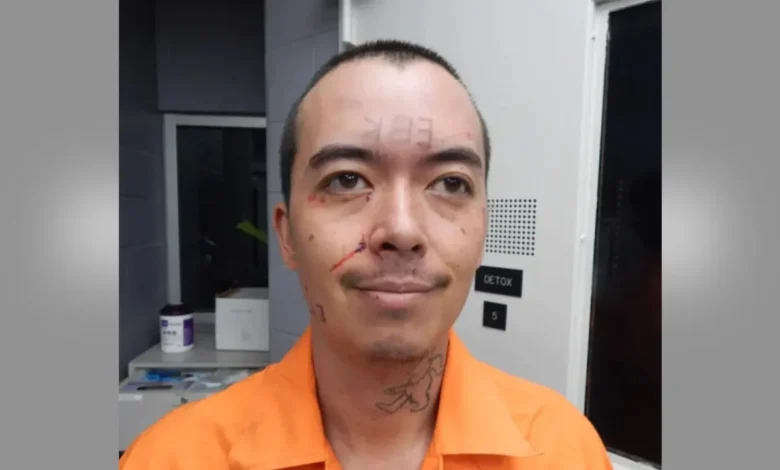
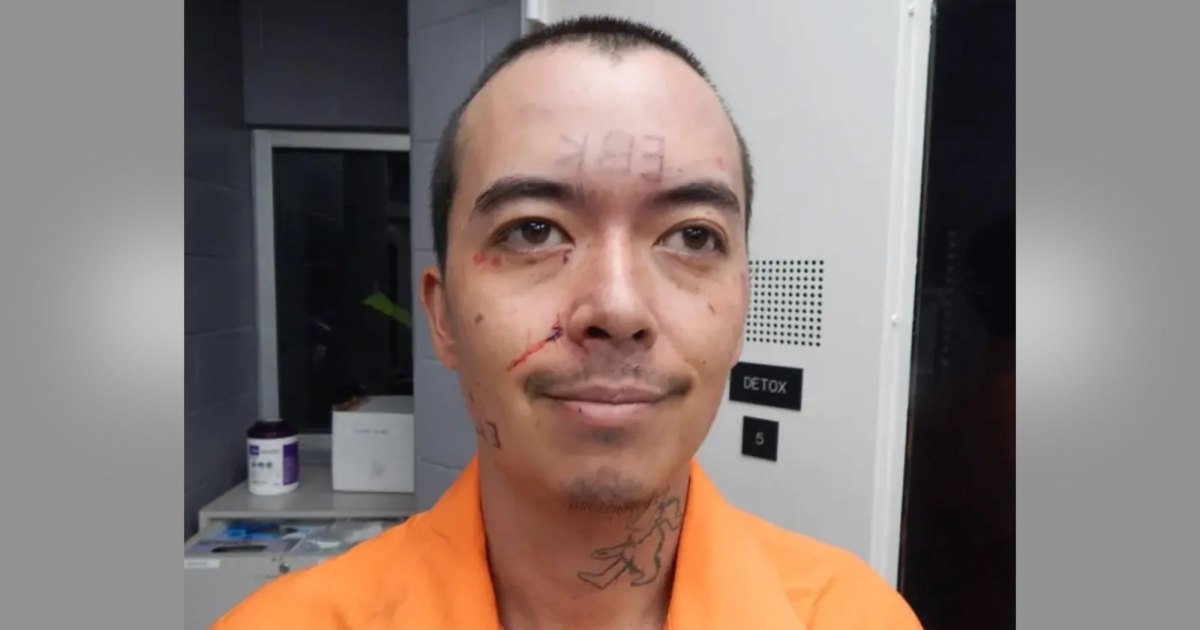
The quiet academic community of Oberlin, Ohio, remains in a state of profound shock following the discovery of a double homicide that claimed the lives of a respected Oberlin College professor and his wife. Daniel Jones, 32, stands accused of the murders of his father, 64-year-old Pipo Nguyen-Duy, and his stepmother, 56-year-old Thi Tran Phong. The events, which unfolded late last week, culminated in a dramatic scene at the college campus, a subsequent police investigation, and a high-stakes court appearance that has left the local community grappling with the tragedy.
The Sequence of Events
The chain of events began with an alarming incident at an Oberlin College parking lot on the morning of Wednesday, October 28. Authorities were alerted to a vehicle fire that appeared to be deliberately set. According to investigators, Jones utilized a wood stove heater, modified with a makeshift chimney extending through the roof of his vehicle, to ignite the fire. This act, which officials now characterize as a tactical distraction, served to draw law enforcement attention away from the family home on South Pleasant Street.
Upon extinguishing the blaze, responding firefighters discovered a collection of highly personal items left inside a cardboard box near the scene. These items, which included the suspect’s passport, various keys, and a supply of live ammunition, provided critical leads that eventually directed investigators toward the couple’s residence.
Following the discovery of the car fire, police conducted a wellness check at the Nguyen-Duy and Phong home. Upon entry, they discovered the bodies of the victims. Pipo Nguyen-Duy was found on the first floor of the residence, while Thi Tran Phong was discovered in a second-story bedroom. The nature of the scene suggested a targeted, violent confrontation.
Legal Proceedings and Confession
Daniel Jones was taken into custody shortly after the discovery of the bodies. On Thursday, October 29, he appeared in court for his arraignment, where he faced a series of grave charges, including six counts of murder, four counts of felonious assault, and one count of tampering with evidence.
During the hearing, the proceedings took an unexpected turn when Prosecutor Zachary Simonoff disclosed that the defendant had offered a full confession to the crimes. According to the prosecution, Jones explicitly stated to officers that he had killed his family members and provided his own address to facilitate the discovery of the bodies.
“Everything I did was on my own accord, and I take full responsibility,” Jones reportedly told authorities. Throughout the proceedings, Jones remained largely detached, maintaining a blank expression and staring at the floor while the court addressed the severity of the charges. Given the gravity of the accusations and the potential for flight, the presiding judge set his bond at $3 million. As of this report, it remains unclear whether Jones has secured legal representation, and he has not yet entered a formal plea.

Contextualizing the Mental Health Aspect
While the investigation into the motive remains in its infancy, early reports suggest that mental health struggles may have played a significant role in the tragedy. During the arraignment, Prosecutor Simonoff cited communications between the Oberlin Police Department and the defendant’s mother, who resides in Oregon. According to these communications, the mother had expressed deep concern regarding her son’s mental state, noting that he was suffering from psychosis and required consistent medical intervention.
These concerns were echoed by witnesses who had interacted with Jones in the days leading up to the tragedy. Greg Poirson, a local resident, described a recent encounter with Jones in which the suspect appeared unkempt and erratic. According to Poirson, Jones had jumped out of a neighbor’s vehicle and made bizarre, unsubstantiated claims about fleeing from a cult. These anecdotal accounts highlight a period of instability that preceded the violence, raising difficult questions about whether the incident could have been prevented had intervention occurred sooner.
The Impact on the Oberlin Community
The loss of Pipo Nguyen-Duy has been felt acutely within the Oberlin College community. A professor who had long contributed to the intellectual fabric of the institution, his death has left colleagues and students in mourning. Oberlin College, known for its emphasis on close-knit faculty-student relationships and rigorous artistic and academic inquiry, now faces the task of supporting a grieving campus.
The college has not yet released a formal statement detailing memorial plans, but the gravity of a professor being killed in such a manner has sent ripples of concern through the academic community. Such incidents, while statistically rare, highlight the intersection of domestic violence and mental health crises, reminding institutions of the limitations of their reach when it comes to the private, off-campus lives of their staff.

Analysis: The Anatomy of the Crime
From a forensic standpoint, the actions taken by Jones indicate a level of pre-meditation that complicates the defense’s potential reliance on a plea of insanity. The use of a vehicle fire as a diversionary tactic, coupled with the gathering of a "go-bag" containing a passport and ammunition, suggests that the defendant was aware of the criminality of his actions.
However, the intersection of premeditation and known psychiatric distress presents a complex legal challenge. In the state of Ohio, the criteria for "not guilty by reason of insanity" are rigorous. The defense will likely need to prove that, at the time of the killings, the defendant did not know the wrongfulness of his acts due to a severe mental disease or defect. The prosecutor’s emphasis on the defendant’s admission of "taking responsibility" may be used to counter claims of diminished capacity, suggesting that Jones understood the nature of his actions at the time of the confession.
Broader Implications of Familial Violence
The tragedy in Oberlin is the latest in a string of high-profile cases involving adult children committing violence against their parents. These incidents often bring to light the lack of a cohesive support system for families dealing with adult children experiencing acute mental health crises.
Sociologists and mental health experts often note that the "gap" in the American mental health system—the transition between the support systems available to minors and those available to adults—is where many families find themselves overwhelmed. When an adult child refuses or is unable to access medication, and when their behavior becomes violent, family members are often left with few legal mechanisms to force treatment or ensure safety without resorting to police intervention.

The case of Daniel Jones serves as a somber reminder of the limitations of the current legal and medical framework in addressing the intersection of severe psychiatric illness and domestic violence. As the legal process moves forward, the community will likely look for answers regarding how these warning signs were missed and what protocols could be implemented to prevent similar tragedies in the future.
Looking Ahead
The next phase of the legal process will involve an exhaustive review of evidence, including the evaluation of the suspect’s mental health by court-appointed professionals. This evaluation will be the cornerstone of the case, determining not only the trajectory of the trial but also the potential for rehabilitation or lifelong incarceration.
For the family members, friends, and colleagues of Pipo Nguyen-Duy and Thi Tran Phong, the path forward is one of mourning. The college and the local Oberlin authorities are expected to provide further updates as the court schedules subsequent hearings. In the meantime, the town remains a place of quiet reflection, forever changed by an act of violence that disrupted the peace of a small academic enclave.
As the investigation into the motives and the specific timeline of the attacks continues, the focus will remain on ensuring a fair and transparent judicial process. The $3 million bond stands as a testament to the severity of the charges, and the upcoming proceedings will undoubtedly draw significant public attention as more details emerge regarding the circumstances that led to this devastating loss of life.
Related posts: