The culinary landscape has long celebrated shakshuka as a cornerstone of comfort food, a dish historically rooted in North African and Middle Eastern traditions consisting of gently poached eggs resting in a simmering, spiced stew of tomatoes, onions, and chili peppers. Traditionally served straight from a cast-iron skillet alongside crusty artisan bread meant for scooping up rich, runny yolks and fragrant aromatics, shakshuka has evolved from a humble working-class breakfast into a global brunch phenomenon. Now, contemporary home cooks and professional kitchens alike are finding innovative ways to reinterpret the classic comfort food. Among the latest iterations gaining traction in culinary circles is a recipe that flips the traditional skillet format completely inside out: Shakshuka Stuffed Peppers.
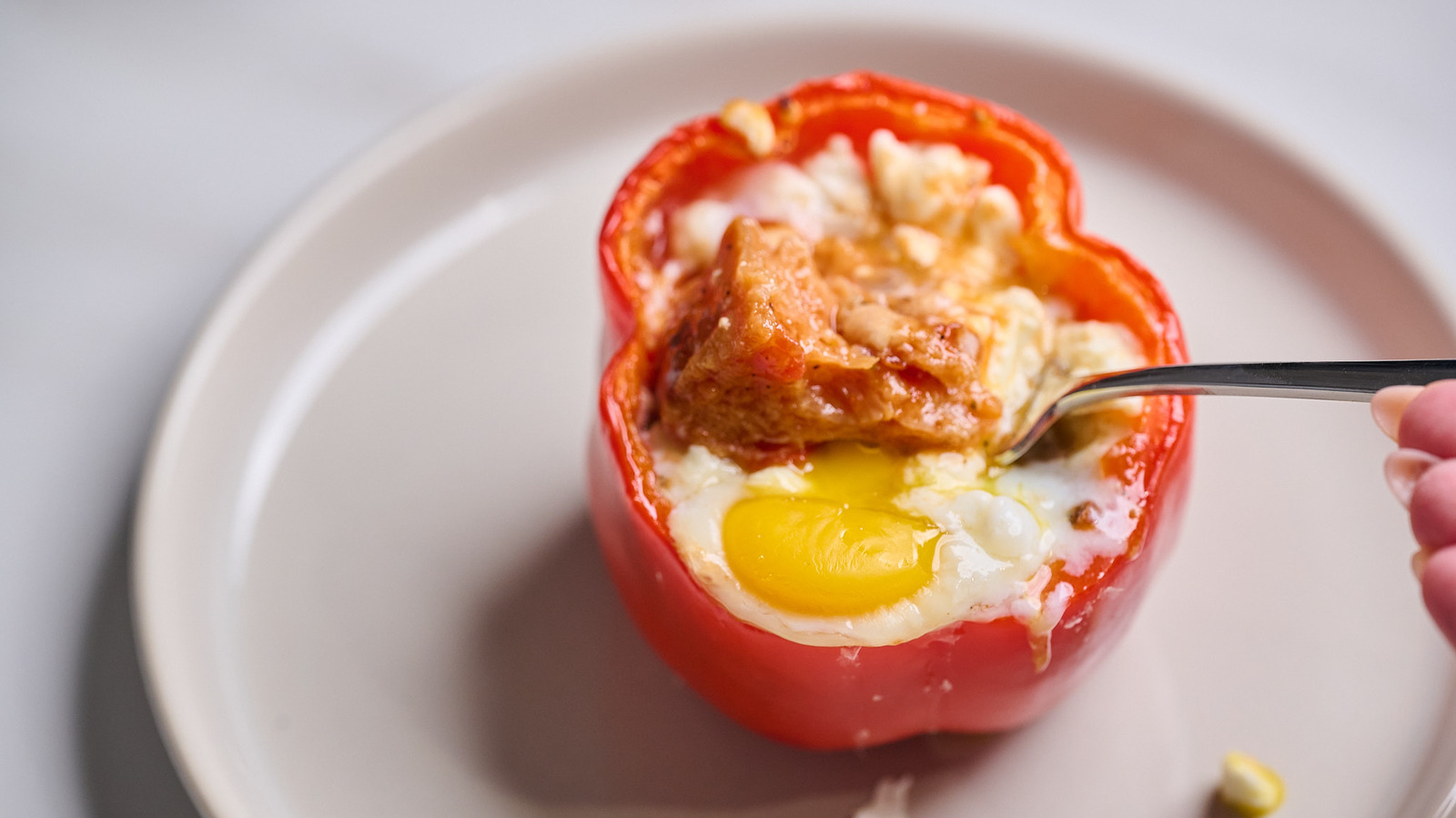
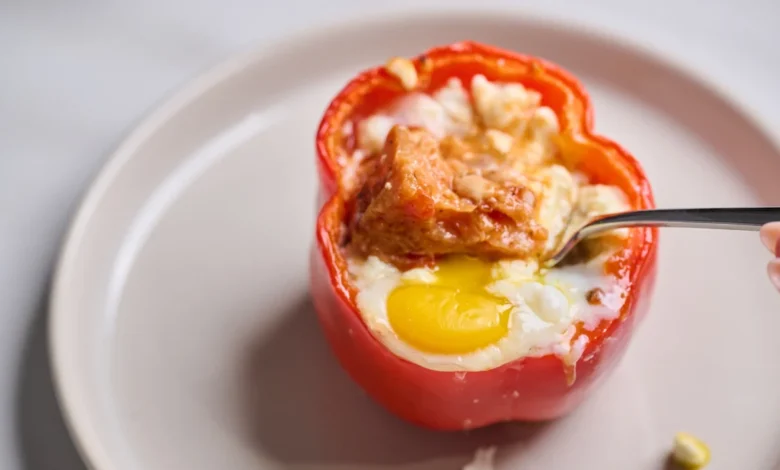
This modern adaptation retains the robust, warming flavor profile of the original dish while offering structural ingenuity by utilizing whole bell peppers as edible vessels. By integrating traditional elements—such as fire-roasted tomatoes, garlic, feta cheese, and eggs—directly inside hollowed-out bell peppers, recipe developers have transformed a traditionally messy breakfast skillet into a structured, all-in-one meal suitable for weeknight dinners as well as weekend entertaining. Furthermore, the inclusion of cubed crusty bread folded directly into the simmering tomato sauce bridges the gap between the classic dish and traditional Italian bread soups, creating a custardy, flavorful matrix that absorbs spices just as rice or ancient grains would.
Anatomy of the Dish: Ingredients and Culinary Mechanics
The formulation of Shakshuka Stuffed Peppers relies on balancing foundational pantry staples with fresh produce to achieve a dense, satisfying texture capable of supporting a whole egg. Culinary experts emphasize that the success of this recipe depends heavily on component selection, particularly the choice of bread. While soft sandwich bread would quickly dissolve into an unpalatable paste under the moisture of stewed tomatoes, robust artisan options—such as a classic French baguette or rustic sourdough from a local bakery—maintain structural integrity while soaking up the aromatic tomato sauce.
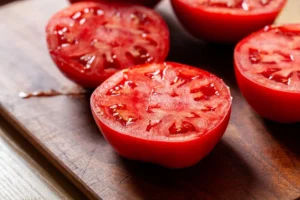
The complete ingredient profile bridges Mediterranean and Middle Eastern flavor profiles. The base of the filling requires extra-virgin olive oil, yellow onions, and minced garlic sautéed to translucency to build an aromatic foundation. Spices play a critical role in defining the authentic shakshuka flavor, incorporating smoked or sweet paprika, ground cumin, dried oregano, red pepper flakes, salt, and freshly cracked black pepper. The tomato component utilizes a combination of fire-roasted diced tomatoes and smooth tomato sauce to deliver both chunkiness and a cohesive saucy consistency. Fresh baby spinach is folded in at the final stage of stovetop simmering to introduce a vibrant green contrast and nutritional complexity.
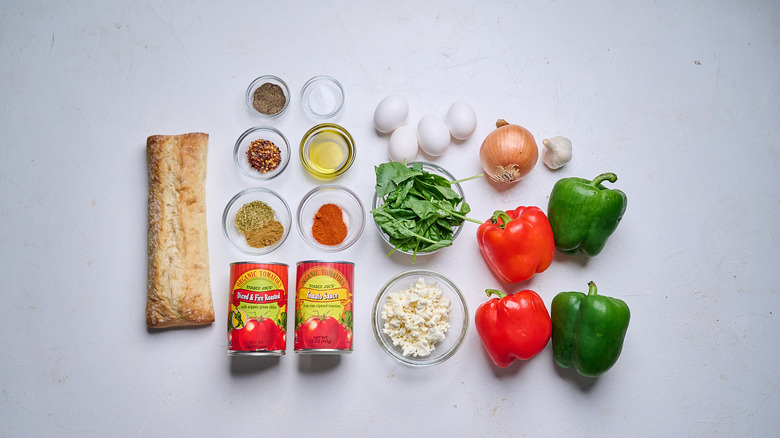
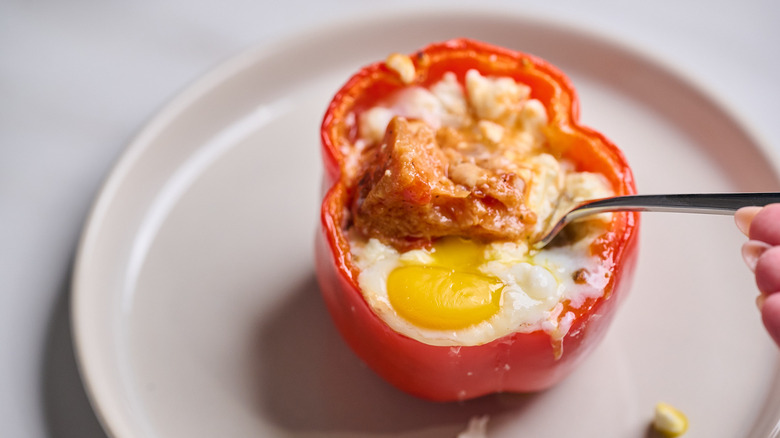
The vessel itself consists of whole bell peppers—either red, green, or yellow—which are sliced at the stem end and thoroughly deseeded. Once the tomato-and-bread mixture has thickened on the stove and absorbed the desired spices, it is spooned into the hollowed-out peppers just shy of the brim. A single whole egg is carefully cracked directly on top of each filled pepper, followed by a generous dusting of crumbled sheep’s milk feta cheese. The entire assembly is transferred to an oven-safe casserole dish and baked at 350 degrees Fahrenheit until the egg whites are fully set and the yolks achieve a velvety, soft-cooked consistency.
Step-by-Step Preparation Guide

Executing this recipe efficiently requires a synchronized workflow divided between stovetop reduction and oven baking. Professional home economists recommend following a structured sequence to ensure optimal texture and prevent common culinary pitfalls.
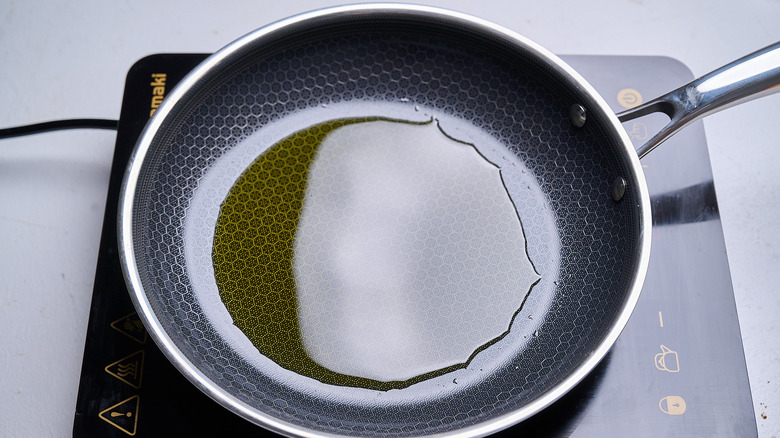
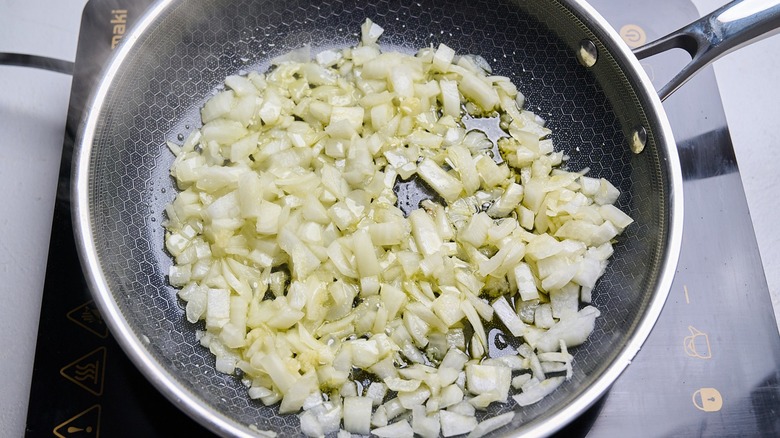
Preparation begins by preheating the conventional oven to 350 degrees Fahrenheit (175 degrees Celsius). In a large skillet, extra-virgin olive oil is heated over medium flame. Finely diced onions and minced garlic are introduced to the warm oil and sautéed for approximately two minutes until fragrant and translucent, care being taken not to brown the garlic and impart bitterness.
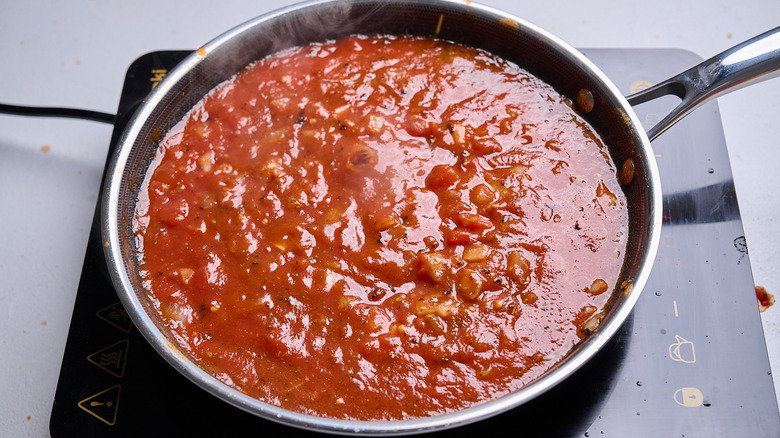
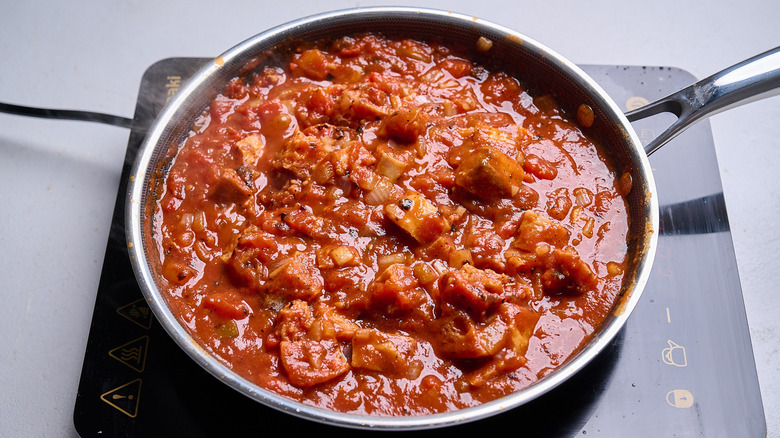
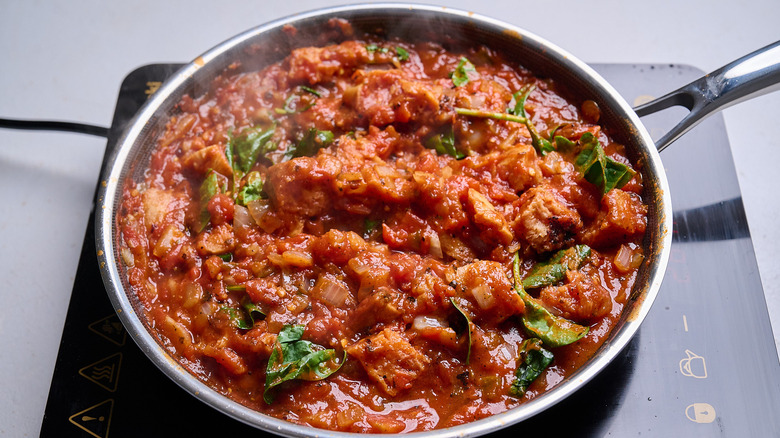
Next, the fire-roasted diced tomatoes, smooth tomato sauce, and the specified blend of spices—paprika, cumin, oregano, red pepper flakes, salt, and black pepper—are stirred directly into the skillet, bringing the mixture to a gentle simmer. At this stage, bite-sized pieces of crusty artisan bread are folded into the bubbling tomato sauce. The mixture is allowed to simmer uncovered for roughly five minutes, giving the bread adequate time to soften and meld into the sauce, functioning similarly to the Tuscan pappa al pomodoro. Fresh baby spinach is then folded into the skillet, wilting quickly under the residual heat.
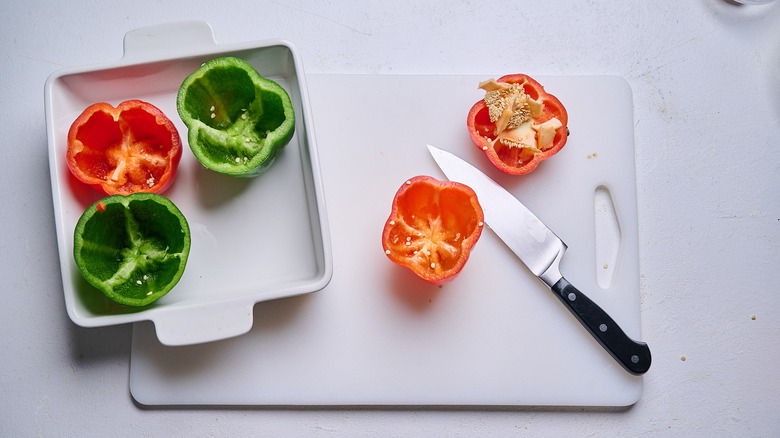
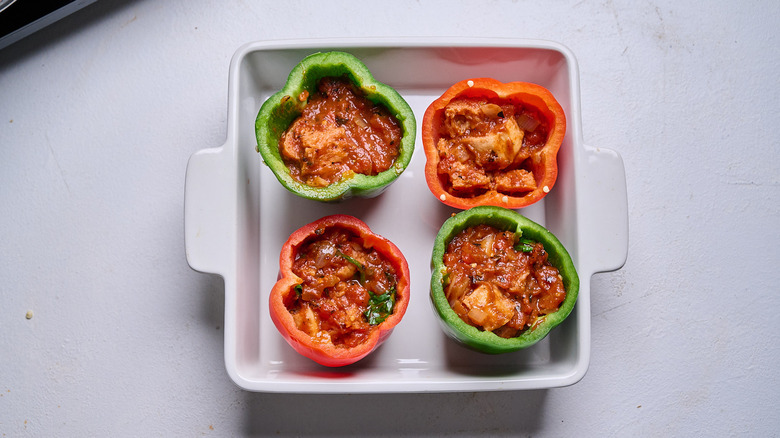
While the tomato and bread filling simmers, attention shifts to the bell peppers. The tops are neatly sliced off, and interior ribs and seeds are completely excised to create a clean cavity. The prepared peppers are arranged upright in a small oven-safe casserole dish. The warm tomato-bread filling is spooned into each pepper, leaving a small indentation or pocket at the surface.
The most delicate phase of the preparation involves adding the eggs. To avoid broken yolks or overflows, cooks are advised to crack individual eggs into a small spouted measuring cup before pouring them gently into the center of each stuffed pepper. The dish is finished with a scattering of crumbled feta cheese across the top of each egg and pepper. The casserole is transferred to the preheated oven and baked for approximately 25 minutes, or until the egg whites are completely opaque and set while the yolks remain fluid.
Nutritional Profile and Dietary Considerations
From a nutritional standpoint, Shakshuka Stuffed Peppers offer a balanced macronutrient profile that aligns well with modern dietary preferences, particularly vegetarian meal planning. According to nutritional estimations provided by recipe analysis platforms, a single serving of the dish contains approximately 300 calories.
The macronutrient breakdown per serving includes roughly 16.7 grams of total fat, of which 5.1 grams are saturated fat, alongside zero trans fats. Because the recipe features whole eggs and feta cheese, the cholesterol content is notable at approximately 180.4 milligrams per serving. Carbohydrate content stands at 28.3 grams, heavily supported by an impressive 8.2 grams of dietary fiber primarily contributed by the bell peppers, tomatoes, and spinach. Total sugars register at 14.9 grams, while sodium levels reach 1,087.2 milligrams, largely driven by the canned tomatoes and cured feta cheese. Protein content is robust at 13.6 grams per serving, making it a satiating option for individuals seeking meatless meals that do not sacrifice satiety.
Culinary Variations: Incorporating Proteins and Technical Tips
While the core recipe is strictly vegetarian, culinary flexibility remains one of the greatest strengths of both traditional shakshuka and this stuffed pepper variant. Home cooks seeking to increase the protein density or appeal to carnivores can easily incorporate various meat products into the preparation. Traditional breakfast meats such as crumbled pork sausage or crispy bacon bits can be integrated directly into the tomato sauce during the stovetop simmering phase. Alternatively, spicy or mild Italian sausage can be browned at the outset of cooking before the aromatics are introduced.
For those leaning toward dinner-friendly adaptations, leftover proteins such as shredded rotisserie chicken, pulled pork, or sliced chicken sausage can be folded into the tomato-bread base. These additions not only enhance the heartiness of the dish but also provide an effective strategy for utilizing refrigerator leftovers.
Mastering the technical challenges of the recipe—specifically managing the eggs—requires minor adjustments. Because bell peppers naturally possess uneven or lopsided bases, they have a tendency to tilt inside a baking dish, risking the accidental spill of raw egg whites over the sides before they can coagulate in the oven. Culinary instructors suggest inspecting each pepper’s posture prior to filling; if a pepper leans to one side, the interior tomato filling can be distributed asymmetrically to create an opposing pocket that balances the pepper upright. Furthermore, cracking eggs into a spouted vessel beforehand ensures precise placement. For those who prefer a firmer yolk, covering the baking dish loosely with aluminum foil during the first 15 minutes of baking allows the eggs to steam evenly before uncovering them to brown the feta cheese.
Broader Culinary Impact and Trend Analysis
The introduction of Shakshuka Stuffed Peppers reflects a broader movement within contemporary gastronomy toward fusion and format reinvention. As global comfort foods gain mainstream popularity across Western markets, home cooks increasingly seek ways to adapt international flavors into familiar meal structures. Stuffed peppers have long been a staple of comfort cooking across diverse cultures—from Eastern European stuffed cabbage and peppers to Latin American chili rellenos—making them an intuitive vehicle for reimagining the skillet-bound shakshuka.
Food historians and culinary analysts note that dishes bridging the gap between breakfast and dinner—colloquially termed "brinner"—have surged in popularity as modern work schedules blur traditional mealtime boundaries. By converting a communal skillet breakfast into individual, portion-controlled servings loaded with vegetables, fiber, and lean protein, this recipe demonstrates how traditional culinary heritage continues to inspire modern kitchen creativity without losing its foundational identity.