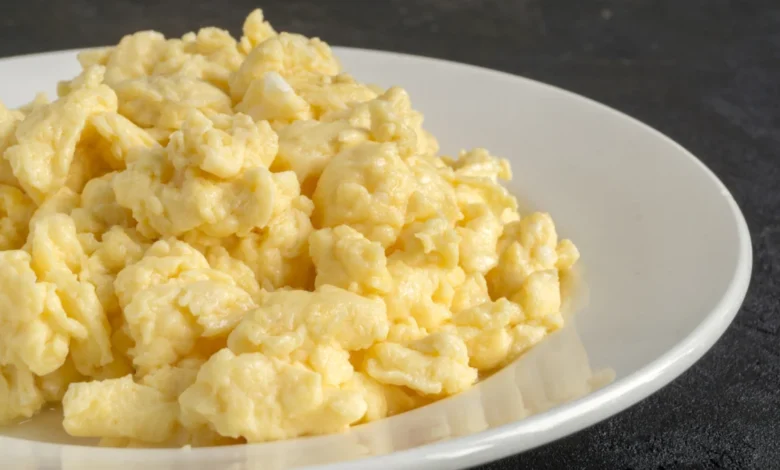
Breakfast habits in modern households have long relied on traditional protein staples, with scrambled eggs consistently reigning as a premier choice for morning nutrition. A single large egg delivers approximately six grams of high-quality protein, fulfilling roughly twelve percent of the daily recommended intake for an average adult woman, alongside a robust profile of essential vitamins such as B12, riboflavin, and selenium. Despite their widespread acclaim and dense nutrient matrix, traditional scrambled eggs present a notable nutritional gap: a near-total absence of dietary fiber. This missing component, vital for maintaining optimal gastrointestinal motility, supporting a balanced microbiome, and stabilizing postprandial blood glucose levels, has recently led culinary experts and nutritionists to explore seamless morning pairings. The solution to bridging this nutritional divide resides in a widely accessible green superfood: the avocado.
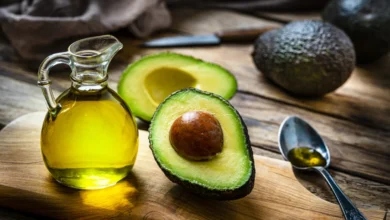
Avocados have transitioned over the past two decades from a regional specialty ingredient to a globally consumed dietary staple, lauded for their dense concentration of monounsaturated fatty acids, fat-soluble vitamins, and substantial fiber content. A standard medium-sized avocado contains approximately ten to thirteen grams of dietary fiber, accounting for nearly a third to nearly half of the daily recommended intake for adults, which typically ranges between 25 and 38 grams depending on age and biological sex. Beyond their impressive macronutrient and micronutrient profiles—which include notable quantities of potassium, folate, and vitamins C, E, and K—avocados offer a luxurious, buttery texture and a mild, earthy flavor profile that naturally complements the rich, savory qualities of chicken eggs.
The integration of avocado into morning egg preparations addresses both functional and sensory demands of contemporary dining. While culinary traditionalists have long paired sliced avocado alongside a finished plate of eggs or folded it into a standalone toast topping, innovative kitchen techniques suggest that folding chopped or gently warmed avocado directly into the cooking eggs yields superior textural cohesion. As consumer demand for functional foods continues to rise globally, home cooks increasingly seek streamlined methods to enhance the nutritional density of everyday meals without sacrificing preparation speed or taste.
The Evolution of Breakfast Nutrition and the Rise of Functional Ingredients
The historical trajectory of breakfast has shifted dramatically from grain-heavy, carbohydrate-dense meals of the mid-20th century toward protein-centric and nutrient-dense plates designed to sustain energy throughout the morning. Nutritional science in the late 1990s and early 2000s heavily emphasized low-fat diets, which often relegated nutrient-dense fats, such as those found in avocados and whole eggs, to the sidelines. However, extensive clinical research published over the past fifteen years has overturned these paradigms, highlighting the critical role of healthy fats in satiety, cognitive function, and the absorption of fat-soluble micronutrients.
Concurrently, public health initiatives from organizations such as the World Health Organization and the Dietary Guidelines for Americans have consistently underscored a pervasive societal deficiency in dietary fiber intake. Surveys indicate that the vast majority of adults consume less than half of the recommended daily fiber threshold. This "fiber gap" has driven food scientists, dietitians, and culinary creators to identify versatile ingredients that can be effortlessly incorporated into established dietary routines. Avocados emerged as an ideal candidate due to their unique composition: they provide both soluble and insoluble fiber while delivering a creamy mouthfeel that can replace processed dairy fats, such as heavy cream or excessive butter, frequently used to enrich scrambled eggs.
Culinary Techniques: Integrating Avocado into Egg Preparations
Incorporating avocado into scrambled eggs requires an understanding of how the fruit’s texture and fat content react to heat. Culinary experimentation has established several distinct methods for achieving an optimal balance of flavor and mouthfeel, ranging from raw toppings to pan-integrated integration.
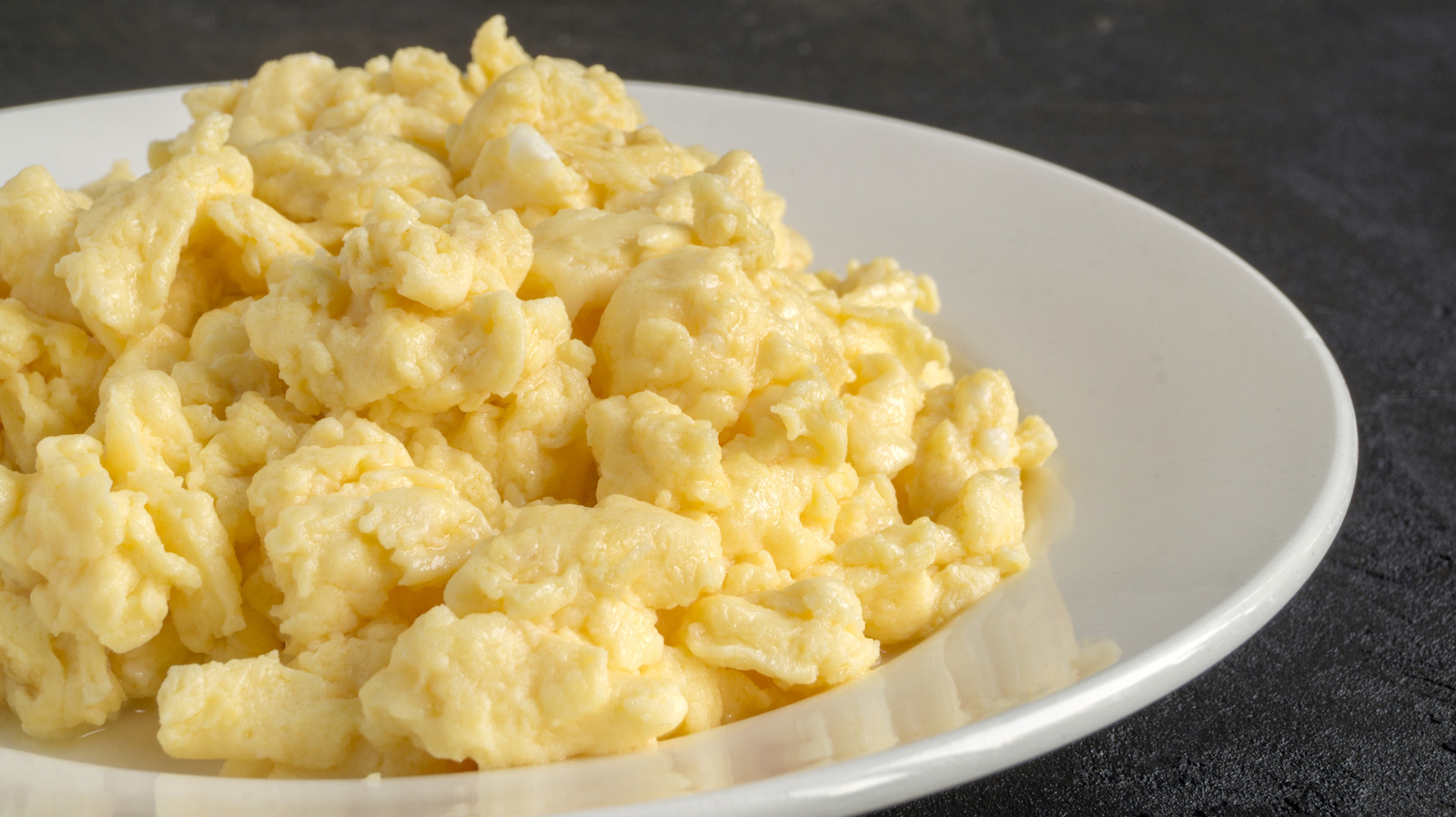
When executing the pan-incorporation method, cooks typically whisk their eggs with minimal seasoning, pouring the liquid mixture into a preheated, lightly oiled skillet over low to medium-low heat. As the egg proteins begin to coagulate and form soft curds—often achieved through continuous, gentle agitation—finely diced ripe avocado is folded directly into the pan. The residual heat gently softens the avocado pieces without breaking down their structural integrity entirely, resulting in a finished dish where the creamy texture of the fruit melds seamlessly with the tender egg curds.
Alternatively, preparation styles involving toasted sourdough or whole-grain breads offer structural support for the combination. Mashing ripe avocado directly onto fiber-rich bread, seasoned judiciously with coarse sea salt, freshly cracked black pepper, and citrus juice to prevent enzymatic browning, and subsequently layering soft-scrambled eggs on top, provides a multi-textured breakfast experience. Further customization can be achieved through the addition of finishing agents such as everything bagel seasoning, which introduces a savory, crunchy contrast, or fermented hot sauces that provide acidity and capsaicin-driven warmth.
Nutritional Synergy and Broader Dietary Implications
The combination of eggs and avocado creates a biochemically complementary meal that extends beyond simple macronutrient addition. Eggs serve as a complete protein source, supplying all nine essential amino acids required by the human body. Because dietary protein and healthy fats both stimulate the release of satiety hormones such as peptide YY and cholecystokinin while slowing gastric emptying, the inclusion of avocado lipids significantly enhances the staying power of the meal.
Furthermore, research indicates that the presence of monounsaturated fats in avocados significantly improves the bioavailability of carotenoids—such as lutein and zeaxanthin—found naturally in egg yolks. These powerful antioxidants play a well-documented role in ocular health, specifically in filtering high-energy blue light waves and protecting cellular structures within the retina against age-related macular degeneration. By pairing the two ingredients, diners not only secure a substantial fiber boost and prolonged satiety but also maximize the nutritional absorption of the micronutrients present in both foods.
Market Trends and Consumer Accessibility
The widespread availability of avocados in global markets has made this culinary enhancement increasingly accessible to home cooks. Advanced supply chain logistics, improved agricultural yield forecasting, and expanding year-round cultivation regions have stabilized avocado distribution, transforming the fruit from a luxury gourmet item into a household staple.
However, mastering this breakfast upgrade relies heavily on supply chain timing—specifically, the challenge of selecting and maintaining avocados at their peak stage of ripeness. Culinary educators emphasize that rock-hard avocados lack the necessary creaminess and will introduce an unpleasant, starchy texture to soft eggs, while overripe, bruised fruit can impart off-flavors and discoloration. Consumers are increasingly utilizing tactile assessment methods—gentle pressure at the stem end—and post-purchase ripening strategies, such as storing unripe fruit alongside ethylene-producing bananas, to ensure optimal timing for meal preparation.
Broader Culinary Applications and Future Directions
Beyond the traditional skillet scramble, the philosophy of enriching standard breakfast items with fiber-dense produce has inspired a wave of innovative morning recipes. Culinary developers frequently combine eggs with alternative fibrous ingredients, such as nutrient-dense frozen spinach, sautéed winter root vegetables, or cruciferous greens, depending on seasonal availability.
When integrated into portable formats like high-protein breakfast burritos wrapped in whole-wheat tortillas, or layered within nutrient-dense bagels alongside lean proteins like turkey bacon or Canadian bacon, the avocado-and-egg combination provides a balanced blueprint for morning nutrition. As consumer interest in functional, gut-healthy foods continues to accelerate, the intersection of high-protein staples and fiber-rich botanicals will undoubtedly remain a focal point of modern domestic gastronomy and nutritional wellness strategies.