ENVO Drive Systems Unveils Modular Utility Personal Transporter to Revolutionize the Light Electric Vehicle Market

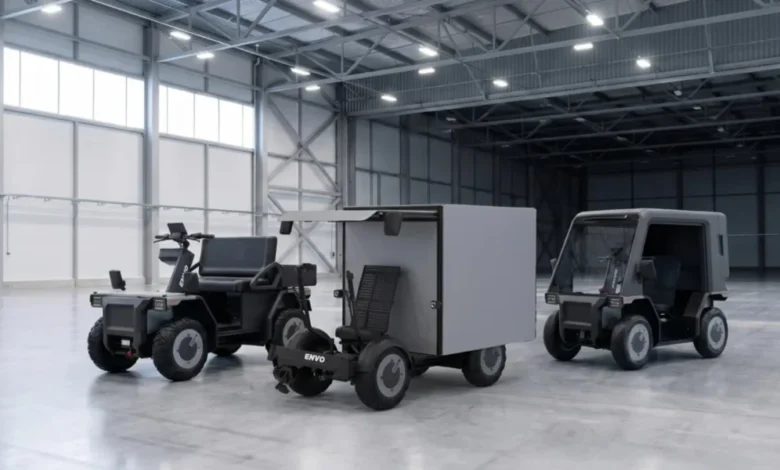
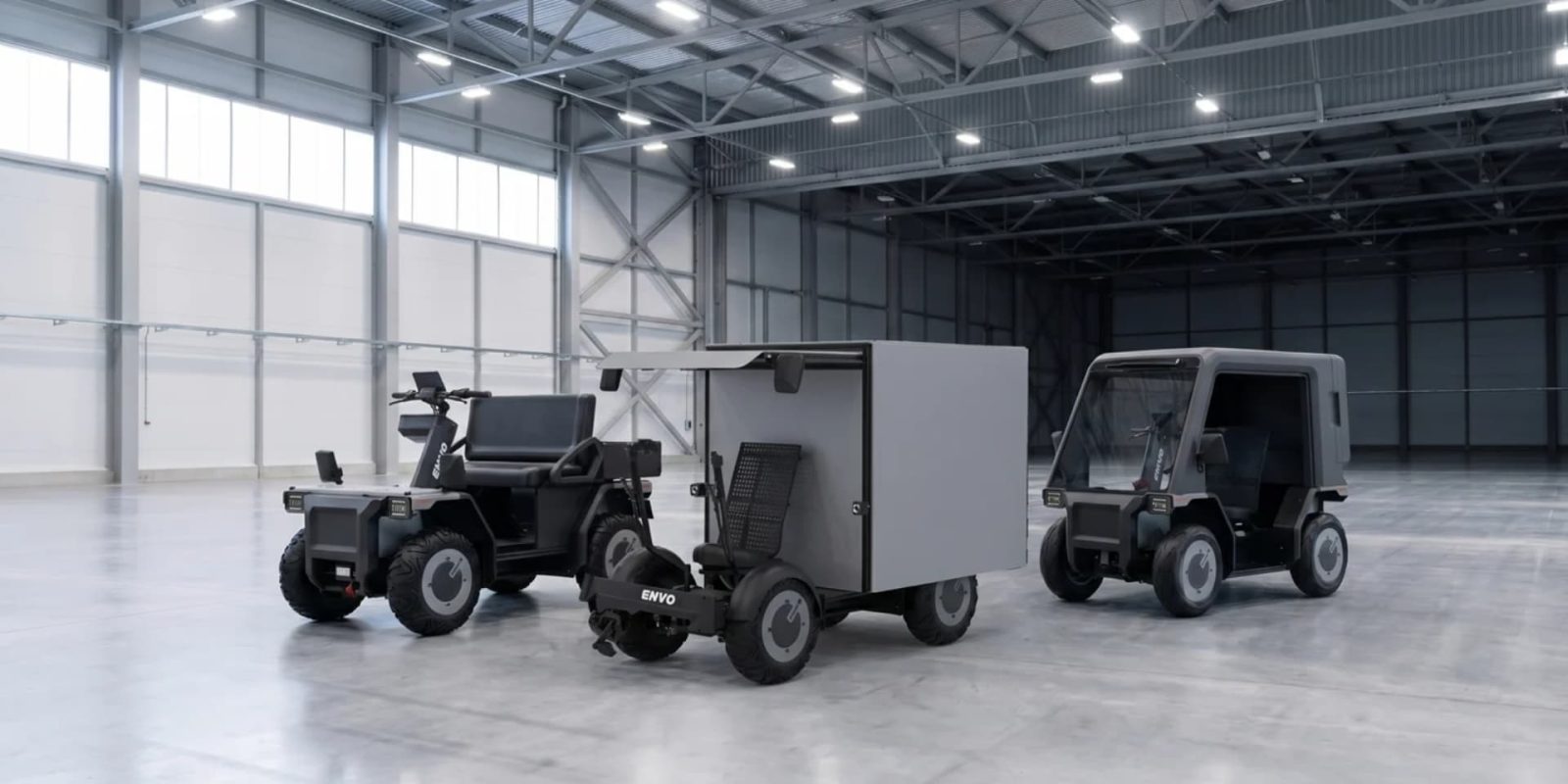
Canadian electric mobility pioneer ENVO Drive Systems has officially introduced its Utility Personal Transporter (UPT), a groundbreaking modular electric vehicle platform designed to address the diverse needs of the light electric vehicle (LEV) market. By utilizing a highly adaptable "skateboard" chassis, the UPT can be configured into more than 18 distinct vehicle types, ranging from industrial cargo haulers and agricultural utility vehicles to recreational golf carts and low-speed passenger vehicles (LSVs). This modular approach aims to disrupt the traditional manufacturing model, where specialized vehicles are often prohibitively expensive due to low production volumes and high research and development costs.
The UPT platform represents the culmination of four years of intensive engineering and design. According to ENVO, the primary objective was to create a single, mass-producible foundation that allows users to customize their transport solutions based on immediate requirements while retaining the flexibility to reconfigure the vehicle as their needs evolve over time. This "LEGO-like" versatility is intended to extend the lifecycle of the vehicle, reducing the environmental and financial costs associated with replacing entire units for different applications.

Engineering a Modular Ecosystem
At the heart of the ENVO UPT is a versatile chassis architecture that mirrors the "skateboard" design popularized by major automotive EV manufacturers like Tesla and Rivian, but scaled for the micro-mobility and utility sectors. This design consolidates the battery, drivetrain, and core electronics into a low-profile base, leaving the upper portion of the vehicle entirely open for customization.
The company has launched an online 3D configurator that allows prospective buyers to design their vehicles from the ground up. Through this interface, customers can select from a variety of chassis layouts, including different wheelbases and track widths. The modularity extends to the mechanical and electronic systems, where users can specify drivetrain configurations (rear-wheel drive or all-wheel drive), battery capacities, and steering systems.
Beyond the core mechanicals, the UPT supports a vast array of "top-hat" configurations. A single chassis can be fitted with seating for multiple passengers, a flatbed for cargo, specialized racks for industrial equipment, or enclosed cabins for all-weather operation. This flexibility is supported by a standardized mounting system, ensuring that accessories and body panels can be swapped with relative ease, either by the end-user or specialized service centers.
Technical Specifications and Advanced Features
The ENVO UPT is engineered to perform in demanding environments, moving beyond the capabilities of standard golf carts or basic electric scooters. The platform incorporates several advanced technologies usually reserved for full-sized automotive EVs.
Depending on the chosen configuration, the UPT features modular lithium-ion battery packs that can be scaled to meet specific range requirements. For off-road or heavy-duty industrial use, the vehicle offers an optional four-wheel-drive system equipped with individual wheel traction control. This system ensures optimal torque distribution, allowing the vehicle to navigate uneven terrain, mud, or snow. A dedicated "crawl mode" provides high torque at low speeds, which is essential for towing or navigating steep inclines in agricultural and construction settings.
Connectivity and software are also central to the UPT’s value proposition. The platform is designed with an integrated software stack that supports over-the-air (OTA) updates, allowing ENVO to improve vehicle performance, add features, and diagnose issues remotely. The dashboard is designed for seamless smartphone integration, enabling users to use their devices for navigation, fleet management, and performance monitoring. Furthermore, the vehicle is built with an IP67-rated environmental protection standard, ensuring that the electrical components are fully sealed against dust and water ingress.

Addressing the Economic Challenges of Niche EVs
The development of the UPT is a strategic response to a persistent problem in the electric vehicle industry: the high cost of specialized, low-volume vehicles. Traditionally, if a farm required an electric utility vehicle and a resort required an electric shuttle, two separate manufacturers would design two separate vehicles. The low production volume for each specific model leads to high per-unit costs, which are ultimately passed on to the consumer.
By mass-producing a unified platform, ENVO intends to leverage economies of scale that are typically unavailable to niche manufacturers. The company estimates that the UPT will retail between US$8,000 and US$12,000, depending on the complexity of the configuration. This pricing strategy places the UPT in direct competition with high-end traditional golf carts and utility ATVs, while offering significantly more functionality and technological sophistication.
Ali Kazemkhani, the founder of ENVO Drive Systems, emphasized that the UPT is designed to "tailor the perfect vehicle for what they need today and adapt for what they may need tomorrow." This philosophy of adaptability is expected to appeal strongly to fleet operators, such as municipal governments and large industrial campuses, who can maintain a uniform fleet of chassis while varying the attachments based on seasonal or operational needs.
Broad Market Applications and Industry Impact
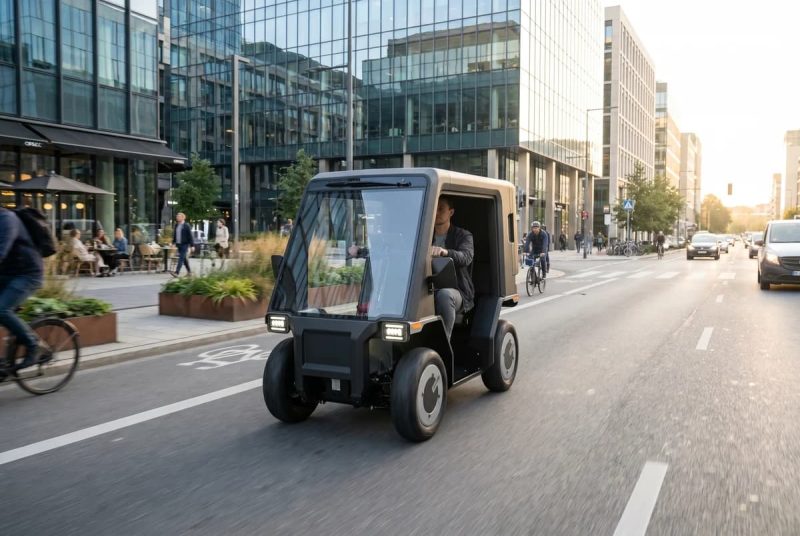
The potential applications for the ENVO UPT are extensive, covering both commercial and private sectors. In agricultural settings, the UPT can serve as a rugged cargo hauler or a mobile power station for electric tools, thanks to its optional accessory power outputs and solar-charging readiness. In urban environments, it can be configured as a last-mile delivery vehicle, capable of navigating narrow streets and pedestrian zones where full-sized vans are restricted.
Other targeted sectors include:
- Tourism and Hospitality: Shuttles for resorts, hotels, and large-scale attractions.
- Industrial and Warehousing: Material handling and personnel transport within large facilities.
- Municipal Services: Maintenance vehicles for parks, waste management in tight spaces, and security patrols.
- Mobile Businesses: Bases for coffee carts, mobile repair shops, or vending stations.
- Recreation: Enhanced off-road vehicles for camping and trail exploration.
Furthermore, ENVO has indicated that the UPT platform is "future-ready," with the structural and electronic provisions necessary for remote-controlled or fully autonomous robotic operation. This positions the platform as a viable candidate for automated delivery services or unmanned security monitoring in the coming years.

Timeline, Production, and Future Outlook
ENVO Drive Systems has confirmed that the UPT has moved out of the development phase and is now entering the pre-production stage. The company has officially opened pre-orders for the platform, with a high level of interest reported from both individual consumers and commercial fleet buyers.
According to the company’s current roadmap, production is scheduled to commence in the late fall of 2026. This timeline accounts for the finalization of supply chains and the scaling of manufacturing facilities to handle the anticipated demand for the modular components. ENVO expects the first wave of customer deliveries to begin in early 2027.
The launch of the UPT comes at a time when the global market for light electric vehicles is experiencing rapid growth. Increasing urbanization, rising fuel costs, and stringent emissions regulations are driving demand for smaller, more efficient electric transport solutions. By providing a platform that can bridge the gap between recreational use and industrial utility, ENVO is positioning itself at the forefront of the "right-sizing" movement in transportation—where vehicles are matched precisely to their intended task rather than over-engineered for occasional needs.

Strategic Implications for the EV Industry
The introduction of the UPT may signal a shift in how the industry views vehicle ownership and utility. If successful, ENVO’s modular model could encourage other manufacturers to move away from rigid, single-purpose designs in favor of flexible platforms. This would not only lower the barrier to entry for specialized electric mobility but also contribute to a more sustainable manufacturing ecosystem by reducing vehicle obsolescence.
Industry analysts suggest that the success of the UPT will depend on the robustness of the modular connections and the ease with which users can truly reconfigure the vehicles. However, the use of a 3D configurator and the promise of a standardized accessory ecosystem suggest that ENVO has prioritized user experience alongside mechanical engineering. As the industry moves toward 2027, the ENVO UPT will likely be watched closely as a case study in whether modularity can solve the scalability issues that have long plagued the niche electric vehicle sector.
Related posts: