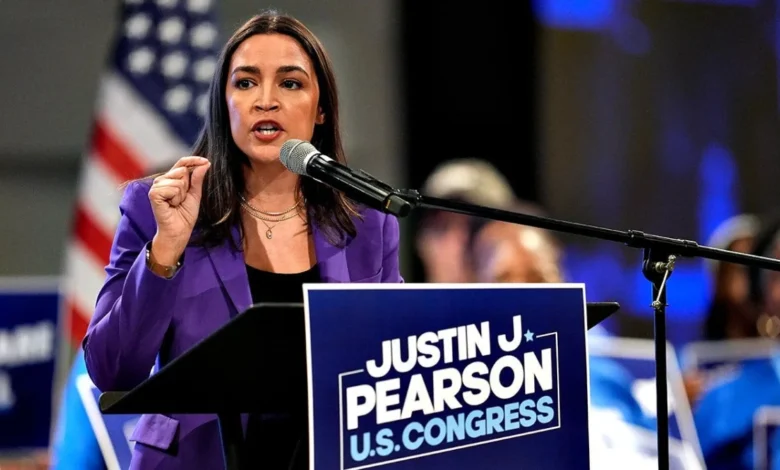
The United States House of Representatives recently passed its version of the National Defense Authorization Act (NDAA) for Fiscal Year 2027, igniting a fervent debate within the Democratic Party and drawing sharp criticism from across the political spectrum. At the heart of the contention is Section 219, a provision aimed at significantly deepening U.S.-Israel defense integration, which prompted a controversial interpretation from Rep. Alexandria Ocasio-Cortez (D-N.Y.) and subsequent accusations of misrepresentation. The bill passed the House in a 219-206 vote, leaving the disputed section intact, underscoring the complex and often fractious nature of U.S. foreign policy, particularly concerning its long-standing alliance with Israel, amidst escalating tensions in the Middle East.
The Core of the Debate: Section 219 and its Interpretation
Section 219 of the House-passed National Defense Authorization Act outlines a mandate for expanded U.S.-Israel defense cooperation across multiple critical domains. Specifically, the provision calls for deeper integration through enhanced collaboration on military technology, supply chains, advanced research initiatives, artificial intelligence development, cybersecurity measures, and joint military exercises. Proponents argue that such integration is a natural evolution of the strategic alliance between the two nations, designed to bolster mutual security interests and enhance interoperability in an increasingly complex geopolitical landscape.
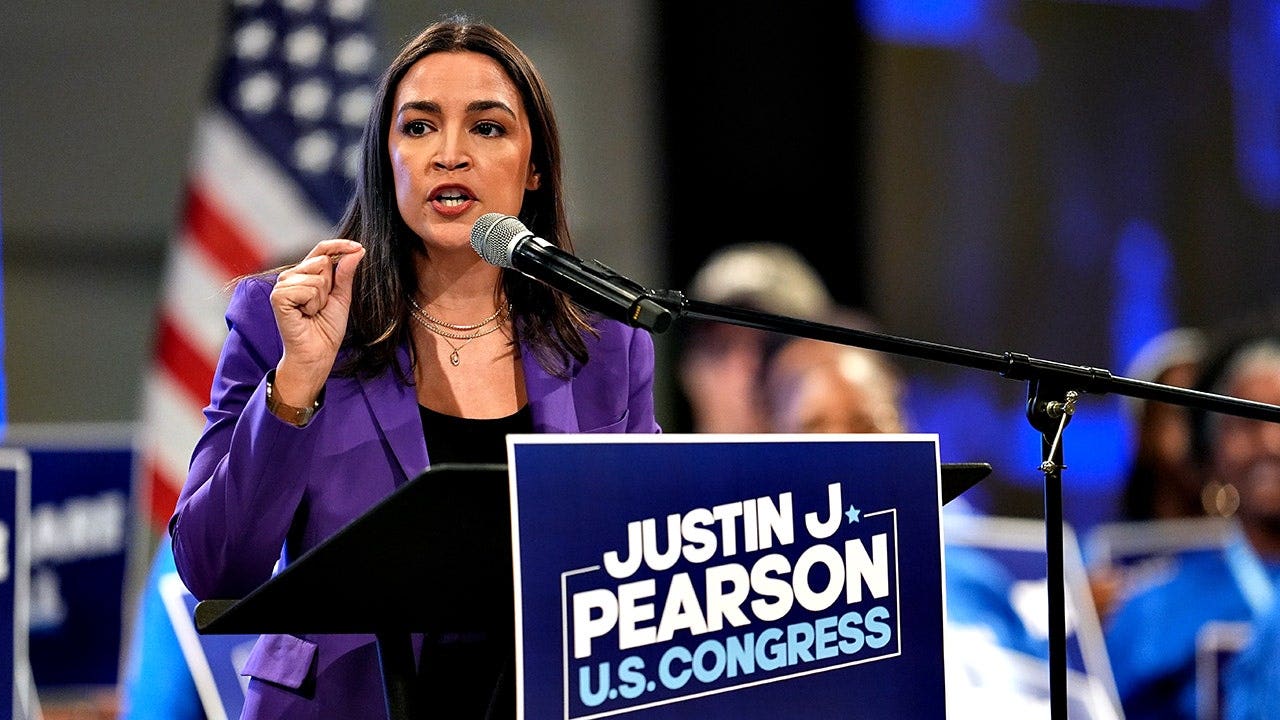
However, Rep. Alexandria Ocasio-Cortez presented a starkly different interpretation of Section 219. Ahead of the House vote, the New York Democrat took to X (formerly Twitter) to claim that the NDAA "includes a provision to merge parts of our military with the IDF." She further asserted, "This amendment is an existential threat to American sovereignty and democracy. Every member of Congress must vote NO." Her dramatic framing of the provision immediately triggered a wave of condemnation and rebuttal from various political figures, who argued that her characterization fundamentally distorted the legislation’s intent and scope.
AOC’s Stance and the Swift Backlash
Ocasio-Cortez’s assertion that the NDAA sought to "merge" the U.S. military with the Israel Defense Forces quickly became a flashpoint. Critics, primarily from the Republican Party and former Trump administration officials, argued that the language of Section 219 clearly indicated enhanced cooperation and integration, not an amalgamation of sovereign military forces. They emphasized that the U.S. routinely engages in similar, albeit varying in degree, defense cooperation agreements with numerous allies globally, including NATO members, South Korea, and Japan, without any implication of a "merger."
Lee Zeldin, formerly a Republican Congressman and now an Environmental Protection Agency Administrator, publicly denounced Ocasio-Cortez’s claim as "FALSE." In a strongly worded post on X, Zeldin accused her of misrepresenting the bill, writing, "Instead of merging the part of your brain that hates Jews with the part of your brain concocting your daily lies, you should try merging the part of your brain responsible for reading bill text with the part of your brain responsible for critical thinking." This aggressive retort highlighted the highly charged nature of the debate, often veering into personal attacks and accusations of antisemitism, a common occurrence in discussions involving Israel in U.S. politics.
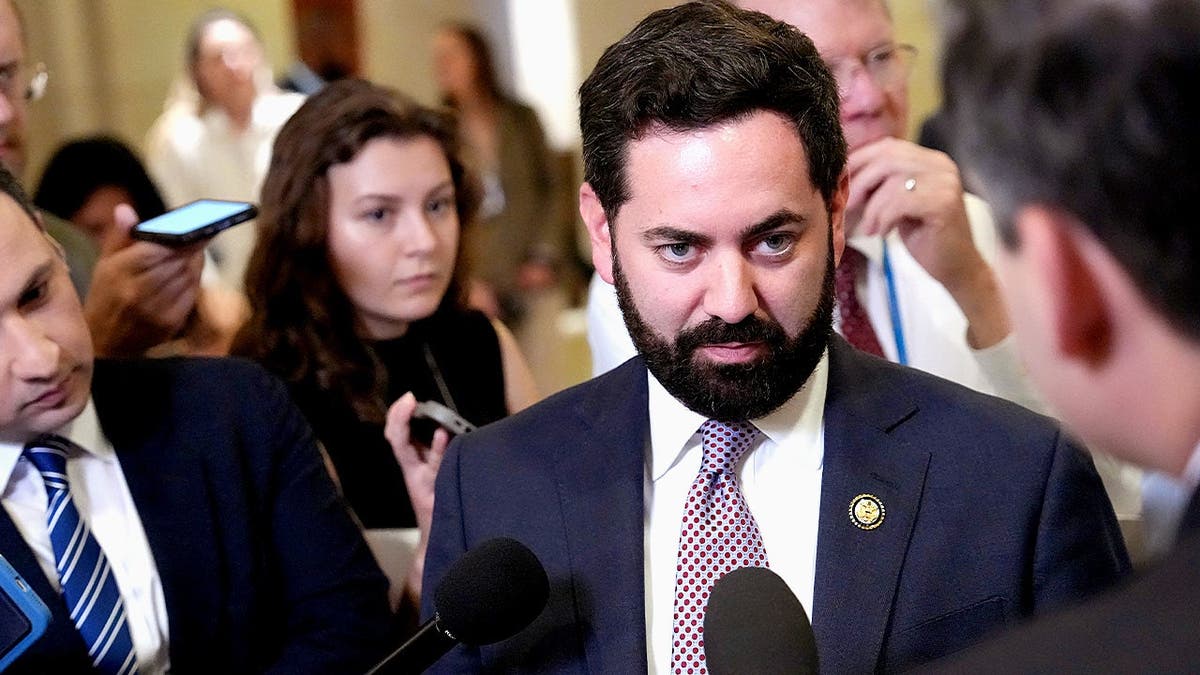
Similarly, Rep. Mike Lawler (R-N.Y.) blasted Ocasio-Cortez, urging her to "stop stoking Jew hatred." Lawler unequivocally stated, "Good grief, you are either obtuse or intentionally lying. We are not merging our military with the IDF." He elaborated that the provision merely expands the existing framework of defense cooperation that the United States maintains with its close allies. This framework typically includes intelligence sharing, joint military exercises, and collaborative weapons development programs, all designed to enhance collective security without compromising national sovereignty. The core argument from these critics was that Ocasio-Cortez was either misinformed about the standard practice of defense alliances or intentionally employing inflammatory rhetoric to galvanize opposition.
The NDAA: A Legislative Cornerstone and its Process
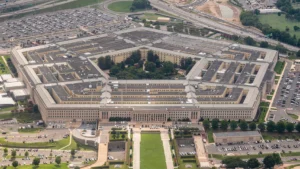
The National Defense Authorization Act is one of the most critical pieces of legislation Congress passes annually. It is a comprehensive bill that authorizes appropriations and sets policy for the Department of Defense (DOD), outlines military personnel policy, shapes procurement programs, and directs foreign military aid and cooperation. The NDAA process is typically a months-long endeavor, involving extensive committee work, hearings, and votes in both the House and Senate. Each chamber drafts its version, which then goes to a conference committee to reconcile differences before a final version is voted on and sent to the President.
Historically, the NDAA has enjoyed strong bipartisan support, reflecting a shared commitment to national security. However, in recent years, it has increasingly become a battleground for contentious policy debates, ranging from social issues within the military to the scope of U.S. foreign engagements and alliances. The FY2027 NDAA, with its provision for deeper U.S.-Israel defense integration, exemplifies this trend, showcasing how specific clauses can become lightning rods for broader ideological conflicts within Congress. The fact that the House passed its version of the bill with Section 219 intact, despite the significant internal and external pressure, indicates a prevailing consensus among the majority that the provision aligns with U.S. strategic interests.
A Deep-Rooted Alliance: Historical Context of U.S.-Israel Defense Ties
The strategic alliance between the United States and Israel is one of the most enduring and multifaceted partnerships in modern international relations, spanning over seven decades. This alliance is rooted in shared democratic values, mutual security interests in a volatile region, and significant geopolitical considerations. U.S. military aid to Israel, formalized through various agreements, has historically been substantial, primarily delivered through the Foreign Military Financing (FMF) program, which allows Israel to purchase U.S. defense equipment and services. This aid has been a cornerstone of Israel’s qualitative military edge (QME) in the Middle East, a policy commitment by the U.S. to ensure Israel’s military superiority over potential adversaries.
Beyond financial aid, the defense cooperation encompasses a wide array of activities. Intelligence sharing has been a critical component, providing both nations with vital information on regional threats and terrorist activities. Joint military exercises are regularly conducted, enhancing interoperability between the U.S. Armed Forces and the IDF, allowing them to train together for various contingencies. Collaborative weapons development programs have also been a hallmark of this partnership, notably exemplified by the Iron Dome missile defense system, which received significant U.S. funding and technological support. Other advanced systems, such as the Arrow and David’s Sling missile defense systems, also reflect this joint development effort.
The language of Section 219 — focusing on expanded cooperation in military technology, supply chains, research, artificial intelligence, cybersecurity, and joint exercises — is consistent with the historical trajectory of this alliance. It aims to formalize and deepen existing collaborative efforts rather than invent a new paradigm of military integration. For instance, supply chain integration could mean ensuring that critical components for defense systems are readily available to both nations, reducing vulnerabilities. Enhanced AI and cybersecurity cooperation reflect the evolving nature of modern warfare, where technological superiority and digital defense are paramount. From the perspective of those who support Section 219, these measures are not about merging militaries but about optimizing a strategic partnership to meet contemporary and future security challenges more effectively.
Dissent from Across the Aisle: Massie and Khanna’s Concerns
While Ocasio-Cortez’s framing of Section 219 as a "merger" drew the most headlines, other lawmakers also voiced strong opposition to the provision, albeit with different justifications. Rep. Thomas Massie (R-Ky.), a prominent libertarian voice in Congress known for his skepticism towards foreign aid and military interventions, sought to strip Section 219 from the legislation entirely. Massie introduced an amendment to remove the provision, but House leadership did not allow it to receive a vote on the floor. Following this procedural block, Massie announced his decision to oppose the entire defense bill.
"Unfortunately the Rule passed just now and no debate or vote was allowed on section 219, integration of US military technology and supply chains with Israel’s," Massie wrote on X. "The NDAA will receive a recorded vote tomorrow with section 219 in it. I’ll vote no." Massie’s opposition stems from a broader ideological stance against what he perceives as excessive foreign entanglements and an erosion of American sovereignty through deeply integrated alliances, regardless of the specific partner. His concerns typically revolve around fiscal responsibility and the potential for the U.S. to be drawn into conflicts that do not directly serve its immediate national interests.
Partnering with Massie on the amendment was Rep. Ro Khanna (D-Calif.), a progressive Democrat who shares some of Massie’s concerns about unchecked executive power and foreign policy overreach, despite their ideological differences on most domestic issues. Khanna also criticized House leadership for blocking a vote on their proposal, writing that Congress had prevented consideration of a measure to stop "the integration of our military with Israel’s." Khanna’s statement on X further expressed defiance: "It is unconscionable to not even have a vote. We will be continuing on and will not be intimidated by the pro-Israel lobby." Khanna’s reference to the "pro-Israel lobby" indicates a concern about the perceived influence of advocacy groups on U.S. foreign policy, a sentiment often echoed by the progressive wing of the Democratic Party. While both Massie and Khanna opposed Section 219, their arguments focused more on the implications of extensive defense integration and the legislative process itself, rather than Ocasio-Cortez’s "merger" claim. Their combined efforts, though unsuccessful in this instance, highlight a nascent, ideologically diverse coalition in Congress questioning the traditional contours of U.S. foreign policy.
Internal Democratic Divisions and U.S.-Middle East Tensions
The debate over Section 219 is emblematic of the widening chasm within the Democratic Party regarding U.S. policy towards Israel. For decades, support for Israel was largely bipartisan, a consensus that has begun to fray, particularly among the party’s progressive wing. Younger and more progressive Democrats, like Ocasio-Cortez and Khanna, have increasingly voiced criticism of Israel’s policies towards Palestinians, advocated for conditionality on U.S. aid, and called for a more balanced approach to the Israeli-Palestinian conflict. This stance often clashes with the more traditional, robust pro-Israel position held by centrist Democrats and party leadership.
House Minority Leader Hakeem Jeffries (D-N.Y.), for instance, has warned that attempts to cut aid to Israel or undermine the U.S.-Israel alliance could jeopardize U.S. national security by empowering militant groups such as Hamas and Hezbollah. This perspective reflects a long-standing strategic rationale within the Democratic Party that views Israel as a crucial security partner in a volatile region, vital for counterterrorism efforts and maintaining regional stability. The divide within the party creates significant challenges for Democratic leadership in uniting their caucus on foreign policy issues, especially as U.S.-Middle East tensions continue to rise.
The broader geopolitical context of increasing U.S.-Middle East tensions further complicates these internal debates. The ongoing conflict in Gaza, heightened regional instability involving Iran and its proxies, and the persistent challenges of terrorism all contribute to a heightened sense of urgency and scrutiny regarding U.S. engagement in the region. In this environment, any legislative provision affecting U.S.-Israel relations becomes magnified, drawing intense public and political attention. The arguments surrounding Section 219 thus reflect not only a specific policy dispute but also a deeper struggle over the future direction of U.S. foreign policy and the role America intends to play in the Middle East.
Broader Implications and Future Outlook
The controversy surrounding Section 219 of the NDAA for FY2027 carries significant implications for several key areas. Firstly, it underscores the escalating rhetorical battle in U.S. political discourse, where strong, sometimes exaggerated, language is deployed to frame policy debates. Ocasio-Cortez’s use of "merge" and "existential threat" triggered an equally strong reaction from critics, highlighting the difficulty of having nuanced discussions on complex foreign policy issues. This kind of rhetoric can inflame public opinion and deepen partisan divides, making consensus-building even more challenging.
Secondly, the debate signals potential future challenges for the U.S.-Israel alliance. While the alliance remains strong, the growing skepticism from a vocal segment of the Democratic Party suggests that traditional, unconditional support for Israel may face increasing legislative hurdles. This internal Democratic split could impact future aid packages, defense cooperation agreements, and U.S. diplomatic efforts in the region, particularly if the progressive wing gains more influence.
Thirdly, the episode reflects the broader legislative challenges facing Congress in passing critical defense legislation. The NDAA, typically a must-pass bill, is becoming a vehicle for increasingly divisive political battles. The blocking of amendments, such as Massie and Khanna’s, can lead to accusations of stifling democratic debate and further alienate segments of Congress, making the legislative process more arduous.
Finally, the controversy impacts public perception of U.S. foreign policy. When lawmakers engage in highly polarized debates over fundamental alliances, it can create confusion among the public about the nature and purpose of these relationships. The nuanced reality of defense cooperation can be lost amidst sensationalized claims, potentially eroding public trust in legislative processes and foreign policy decision-making. As the NDAA moves forward, likely to the Senate and then a conference committee, the arguments sparked by Section 219 will undoubtedly continue to resonate, shaping discussions on U.S. national security and its role on the global stage for years to come.