Former NFL Kicker Jay Feely Secures Arizona GOP Primary Win, Setting Stage for Unique General Election Battle Against Ex-Jets Doctor

Former NFL placekicker Jay Feely has successfully transitioned from the demanding fields of professional football to the rigorous arena of American politics, securing the Republican nomination for Arizona’s 6th Congressional District. This victory sets the stage for a fascinating general election contest against Democrat Dr. Amish Shah, who, in a striking twist, served as the team doctor for the New York Jets during Feely’s tenure with the franchise. The upcoming November election promises a unique narrative, pitting two individuals with shared professional pasts but starkly divergent political ideologies against each other for a crucial seat in the U.S. House of Representatives.
Feely’s Primary Victory and the Arizona Landscape
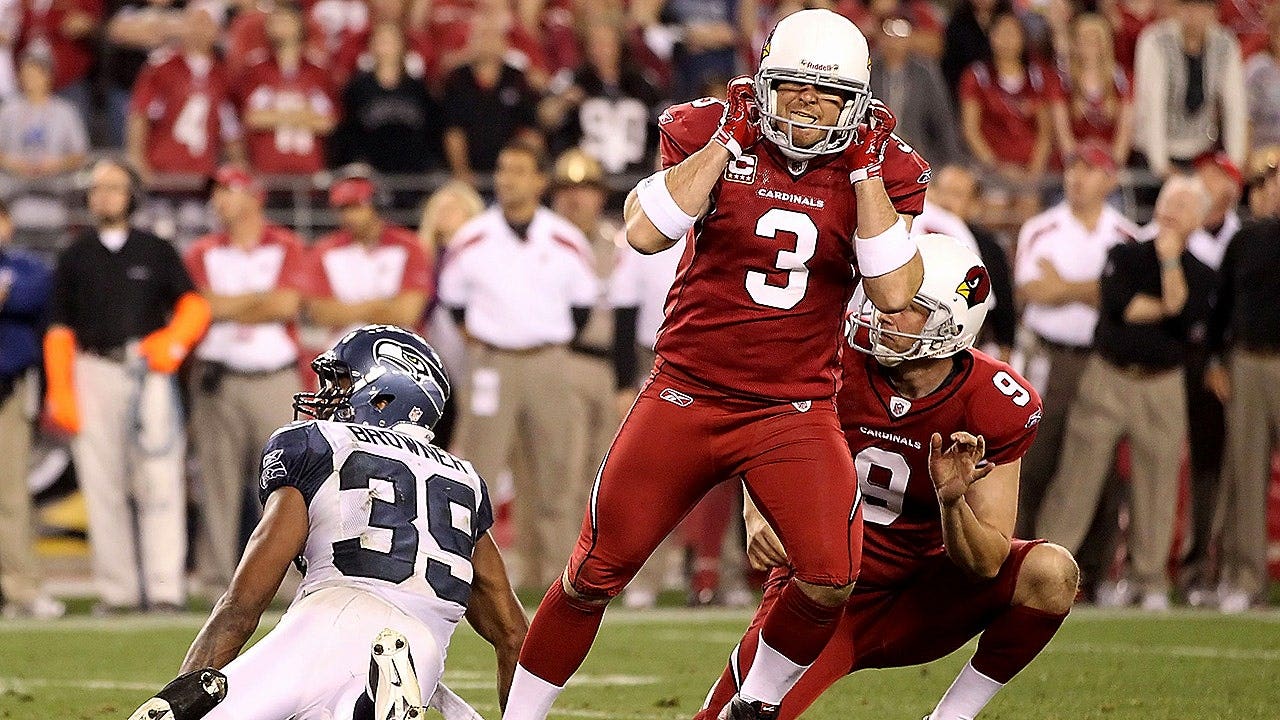
Feely’s win in the primary for Arizona’s 6th Congressional District marks a significant step in his burgeoning political career. The district, currently held by retiring Republican Rep. David Schweikert, is considered a highly competitive battleground, making it a critical focus for both national parties as they vie for control of the House. The Republican Party currently holds a razor-thin majority, underscoring the importance of every contested seat. Feely, known for his long and successful career in the NFL with teams like the New York Giants and Arizona Cardinals, campaigned on a platform emphasizing conservative principles. His opponent, Dr. Amish Shah, a former state legislator from Phoenix, brings a progressive agenda, including support for policies such as single-payer healthcare, advocating for the abolition of capitalism, and championing the Green New Deal – positions that Feely has openly criticized as fundamentally opposed to his own.
The primary results indicate Feely’s ability to mobilize Republican voters, leveraging his public recognition and conservative message. His campaign focused on issues like fiscal responsibility, individual liberty, and a strong national defense, resonating with a significant portion of the Arizona electorate. The general election will now serve as a stark ideological referendum, with Feely presenting a conservative vision against Shah’s more left-leaning platform. The district’s demographics and historical voting patterns suggest a closely watched race, with both candidates likely to draw considerable national attention and resources.
From Gridiron to Capitol Hill: Feely’s Perspective on Transferable Skills
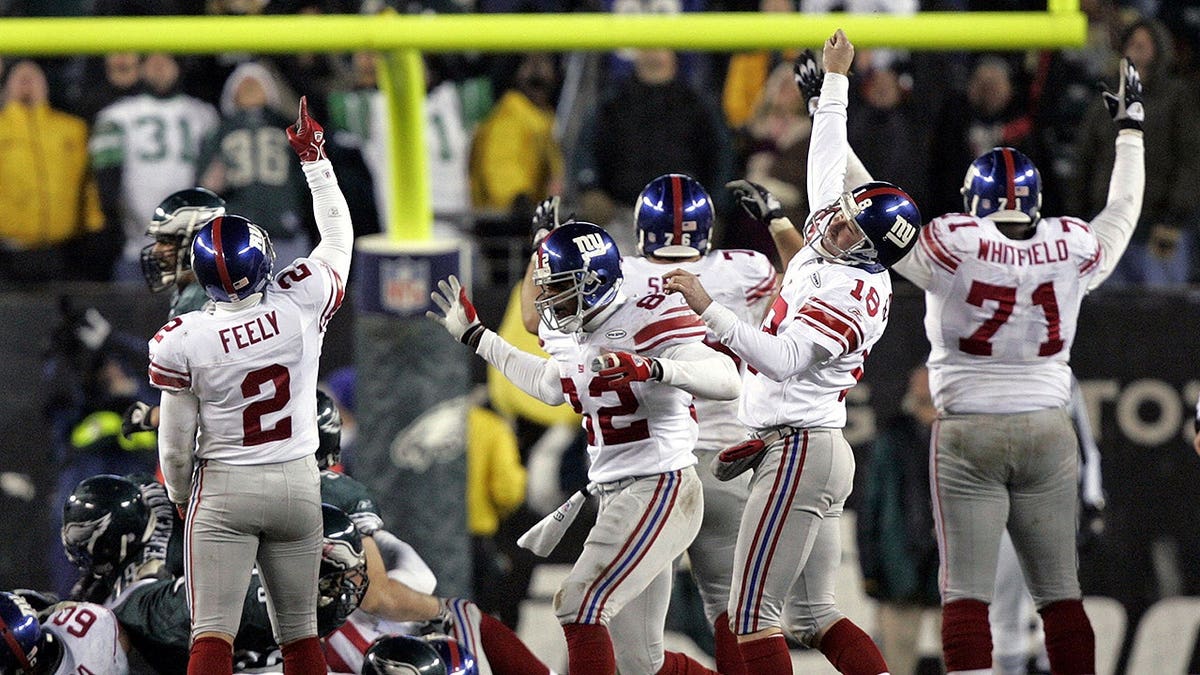
In an interview with Fox News Digital, Feely articulated how his extensive career in professional sports, particularly as a kicker, has uniquely prepared him for the pressures and demands of public life. "Especially as a kicker — to be a successful kicker in the NFL, you have to be able to handle pressure, and you have to be able to handle failure," Feely explained. "And I think those two attributes are very tangible attributes that will help you as you try to navigate the political field and try to be effective." The ability to perform under immense scrutiny, recover from setbacks, and maintain composure in high-stakes situations are indeed qualities highly valued in both professional athletics and political leadership.
Feely further highlighted the invaluable lessons learned from the diverse environments of NFL locker rooms. He described these spaces as crucibles where "racial walls were broken down and conversations happened and you got to know people which otherwise you might not ever get to know." He recalled instances of living and interacting with teammates from vastly different backgrounds and viewpoints, such as LeVar Arrington and Brandon Short during his time with the Giants. These experiences, he believes, fostered a deeper understanding of varied perspectives and the importance of representing a diverse constituency—a crucial skill for any elected official.
He recounted a particularly memorable experience at Lincoln Financial Field, home of the Philadelphia Eagles, immediately following what he described as the "worst game of [his] career" against the Seattle Seahawks. The night before, he had even been "spoofed" on "Saturday Night Live." During a critical game-winning kick attempt against the Eagles, after an apparent icing timeout, the stadium Jumbotron mockingly displayed a montage of his recent misses. Despite the deliberate psychological warfare from the opposing crowd, Feely successfully made the kick, extending his career for another nine years. "You learn a lot through those processes," he reflected, underscoring the resilience and mental fortitude demanded by professional sports, qualities he now views as essential for political leadership. This anecdote vividly illustrates his capacity to perform under extreme pressure and overcome public criticism, echoing the challenges faced by politicians daily.

A Growing Trend: Athletes in Public Service
Jay Feely is far from an anomaly. His foray into politics is part of a broader, enduring trend of professional athletes and coaches transitioning into public service. The skills honed in competitive sports—leadership, discipline, teamwork, strategic thinking, resilience, and the ability to perform under pressure and public scrutiny—are often cited as highly transferable to the political arena. Athletes also frequently possess high name recognition, a built-in fan base, and a public persona often associated with integrity and hard work, providing them with a significant advantage over lesser-known candidates.
Historically, the American political landscape has seen a steady stream of individuals who first achieved prominence in sports. These figures span various sports, political affiliations, and levels of government, demonstrating the universal appeal and perceived utility of an athletic background in public life. Their journeys often highlight a desire to continue serving their communities, albeit in a different capacity, drawing on the same drive and dedication that characterized their athletic careers.
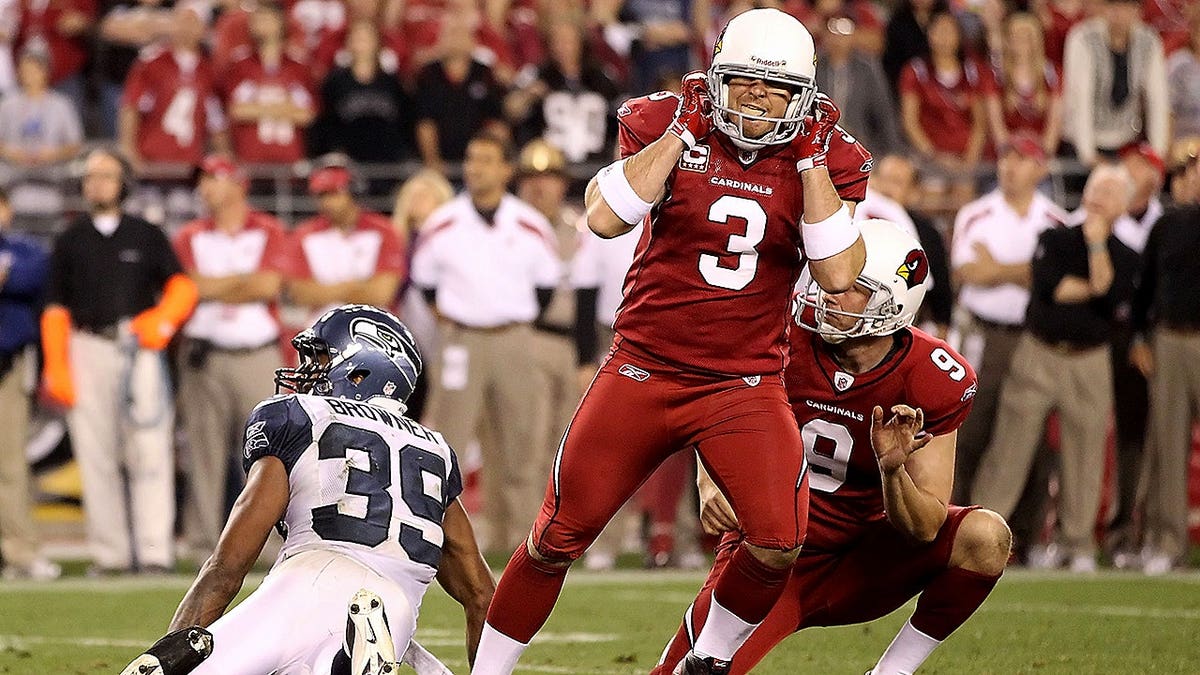
Notable Athlete-Politicians: A Historical Overview
The roster of athletes who have successfully navigated the transition to politics is impressive and diverse:
-
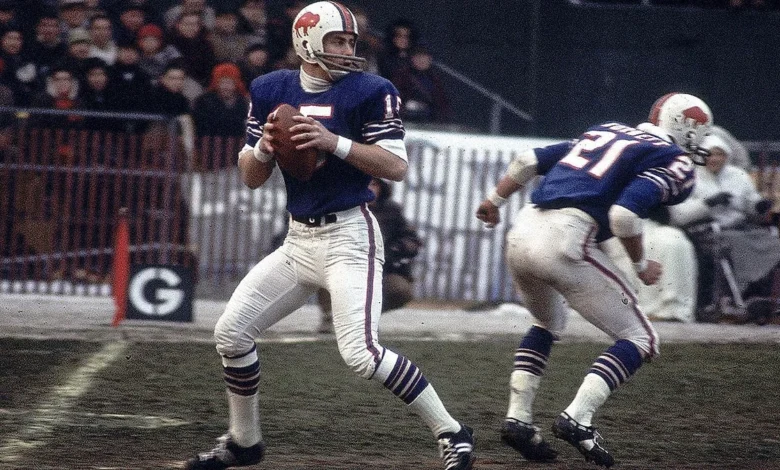
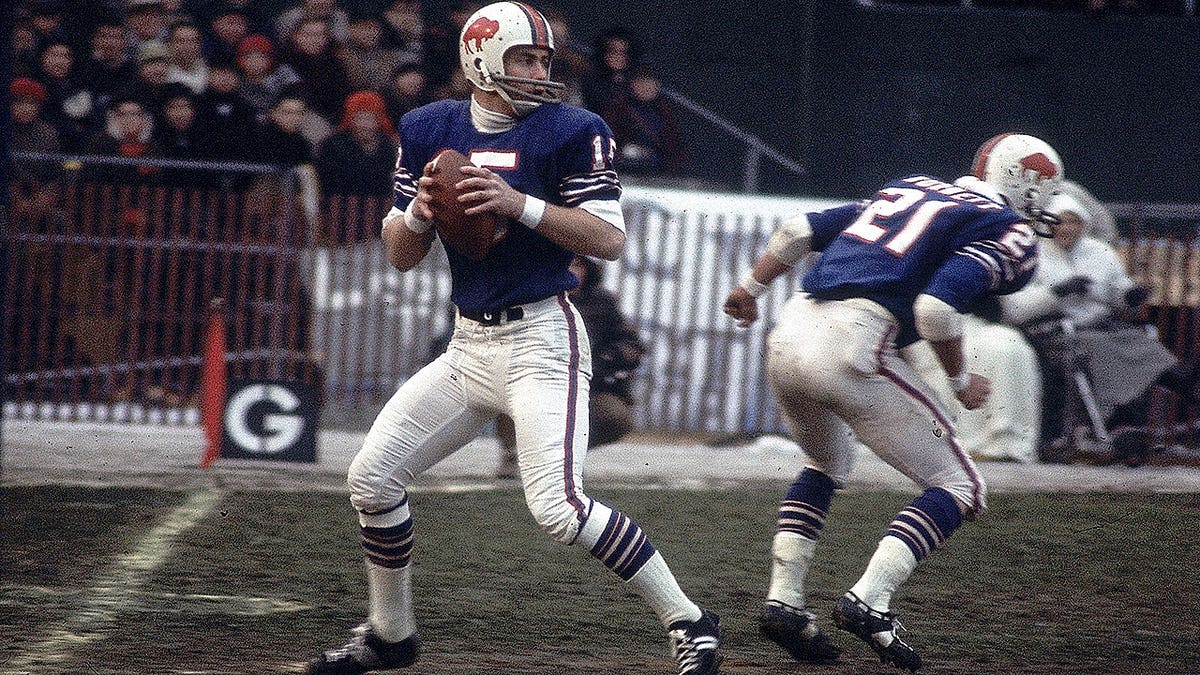
Jack Kemp (NFL Quarterback to HUD Secretary, Congressman, Vice Presidential Nominee): One of the most prominent examples, Kemp was a star quarterback for the Buffalo Bills, leading them to two AFL championships in the 1960s. After retiring from football, he served nine terms as a U.S. Representative for Western New York, becoming a leading voice for supply-side economics. He later served as Secretary of Housing and Urban Development under President George H.W. Bush and was Bob Dole’s running mate in the 1996 presidential election. NFL Commissioner Roger Goodell, whose father also served in Congress from Kemp’s district, lauded Kemp as an "extraordinary American leader." Kemp famously quipped that professional football gave him a "good perspective" for politics: "When I entered the political arena, I had already been booed, cheered, cut, sold, traded, and hung in effigy."
-
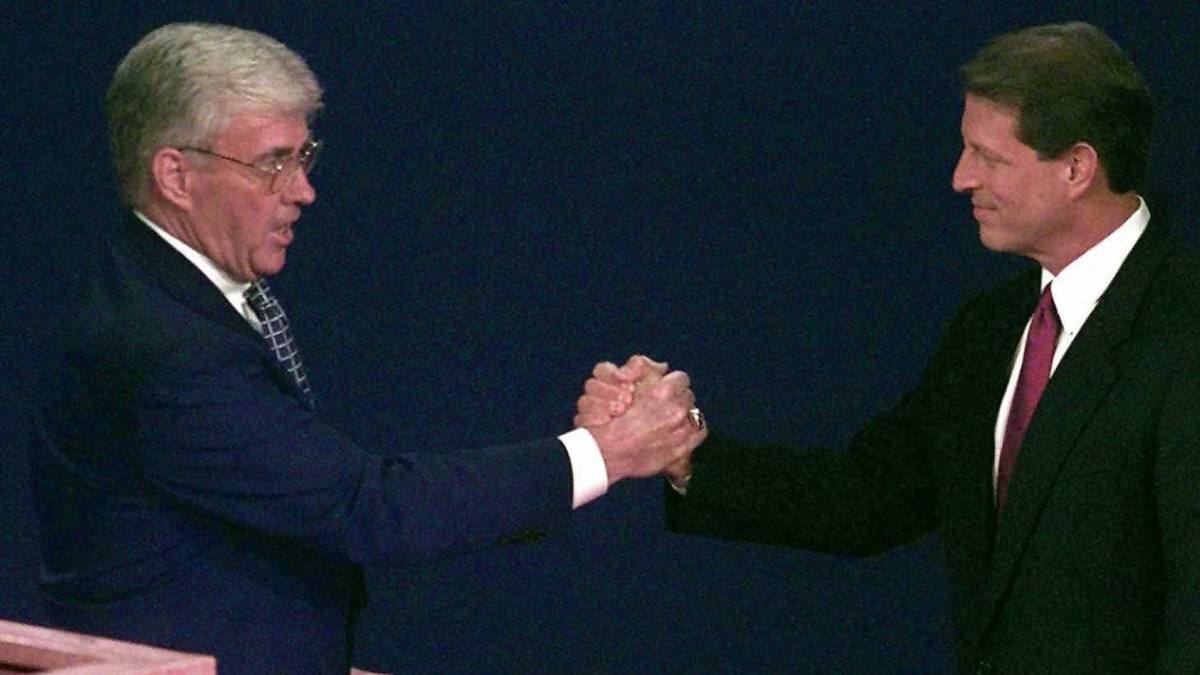
Bill Bradley (NBA Star to U.S. Senator, Presidential Candidate): A Rhodes Scholar and Olympic gold medalist, Bradley was a legendary forward for the New York Knicks, winning two NBA championships. His number 24 is retired by the Knicks. After his illustrious basketball career, he served three terms as a U.S. Senator for New Jersey as a Democrat from 1979 to 1997. He mounted an unsuccessful but significant presidential primary bid against Al Gore in 2000, campaigning on issues of campaign finance reform and universal healthcare. Bradley epitomized the intellectual athlete, seamlessly blending athletic prowess with profound policy engagement.
-
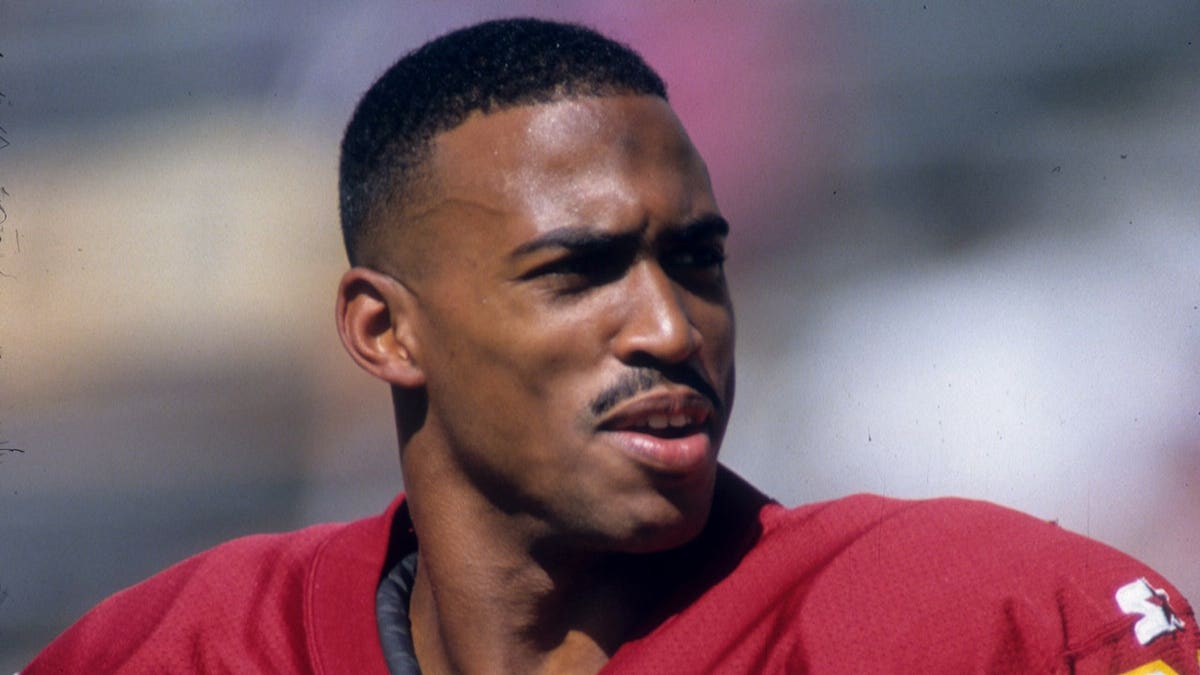
Scott Turner (NFL Cornerback to HUD Secretary, Texas State Representative): A former NFL cornerback for the Washington Redskins and San Diego Chargers, Turner transitioned into public service, serving in the Texas House of Representatives before being appointed Housing and Urban Development Secretary by President Donald Trump. Turner credits football with teaching him "discipline, teamwork, perseverance, humility, and working toward a mission bigger than yourself," values he applies to his public service.
-
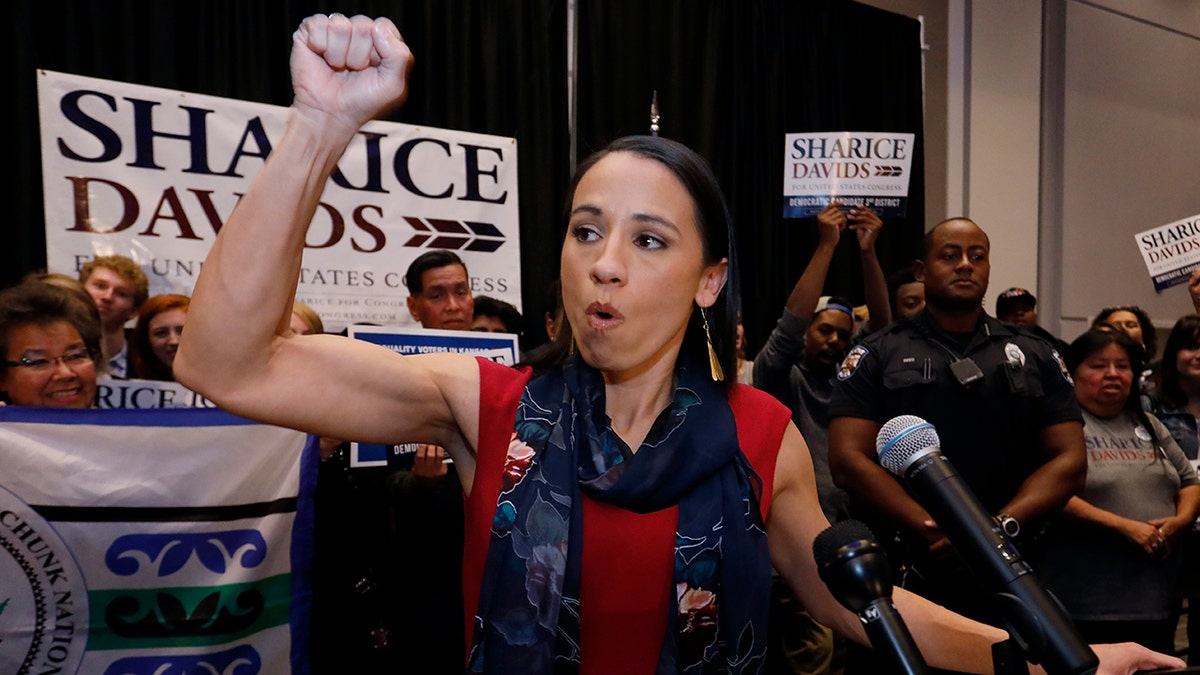
Sharice Davids (Mixed Martial Artist to U.S. Representative): A more contemporary example, Rep. Sharice Davids, a Democrat from Kansas, had a successful mixed martial arts career before entering politics. With a 5-1 amateur record and a brief professional stint, Davids understands the literal and figurative blows of competition. "Turns out getting punched in the face is pretty good preparation for Congress," she humorously remarked. She emphasizes that fighting taught her discipline, hard work, respect for opponents, and the importance of moving forward—lessons she applies to her legislative work. She made history in 2018 as one of the first two Native American women elected to Congress and the first openly lesbian Native American.
-
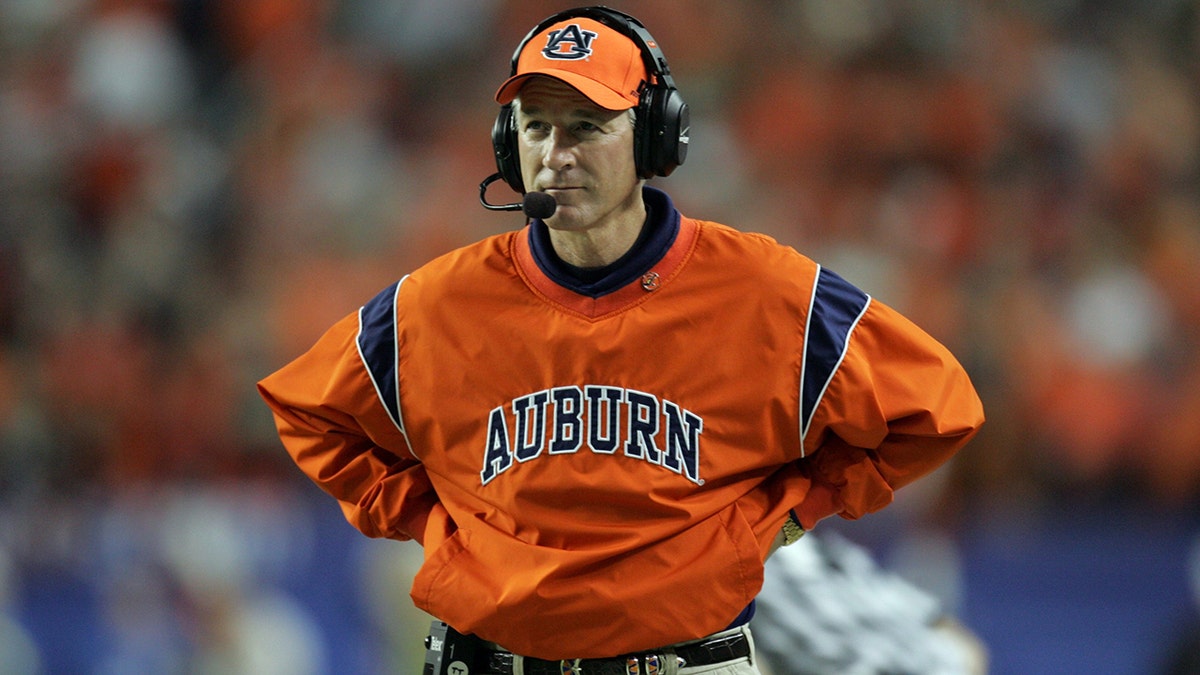
Tommy Tuberville (NCAA Football Coach to U.S. Senator): While not a professional player, Tuberville’s long and successful career as a college football head coach, notably with the Auburn Tigers, provided him with a platform for a political career. He was elected as a Republican U.S. Senator for Alabama in 2020. Tuberville frequently draws parallels between coaching a football team and leading a political campaign, emphasizing the importance of teamwork and strategic planning.
-
Jim Bunning (MLB Pitcher to U.S. Senator): A Hall of Fame pitcher for the Detroit Tigers and Philadelphia Phillies, Bunning pitched a perfect game and threw a no-hitter. After his baseball career, he served in the Kentucky State Senate, then as a U.S. Representative, and finally as a U.S. Senator for Kentucky from 1999 to 2011. His trajectory from the mound to Capitol Hill showcased remarkable longevity and success in two demanding fields.
-
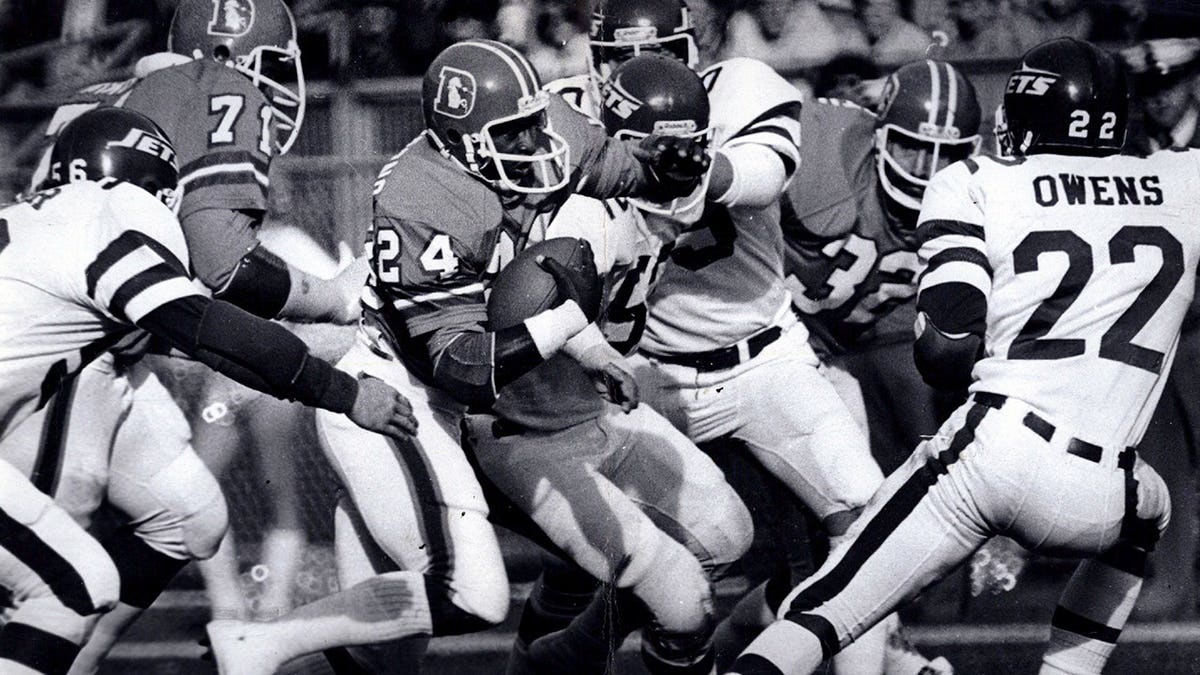
Burgess Owens (NFL Safety to U.S. Representative): A former safety for the New York Jets and Oakland Raiders, Rep. Burgess Owens, a Republican from Utah, has served in Congress, often drawing on his NFL experience to criticize the politicization of sports. He gained notoriety for boycotting NFL games over player protests, emphasizing respect for the flag and country.
-
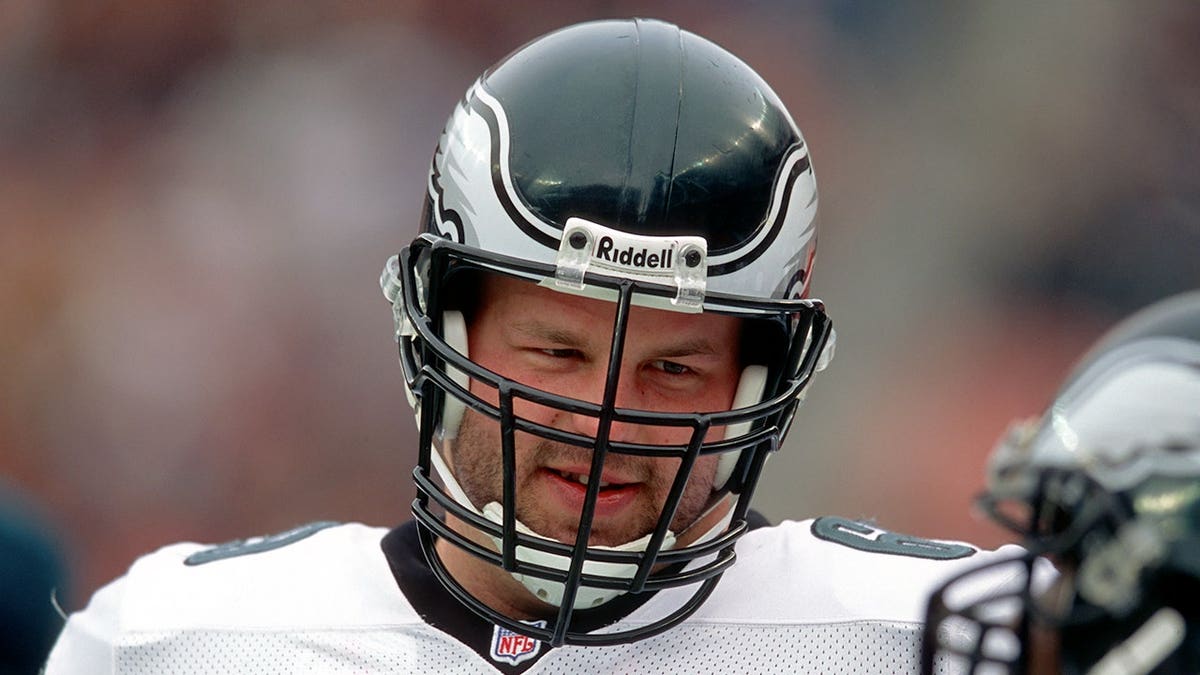
Jon Runyan Sr. (NFL Offensive Tackle to U.S. Representative): A longtime offensive tackle for the Philadelphia Eagles, Runyan Sr. successfully ran for Congress as a Republican, representing parts of South Jersey for two terms. His imposing physical presence and reputation for toughness on the field translated into a formidable political persona. He now works as a vice president of policy and rules for the NFL.
-
Heath Shuler (NFL Quarterback to U.S. Representative): A former first-round draft pick quarterback for the Washington Commanders, Shuler served as a Democratic U.S. Representative for North Carolina from 2007 to 2013, succeeding Republican Mark Meadows.
-
Colin Allred (NFL Linebacker to U.S. Representative/Senate Candidate): A former linebacker for the Tennessee Titans, Allred served in the U.S. House of Representatives for Texas until 2025. This cycle, he sought a U.S. Senate seat, highlighting his journey from the NFL to a career in law and public service.
-
Anthony Gonzalez (NFL Wide Receiver to U.S. Representative): A former wide receiver for the Indianapolis Colts, Gonzalez, an Indiana Republican, served in Congress but chose not to seek re-election in 2022, citing political fallout from his vote to impeach former President Donald Trump.
-
Steve Largent (NFL Hall of Fame Wide Receiver to U.S. Representative): An NFL Hall of Famer for the Seattle Seahawks, Largent served as a Republican U.S. Representative for Oklahoma for seven terms, from 1994 to 2002. He was known for his conservative stance and strong work ethic, mirroring his illustrious playing career.
-
Tom Osborne (NCAA Football Coach/brief NFL Player to U.S. Representative): The legendary head coach of the Nebraska Cornhuskers, who briefly played for the Washington Redskins, served three terms as a Republican U.S. Representative for Nebraska in the early 2000s.
-
Adam Wyant (Early NFL Player to U.S. Representative): An early professional football player in the 1890s for the Greensburg Athletic Association, Wyant later represented Pennsylvania in Congress as a Republican.
-
Laverne Dilweg (Early Green Bay Packer to U.S. Representative): An early star for the Green Bay Packers, Dilweg served as a Democratic U.S. Representative for Wisconsin in the 1920s and 30s.
-
Mo Udall (NBA Player to U.S. Representative): A former professional basketball player for the Denver Nuggets, Udall served three decades as a Democratic U.S. Representative for Arizona, becoming a highly respected figure in Congress and a presidential candidate in 1976.
-
Bob Mathias (Olympic Gold Medalist Decathlete to U.S. Representative): A two-time Olympic gold medalist in the decathlon (1948, 1952), Mathias represented California as a Republican in Congress for nearly a decade starting in 1967.
The Appeal and Challenges of Athlete-Candidates
The enduring appeal of athlete-candidates often stems from several factors. Their public recognition grants them an immediate advantage in fundraising and visibility. Voters often associate athletes with admirable qualities such as dedication, resilience, competitive spirit, and the ability to work within a team structure—qualities seen as beneficial for effective governance. Their careers often demand intense focus, strategic planning, and performance under immense public pressure, mirroring the demands of political office.
However, the transition is not without its challenges. Critics sometimes question whether athletic success translates into policy expertise or a deep understanding of complex legislative issues. Athlete-politicians may face scrutiny over their policy positions or perceived lack of experience in traditional political roles. Despite these challenges, many have demonstrated a strong capacity for learning, adapting, and contributing meaningfully to public discourse and policy-making. Their ability to connect with a broad base of constituents, often transcending traditional political divides, can be a significant asset.
Looking Ahead: The AZ-06 General Election and Beyond
The general election in Arizona’s 6th Congressional District between Jay Feely and Dr. Amish Shah is poised to be one of the most compelling races of the cycle. Beyond the personal connection of their shared past with the New York Jets, the election represents a microcosm of the larger ideological battles gripping American politics. Feely’s conservative platform, rooted in his experiences and values, will clash directly with Shah’s progressive vision.
Feely’s journey from a clutch NFL kicker to a congressional nominee underscores the evolving landscape of American politics, where diverse professional backgrounds are increasingly seen as assets rather than liabilities. The ability to handle pressure, manage failure, and engage with diverse viewpoints, as Feely articulated, are indeed universal skills that resonate with voters seeking effective and representative leadership. As the campaign progresses, the Arizona 6th District will not only decide a critical House seat but also offer another chapter in the fascinating narrative of athletes stepping into the political fray, demonstrating that the pursuit of excellence and public service can take many forms.