Daily Peanut Consumption Improves Brain Insulin Response and Cognitive Function in Older Adults, New Study Reveals

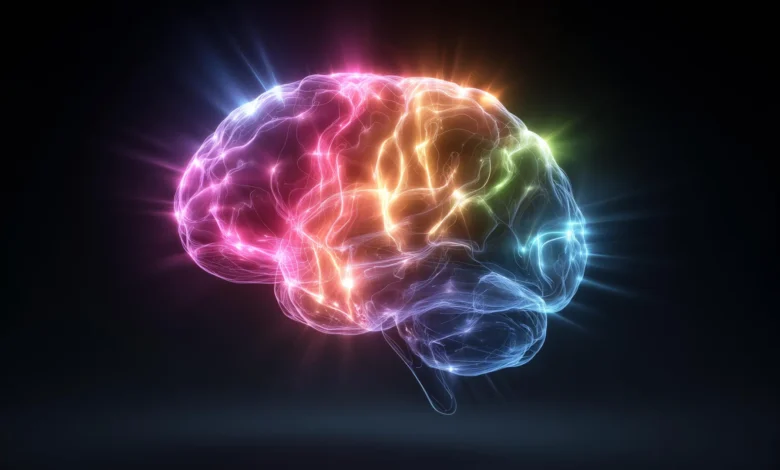
In the ongoing quest to understand how everyday dietary habits influence cognitive aging, recent scientific findings point to a surprisingly simple and accessible dietary addition: the humble peanut. Researchers at Maastricht University Medical Center in the Netherlands have uncovered compelling evidence that regularly consuming unsalted, skin-roasted peanuts can significantly enhance how specific regions of the aging brain respond to insulin. Published in the peer-reviewed journal Food & Function, the study sheds new light on the intersection between nutrition, metabolic regulation, and neurological health in older populations.
The research, conducted by the Institute of Nutrition and Translational Research in Metabolism (NUTRIM), opens up promising avenues for non-pharmacological interventions aimed at combating age-related cognitive decline. As global populations age, finding scalable, cost-effective methods to preserve neurological health remains a paramount public health priority. This investigation not only highlights the systemic benefits of nuts but also specifies the neurological mechanisms through which these benefits may manifest.
Understanding the Neurological Role of Insulin
While insulin is predominantly recognized for its vital role in managing blood glucose levels and metabolic energy storage throughout the body, its functions within the central nervous system are equally critical. Historically, the brain was considered largely insulin-independent. However, modern neurobiology has revealed that insulin receptors are densely populated in brain regions crucial for higher-order functioning, particularly the hippocampus and surrounding temporal structures associated with memory formation and retrieval.
Within the brain, insulin acts as a neuroregulatory peptide. It facilitates the growth, survival, and functional communication of nerve cells, a process known as synaptic plasticity. Furthermore, healthy insulin signaling supports cerebral glucose metabolism, which fuels demanding cognitive tasks. Conversely, disruptions in brain insulin signaling—often referred to as central insulin resistance—have been increasingly implicated in cognitive impairment and the pathological processes underlying neurodegenerative conditions, including Alzheimer’s disease.
As individuals age, the brain’s responsiveness to insulin naturally diminishes, mirroring the systemic insulin resistance frequently observed in peripheral tissues. This central resistance can impair memory consolidation and accelerate cognitive aging. Consequently, identifying dietary components that can restore or enhance cerebral insulin sensitivity is a primary objective for nutritional neuroscientists.
Clinical Methodology and Study Design
To investigate whether daily peanut intake could positively influence this crucial biological pathway, researchers designed a rigorous, randomized, controlled crossover trial. The study enrolled 31 healthy older adults ranging in age from 60 to 75 years, a demographic particularly relevant for studying age-related cognitive shifts.
The trial incorporated a crossover design, meaning that all participants cycled through two distinct experimental phases: a period of daily peanut consumption and a control period where peanuts were strictly avoided. During the active intervention phase, participants consumed 60 grams—approximately two standard servings—of unsalted, skin-roasted peanuts each day for 16 weeks. To ensure strict adherence and consistency across the cohort, researchers supplied premeasured packets of peanuts throughout the intervention window. Participants retained flexibility regarding how they integrated the portions into their daily routines, consuming them all at once or distributing them across meals in the morning or afternoon.
The methodological rigor of the trial was enhanced by advanced neuroimaging and metabolic assessment techniques. To evaluate changes in regional brain function and blood flow, the research team utilized arterial spin labeling magnetic resonance imaging (ASL-MRI). Crucially, brain insulin responsiveness was quantified by tracking alterations in regional cerebral blood flow following the intranasal administration of insulin—a method that delivers the hormone directly to the central nervous system without significantly altering peripheral blood sugar levels.
Additionally, abdominal MRI scans were performed to measure internal fat accumulation, specifically intrahepatic lipid (IHL) content, ensuring researchers could monitor broader metabolic indicators alongside neurological endpoints. Cognitive performance was systematically evaluated using the Cambridge Neuropsychological Test Automated Battery (CANTAB), a widely validated, computerized suite of neuropsychological tests designed to measure specific cognitive domains.
Key Findings: Enhanced Insulin Responsiveness and Memory
Upon the conclusion of the 16-week intervention period, the data revealed statistically significant improvements in brain function among the participants. Researchers observed enhanced insulin responsiveness within a distinct cluster of brain regions located in the right hemisphere.
Specifically, these regions included portions of the lingual gyrus, the hippocampus, the parahippocampal gyrus, and the posterior cingulate gyrus. Each of these anatomical structures plays a foundational role in human cognition, particularly in visual processing, spatial orientation, and the encoding and retrieval of declarative memories. The targeted enhancement of insulin sensitivity in these specific memory-processing nodes suggests that the dietary intervention successfully acted upon the precise neural networks most vulnerable to cognitive aging.
These latest findings directly complement a parallel investigation published earlier by the same research group in the journal Clinical Nutrition. In that preceding 2025 study, Dr. Peter J. Joris and his colleagues demonstrated that the exact same 16-week peanut intervention led to a 3.6% overall increase in cerebral blood flow (CBF) and a corresponding 5.8% improvement in verbal memory performance.
Cerebral blood flow is a critical metric of cerebrovascular health, representing the volume of blood circulating through brain tissue per unit of time. Adequate CBF ensures a continuous supply of oxygen and glucose, which are non-negotiable for neuronal survival and efficient signal transmission. By linking improved vascular health with heightened insulin responsiveness, the Maastricht University team has constructed a more comprehensive picture of how regular peanut consumption supports brain vitality.
Nutritional Mechanisms at Play
Rather than attributing these neurological benefits to a single isolated nutrient, nutrition scientists emphasize the complex matrix of bioactive compounds found within whole peanuts. The synergistic interaction of multiple components is believed to drive the observed physiological responses.
"Multiple nutrients present in peanuts, including unsaturated fats, dietary fiber, vitamins and minerals and bioactive phytochemicals, could potentially contribute to the observed brain benefits," explained Dr. Peter Joris, senior author of the study and associate professor in the Department of Nutrition and Movement Sciences at NUTRIM, Maastricht University Medical Center.
Furthermore, Dr. Joris highlighted the specific biochemical profile of peanuts, noting that they serve as an excellent source of plant-based protein and are particularly rich in the amino acid L-arginine. In human physiology, L-arginine acts as a direct precursor to nitric oxide (NO), a powerful signaling molecule that induces vasodilation—the widening of blood vessels. Enhanced nitric oxide production improves vascular elasticity, increases cerebral blood flow, and has been extensively documented in scientific literature to facilitate learning and memory performance by optimizing the microenvironment of neural tissues.
Context, Chronology, and Previous Milestones
The publication in Food & Function represents the culmination of years of targeted nutritional research at Maastricht University Medical Center. The institutional focus on metabolic and translational medicine provided an ideal environment for merging dietary trials with advanced neuroimaging.
The trajectory of this research initiative began with preliminary epidemiological observations suggesting that frequent nut consumption correlates inversely with cognitive decline in older cohorts. To move from correlation to causation, Dr. Joris and principal investigator Lucia Kerkhof, a Ph.D. candidate in the Department of Nutrition and Movement Sciences, structured a controlled intervention that could isolate the specific neurological impacts of peanuts from confounding lifestyle variables.
The initial phase of data collection, focusing on macro-level cerebral blood flow and verbal memory metrics, laid the groundwork for the more granular, insulin-specific imaging analysis recently published. By sequentially examining vascular changes, cognitive test scores, and central nervous system insulin signaling, the research team has systematically addressed the multi-factorial nature of brain aging.
Official Responses and Independent Oversight
The integrity of clinical nutritional research relies heavily on transparent methodologies and independence from commercial bias. The study was conducted entirely by academic researchers at Maastricht University Medical Center, under the leadership of Dr. Peter J. Joris and Lucia Kerkhof.
Financial support for the trial was provided by The Peanut Institute Foundation. However, to maintain absolute scientific objectivity, the funding body operated under strict firewalls. According to the research team, the foundation had no role or influence whatsoever in the design of the study, the execution of the clinical trial, the collection and statistical analysis of data, the interpretation of the results, or the drafting and final approval of the manuscript. This strict separation ensures that the findings reflect unbiased scientific inquiry rather than commercial objectives.
Broader Implications and Public Health Impact
As global demographics shift toward an increasingly aging population, the prevalence of age-related cognitive impairment and neurodegenerative disorders is projected to rise significantly. Traditional pharmacological treatments for conditions like Alzheimer’s disease and mild cognitive impairment remain limited in their ability to reverse established neurological damage, placing a premium on preventative lifestyle medicine.
The implications of the Maastricht University study extend far beyond the physiological properties of peanuts; they highlight the profound potential of accessible, food-based interventions in neurology. Incorporating a modest, nutrient-dense food item into the daily diets of older adults represents a low-risk, highly scalable strategy that can be easily integrated into existing public health recommendations.
While the current study focused on a specific cohort of 31 healthy adults aged 60 to 75, the consistency of the findings—bridging vascular improvements, metabolic sensitivity, and cognitive performance—provides a strong rationale for larger, long-term epidemiological and clinical trials. Future research will likely investigate whether these neuroprotective benefits extend to populations already exhibiting signs of mild cognitive impairment or peripheral metabolic disorders such as type 2 diabetes.
For older adults seeking proactive ways to support their cognitive longevity, the science increasingly suggests that small, consistent dietary adjustments can yield meaningful neurological returns. By fostering healthier blood flow and restoring insulin sensitivity in memory-critical brain regions, a simple daily serving of unsalted, skin-roasted peanuts offers a scientifically validated step toward preserving cognitive health in later life.
Related posts: