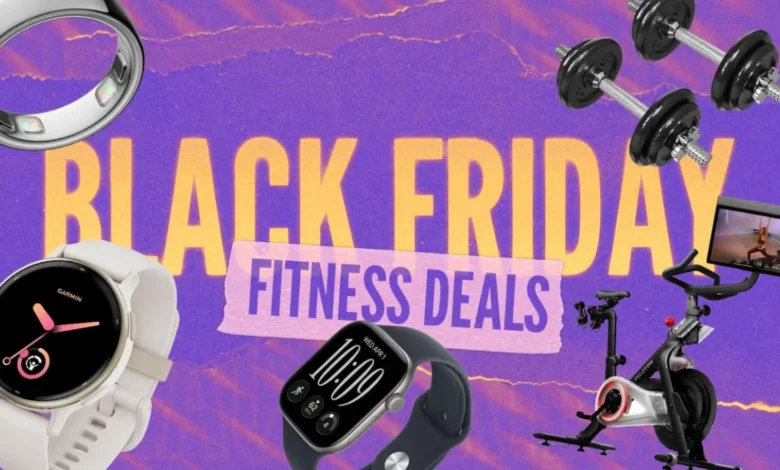
The annual consumer retail phenomenon known as Black Friday has evolved significantly, shifting from a single day of post-Thanksgiving doorbusters into a protracted month-long season of aggressive discounting. As of November 19, 2026, the retail landscape is currently defined by an early wave of promotions targeting the high-growth sector of wearable technology. Consumers seeking to upgrade their health monitoring hardware—ranging from smart rings and minimalist bands to high-performance multisport watches—are currently seeing significant price compression across major manufacturers including Apple, Garmin, Oura, and Whoop. This shift, driven by retailers’ desire to capture holiday market share early and alleviate logistics bottlenecks, provides a strategic window for consumers to secure hardware at or near record-low pricing before the official November 27 Black Friday kickoff.
The Evolution of the Wearable Tech Market
The current surge in fitness-focused hardware sales reflects a broader shift in consumer behavior toward holistic health tracking. Data from the wearable industry indicates that the average consumer is increasingly prioritizing long-term health metrics, such as heart rate variability (HRV), sleep architecture, and blood oxygen saturation, over basic step counting. This transition has spurred a bifurcated market: one side focusing on the "smartwatch as an extension of the phone," led by companies like Apple and Samsung, and the other focusing on the "specialized health monitor," occupied by Oura, Whoop, and Garmin.
Industry analysts suggest that the 2026 holiday season is critical for these manufacturers. With the integration of advanced artificial intelligence—such as the generative AI features found in the CMF by Nothing Watch 3 Pro—the value proposition for smartwatches has moved beyond simple notifications to predictive health coaching. Consequently, retailers are using these deep discounts not only to clear inventory but to establish ecosystem lock-in for the year ahead.
Chronology of the 2026 Sales Season
While Black Friday officially falls on November 27, 2026, the promotional cycle began in earnest during the first week of November. Following the "early bird" phase that occurred during the second week of the month, retailers entered the current "mid-season" phase on November 19. This period is characterized by the stabilization of pricing, where retailers attempt to match their competitors to ensure they are not undercut during the final countdown to Cyber Monday on November 30.
The current pricing structure suggests a tiered approach:
- Flagship Models: Prices for premium devices like the Apple Watch Series 12 have dropped to approximately $329, a $70 reduction from the manufacturer’s suggested retail price (MSRP).
- Entry-Level/Budget Models: Devices like the CMF Watch 3 Pro have seen price slashes of nearly 45%, moving from $99 to $55, signaling a push to capture the budget-conscious demographic.
- Subscription-Based Hardware: Wearables that rely on recurring revenue models, such as the Oura Ring and Whoop, are utilizing hardware discounts to lower the barrier to entry, betting on long-term subscription loyalty.
Key Product Highlights and Pricing Analysis
The Oura Ring 5 currently stands out as a focal point of this year’s early sales. Priced at $299 for the standard black and silver finishes—a $100 discount—the device represents a significant value proposition for users who prioritize sleep and recovery tracking without the visual bulk of a traditional watch. For those seeking a legacy option, the Oura Ring 4 remains available at a further discounted rate of $249, providing a viable alternative for price-sensitive consumers who do not require the latest hardware iterations.
Whoop has similarly adjusted its pricing model for the holiday season. The "Peak" membership, which provides the necessary hardware and service, is currently priced at $199. This move is particularly notable given Whoop’s strict reliance on the subscription-only model. By discounting the upfront cost of the service, the company is positioning itself to compete more directly with hardware-first companies like Garmin, which do not typically require ongoing fees for basic app functionality.

In the smartwatch segment, the Apple Watch Series 12 has emerged as the headline item. The integration of the S11 chip marks a generational leap in processing capability, which, according to tech reviewers, justifies the upgrade for users still utilizing Series 7 or Series 8 models. At $329, the device is positioned in the "mid-range premium" category, successfully undercutting the $400 threshold that often triggers hesitation among casual buyers.
Strategic Considerations for Consumers
Market experts advise that while the current discounts are substantial, consumers should exercise caution. The "deal" label is often applied liberally during the Black Friday window. To ensure value, experts suggest the following strategies:
- Inventory Verification: Always ensure the model being discounted is the current year’s release. Retailers frequently use Black Friday as a mechanism to offload last-generation hardware under the guise of "massive savings."
- Total Cost of Ownership: For devices like the Oura Ring or Whoop, the hardware price is only one component. The recurring subscription fee must be factored into the multi-year cost of the device. A $100 saving on hardware is negligible if the subscription fee exceeds the value provided over a 24-month period.
- Cross-Platform Compatibility: Before purchasing a fitness tracker, consumers must verify compatibility with their existing smartphone ecosystem. While some devices are platform-agnostic, others, such as the Apple Watch, are exclusively designed to operate within the Apple ecosystem, limiting their utility for Android users.
Broader Implications and Industry Outlook
The aggressive pricing of fitness wearables in 2026 suggests that the market is reaching a point of saturation. As device capabilities begin to plateau—with most modern trackers now offering standard features like ECG, GPS, and SpO2 monitoring—manufacturers are being forced to compete on price and subscription value.
From an economic perspective, these discounts serve as a primary indicator of consumer sentiment. If holiday sales for these high-end wearables remain strong, it suggests that despite macroeconomic pressures, consumers remain willing to invest in health and wellness technology. However, if retailers are forced to offer deeper "fire-sale" discounts as November 30 approaches, it may signal a tightening of discretionary spending power among the middle class.
The involvement of major tech conglomerates, including Google and Apple, in these sales indicates a move toward "ecosystem density." By placing more devices on wrists and fingers, these companies are gathering unprecedented amounts of health data, which will likely inform the next generation of predictive health AI.
As the calendar moves toward November 27, consumers should expect further volatility in pricing. While the deals available on November 19 are competitive, the final days of the shopping event may see "lightning deals" on specific colors or configurations as retailers attempt to reach their end-of-year sales quotas. The most prudent approach remains the identification of specific health goals—whether it be marathon training, sleep optimization, or general activity tracking—and the purchase of the device that most directly supports those objectives, rather than the device with the largest percentage discount.
Ultimately, the 2026 Black Friday season is reinforcing the status of the wearable as a staple of modern consumer life. As these devices continue to drop in price and increase in capability, they are effectively transitioning from luxury "nice-to-haves" to essential tools for personal health management, reflecting a permanent shift in how the average consumer monitors their well-being in the digital age.