The Origins and Social Media Proliferation
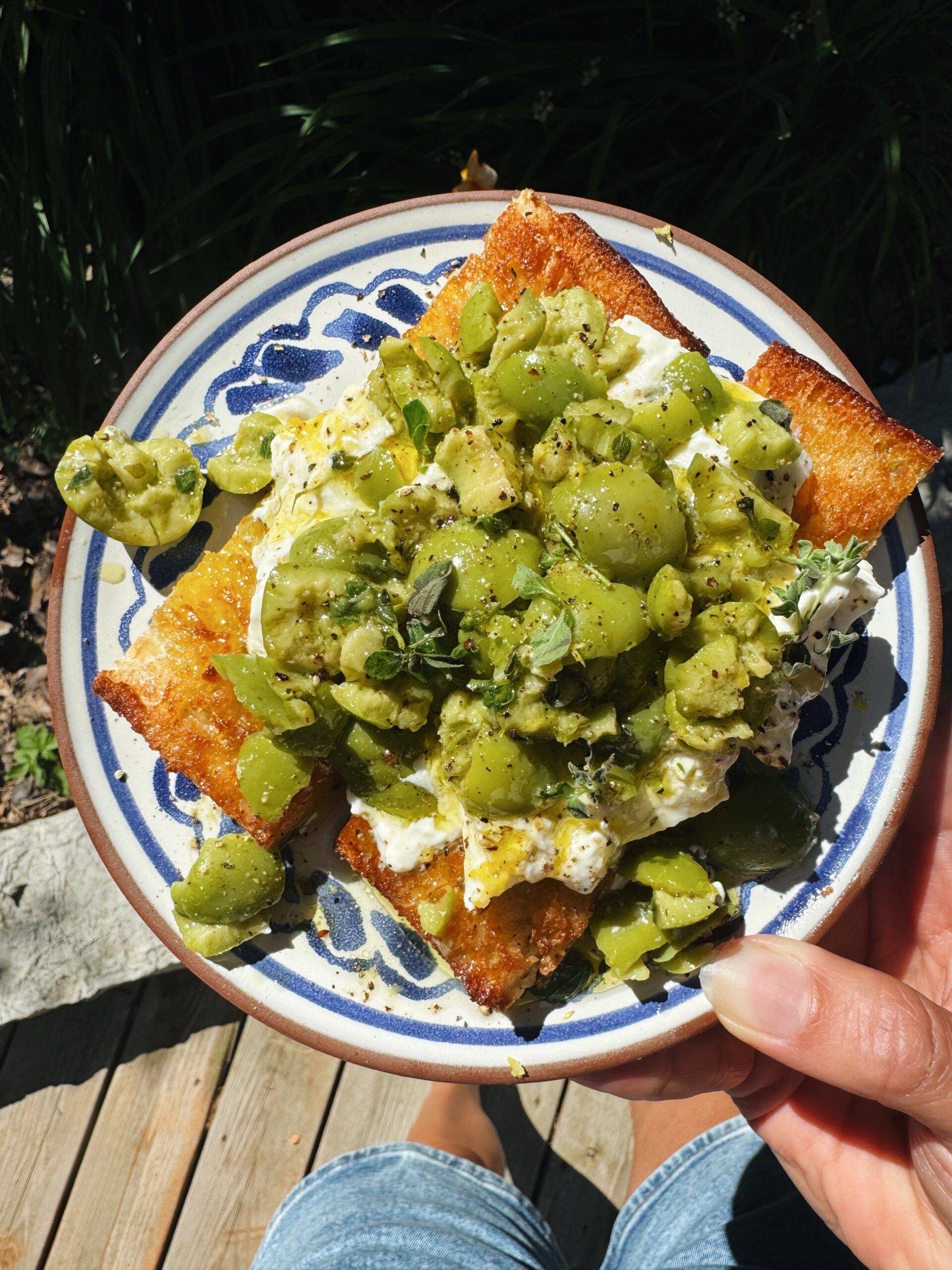
The rise of the Smashed Olives with Burrata combination can be traced to recent viral content disseminated via social media platforms, specifically Instagram. Culinary influencers, such as the account known as "Cheese Gal," have played a pivotal role in the dish’s rapid ascent. By showcasing the visual appeal of the vibrant green olives against the stark white creaminess of the burrata, these creators have transformed a traditional Mediterranean snack into an aesthetic experience.
This trend mirrors a broader pattern in the digital age, where visual food media dictates consumer preferences and home cooking habits. Unlike complex professional recipes that require specialized equipment, this dish relies on the quality of raw ingredients and the technique of "smashing" the olives to release their essential oils and juices. The simplicity of the assembly has allowed for rapid adoption, with home cooks frequently modifying the base recipe to suit regional ingredient availability, such as swapping basil for oregano or incorporating different varieties of citrus zest.
The Culinary Composition and Methodology
At its core, the dish relies on the specific profile of Castelvetrano olives. These olives, harvested in the Belice Valley of Sicily, are prized for their bright green color, buttery texture, and mild flavor, which lack the intense bitterness of cured black varieties. When smashed, the fruit releases a more robust brine that coats the accompanying crusty, fried bread.
The addition of burrata—a cow milk cheese made from mozzarella and cream—provides a necessary fat content that balances the acidity of the lemon and the salinity of the olives. From a culinary science perspective, the interaction between the lipids in the burrata and the polyphenols in the olive oil creates a complex mouthfeel. The final component, fried bread, serves as the structural vessel, providing a textural contrast to the soft cheese and the semi-soft olives. This interplay of textures—crunchy, creamy, and tender—is a fundamental tenet of successful appetizer design.
Historical Context and Mediterranean Influence
The consumption of olives and fresh cheeses as a combined appetizer is deeply rooted in the Mediterranean diet, a nutritional model recognized by UNESCO for its cultural and health-related significance. Historically, this pairing has been a staple in southern Italian and Greek households, often served as part of a larger antipasto or meze spread.
The recent resurgence of this specific preparation represents a modern interpretation of ancient culinary traditions. While the basic components have been consumed together for centuries, the act of "smashing" the olives is a deliberate technique designed to enhance flavor infusion. By breaking the skin of the olive, the chef ensures that the herbs and citrus oils permeate the flesh, creating a more cohesive flavor profile than a standard olive plate.
Supporting Data and Consumer Trends
Market data from artisanal food retailers indicates a measurable increase in the sales of premium Italian pantry staples, particularly Castelvetrano olives and burrata, throughout the summer months of 2024. Industry analysts suggest that this trend is driven by a post-pandemic preference for "elevated casual" dining. Consumers are increasingly seeking ways to replicate restaurant-quality experiences within the home, prioritizing high-quality ingredients that require minimal technical skill to prepare.
Furthermore, the popularity of the dish aligns with a broader shift toward plant-forward, Mediterranean-inspired diets. According to consumer sentiment surveys, 62% of home cooks report an interest in dishes that emphasize fresh herbs and healthy fats. The Smashed Olives with Burrata dish fulfills these criteria, offering a nutrient-dense alternative to processed appetizers.
Broader Implications for Home Dining
The widespread popularity of this dish suggests several implications for the culinary industry:

- Simplification of the "Gourmet" Standard: The success of this dish proves that culinary sophistication is no longer strictly tied to complex preparation methods. Instead, it is increasingly defined by the sourcing of high-quality, seasonal components.
- Digital Recipe Ecosystems: The dish serves as a case study for the influence of short-form video content on dietary habits. When a recipe is visually compelling and easy to execute, it can reach millions of households within days, effectively standardizing new "go-to" meals for busy professionals and families.
- Ingredient Availability: As this dish grows in popularity, regional grocery chains have begun to adjust their inventory to ensure that high-grade burrata and jarred Castelvetrano olives are consistently stocked. This is a direct response to consumer demand generated by social media trends.
Expert Perspectives on the Culinary Trend
Professional chefs and food historians note that the trend toward "Girl Dinners" or simplified, assembly-based meals—of which this dish is a prime example—reflects a move away from the traditional, multi-course meal structure. "The appeal lies in the autonomy of the dish," says one culinary consultant. "It functions equally well as a singular, light lunch or a communal appetizer. It lowers the barrier to entry for home entertaining, which is critical in an era where consumers are balancing busy schedules with a desire for quality food."
The shift toward ingredients like fresh oregano or lemon zest—as seen in recent iterations of the dish—highlights a preference for aromatic, brightness-focused flavor profiles. This aligns with modern palate trends that favor acidity over the heavy, cream-based sauces that dominated the culinary landscape in previous decades.
Conclusion and Future Outlook
The Smashed Olives with Burrata phenomenon is more than a fleeting social media trend; it is a manifestation of contemporary dining values. By emphasizing the quality of simple, whole ingredients, it provides a template for the modern consumer who prioritizes efficiency without sacrificing flavor. As the culinary world continues to embrace Mediterranean influences and simplified preparation techniques, dishes that offer a high ratio of satisfaction-to-effort are likely to remain central to home dining menus.
Whether it serves as a staple for a weekday lunch or a centerpiece for weekend gatherings, the dish demonstrates the enduring power of classic flavor combinations. Its success underscores a broader shift in how food culture is transmitted and adopted in the 21st century, moving from traditional cookbooks to the rapid, iterative environment of digital content platforms. As summer transitions into the autumn months, it remains to be seen whether the dish will evolve through seasonal ingredient swaps, but its foundation—the interplay of acidity, creaminess, and salt—ensures its place in the modern culinary repertoire for the foreseeable future.