Colleges and K-12 Schools Across America Reframe Thanksgiving as a Day of Mourning and Colonial Critique

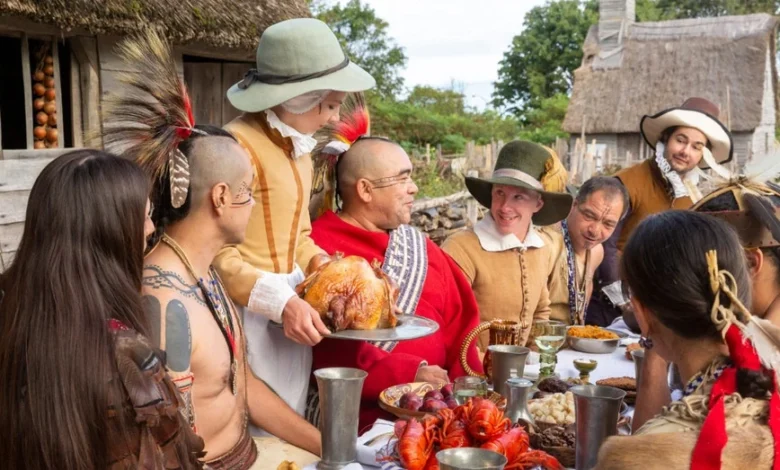
While millions of Americans prepare for Thanksgiving by gathering with family, traveling across the country, and partaking in traditional feasts centered around roasted turkey and gratitude, an evolving ideological shift is taking place across numerous educational institutions nationwide. Rather than universally celebrating the national holiday as a time of unity and thankfulness, a growing number of colleges, universities, and K-12 school districts are using the late-November calendar period to critically examine the holiday through the lenses of settler colonialism, historical harm, and Indigenous displacement.
This counter-narrative approach has manifested in various ways, ranging from specialized university panel discussions and alternative community gatherings to official curriculum adjustments in public school districts. As administrators and faculty seek to incorporate intersectional frameworks and diversity, equity, and inclusion (DEI) initiatives into academic programming, Thanksgiving has increasingly become a focal point for institutional reflection on the darker chapters of American history.
The Shift in Higher Education Programming
Across university campuses in the United States, the lead-up to Thanksgiving has increasingly featured alternative events designed to challenge traditional historical assumptions. Institutions are moving away from traditional celebrations of gratitude and are instead highlighting the impact of European colonization on North America’s Indigenous populations.
For instance, George Washington University hosted an event titled "Breaking Bread: The Cost of Celebration." Promoted as an opportunity for students to analyze Thanksgiving, Christmas, and Independence Day through an intersectional perspective, the program invited participants to discuss themes of belonging, exclusion, cultural erasure, and historical trauma. According to student life literature distributed by the university, the event aimed to facilitate dialogue regarding historical memory and social responsibility within a pluralistic society.
Similarly, at the University of Wisconsin at Milwaukee, the American Indian Student Center and the Electa Quinney Institute for American Indian Education organized a gathering known as "AlterNative Giving." Organizers positioned the event as a community-oriented alternative to the mainstream Thanksgiving narrative, encouraging participants to honor Indigenous knowledge systems and giving practices rather than focusing on colonial histories.
Other institutions have formally adopted the designation of the "National Day of Mourning" on their academic or community resource calendars. Salem State University published statements on its website acknowledging that its campus resides on the traditional and ancestral homelands of the Massachusett tribe. The institution explicitly referenced historical conflicts, forced displacement, and the erasure of Indigenous communities from their regional homelands.
Comparable institutional messaging has been documented at Occidental College, which characterized the holiday as a stark reminder of settler colonialism and its ongoing impact on Indigenous tribes. Meanwhile, the Pratt Institute and the University at Albany have incorporated references to the National Day of Mourning directly into their institutional programming and resource directories, aligning the November holiday with Indigenous remembrance and reflection.
K-12 Educational Curricula and Regional Adjustments
This critical pedagogical approach is not restricted to institutions of higher education; it has also permeated K-12 public school systems. Educational boards and individual schools are increasingly tasked with balancing traditional holiday lesson plans with culturally sensitive historical perspectives.
In Virginia, parental pushback surfaced in Loudoun County after local school lesson plans introduced concepts framing Thanksgiving through the lens of a "Day of Mourning." Parents and community advocates voiced concerns over whether such framing is developmentally appropriate for young children or if it presents a one-sided political narrative regarding American history.
Meanwhile, institutional bodies such as the San Diego County Office of Education have publicly addressed the duality of the November calendar. In official communications, the office noted that while November is recognized as Native American Heritage Month—a time to honor the history and cultures of Native peoples—the concurrent observation of Thanksgiving carries deeply contrasting meanings for different communities, particularly among Native Americans.
In the Pacific Northwest, Oregon’s Bethel School District incorporated external teaching resources into its official Equity, Access, and Inclusion web portal. Among the listed materials is a pedagogical guide titled "Decolonizing Thanksgiving: A Toolkit for Combatting Racism in Schools," which provides educators with alternative frameworks for addressing the holiday in classrooms.
Historical Context and the Evolution of Thanksgiving
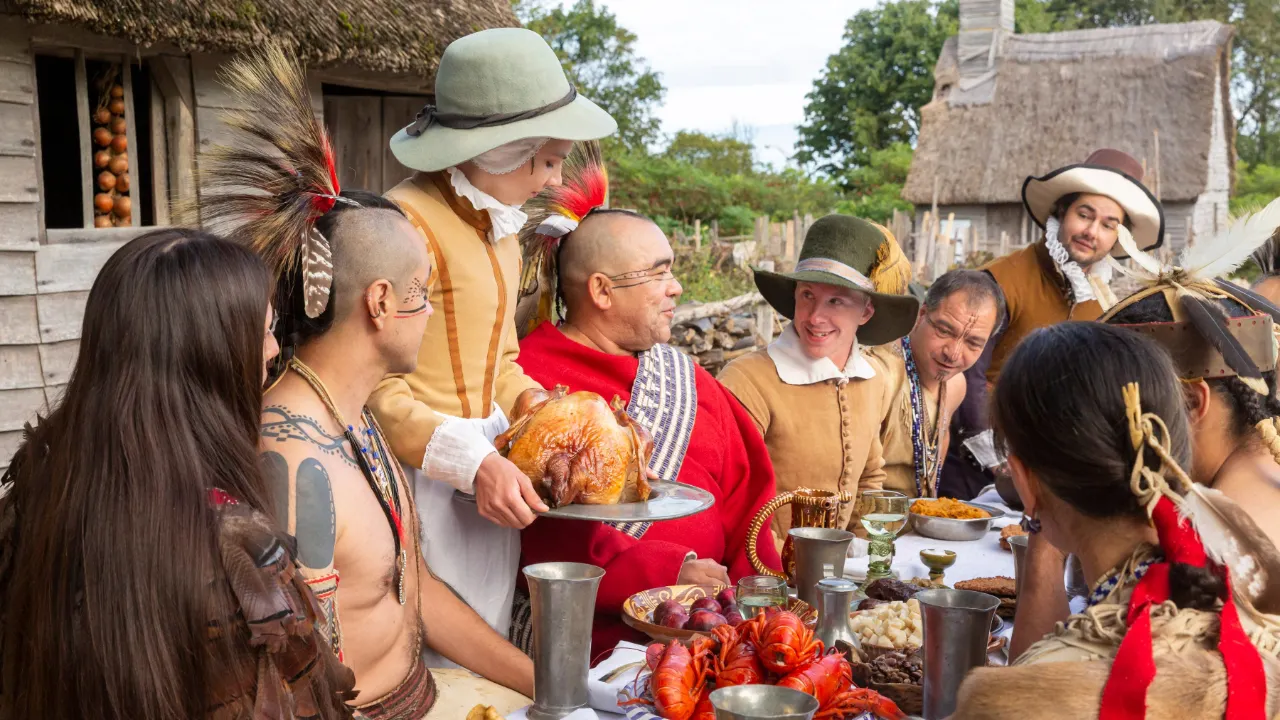
To understand the modern debate surrounding Thanksgiving, historians point to the complex evolution of the holiday’s mythology and its official establishment. While popular American tradition frequently traces the origins of the holiday to a 1621 harvest feast shared between the Pilgrims of Plymouth Colony and the Wampanoag people, modern historians emphasize that this event was a localized occurrence and bore little resemblance to the modern national holiday.
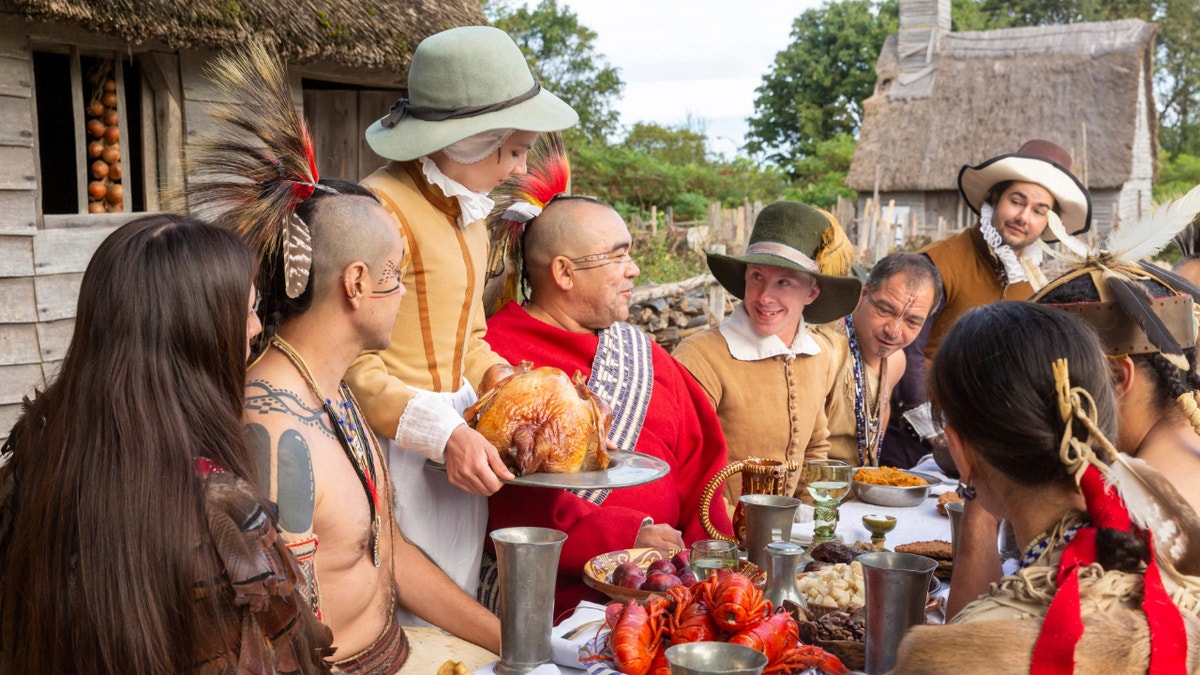
The contemporary celebration of Thanksgiving as a unified national event was largely shaped during the 19th century. Sarah Josepha Hale, an influential magazine editor and author, campaigned for decades to establish Thanksgiving as a national day of unity following the turbulent divisions of the American Civil War. In 1863, President Abraham Lincoln formally proclaimed a national day of Thanksgiving and Praise to be celebrated on the final Thursday in November, hoping to foster national reconciliation.
Throughout the 20th century, the holiday remained primarily focused on family gatherings, gratitude, and traditional American folklore. However, beginning in the late 20th century and accelerating into the 21st century, Indigenous activists and academic researchers began challenging the sanitized pilgrim-and-native narrative. Notably, since 1970, the United American Indians of New England have organized an annual "National Day of Mourning" protest at Plymouth Rock on the fourth Thursday of November, mourning the ancestral suffering caused by European colonization and highlighting ongoing social issues facing Native communities.
Broader Societal Implications and Debates
The integration of these alternative narratives into academic institutions has sparked a broader cultural and political debate regarding the purpose of public education and the transmission of national traditions.
Proponents of incorporating critical historical perspectives argue that educational institutions have a fundamental obligation to present a complete, unvarnished history of the United States. Supporters of these programs assert that acknowledging the displacement, disease, and violence experienced by Indigenous populations is essential for fostering true historical empathy, respecting diversity, and rectifying historical oversights. From this perspective, events like "AlterNative Giving" or panel discussions on settler colonialism do not seek to abolish Thanksgiving, but rather to deepen public consciousness regarding the complex realities of American nation-building.
Conversely, critics and conservative watchdog groups argue that reframing Thanksgiving as a day of mourning or colonial guilt undermines national unity and demoralizes students by instilling a sense of collective historical shame. Opponents contend that traditional holidays serve a vital social cohesive function, providing shared cultural touchstones that reinforce gratitude, community, and national identity. Furthermore, critics suggest that ideological frameworks surrounding diversity, equity, and inclusion are increasingly encroaching upon areas of personal and cultural celebration that should remain unifying rather than divisive.
As educational institutions continue to navigate these ideological currents, the public discourse surrounding Thanksgiving reflects a broader, ongoing negotiation over national identity, historical memory, and how American history is taught to future generations. Whether viewed as an overdue reckoning with historical injustices or an unnecessary politicization of a cherished cultural tradition, the debate ensures that the Thanksgiving holiday will remain a significant flashpoint in the nation’s ongoing culture wars.