Trump takes on Somali welfare dependency in Thanksgiving message, lays out who should stay in US

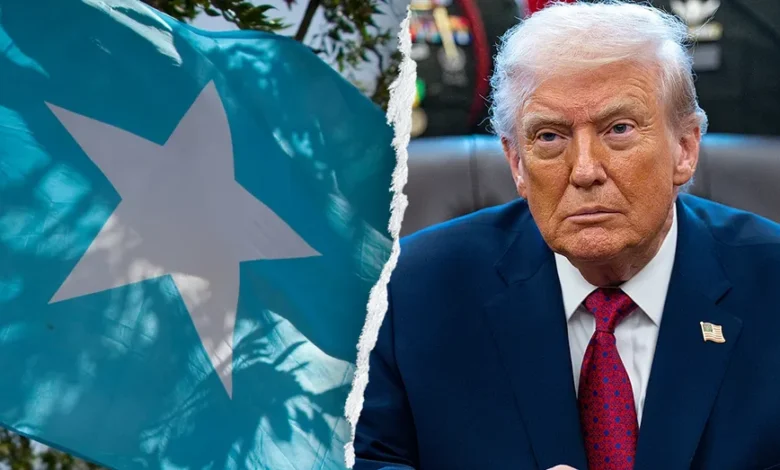
In a lengthy and wide-ranging holiday message published on Truth Social, President Donald Trump addressed a variety of national policy issues, including border security, ongoing deportations, and the demographic and economic dynamics of the Somali immigrant community in Minnesota. While extending traditional holiday greetings to what he termed "AMERICAN PATRIOTS," the president drew sharp distinctions between employed and unemployed members of the Somali population, calling for the immediate removal of individuals receiving government assistance while out of work.
The remarks quickly reignited a national debate over welfare utilization, integration challenges, and federal immigration enforcement, drawing immediate reactions from political leaders, community advocates, and federal watchdogs. The commentary highlights ongoing friction surrounding demographic shifts in key Midwestern states and underscores the administration’s broader commitment to stringent immigration enforcement and economic self-sufficiency criteria for foreign nationals residing in the United States.
Breakdown of the President’s Thanksgiving Message
President Trump’s holiday post utilized a sharp rhetorical contrast to outline his administration’s immigration priorities. He began by offering praise for a specific segment of the Somali immigrant population, expressing gratitude for individuals who are gainfully employed and independent of state or federal support.
"I want to thank the 2% of our Somalian population that have a job, and are actually willing to work, without receiving Government Assistance," Trump wrote in the statement. He characterized these individuals as exemplary citizens who should be permitted to remain in the United States and participate in national holiday traditions.
Conversely, the president adopted a severe tone regarding the remainder of the community. Calling for the immediate deportation of those relying on public assistance while unemployed, Trump asserted that such actions are necessary to protect the economic and social stability of Minnesota. He argued that the state faces severe structural challenges if high rates of welfare dependency and alleged public benefit fraud within certain demographic segments remain unaddressed.
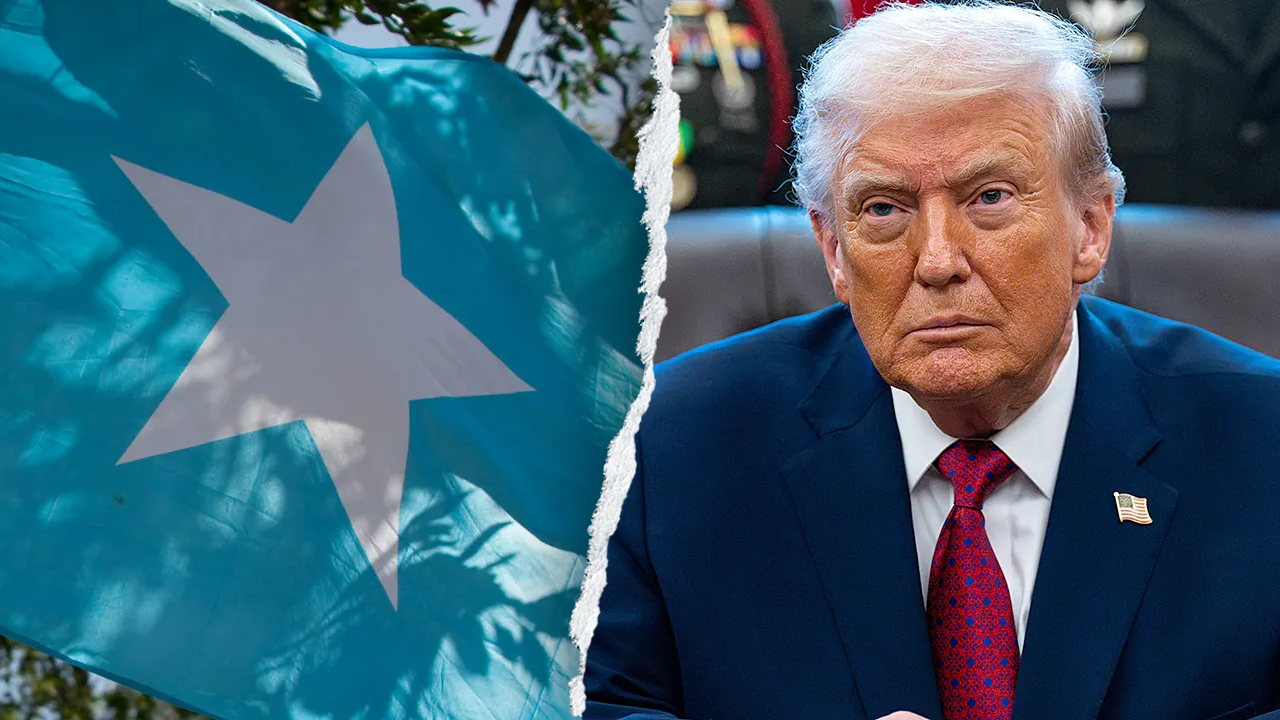
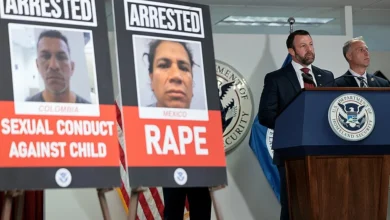
In the same message, the president turned his attention to broader immigration enforcement efforts, claiming that foreign-born criminals, including individuals he alleged were released from international prisons and mental health institutions, have largely been removed from the country. He expressed optimism regarding the efficacy of federal deportation initiatives, asserting that these individuals have been successfully returned to their points of origin.
Background Context: The Somali Community in Minnesota and Welfare Utilization Debates
The tension between federal authorities, conservative policymakers, and the Somali-American community in Minnesota is not a recent development. Over the past three decades, the Minneapolis-St. Paul metropolitan area has become home to the largest concentration of Somali immigrants and refugees in the United States, establishing vibrant cultural institutions, local businesses, and political representation. However, this rapid demographic transformation has also served as a focal point for intense political debates concerning cultural integration, public spending, and social service utilization.
Concerns regarding public benefit programs have frequently anchored political discourse surrounding the community. During a House Oversight Committee hearing held earlier in January, Republican lawmakers brought forward statistical data concerning public support programs. Representative Brandon Gill of Texas highlighted figures indicating that a significant majority of Somali-headed households in Minnesota participate in federal nutrition assistance programs, such as the Supplemental Nutrition Assistance Program (SNAP). According to data cited during the proceedings, approximately 54% of households within this demographic demographic rely on SNAP benefits.
These policy discussions have frequently intersected with high-profile federal investigations into fraud. Over recent years, federal prosecutors and agency watchdogs have uncovered substantial financial crimes involving public funds in Minnesota. Most notably, the "Feeding Our Future" scandal exposed a multi-million-dollar fraud scheme centered on federal child nutrition programs during the COVID-19 pandemic, resulting in dozens of indictments and convictions, many involving members of the local Somali community.
Federal agriculture watchdogs and congressional investigators have repeatedly warned that vulnerabilities in block grants and welfare distribution systems leave public assistance programs susceptible to organized exploitation. These findings have continually fueled legislative proposals aimed at tightening eligibility requirements, increasing oversight, and linking legal residency status or benefit access to documented employment and economic self-sufficiency.
Chronology of Recent Escalations and Federal Actions
To fully understand the context of President Trump’s Thanksgiving remarks, it is necessary to examine the sequence of enforcement actions and political friction that preceded the holiday statement:

- Late 2024 to Early 2025: Federal immigration authorities, including Immigration and Customs Enforcement (ICE), ramp up targeted operations in Midwestern urban centers, focusing on individuals with final deportation orders and criminal backgrounds. These actions spark localized protests and demonstrations from immigrant advocacy groups and civil rights organizations.
- January 2026: The House Oversight Committee convenes a hearing addressing public assistance utilization and integrity within federal welfare programs. Lawmakers focus heavily on demographic data from Minnesota, examining potential links between high benefit dependency and systemic program vulnerabilities.
- January 2026: Federal law enforcement agents execute search warrants at properties associated with high-profile political figures, including the Washington, D.C., residence of Representative Ilhan Omar, drawing fierce condemnation from community leaders and progressive lawmakers who characterize the actions as politically motivated overreach.
- Spring and Summer 2026: Debates intensify across Capitol Hill regarding nationwide immigration enforcement quotas, expedited removal procedures, and proposed legislative restrictions on federal aid eligibility for non-citizens.
- November 2026: President Trump issues his Thanksgiving Day statement on Truth Social, formalizing his stance on the economic participation of Minnesota’s Somali community and reiterating calls for aggressive deportation measures.
Official Reactions and Divergent Perspectives
The president’s statements provoked swift and polarized reactions from political figures across the ideological spectrum. Supporters of the administration defended the remarks as a necessary acknowledgment of economic reality and a firm stance on the rule of law. Conservative analysts argued that immigration policy should prioritize national economic benefit, self-reliance, and public safety, contending that high rates of reliance on taxpayer-funded assistance programs place an undue burden on state and local resources.
Conversely, civil rights organizations, immigrant advocacy groups, and Democratic lawmakers condemned the rhetoric as xenophobic and dangerously broad. Critics argued that generalizing an entire ethnic and religious community based on the actions of a minority or attributing systemic economic challenges solely to immigration undermines the foundational principles of diversity and inclusion. Local community leaders in Minneapolis argued that the vast majority of Somali-Americans are law-abiding taxpayers, small business owners, and active participants in civic life who contribute meaningfully to the state’s economy in healthcare, transportation, and education sectors.
Amid the broader discourse, other members of the administration offered contrasting messages focused on traditional themes of gratitude and national identity. Secretary of State Marco Rubio released a holiday video message emphasizing the historical role of the United States as a beacon of freedom and opportunity.
"We know how special this country is. It’s the place that gave us freedom. It’s a place that gave us opportunity. It’s a place that’s given our parents, our grandparents, and many of you the chance not just to do well in life, but to leave our children better off than ourselves," Rubio stated in the video, accompanied by a caption describing American citizenship as a unique historical privilege.
Broader Implications and Future Outlook
President Trump’s Thanksgiving commentary serves as a clear indicator of how immigration, economic nationalism, and welfare reform will remain central pillars of the administration’s domestic policy agenda. By explicitly tying legal residency and community acceptance to employment status and non-reliance on public assistance, the administration has signaled a potential shift toward more restrictive, conditional metrics for immigrant integration.
As federal agencies continue to execute broader deportation sweeps and review the structural integrity of social safety net programs, the debates surrounding Minnesota’s demographic landscape are unlikely to subside. Policymakers face the ongoing challenge of balancing rigorous fiscal oversight and national security objectives with the complex humanitarian, economic, and social realities of managing large immigrant populations in American urban centers. The ongoing friction between federal mandates and local community resistance suggests that immigration enforcement and welfare reform will remain among the most contentious battlegrounds in American politics as the nation approaches the next legislative session.
Related posts: