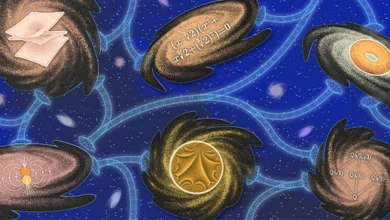
For decades, standard biological dogma viewed the human genome as a relatively stable blueprint passed down through generations, occasionally modified by minor point mutations or chromosomal recombinations. However, modern genetic research has upended this traditional view, revealing that nearly half of the human genome is composed of dynamic, mobile genetic elements known as transposons. Far from being inert genetic "junk" or purely malicious parasites, these jumping genes are now recognized as vital architects of evolutionary change, foundational drivers of genomic complexity, and deeply integrated coevolutionary partners within complex organisms across the tree of life.
The Historical Paradigm Shift: Barbara McClintock and Maize Genetics
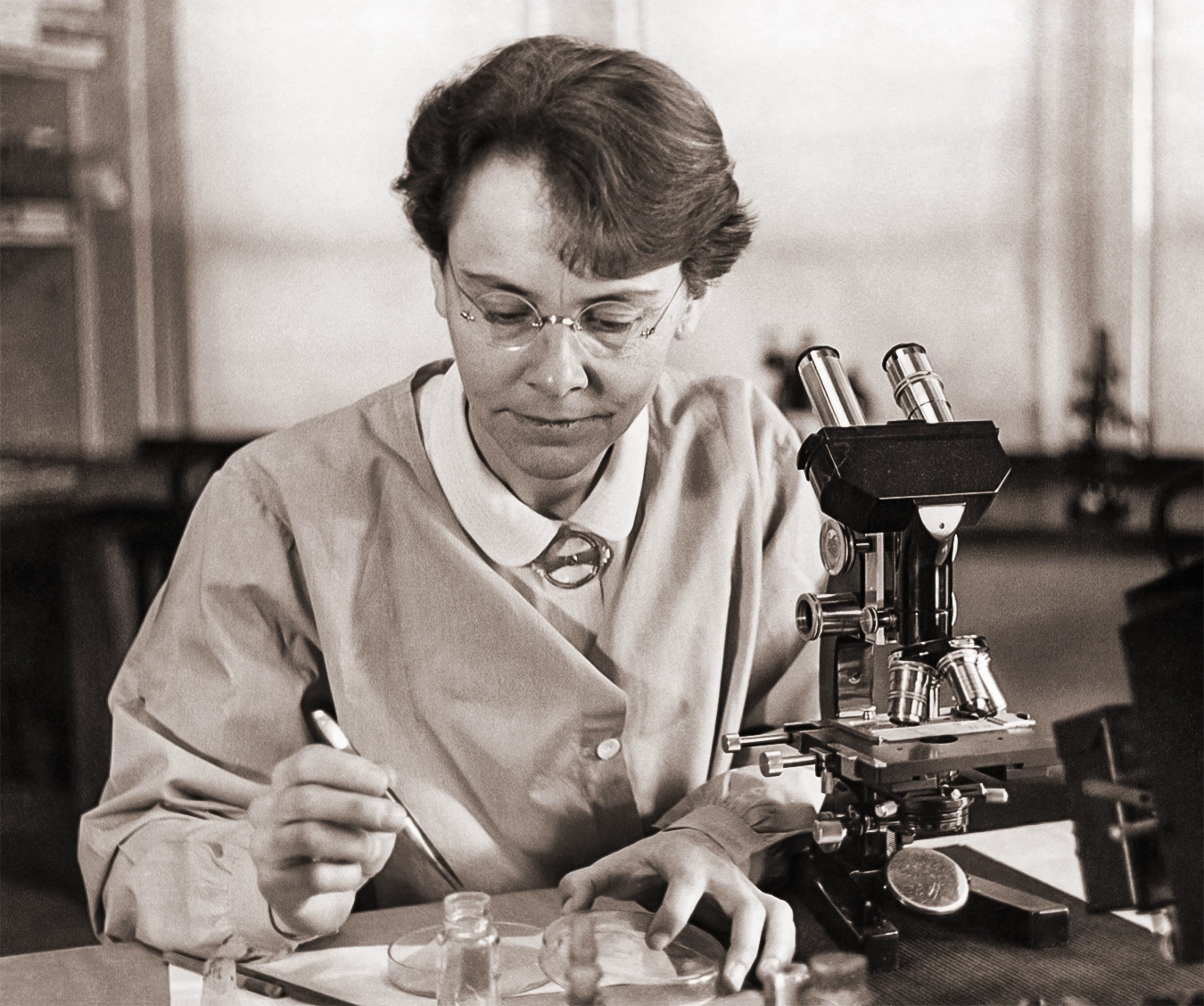
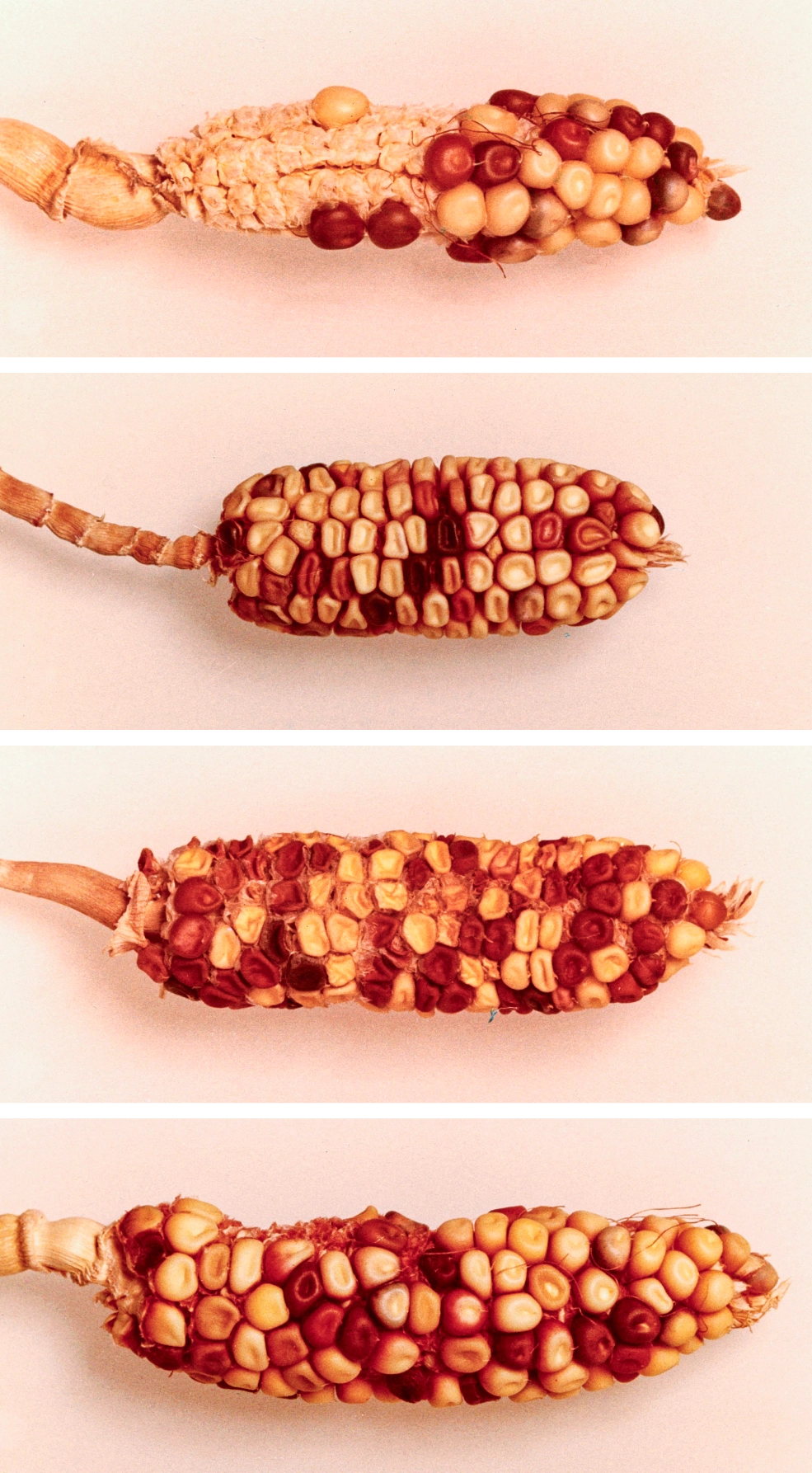
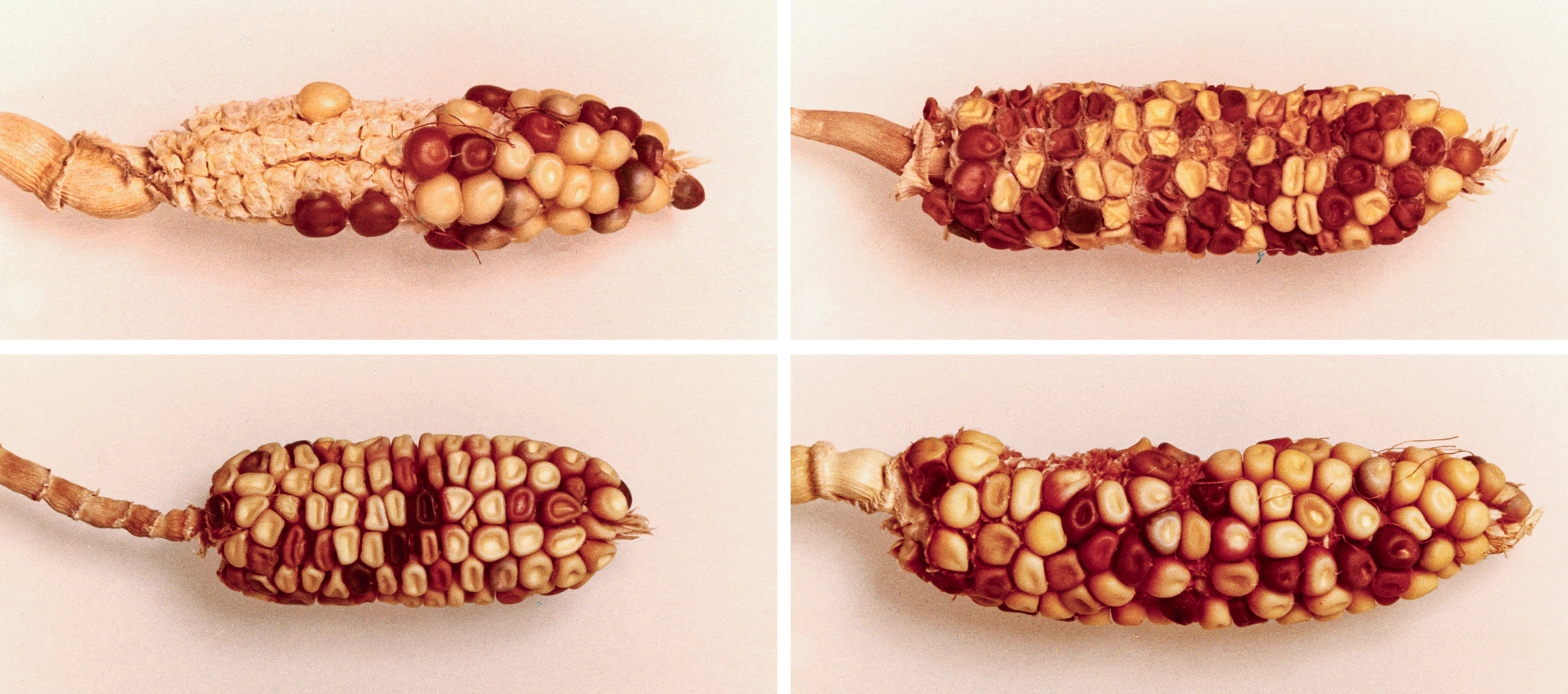
The journey toward understanding transposable elements began more than 80 years ago through the pioneering work of geneticist Barbara McClintock at the Cold Spring Harbor Laboratory in New York. Working meticulously with strains of maize (Zea mays), McClintock investigated the puzzling inheritance patterns behind color variations in corn kernels. While most kernels in her study strains were solid purple, others displayed a distinctive speckled phenotype, featuring splashes of purple pigment scattered across a pale yellow base.

McClintock hypothesized that the color variation could not be explained by standard fixed-gene inheritance models. Through rigorous observation and genetic mapping, she discovered that certain genetic elements possessed the extraordinary ability to physically excise themselves from one chromosomal location and reinsert themselves into another. When one of these mobile units jumped directly into the middle of a gene responsible for producing purple pigment, it disrupted the gene’s function, resulting in a yellow cell. Conversely, if the element subsequently hopped back out, gene function was restored, creating a purple patch.
Initially met with widespread skepticism by a scientific community wedded to the concept of fixed, immutable genes, McClintock’s revolutionary findings were eventually vindicated decades later. In 1983, more than thirty years after her initial discoveries, McClintock was awarded the Nobel Prize in Physiology or Medicine. Her work permanently transformed molecular biology, proving that genomes are fluid, plastic landscapes capable of self-reconfiguration.
Taxonomy and Mechanics: DNA Transposons and Retrotransposons
In the decades following McClintock’s discovery, geneticists have identified transposable elements across an expansive array of organisms, establishing a detailed taxonomy divided primarily into two major classes based on their replication and mobilization strategies.
The first category, known simply as DNA transposons, operate via a "cut-and-paste" mechanism. Specialized enzymes called transposases recognize specific sequences at the ends of the DNA transposon, excise the segment cleanly from its original genomic locus, and catalyze its insertion into a new target site aided by native host DNA repair machinery.
The second and more abundant category comprises retrotransposons, which utilize a "copy-and-paste" strategy. Rather than physically cutting themselves out of the DNA strand, retrotransposons are first transcribed into an intermediate RNA molecule. This RNA transcript is then reverse-transcribed back into a DNA molecule and integrated into a completely new location within the host genome. Because they multiply by leaving the original copy intact while generating numerous iterations elsewhere, retrotransposons can rapidly expand their footprint within a host. In humans, retrotransposons and their remnants account for nearly half of the total genomic sequence.
This replication strategy bears a striking biochemical resemblance to viruses, particularly retroviruses such as HIV, which insert DNA copies of their viral genomes into host cells to commandeer cellular machinery. Over millions of years of evolutionary history, ancestral viral infections have left permanent genetic scars within host lineages. In humans, endogenous retroviruses and viral fossils constitute approximately 8 percent of the entire genome, serving as a permanent testament to our deep virological ancestry.
Horizontal Transfer and Interspecies Mobility
The intrinsic mobility of transposable elements is not strictly confined to the boundaries of a single organism’s genome. Because many transposons share functional properties with viruses, they possess an inherent capacity to cross species barriers via horizontal gene transfer—hitchhiking on viral vectors or other biological carriers to colonize entirely foreign evolutionary environments.
Historically, horizontal gene transfer involving complex transposons was viewed as a rare biological anomaly. However, contemporary genomic sequencing projects have dismantled this assumption. According to Dr. Cedric Feschotte, a geneticist at Cornell University, virtually all major classes of transposable elements demonstrate the capacity to jump between distinct species.
A landmark 2020 genomic analysis cataloged nearly 1,000 independent horizontal transfer events across 307 vertebrate genomes, with a particularly high prevalence observed among teleost fish. These findings demonstrate that transposons are not merely vertically inherited traits, but fluid genetic agents capable of traversing vast taxonomic distances, from fungal pathogens and reptiles to domestic livestock.
Invasive Adaptation and Rapid Evolution
For generations, evolutionary biology maintained that the generation of complex phenotypic traits required vast expanses of geological time governed by gradual natural selection acting on minor point mutations. However, modern case studies have revealed that transposable elements can catalyze rapid, punctuated adaptation in response to sudden environmental pressures.
A classic illustration of this phenomenon is found in the evolutionary history of the peppered moth (Biston betularia) in industrial-era England. Prior to the Industrial Revolution, the prevailing morph of the peppered moth featured pale, black-speckled wings that provided effective camouflage against lichen-covered tree trunks. Following the rapid industrialization of the mid-19th century, coal smoke and soot blackened the local woodlands, precipitating a swift ecological shift. Predatory birds quickly decimated the conspicuous white moth population, while a dark-winged melanic morph rapidly came to dominate the landscape.
While the ecological dynamics of this shift are a foundational textbook example of natural selection, the underlying genetic mechanism remained elusive until 2016. Genomic sequencing of hundreds of peppered moths revealed a decisive mutation: a transposable element had inserted itself into the regulatory region of the cortex gene—a critical locus controlling wing development—in nearly all dark-winged moths. Genetic dating techniques estimated that this transposition event occurred around 1819, perfectly coinciding with the onset of severe industrial pollution.

Dr. Pierre Baduel, a geneticist at the French National Center for Scientific Research (CNRS) in Paris, notes that this discovery fundamentally alters how scientists understand rapid adaptation. While genomes are constantly bombarded by random transposon insertions that are typically purged by negative selection due to deleterious effects, environmental disruption can suddenly render an insertion adaptive, allowing it to sweep rapidly through a population.
Coevolutionary Integration and Genomic Innovation
Beyond driving rapid adaptation, transposable elements have been systematically co-opted by host genomes over evolutionary history to build complex biological innovations. Molecular research has linked domesticated transposable elements to the origins of vertebrate adaptive immunity, the development of complex animal eyes, and the evolution of the placenta—a defining morphological novelty of mammalian reproduction that enables prolonged intrauterine gestation, including in humans.
Furthermore, the relentless mutagenic threat posed by transposable elements has played a pivotal role in shaping fundamental genomic architecture. To survive the constant threat of genomic disruption, host organisms were forced to evolve sophisticated defense mechanisms to suppress transposon activity.

Dr. Susan Wessler, a geneticist emerita at the University of California, Riverside, and vice president of the National Academy of Sciences, highlights theories suggesting that epigenetic silencing systems—mechanisms that allow cells to dial gene expression up or down or shut genes off entirely—may have originally evolved in primitive organisms specifically as an immune defense against selfish transposons. Once established, these regulatory frameworks were repurposed by the host genome to control native gene expression, enabling complex multicellularity and the differentiation of diverse cell types from a single genetic blueprint.
Implications for Modern Biomedical Research
As researchers continue to decode the intricate interplay between host genomes and transposable elements, the traditional paradigm of "junk DNA" has been thoroughly dismantled. Far from being passive evolutionary hitchhikers or destructive parasites, transposons are now understood to be active, coevolutionary participants that have profoundly shaped the complexity, regulation, and adaptability of life on Earth.
By reframing our understanding of these mobile elements, modern genetics is opening new avenues of inquiry into human health, embryonic development, and the molecular mechanisms underlying rapid evolutionary change. As Dr. Feschotte emphasizes, recognizing that transposons have coevolved with organisms from the very beginning offers a more holistic, nuanced perspective on the dynamic nature of the genome—one where stability and change are inextricably linked.