Amazon Black Friday Week 2026: An In-Depth Look at the Early Access Trends and Retail Strategies

The retail landscape is undergoing a significant transformation as major e-commerce platforms pivot toward extended promotional windows. Amazon has officially inaugurated its Black Friday Week, a sprawling promotional event running from Thursday, November 19, through Monday, November 30, 2026. This twelve-day period represents a strategic shift from the traditional single-day "Black Friday" model toward a sustained, multi-week retail engagement cycle designed to manage logistical volume and capture early consumer spending.
The Shift Toward Extended Promotional Windows
Historically, Black Friday served as a singular pressure point for brick-and-mortar retailers. However, the rise of digital-first commerce has necessitated a more fluid approach. By launching deals over a week before the actual holiday, Amazon aims to alleviate supply chain congestion and provide consumers with a more manageable shopping experience. This year’s event features deep discounts across diverse categories, with a particular emphasis on apparel, footwear, and accessories.
Industry analysts suggest that this strategy is not merely a convenience for the consumer but a necessity for inventory management. By spreading demand over nearly two weeks, retailers can better forecast shipping requirements and prevent the server crashes or warehouse bottlenecks that plagued early e-commerce attempts during the mid-2010s.
Strategic Apparel Discounts and Market Positioning
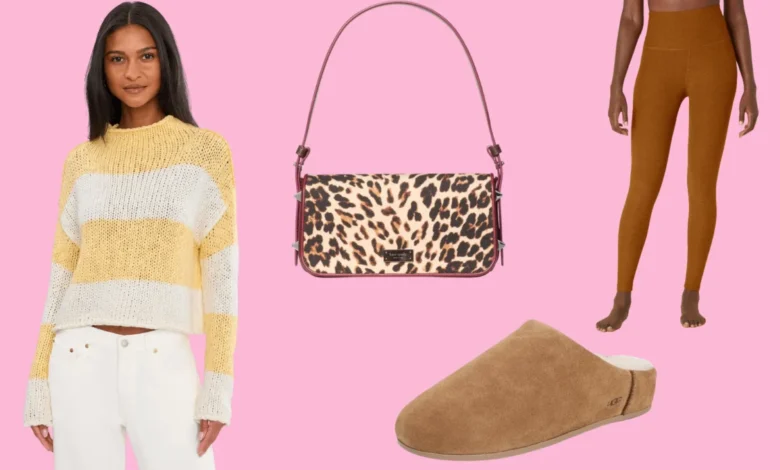
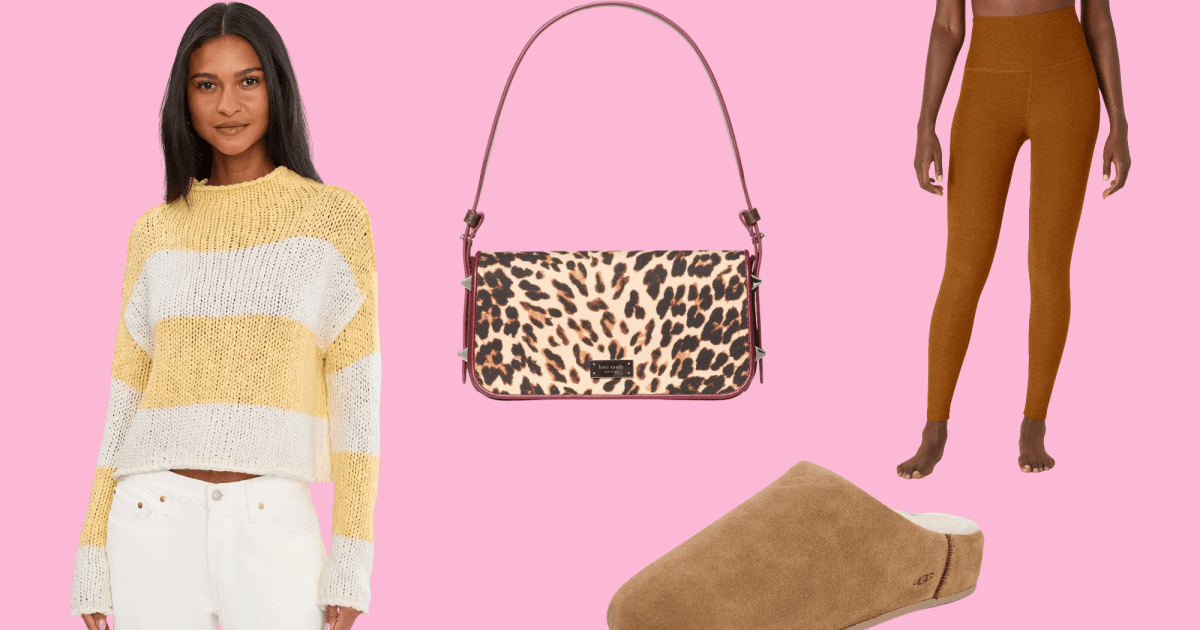
The current promotional lineup includes significant price reductions on high-profile fashion brands, including Ugg, Lacoste, Kate Spade, and Levi’s. The inclusion of these premium labels in an aggressive discounting environment indicates a broader effort to capture market share from traditional department stores that are also competing for holiday budget allocations.
The following items have emerged as key focal points for the 2026 early-access period:
- Footwear Trends: The inclusion of Rothy’s Mary Jane flats and Adidas VL Court 3.0 sneakers suggests a market preference for "elevated comfort." Furthermore, the discounted Dr. Scholl’s Time Off sneakers highlight the growing intersection of orthopedics and high-street fashion.
- Knitwear and Outerwear: The emphasis on Gap’s Cashsoft pullovers and Barefoot Dreams’ CozyChic V-Neck items reflects a seasonal focus on loungewear. Meanwhile, the presence of Nautica’s quilted barn jackets signals the continued popularity of the "old money" aesthetic, which has seen a resurgence in popularity throughout the latter half of 2026.
- Denim and Tailoring: The continued prominence of the Levi’s 501 line confirms the brand’s enduring market status, while the presence of Calvin Klein’s straight-leg trousers and Lee’s Flex Motion pants points to a return to structured, professional attire for the workplace.
The Role of Prime Membership in Retail Strategy
A cornerstone of Amazon’s holiday strategy remains the Prime membership ecosystem. By offering exclusive discounts and complimentary two-day shipping to Prime members, the platform reinforces the value proposition of its subscription service. Internal data consistently shows that Prime members spend significantly more annually than non-members, and the Black Friday period serves as a critical conversion window for new subscribers.
The 30-day free trial offer, which is being heavily promoted during this event, is a calculated move to capture a new demographic of shoppers who may have previously relied on physical retail. By lowering the barrier to entry, Amazon is effectively insulating itself against competition from other digital retailers who cannot match the logistics infrastructure of the Prime network.
Celebrity Influence and the "Social Shopping" Phenomenon
Modern retail is no longer driven by traditional advertising alone; it is heavily influenced by celebrity associations and social media trends. The current Amazon selection reflects this reality. For instance, the promotion of Levi’s 501 jeans is buoyed by high-profile associations with figures like Dakota Johnson. Similarly, the inclusion of Brooks Adrenaline GTS running shoes benefits from social media visibility involving high-profile personalities like Jennifer Garner.
This "social proof" model is a key driver for the current retail cycle. When consumers see public figures wearing specific products, the conversion rate on these items typically spikes. Retailers are now optimizing their inventory procurement based on real-time social media sentiment analysis, ensuring that the products most likely to trend are the ones featured in prominent banner ads.
Economic Implications and Consumer Behavior
The 2026 Black Friday Week comes at a time of nuanced economic sentiment. While inflation remains a concern for the average household, consumer spending on fashion has shown remarkable resilience. The trend toward "smart luxury"—purchasing high-quality, long-lasting items like Swarovski jewelry or Kate Spade leather goods at a discounted rate—suggests that consumers are prioritizing value without sacrificing brand prestige.
Economic analysts observe that shoppers are becoming increasingly strategic. Rather than making impulsive purchases, consumers are utilizing the early-access week to compare prices across multiple platforms. This "comparison-shopping" behavior has forced retailers like Amazon to offer price-matching or, at the very least, aggressive discounting to keep the user within their ecosystem.
Sustainability and the Future of Fashion Retail
A notable trend in this year’s catalog is the inclusion of brands that focus on durable, multi-season wear. Whether it is the trench coats from Eddie Bauer or the classic tailored suits from Calvin Klein, there is a discernable move away from "fast fashion" toward pieces that are designed to last.
This shift may be partly attributed to increasing consumer awareness regarding the environmental impact of fashion. While Amazon remains a volume-driven retailer, the success of these higher-quality items indicates that the market is beginning to favor longevity. Furthermore, the push for larger, more practical handbags—such as the Michael Kors Nolita hobo bag—over smaller, trend-specific micro-bags supports the idea that consumers are seeking utility in their purchases.
Logistics and Operational Challenges
The massive scale of the 2026 Black Friday event poses significant challenges for logistics. To meet the demand, Amazon has ramped up its automated sorting facilities and expanded its partnership with third-party delivery services. The goal is to ensure that the "two-day shipping" promise holds true despite the surge in volume.
The environmental cost of these expedited shipping expectations remains a subject of ongoing debate. However, the company has emphasized its commitment to optimizing delivery routes and increasing the proportion of electric vehicles in its delivery fleet to mitigate the carbon footprint of this heightened activity.
Looking Beyond the Sale: What’s Next?
As the 2026 holiday season progresses, the data gathered during this Black Friday Week will serve as a roadmap for retailers heading into 2027. The categories that perform well—whether it be the return of plaid patterns in apparel or the continued demand for high-performance activewear—will dictate inventory investments for the upcoming spring season.
The success of the "Early Access" model confirms that the traditional, one-day retail holiday is a relic of the past. In its place, the industry has adopted a continuous, data-driven approach that prioritizes convenience, speed, and strategic discounting. For the consumer, this translates to a more fluid shopping experience; for the retailer, it represents a sophisticated exercise in balancing high-volume logistics with consumer expectations.
Ultimately, Amazon’s strategy reflects the broader evolution of the modern economy. By integrating entertainment, social media influence, and subscription-based loyalty programs into a single, cohesive shopping event, the platform has successfully redefined the Black Friday experience. As shoppers navigate the current deals—from the high-waisted leggings by Fabletics to the sophisticated pendants by Kendra Scott—they are participating in a retail experiment that will likely set the standard for years to come.
While the discounts are undoubtedly the primary draw, the underlying structure of the 2026 Black Friday Week reveals a deeper commitment to brand loyalty and market dominance. As the event continues through November 30, both retailers and consumers will be watching closely to see which categories emerge as the definitive winners of this year’s holiday season.
Related posts: