A Comprehensive Guide to Madrid Navigating the Cultural and Gastronomic Landscape of Spains Capital


Madrid, the sprawling capital of Spain and home to approximately 3.5 million residents, has solidified its position as a premier global destination, attracting more than 10 million visitors annually. As the nation’s largest urban center, the city serves as a critical hub for European finance, culture, and governance. Despite its expansive geography, the city maintains a distinct rhythm characterized by a late-starting, high-energy lifestyle that blends historical grandeur with a modern, laid-back Mediterranean pace. Following its recovery from global travel disruptions, Madrid has seen a surge in international interest, particularly after the 2021 designation of the "Landscape of Light" as a UNESCO World Heritage site, reinforcing the city’s commitment to preserving its scientific and artistic legacy.
The Landscape of Light: A UNESCO Artistic Immersion
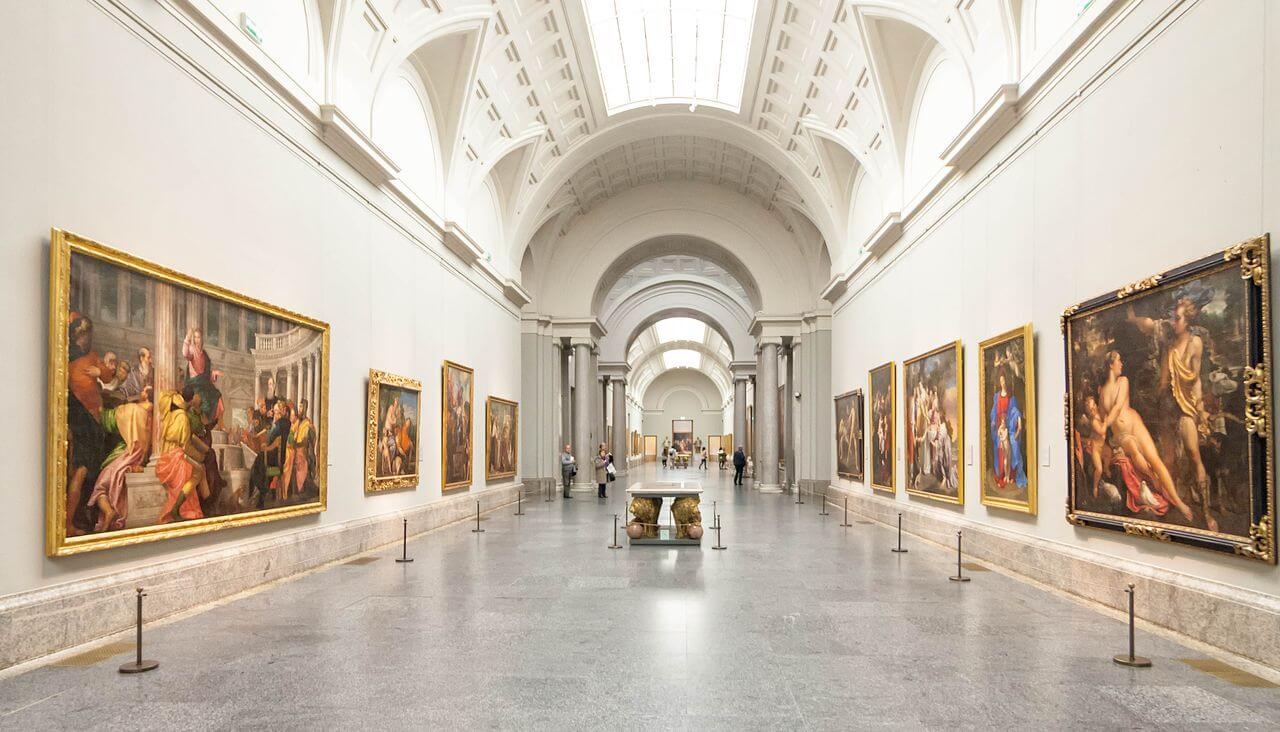
The cultural heart of Madrid is anchored by the Paseo del Prado and El Retiro Park, an area collectively recognized by UNESCO for its convergence of nature, science, and history. This zone, often referred to as the "Art Walk," serves as the starting point for a comprehensive exploration of the city. The primary attraction is the Prado Museum, a global institution housing an unparalleled collection of European art from the 12th to the early 20th centuries. The museum is home to masterpieces by El Greco, Velázquez, and Goya, alongside significant works by Rubens, Botticelli, and Caravaggio. Experts suggest that a minimum of three to four hours is required to navigate the museum’s extensive galleries, which represent one of the largest and most significant art repositories in the world.
A short distance along the Paseo del Prado lies the Thyssen-Bornemisza Museum, which provides a chronological narrative of art history through a private collection spanning the Renaissance to Pop Art. The artistic circuit concludes at the Reina Sofía National Art Center, Madrid’s premier modern art museum. The institution’s most significant piece is Pablo Picasso’s Guernica, a profound anti-war statement created in 1937 following the bombing of the Basque town during the Spanish Civil War. The museum also features extensive collections of works by Salvador Dalí and Joan Miró, providing a comprehensive look at Spanish Surrealism and modernism.
Beyond the major galleries, Madrid’s "House Museums" offer a more intimate look at the city’s cultural heritage. The Sorolla Museum, situated in the former home and studio of Joaquín Sorolla, is renowned for its sun-drenched gardens and Mediterranean-themed canvases. Currently undergoing a significant architectural renovation, the museum is slated to reopen in 2026. Other notable sites include the Museum of Romanticism and the Lázaro Galdiano Museum, the latter of which houses a diverse private collection within a neo-Renaissance mansion.
Habsburg Madrid and the Evolution of the Historic Center
The historical evolution of Madrid is most visible in the "Madrid de los Austrias," or Habsburg Madrid, which reflects the city’s 16th and 17th-century layout. The Puerta del Sol serves as the symbolic and geographic center of Spain. It contains "Kilometer Zero," the official starting point for the country’s six national radial roads, and the statue of the Bear and the Strawberry Tree, which has served as the city’s coat of arms since the medieval era.
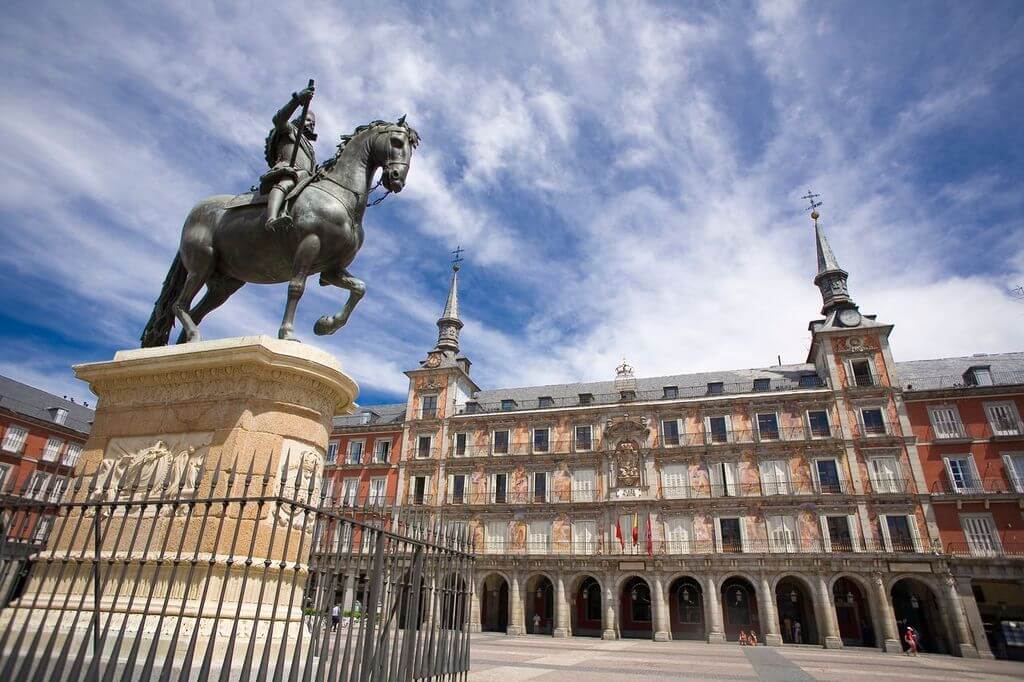
The nearby Plaza Mayor, characterized by its uniform porticoed architecture, remains one of the most iconic public spaces in Europe. Historically, the plaza has hosted a variety of events, including markets, bullfights, and public trials. Today, it serves as a central gathering point for tourism, though local experts often recommend exploring the adjacent alleys for more authentic experiences, such as the traditional calamari sandwich, a staple of Madrid’s street food culture.
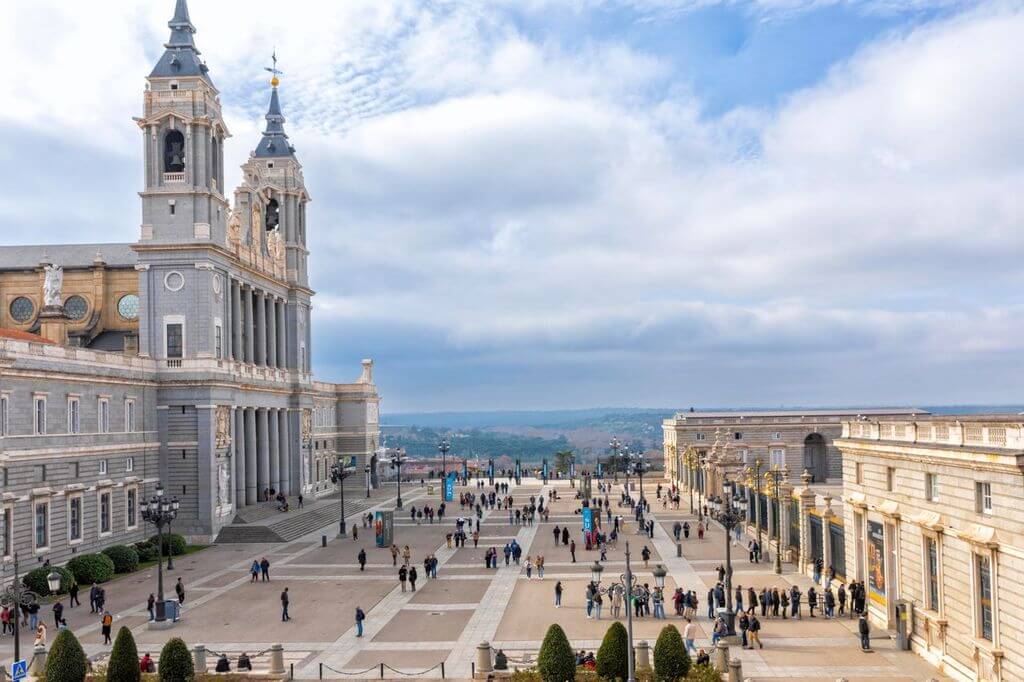
The architectural pinnacle of this district is the Royal Palace of Madrid. As the largest palace in Western Europe, it boasts over 3,400 rooms and was constructed on the site of a 9th-century Muslim fortress. Although it remains the official residence of the Spanish Royal Family, it is now primarily used for state ceremonies and functions as a public museum. The palace’s Baroque interiors are complemented by the Royal Armory and the nearby Almudena Cathedral. The cathedral, though Neo-Classical in its exterior to match the palace, features a modern interior and a Neo-Romanesque crypt. Completed only in 1993, it offers a contemporary contrast to Europe’s older medieval cathedrals and provides panoramic views of the city from its dome.
Gastronomic Trends and the Evolution of Madrid’s Food Scene
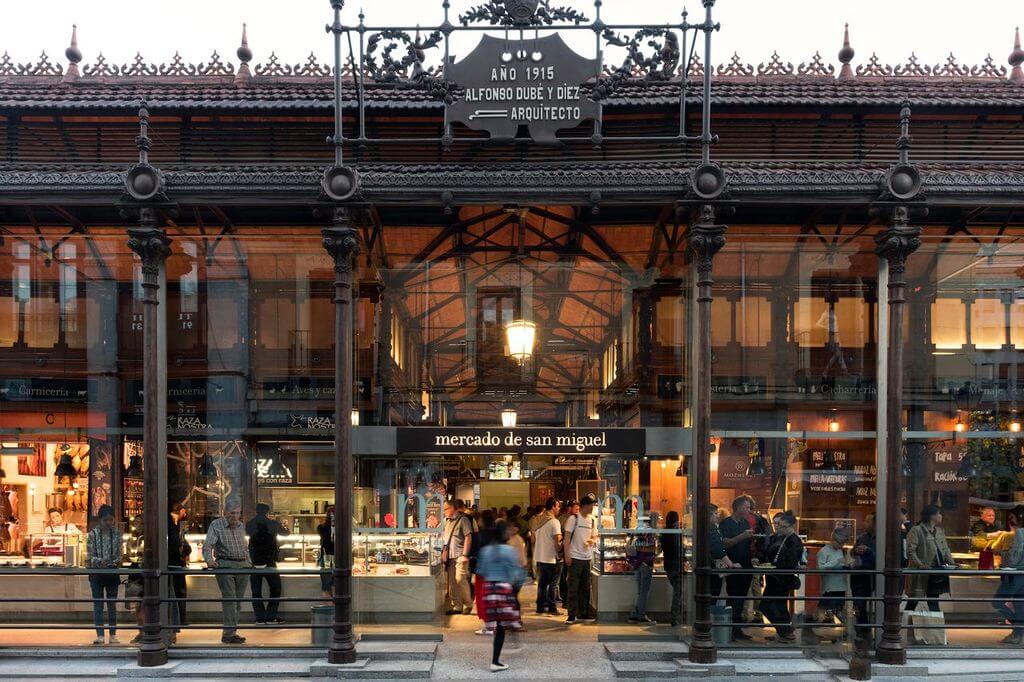
Madrid’s culinary landscape is a significant driver of its tourism economy. The city’s gastronomic markets have evolved from traditional neighborhood hubs into sophisticated culinary centers. The Mercado de San Miguel, a glass-and-iron structure located near Plaza Mayor, is the most prominent example, focusing on high-end tapas and gourmet products. For a more localized experience, the Mercado de San Antón in the Chueca district and the Mercado de Vallehermoso provide a deeper look into regional Spanish flavors and artisanal goods.
Madrid is also home to Sobrino de Botín, officially recognized by Guinness World Records as the oldest continuously operating restaurant in the world, founded in 1725. The establishment’s historical significance is bolstered by its association with Ernest Hemingway, who frequently cited the restaurant in his literary works. In contrast to these historic venues, Madrid has recently emerged as a leader in the plant-based dining movement. Neighborhoods like Malasaña have seen a proliferation of vegan and vegetarian establishments, reflecting a shift in dietary trends and a diversification of the city’s food identity.
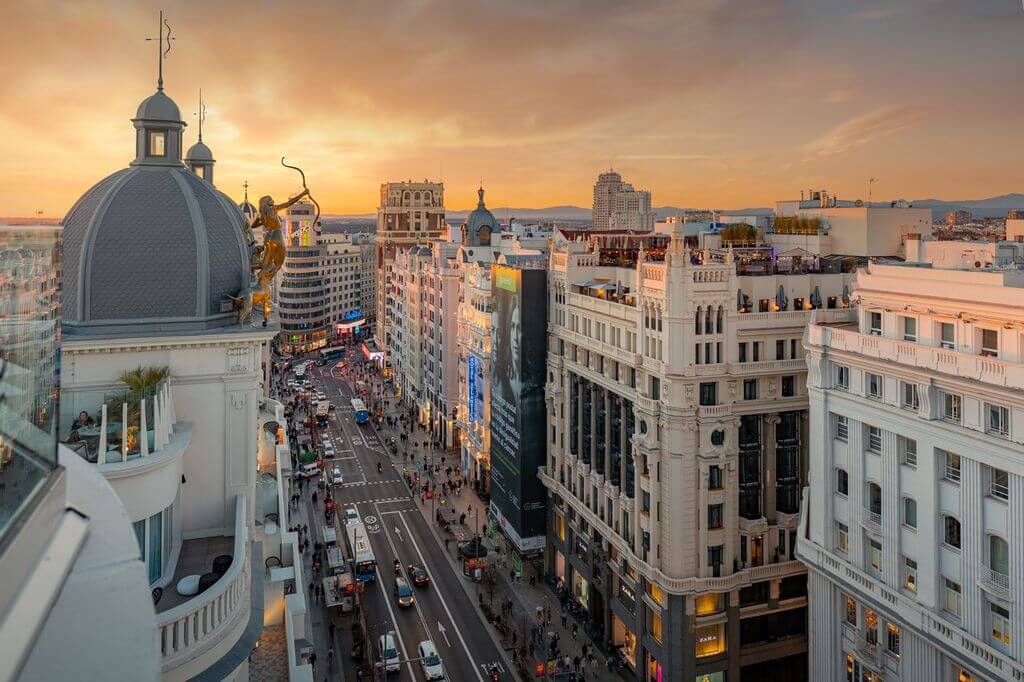
The evening culture in Madrid is centered around the Gran Vía, the city’s primary thoroughfare, which is lined with theaters, shops, and rooftop bars. Venues such as the RIU 360º Sky Bar have become popular for their panoramic views, highlighting the city’s modernization and its embrace of high-altitude social spaces.
Regional Integration: The UNESCO Heritage Day Trips
The strategic location of Madrid allows for easy access to several other UNESCO World Heritage sites, emphasizing the historical importance of the central Castile region.
- San Lorenzo de El Escorial: Located approximately one hour from the city, this 16th-century complex was commissioned by King Philip II. It serves as a monastery, palace, and royal pantheon. Its austere granite architecture marked a departure from the more ornate styles of the time and remains a symbol of Spain’s imperial past.
- Aranjuez: Situated south of the capital, the Royal Palace and Gardens of Aranjuez represent a "Cultural Landscape" where the monarchy sought to blend nature with courtly life. The site is famous for its vast gardens and its role as the spring residence for the Spanish crown.
- Alcalá de Henares: As the birthplace of Miguel de Cervantes, the author of Don Quixote, this university city is a preserved example of the Spanish Golden Age. Its university, founded in 1499, served as a model for many academic institutions in the Americas.
Preservation and Public Spaces: Off-the-Beaten-Path Assets
In its final phase of urban exploration, Madrid offers sites that focus on spiritual and natural preservation. The Monastery of Las Descalzas Reales and the Royal Monastery of La Encarnación are two active convents that house significant royal art collections. Las Descalzas Reales, founded in 1559, became a repository for art donated by aristocratic women who joined the order, resulting in a unique collection of tapestries and religious paintings.
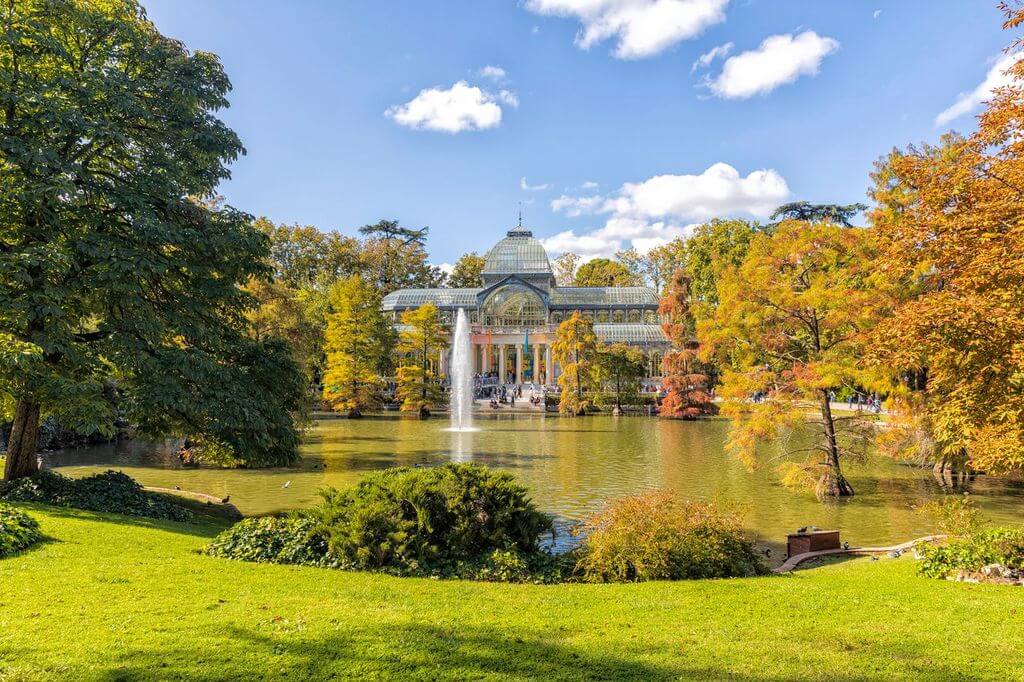
The city’s commitment to green space is most evident in the Casa de Campo. Covering 1,700 hectares, it is five times larger than New York’s Central Park. Originally a royal hunting ground, it was opened to the public in 1931. Today, it serves as a vital recreational area, featuring a large lake, an amusement park, and the Madrid Zoo Aquarium. The park’s elevated position provides a unique perspective of the city’s skyline, framing the Royal Palace and the Almudena Cathedral against the urban horizon.
Broader Impact and Economic Implications
The ongoing development of Madrid’s tourism sector reflects a broader strategy by the Spanish government to move toward a "quality over quantity" model. By highlighting its UNESCO status and expanding its cultural offerings beyond the city center, Madrid aims to manage the environmental and social impacts of high-volume tourism.
Data from the National Statistics Institute (INE) indicates that tourism expenditure in the Madrid region has seen a steady increase, with international visitors spending more per day than in many other Spanish regions. This economic influx supports the maintenance of the city’s vast historical infrastructure and funds the continued modernization of public transport and urban facilities. As Madrid continues to balance its role as a historic capital with its status as a modern global city, its diverse offerings—from the "Art Walk" to the sprawling Casa de Campo—ensure its continued relevance on the international stage.
Related posts: