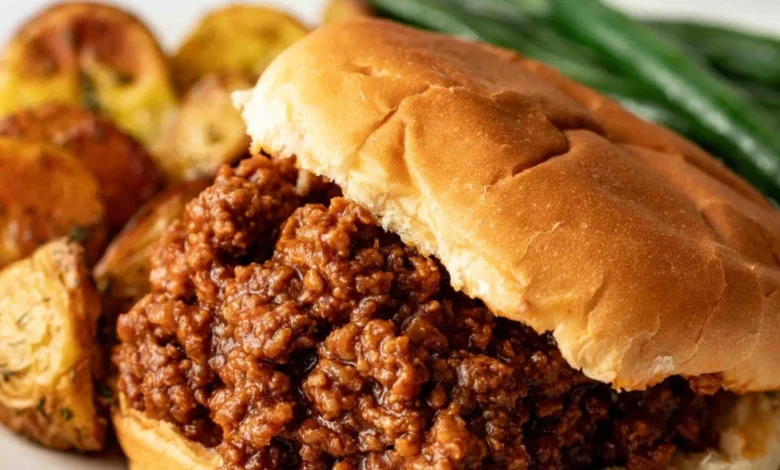
The enduring popularity of the Sloppy Joe as a staple of American comfort food has seen a resurgence in domestic culinary trends, driven by a renewed focus on accessible, time-efficient, and family-oriented meal preparation. While the dish—a loose meat sandwich characterized by a sweet and savory tomato-based sauce—has historically been associated with institutional school lunch programs and mid-century diners, contemporary home cooks are increasingly revisiting the recipe with a modern emphasis on ingredient quality and simplified preparation methods.
Historical Context and Culinary Evolution
The origins of the Sloppy Joe are often traced back to the early 20th century, with various claims to its invention emerging from Iowa and Havana, Cuba. Regardless of its precise geographic origin, the sandwich became a cultural icon in the United States during the post-World War II era. Its rise in popularity was largely attributed to the affordability of ground beef and the convenience of shelf-stable canned sauces. By the 1960s, it had become a cornerstone of the National School Lunch Program, providing a cost-effective, high-protein meal that could be prepared in bulk for large student populations.
In recent years, the dish has transitioned from a utilitarian canteen option to a frequent request in private households. Data from consumer food trends suggest that "retro" comfort foods are currently experiencing a 15% year-over-year increase in social media engagement and search engine queries. Culinary analysts suggest this is a reaction to the complexity of modern "gourmet" home cooking trends, with families seeking predictable, high-satisfaction meals that minimize preparation time without sacrificing palatability.

The Anatomy of a Modernized Sloppy Joe
The traditional Sloppy Joe, while beloved, often faced criticism for high sodium content and the inclusion of various vegetable fillers that some consumers, particularly children, find polarizing. The current trend in home cooking focuses on a "back-to-basics" approach. By eliminating diced onions, peppers, and garlic in favor of concentrated aromatic powders—such as garlic and onion powder—home cooks are achieving a more consistent texture and flavor profile.
This shift represents a strategic optimization of the home kitchen. By utilizing beef bouillon, ketchup, and barbecue sauce as the primary flavor agents, the dish achieves a depth of flavor typically associated with slow-cooking, while remaining achievable in under 30 minutes. This method has been widely adopted by busy families, as evidenced by the high volume of "simple dinner" content currently dominating culinary blogs and lifestyle platforms.
Preparation Methodology and Procedural Efficiency
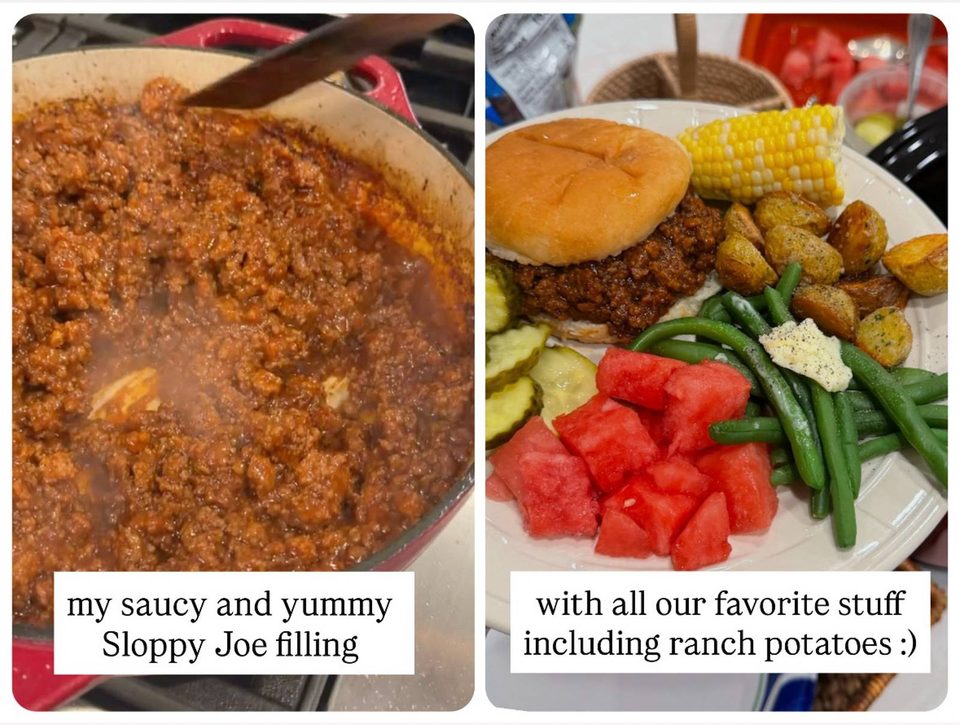
The modern preparation of the Sloppy Joe involves a standardized multi-step process designed to maximize the Maillard reaction, which is essential for developing the deep, savory notes of the ground beef.
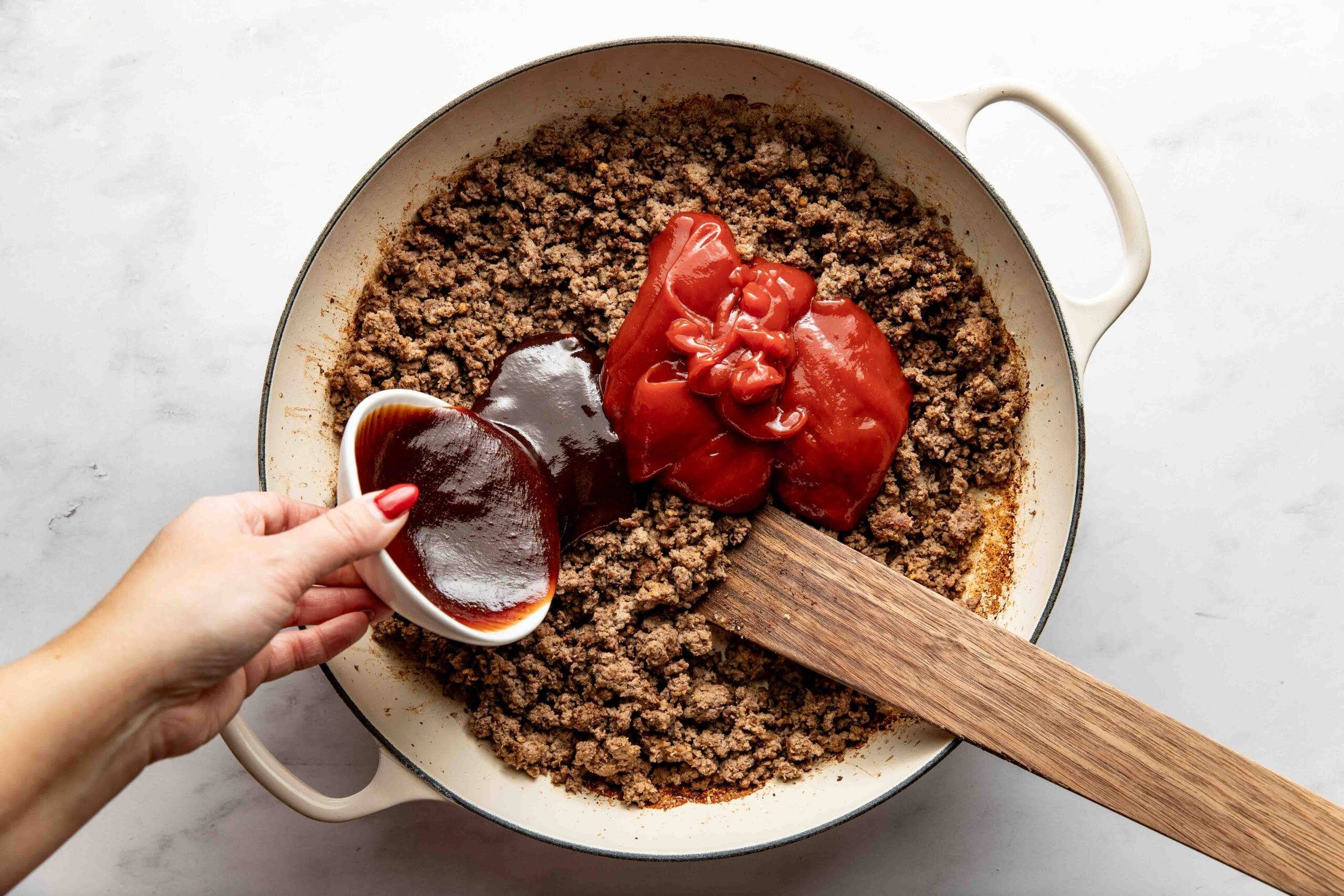
- The Browning Phase: Professional culinary advice emphasizes allowing the ground beef to remain undisturbed in a heated pan. This creates a golden-brown crust, which acts as the foundation for the sauce.
- Flavor Integration: The inclusion of pantry staples like barbecue sauce and ketchup allows for a balanced acidity and sweetness. The addition of beef bouillon is a critical step, as it provides a concentrated umami punch that compensates for the lack of fresh vegetables.
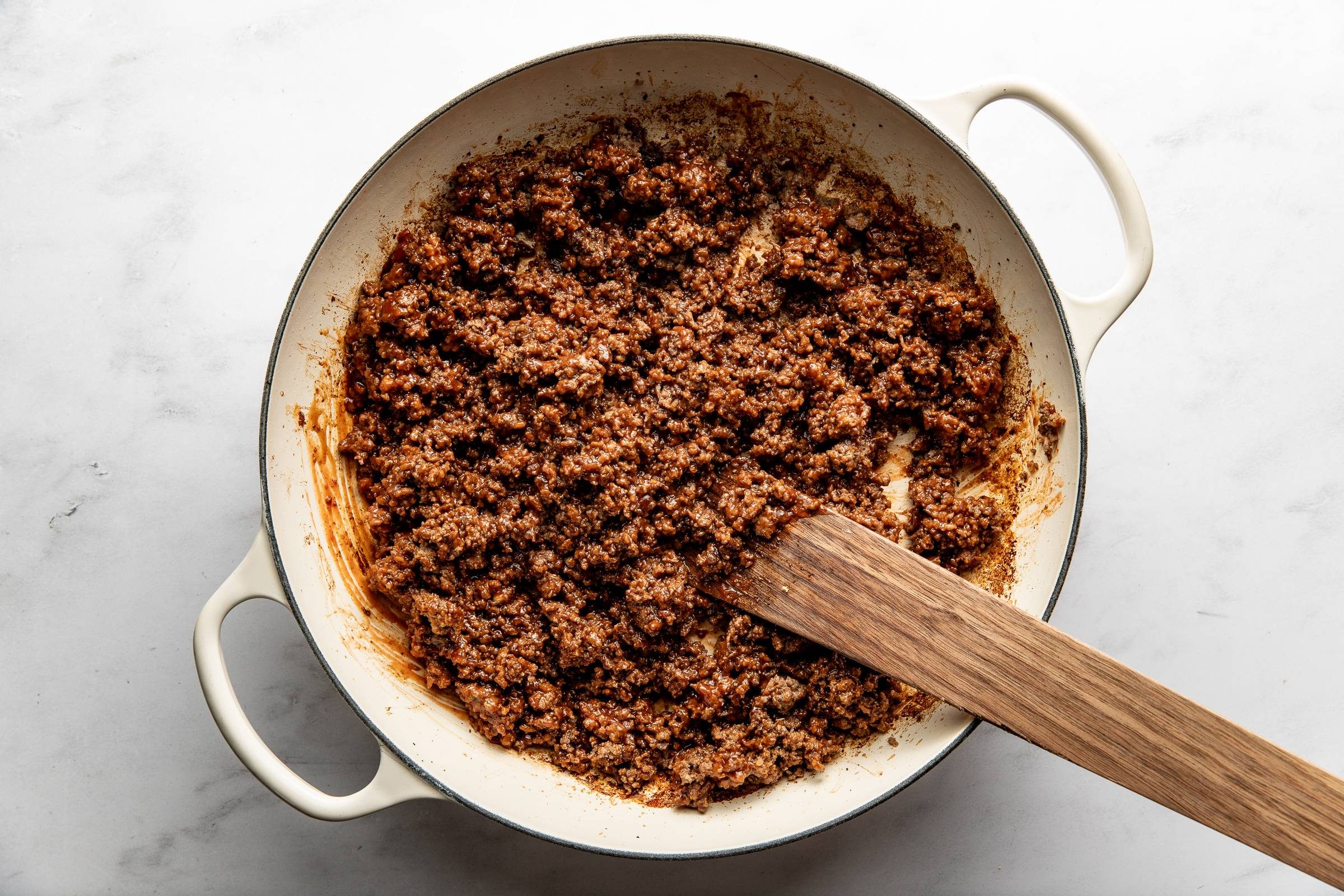
- Consistency Management: The final consistency of the mixture is a point of contention among enthusiasts. Modern techniques advocate for the addition of water to loosen the mixture, ensuring it remains "saucy" rather than dry, which is essential for the sandwich’s characteristic texture.
Complementary Sides: The Rise of Ranch Potatoes
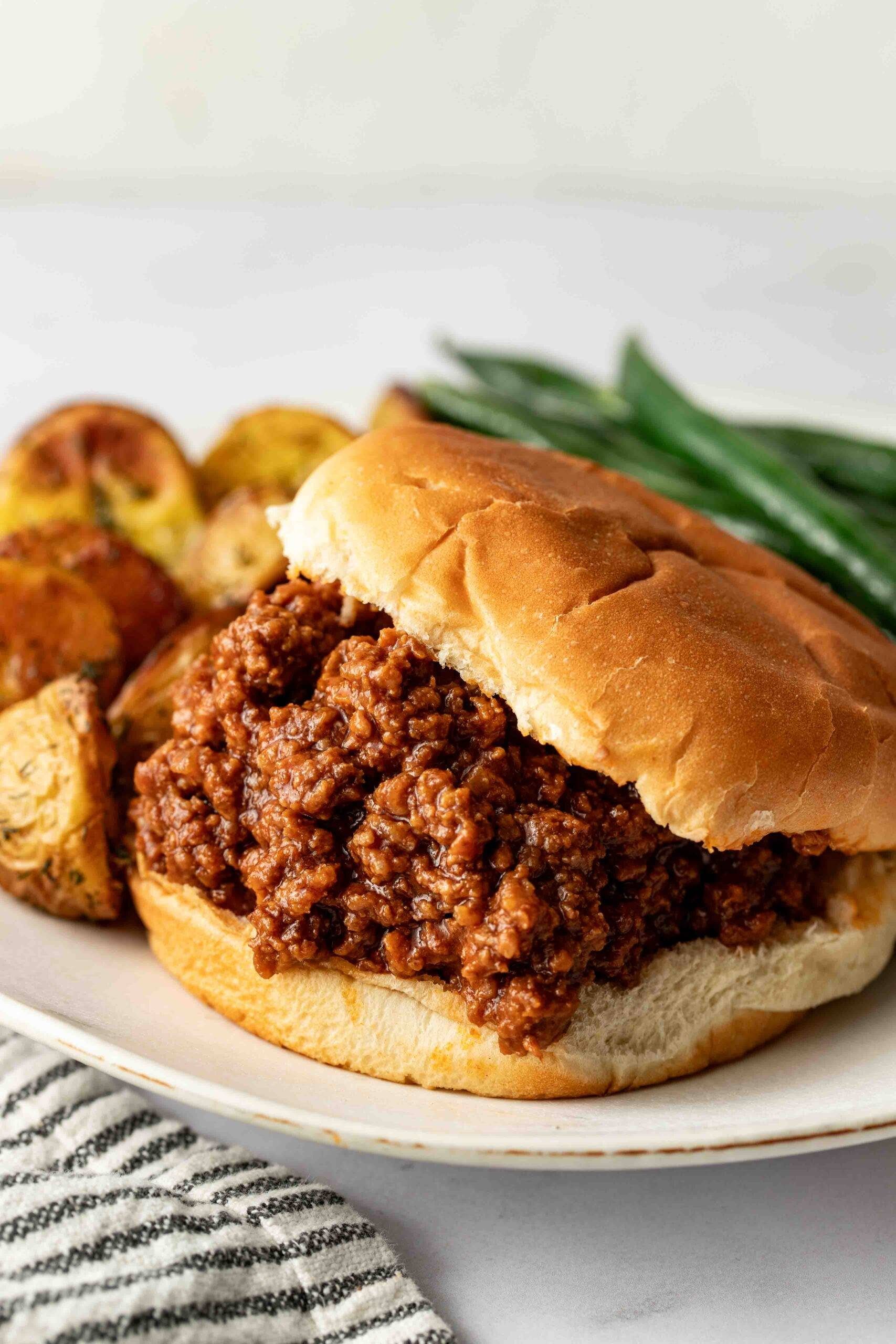
A significant development in the modern presentation of this dish is the inclusion of "Ranch Potatoes." While the classic school-lunch iteration of the Sloppy Joe was traditionally served with plain side dishes, contemporary culinary standards prioritize the pairing of textures. Crispy, butter-roasted potatoes seasoned with ranch powder offer a crunch that contrasts with the soft, tender nature of the sandwich.

This pairing has been validated by domestic food service trends, which favor "high-low" combinations—pairing a humble, classic sandwich with elevated side preparations. For those without access to pre-mixed ranch seasoning, chefs are recommending a blend of fresh dill, garlic, and melted butter, which mimics the flavor profile of the commercial seasoning while offering a fresher, more artisanal result.
Socio-Economic and Household Implications
The preference for these meals among children and adults alike highlights a broader shift toward "emotional eating" within the domestic sphere. Food psychologists note that during periods of social uncertainty, there is a measurable preference for "nostalgic" or "childhood" meals. The Sloppy Joe functions as a comfort object, providing a sense of stability and routine.

Furthermore, the simplicity of the dish allows for high levels of customization. While some households prefer the addition of pickled jalapeños or crispy onions to cater to adult palates, the core mixture remains accessible enough to be served "plain" on a soft white bun for younger children. This versatility makes it an ideal candidate for large-scale family gatherings or birthday celebrations, where satisfying a diverse range of preferences is paramount.
Economic Factors and Market Trends
From an economic standpoint, the reliance on ground beef—a relatively affordable protein—aligns with current consumer efforts to manage grocery budgets. Compared to more labor-intensive or expensive protein sources, the Sloppy Joe is an economically efficient way to feed a family of four to six.
Industry reports indicate that the "Sloppy Joe" search category frequently peaks during the back-to-school season, suggesting that parents are actively looking for reliable, quick-fix meals that mirror the familiar flavors their children encounter in school environments. This alignment between school-menu familiarity and home-kitchen execution serves as a powerful driver for the dish’s continued relevance in the 21st century.
Expert Analysis of Future Trends
Food industry analysts predict that the "Sloppy Joe" will continue to evolve, with an increasing number of versions incorporating alternative proteins—such as ground turkey, plant-based meat substitutes, or a blend of mushrooms and lentils—to cater to health-conscious consumers. However, the core characteristics of the dish—the sauciness, the ease of preparation, and the reliance on savory, umami-forward flavor profiles—are likely to remain the defining features of the recipe for the foreseeable future.
As home cooking continues to prioritize efficiency and comfort, the humble Sloppy Joe stands as a testament to the fact that classic, straightforward recipes often hold more longevity than complex, trend-based culinary experiments. By focusing on quality ingredients and consistent techniques, the modern home cook can elevate this staple, ensuring its place on the dinner table for generations to come. Whether served as a quick weeknight dinner or a special occasion meal, the dish provides a rare intersection of convenience, satisfaction, and cultural history that few other meals can replicate.