The culinary landscape has long been defined by regional boundaries, yet the intersection of distinct gastronomic traditions frequently yields innovative comfort foods that capture widespread public interest. The latest culinary hybrid gaining traction among home cooks and food enthusiasts is a seamless fusion of traditional French soup-making and classic Italian pasta crafting: the French onion ravioli bake. This dish marries the deep, savory complexity of caramelized onions and rich beef broth with the comforting, pillowy texture of stuffed pasta, culminating in a golden-brown casserole topped with bubbling, melted cheese. As home cooking trends continue to prioritize efficiency without sacrificing depth of flavor, this innovative casserole has emerged as a practical yet sophisticated weeknight dinner solution.
Main Facts and Origins of the Fusion
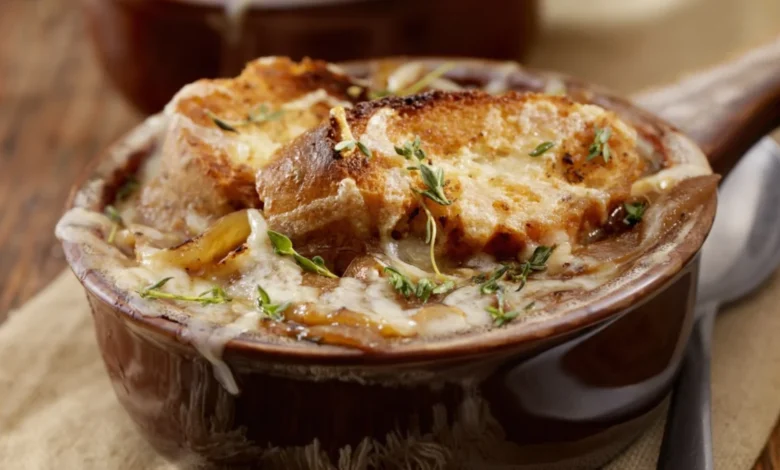
At its core, the French onion ravioli bake deconstructs the essential elements of traditional French onion soup—slow-cooked onions, aromatic herbs, rich broth, and a blanket of melted cheese—and repurposes them as a cooking medium for pasta. In its most streamlined iteration, the recipe requires minimal preparation: uncooked fresh or frozen cheese ravioli are placed in a casserole dish alongside a can of condensed French onion soup and additional beef broth, then generously topped with shredded cheese before being transferred to the oven. As the casserole bakes, the pasta absorbs the seasoned liquid, cooking to a tender consistency while the surrounding broth reduces and concentrates.
Food historians and culinary experts note that fusion dishes of this nature succeed by leveraging complementary flavor profiles. French onion soup relies on the Maillard reaction achieved during the prolonged caramelization of alliums, which releases natural sugars and imparts a deep, umami-rich character. When paired with the neutral, dairy-rich profile of cheese-filled ravioli, the assertive flavor of the broth is mellowed, creating a balanced dish that appeals to a wide variety of palates. Furthermore, the adaptability of the casserole format allows for numerous variations, accommodating diverse dietary preferences and kitchen skill levels.
Evolution and Preparation Methods: From Shortcut to Craft
The culinary evolution of the French onion ravioli bake spans two distinct preparation tiers: the convenience-focused method and the artisanal, scratch-made approach.
In the simplified version, designed for time-constrained cooks, reliance on processed ingredients such as canned condensed soup and pre-packaged frozen ravioli drastically reduces preparation and cleanup time. Proponents of this method emphasize that frozen pasta requires no prior boiling or thawing; it hydrates directly in the oven as it absorbs the surrounding liquids. This technique has made the recipe particularly popular across digital food platforms, where quick-fix dinner solutions frequently trend.
Conversely, culinary purists advocate for a more involved, scratch-made preparation that significantly elevates the final product. By substituting canned soup with a homemade reduction—slow-cooking thinly sliced yellow onions in butter with fresh garlic, thyme, and high-quality beef stock—cooks can achieve a vastly superior depth of flavor. As the onions undergo prolonged caramelization, they release natural sugars that thicken the simmering liquid, producing a rich, velvety sauce that clings to the ravioli. This method transforms a simple weeknight shortcut into a deliberate culinary exercise, bridging the gap between convenience food and gourmet dining.
Customization and Ingredient Variations
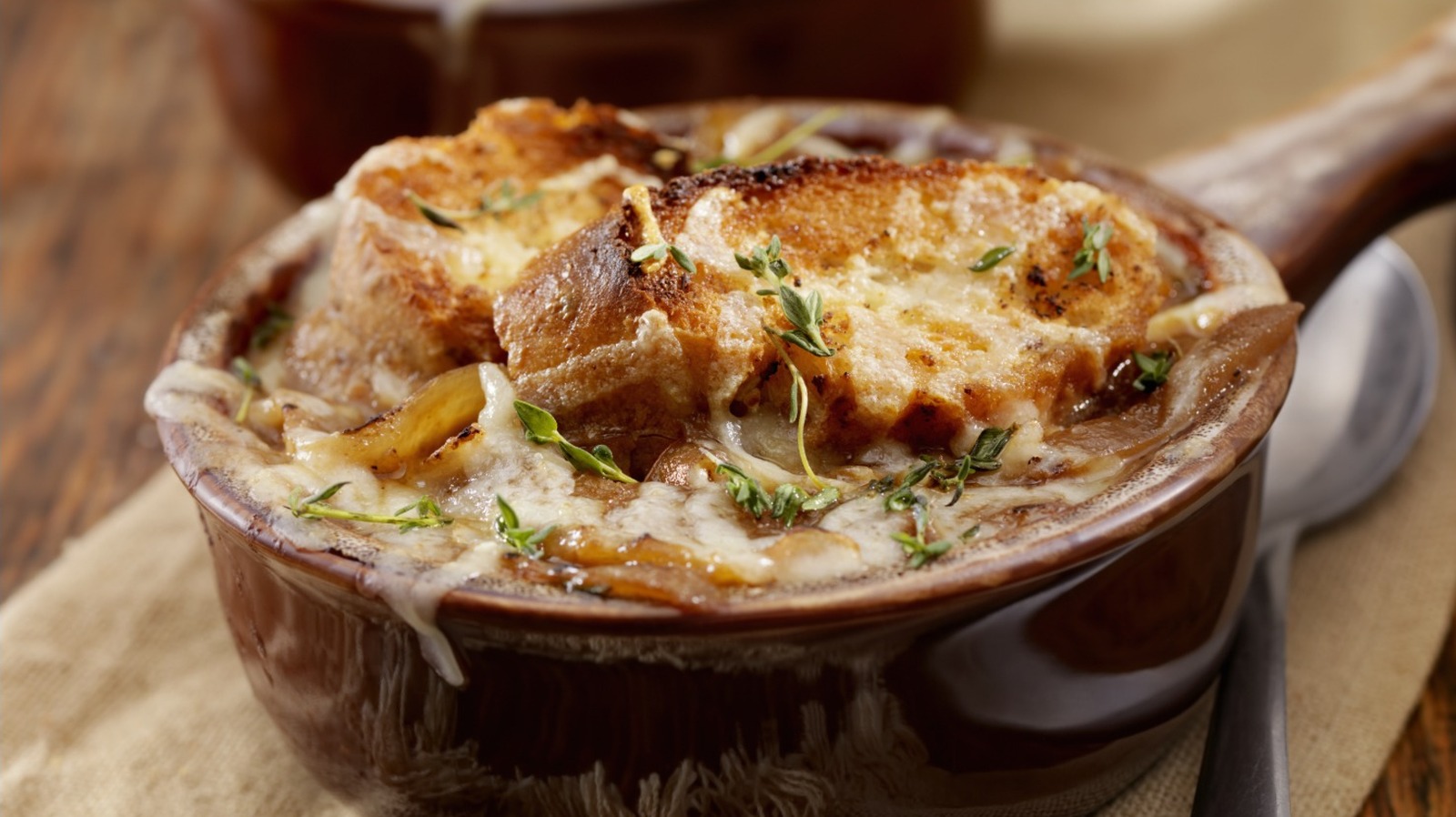
The inherent flexibility of the casserole framework has paved the way for extensive experimentation among home chefs, expanding the dish far beyond its basic formulation.
While cheese ravioli remains the standard baseline, alternative stuffings can dramatically alter the flavor profile. Mushroom-stuffed ravioli, for instance, enhances the natural earthiness of the caramelized onions, creating a robust, forest-forward dish. For those seeking a heavier, meat-forward meal, variations featuring beef, short rib, or sausage fillings integrate seamlessly into the savory broth. On the other end of the spectrum, spinach and ricotta ravioli introduces a lighter, herbaceous note that cuts through the richness of the melted cheese topping.
Cheese selection is another critical variable in the dish’s execution. Traditional French onion soup invariably calls for Gruyère due to its nutty flavor and superior melting capabilities. However, culinary testing indicates that a wide array of cheeses can yield successful results. Swiss, Asiago, low-moisture mozzarella, or customized blends provide the requisite stretch and browning. Additionally, a light dusting of finely grated Parmigiano-Reggiano just before baking introduces a sharp, salty contrast that elevates the overall flavor profile.
Nutritional Enrichment and Meal Expansion
Beyond the core components of pasta, broth, and cheese, contemporary adaptations of the recipe frequently incorporate proteins and vegetables to create a nutritionally balanced, all-in-one meal.
To boost the protein content, cooks often fold pre-cooked shredded chicken, crumbled bacon, or sliced Italian sausage directly into the pasta mixture before baking. For a plant-based alternative, protein-rich white beans can be introduced without disrupting the flavor balance. Furthermore, culinary trends favor the incorporation of green vegetables—such as blanched peas, chopped broccoli, or even caramelized cabbage—to introduce textural contrast, vibrant color, and essential micronutrients to the heavy casserole.
Broader Culinary Implications and Industry Impact
The viral popularity of dishes like the French onion ravioli bake reflects broader shifts in modern consumer behavior regarding home cooking. Market analysts observe an increasing demand for "comfort fusion" recipes that combine familiar, nostalgic flavor profiles with novel presentation formats. This trend is largely driven by digital media platforms, where visually striking, cheese-pull-heavy dishes consistently generate high engagement and widespread replication.
From a culinary perspective, this recipe exemplifies the democratization of cooking techniques, encouraging home cooks to apply principles traditionally reserved for complex stocks and sauces—such as allium caramelization and reduction—to everyday convenience items like frozen pasta. As food culture continues to blur the lines between high gastronomy and accessible home cooking, innovations of this nature demonstrate that remarkable flavor outcomes do not exclusively depend on exhaustive preparation times, but rather on the thoughtful pairing of complementary culinary traditions.