The modern landscape of romance has undergone a profound structural shift over the past two decades, influenced heavily by digital applications, evolving social norms, and a continuous influx of lexicon meant to categorize complex interpersonal dynamics. From terms like ghosting and benching to newer, more visceral additions such as roaching, contemporary dating culture frequently introduces metaphors that highlight the challenges of navigating emotional vulnerability. In the midst of this shifting linguistic and behavioral environment, public figures, cultural commentators, and relationship experts are increasingly weighing in on the realities of modern courtship—touching upon everything from the covert practices of multi-person dating to the growing visibility of consensual non-monogamy.
As dating culture continues to evolve through swipe-based platforms and digital communication, a specialized vocabulary has emerged to describe behaviors that many find deceptive or difficult to navigate. One such term gaining traction in relationship discourse is roaching.
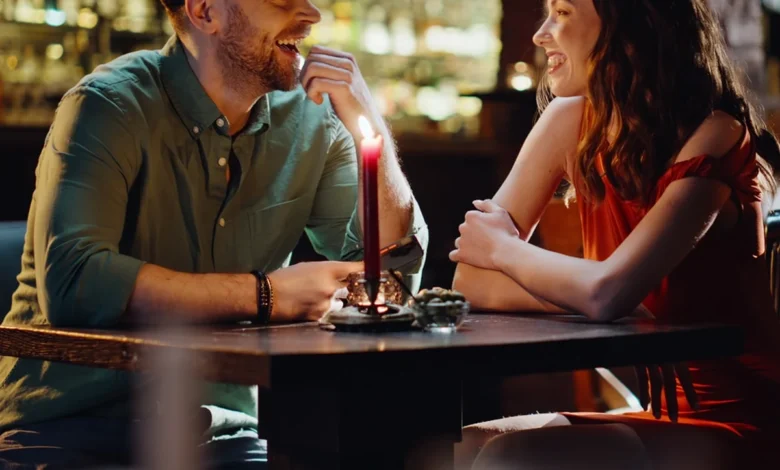
The terminology originates from the colloquial adage regarding household pests: if an individual spots a single cockroach in a living space, it is statistically probable that a significant population remains hidden out of sight. Applied to the realm of modern dating, roaching describes a scenario in which a person secretly dates multiple individuals simultaneously, deliberately concealing the existence of the other partners from everyone involved.
According to relationship experts and dating coaches, this phenomenon typically occurs during the nascent stages of a connection, before formal commitments or exclusive labels have been explicitly established. Dating coach Amy Chan notes that perpetrators of intentional roaching often rationalize their behavior by exploiting the ambiguity of early-stage interactions, hiding behind the lack of a defined relationship status to justify dishonesty by omission.
When the deception is eventually uncovered, the emotional fallout for the unsuspecting partner can be severe. Relationship specialists observe that the sudden revelation shatters trust, leaving individuals questioning the timeline of the relationship and struggling to recover a sense of security in future romantic pursuits. Conversely, what some label as roaching can occasionally stem from poor communication rather than malicious intent. Relationship coach Sabrina Bendory points out that unintentional misalignments frequently occur when two people hold vastly different assumptions regarding exclusivity during the early phases of dating, often referred to colloquially as a situationship. Bendory advises daters to moderate their expectations early on to mitigate the risk of misplaced assumptions.
While deceptive practices like roaching highlight the darker side of modern dating, a parallel conversation is unfolding regarding transparent, consensual non-monogamy and polyamory. Across the cultural landscape, numerous public figures, musicians, and reality television personalities have opened up about their preference for relationship structures that deviate from traditional monogamy. Unlike the covert nature of roaching, these arrangements typically rely on explicit rules, boundaries, and ongoing communication among all parties involved.
The spectrum of non-monogamous relationships among public figures varies widely in structure, philosophy, and longevity. Musician Akon publicly confirmed his involvement in a multi-partner marital arrangement, emphasizing that success in such a dynamic hinges on maturity, rigorous communication, and strict adherence to established boundaries. Similarly, Queer Eye star Jonathan Van Ness and their husband, Mark Peacock, have spoken openly about navigating periodic seasons of an open marriage, balancing individual needs through flexible communication while ruling out full-scale polyamory due to time constraints.
For television personality RuPaul and his husband, Georges LeBar, an open marriage has functioned as a pragmatic approach to long-term partnership since they formalized their relationship. RuPaul has frequently argued that lifelong monogamy is an unrealistic societal expectation, maintaining that an open dynamic allows them to preserve individual autonomy without diminishing their foundational commitment to one another.
Reality television has also brought alternative relationship structures into the mainstream living room. The protracted documentation of plural marriage on series such as Sister Wives, centered around Kody Brown and his former and current spouses, offered viewers an extended look into the complexities, emotional tolls, and eventual disintegration of a high-profile polygamist family. While Brown’s experience ultimately led him to distance himself from advocating for polygamy, various members of the family have expressed differing views on whether they would re-enter similar structures in the future.
Other prominent cultural figures, including musicians Willow Smith, Yungblud, and Omarion, as well as actors Shailene Woodley, Bella Thorne, and Nico Tortorella, have contributed to the broader public dialogue surrounding non-traditional relationship frameworks. Proponents of these structures frequently argue that traditional monogamy is a culturally constructed paradigm rather than a universal mandate, asserting that consenting adults should have the freedom to design relationship models centered around honesty, autonomy, and shared responsibility. Conversely, detractors and those who have transitioned back to monogamy, such as Tortorella, note that shifting life circumstances, family planning, and personal evolution can prompt couples to reevaluate and alter their boundaries over time.
The increasing visibility of both deceptive dating tactics like roaching and transparent explorations of non-monogamy points to a broader cultural transition in how society defines and pursues romantic fulfillment. As traditional milestones and timelines lose their rigid authority, individuals are forced to navigate a landscape characterized by fewer universally accepted rules and a higher degree of personal negotiation.
Psychologists and relationship sociologists analyze these trends as symptoms of a hyper-connected yet emotionally fragmented dating ecosystem. The proliferation of digital platforms has expanded the pool of potential partners exponentially, which can paradoxically lead to a paradox of choice, reduced accountability, and an increased propensity for superficial engagement. Practices like roaching exploit the anonymity and distance afforded by digital communication, making it easier for individuals to compartmentalize their romantic interactions at the expense of others’ emotional well-being.
At the same time, the destigmatization of conversations surrounding alternative relationship models has allowed for a more nuanced public understanding of consent, boundaries, and emotional labor. Whether individuals choose traditional monogamy, navigate the complexities of modern dating nomenclature, or embrace consensual non-monogamy, the underlying consensus among relationship experts remains consistent: clarity, radical honesty, and mutual respect are foundational prerequisites for emotional health.
As the cultural discourse continues to adapt to new terminology and evolving social norms, the primary challenge for modern daters lies in bridging the gap between expectation and reality. Whether confronting the covert deceit of a roacher or establishing clear parameters within an open dynamic, the imperative for conscious, communicative, and ethical engagement has never been more pronounced in the history of human courtship.
Related posts: