Voyager 1 Becomes First Human-Made Object to Reach the One Light-Day Milestone in Deep Space

Early Wednesday, November 18, NASA’s legendary Voyager 1 spacecraft achieved a monumental milestone in the history of human exploration, officially crossing the threshold of one light-day from Earth. Having launched in 1977, the probe is now located approximately 16.1 billion miles (25.9 billion kilometers) from our home planet. This achievement is not merely a geometric curiosity; it represents a profound shift in the scale of human reach, as it now takes a full 24 hours for radio signals, traveling at the constant speed of light, to bridge the gap between the spacecraft and the Deep Space Network antennas back on Earth.
A Legacy of Endurance and Discovery
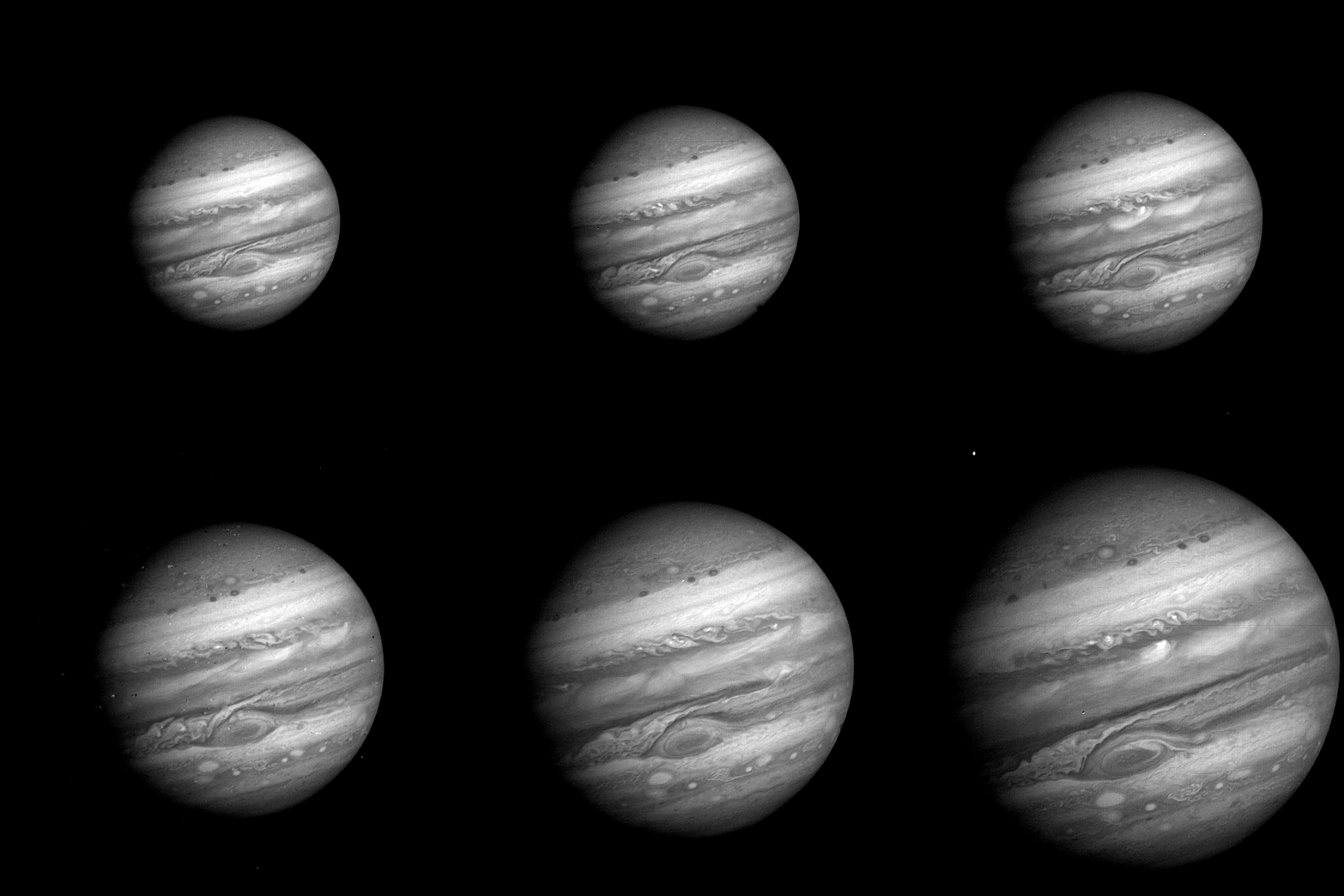
The Voyager program, initiated in the mid-1970s, remains one of the most successful endeavors in the history of the National Aeronautics and Space Administration (NASA). Voyager 1 and its twin, Voyager 2, were designed primarily to perform a "Grand Tour" of the outer planets. Voyager 1 provided humanity with its first close-up looks at the complex, swirling atmospheres of Jupiter and the breathtaking ring systems of Saturn.
Following its primary planetary mission, Voyager 1 was repurposed for an extended mission that has lasted over four decades. It is currently traversing interstellar space—the vast, mysterious region beyond the heliopause, where the solar wind from our sun ceases to exert a dominant influence. As it navigates this uncharted territory, the probe continues to transmit vital data about the interstellar medium, including cosmic ray levels and magnetic field fluctuations, which are essential for understanding the environment outside our solar system.
The Chronology of an Interstellar Journey
To appreciate the significance of the one light-day milestone, one must look at the timeline of the mission:
- September 5, 1977: Voyager 1 launches from Cape Canaveral, Florida, atop a Titan IIIE rocket.
- March 1979: The spacecraft conducts a close flyby of Jupiter, revealing volcanic activity on the moon Io—the first time such phenomena had been observed outside of Earth.
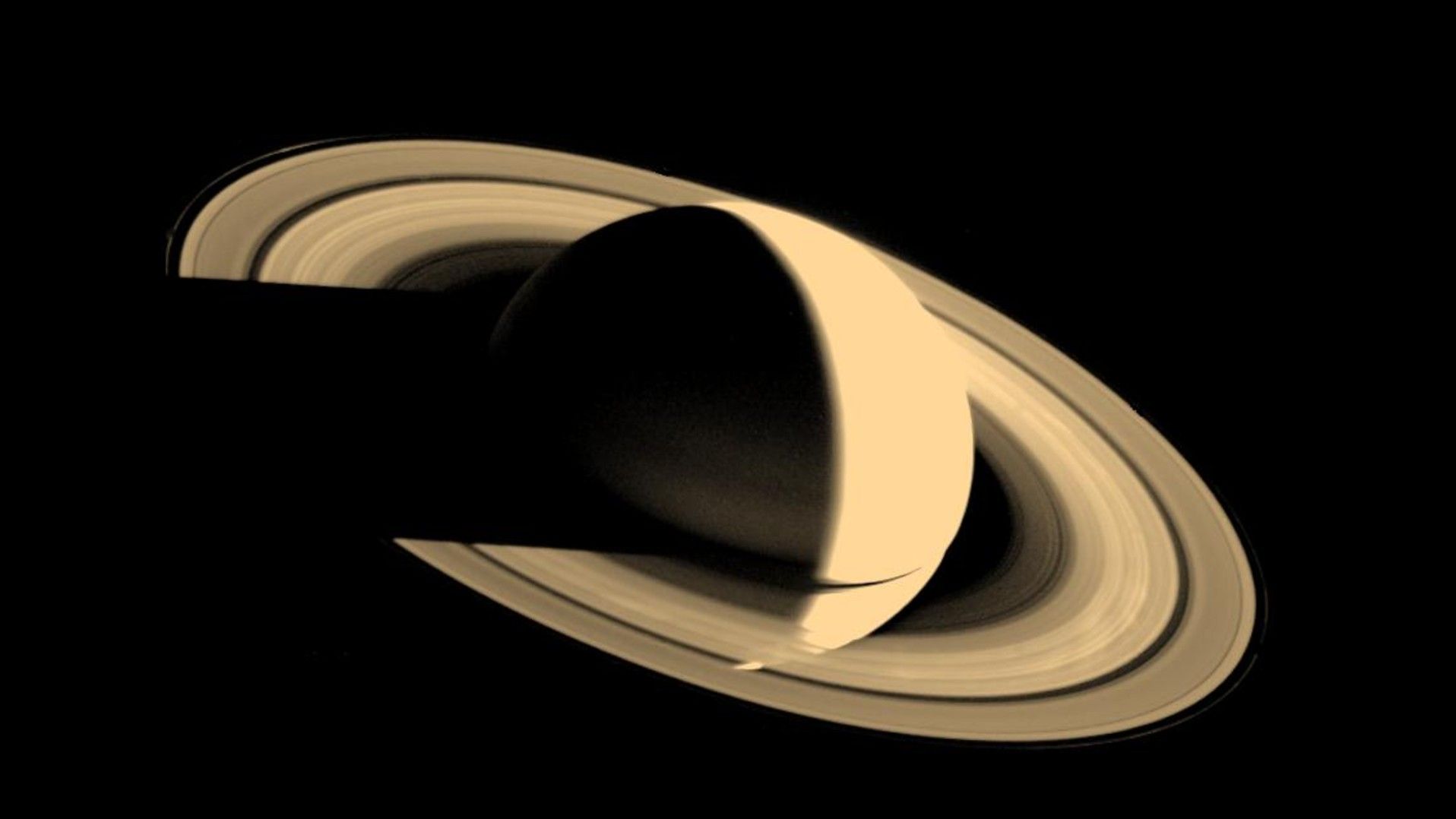
- November 1980: Voyager 1 performs a flyby of Saturn, capturing iconic imagery of the planet’s night side and its complex ring structures.
- February 1990: At the request of astronomer Carl Sagan, the spacecraft turns its camera back toward the inner solar system to take the famous "Pale Blue Dot" photograph, capturing Earth as a tiny speck suspended in a sunbeam.
- August 2012: Voyager 1 officially exits the heliosphere, becoming the first human-made object to enter interstellar space.
- November 2024: The probe reaches the distance of one light-day from Earth, solidifying its status as the most distant human object ever constructed.
Supporting Data and Communication Logistics
The logistics of communicating with a spacecraft that is one light-day away are daunting. Because radio waves travel at the speed of light—approximately 186,282 miles per second (299,792 kilometers per second)—every command sent to the spacecraft requires a 24-hour wait for confirmation. Conversely, every bit of data collected by the aging instruments aboard the probe takes an entire day to arrive at NASA’s Deep Space Network (DSN) complexes in California, Spain, or Australia.
The power budget of the spacecraft is also a critical factor. Voyager 1 is powered by three Radioisotope Thermoelectric Generators (RTGs), which convert the heat from the natural decay of plutonium-238 into electricity. As the isotopes decay, the power output of these generators slowly declines. To keep the probe operational, NASA engineers have had to meticulously turn off non-essential heaters and scientific instruments over the years. Despite these constraints, the probe continues to operate in a "low-power" mode, demonstrating the incredible engineering foresight of the 1970s design team.
Official Perspectives and Technical Resilience
While NASA has not issued a celebratory press conference regarding this specific milestone, the agency’s Jet Propulsion Laboratory (JPL) team has frequently remarked on the "miracle" of the mission’s longevity. Mission controllers often describe the spacecraft as a "time capsule" that continues to teach us about the physics of the galaxy.
Engineers at JPL have faced significant challenges in recent years, including "glitches" in the probe’s telemetry data. In early 2024, the team successfully performed a remote "patch" to the spacecraft’s flight data system, a feat accomplished over billions of miles of vacuum. This ability to perform deep-space repairs on hardware launched nearly 50 years ago remains a gold standard for aerospace engineering and remote systems management.
Broader Implications for Space Exploration
The crossing of the one light-day threshold serves as a symbolic marker for the maturity of human space exploration. It forces a realization of the sheer scale of the universe and the limitations of conventional communication technology. If we were to send a signal to a hypothetical civilization located near Voyager 1, the round-trip time for a "conversation" would be 48 hours. This latency underscores the difficulties inherent in future interstellar travel and deep-space autonomous exploration.
Furthermore, the data returned by Voyager 1 remains scientifically unique. Because no other spacecraft has reached the interstellar medium and remained operational, Voyager 1 is the only direct source of information regarding the "edge" of our solar system. The readings it provides on high-energy particles and magnetic fields are vital for understanding the protection our sun provides to the planets within the heliosphere. As it continues its journey, the probe provides a baseline for future missions, such as the New Horizons probe, which is also heading toward the outer reaches of the solar system.
Looking Toward the Horizon
Voyager 1 is expected to continue transmitting data until roughly 2025 or 2026, at which point the declining power levels of its RTGs will likely necessitate the final shutdown of its scientific instruments. However, the spacecraft will continue its silent journey through the Milky Way for millions of years. It carries with it the Golden Record—a phonograph record containing sounds and images selected to portray the diversity of life and culture on Earth.
The achievement of reaching one light-day serves as a testament to the longevity of human curiosity. In an era where technological devices are often discarded within years of their creation, Voyager 1 stands as a beacon of durability. It has transitioned from a planetary explorer to an interstellar emissary, carrying the legacy of 20th-century ingenuity into the far reaches of the galaxy.
As the spacecraft continues to move away from our sun at a velocity of roughly 38,000 miles per hour, it will eventually pass other star systems, though it will not come within close range of another star for at least 40,000 years. For now, the scientific community continues to monitor the incoming data, treating every transmission as a precious gift from the frontier. The milestone of one light-day is not just a measure of distance, but a measure of human ambition, marking a moment where a creation of humanity has successfully extended its influence into the deep, dark expanse of the interstellar ocean, one full day away from the cradle of its origin.