Fasting Combined with Specific Gut Microbe Accelerates Intestinal Repair Following Radiation Damage

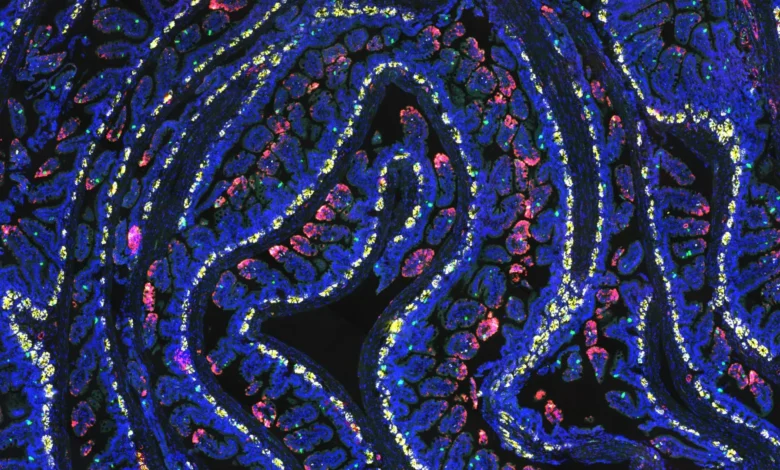
New preclinical research from The University of Texas MD Anderson Cancer Center has uncovered a sophisticated biological synergy between a brief dietary fast and a specific gut microorganism, revealing how the combination activates the body’s natural tissue regeneration pathways. Published in the Proceedings of the National Academy of Sciences, the study demonstrates that a 24-hour fast prepares the delicate lining of the small intestine to withstand and rapidly recover from radiation-induced injury. This protective effect, however, is not driven by fasting alone; it strictly relies on a symbiotic relationship with a resident gut bacterium known as Akkermansia muciniphila.
The findings offer a promising avenue for safeguarding healthy tissues during oncological treatments. By illuminating the cellular and microbial mechanisms that accelerate intestinal healing, researchers hope to mitigate the debilitating side effects of abdominal radiation therapy, thereby enhancing both the safety and potential efficacy of cancer treatments.
Background Context: The Vulnerability of the Gastrointestinal Tract in Cancer Therapy
Radiation therapy remains a cornerstone of modern oncology, utilized extensively to target and eradicate malignant tumors in the abdomen, including colorectal, pancreatic, and gynecological cancers. While high-energy ionizing radiation is a powerful tool for destroying cancer cells, its precision is rarely absolute. Surrounding healthy tissue inevitably absorbs a fraction of the radiation dose.
The small intestine is exceptionally vulnerable to this collateral damage. Its mucosal lining features a rapid cellular turnover, making it highly sensitive to radiation exposure. When radiation destroys this protective barrier, patients frequently experience acute toxicities such as severe nausea, chronic diarrhea, and systemic infections. In the most severe cases, radiation enteritis can lead to life-threatening complications, including bowel perforation and sepsis.
These severe risks impose strict clinical limitations on the dosage oncologists can safely administer, occasionally compromising the overall effectiveness of the cancer treatment protocol. Finding ways to protect and rapidly regenerate this vital gastrointestinal lining has therefore remained a critical, long-standing objective in radiation oncology.
Chronology of Discovery: From Laboratory Observations to Microbial Identification
The path to this discovery began years earlier in the experimental laboratories at MD Anderson. Previous preclinical investigations led by the Piwnica-Worms Laboratory established a foundational observation: subjecting murine models to a brief, 24-hour fast prior to radiation exposure conferred a remarkable protective effect, significantly enhancing post-injury intestinal recovery.
However, the precise physiological and molecular drivers behind this phenomenon remained elusive. While scientists recognized that fasting triggered metabolic shifts, the mechanism by which going without food translated into targeted cellular protection in the gut was not understood.
The latest study bridges this critical knowledge gap. By deploying advanced genomic, metabolomic, and microbiological techniques, the co-lead investigators—Dr. Helen Piwnica-Worms, professor of Experimental Radiation Oncology, and Dr. Kunal Rai, professor of Genomic Medicine—traced the protective response down to a specific microbial player and its metabolic output.
Molecular Mechanics: How Fasting and Microbes Rewire Intestinal Cells
The research team discovered that a 24-hour period of fasting induces a substantial proliferation of a beneficial, mucin-degrading bacterium known as Akkermansia muciniphila (AKK) within the lumen of the small intestine. As AKK metabolizes, it produces a short-chain fatty acid called propionate.
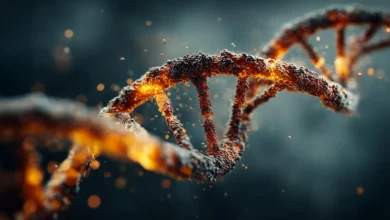
Propionate acts as a critical signaling molecule. Working in tandem with systemic metabolic alterations induced by the fast, propionate influences epigenetic modifications within intestinal stem and progenitor cells. Specifically, these metabolites alter histones—the protein spools around which DNA is tightly wound.
By adding small chemical markers to these histone structures, the cell modifies chromatin accessibility without altering the underlying genetic sequence. Portions of the DNA housing tissue-regeneration and stress-response genes become uncoiled and accessible. Consequently, fasting primes a specialized population of intestinal cells, equipping them with an activated transcriptional program.
"Fasting helps prepare intestinal cells to respond more quickly and effectively after injury, almost like training the cells with an emergency preparedness plan," explained Dr. Piwnica-Worms. "This study helps explain how that plan is organized and identifies a key bacterium involved in coordinating the response."
When the intestines are subsequently exposed to therapeutic radiation, these pre-programmed cells are uniquely positioned to rapidly expand and reconstitute the damaged epithelial barrier, averting catastrophic tissue degradation.
The Essential Role of Akkermansia muciniphila
To rigorously test the necessity of AKK in this regenerative cascade, the researchers conducted depletion experiments. When the bacterium was selectively eliminated from the microbiome, the protective benefits of the 24-hour fast were entirely abolished; fasting alone no longer accelerated intestinal recovery following radiation exposure.
Crucially, when AKK was reintroduced to the microbiome alongside the fasting protocol, the protective response was fully restored. This empirical evidence confirmed that neither the nutritional intervention nor the microorganism alone is sufficient to mount the robust tissue-repair mechanism. The protective effect is strictly contingent upon the cooperative interaction between the host’s metabolic state under fasting conditions and the metabolic activity of Akkermansia muciniphila.
Implications for Clinical Practice and Patient Care
While the findings represent a significant leap forward in understanding host-microbiome interactions and radiation biology, the authors emphasize that the research remains in the preclinical phase. Translating these insights from animal models to human oncology will require extensive clinical investigation.
If future clinical trials corroborate these findings, the implications for cancer patients could be profound. Abdominal radiation therapy could become significantly safer, allowing oncologists to deliver optimal tumor-cidal doses with a reduced risk of debilitating gastrointestinal side effects. Furthermore, researchers are eager to explore whether this regenerative pathway can be leveraged to protect other rapidly dividing healthy tissues susceptible to treatment damage, such as bone marrow.
Crucially, recognizing that a specific bacterium and its metabolite mediate the response opens up therapeutic avenues that circumvent the need for patients to undergo strict dietary restrictions. Fasting during active cancer therapy is frequently impractical, contraindicated, or simply intolerable for patients already suffering from systemic illness, malnutrition, or treatment-related fatigue.
"Fasting is not always practical for cancer patients, and this work supports several other potential ways to enhance recovery after treatment," noted Dr. Rai. "Whether through dietary interventions, targeted microbes, or their metabolites, the goal is to help repair healthy tissue more effectively while patients receive the cancer therapies they need."
Future Outlook and Funding Support
As the scientific community looks toward translation, researchers envision the development of targeted prebiotics, probiotics (specifically formulations containing Akkermansia muciniphila), or postbiotics—synthetic or purified metabolites like propionate—that could be administered alongside standard radiation protocols to artificially induce the protective epigenetic state without requiring patient fasting.
This research was made possible through major institutional and federal support, receiving primary funding from the National Cancer Institute (NCI), a component of the National Institutes of Health (NIH), alongside critical backing from the Cancer Prevention and Research Institute of Texas (CPRIT). As investigations progress toward human clinical trials, this multidisciplinary convergence of oncology, microbiology, and metabolism holds the potential to redefine supportive care standards in modern cancer therapy.