Mullin Signals Openness to Congressional DACA Talks as Trump Administration Weighs Post-Midterm Legislative Strategy

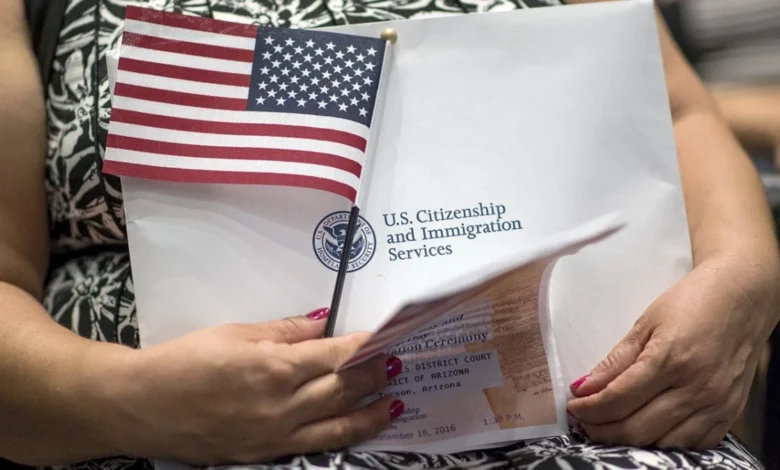
Department of Homeland Security Secretary Markwayne Mullin has revealed that President Donald Trump has encouraged him to engage with Democratic lawmakers seeking a dialogue on potential immigration reform following the 2026 midterm elections. While the administration remains strictly opposed to broad amnesty and maintains that no changes to current enforcement policies have been formally discussed, Mullin’s recent remarks suggest a nuanced shift in tone, particularly regarding the potential for Congress to craft a legislative pathway for recipients of the Deferred Action for Childhood Arrivals (DACA) program.
Speaking on the sidelines of a counter-drone conference in Maryland, Mullin told reporters that a significant number of Democratic legislators have reached out to initiate bipartisan talks on immigration. The outreach arrives at a critical political juncture as the White House recalibrates its legislative and governance strategy in the wake of the 2026 midterms.
The Genesis of Bipartisan Outreach
The dialogue between administration officials and congressional Democrats began to take shape immediately after the 2026 midterm elections, which altered the legislative balance of power in Washington. Faced with a newly configured Congress, President Trump signaled a pragmatic willingness to listen to lawmakers across the aisle regarding potential legislative solutions for long-standing immigration challenges.
Mullin reported that he promptly informed the president of the incoming inquiries from Capitol Hill. According to the Homeland Security Secretary, Trump’s response was open to engagement: "Let’s start working with them and then let’s meet at some point."
Despite this green light for exploratory discussions, Mullin was careful to draw a firm line between legislative negotiations and executive enforcement mandates. When pressed by reporters on whether the administration had considered altering its day-to-day enforcement protocols, Mullin was unequivocal. "Has there been a conversation about changing the policy? No, we haven’t had that conversation," Mullin stated, reinforcing that the administration’s core operational posture remains firmly centered on border security and interior enforcement. "We’re never going to allow amnesty to happen."
A Shift in Rhetoric on DACA
Mullin’s openness regarding the future of DACA recipients marks a notable departure from previous Department of Homeland Security messaging. Earlier in the year, the agency adopted a much harder line regarding the program, which provides temporary deportation relief and work authorization to eligible individuals brought to the United States as minors.
In a March statement published on social media platform X, DHS explicitly emphasized that DACA "does not confer any form of legal status in this country," while warning that recipients remained subject to arrest and deportation if they engaged in criminal conduct. The post highlighted testimony from then-DHS Secretary Kristi Noem before the Senate, wherein lawmakers discussed the mandatory criminal background checks required for DACA applicants. Furthermore, DHS data released around that period indicated that Immigration and Customs Enforcement (ICE) had arrested 264 DACA recipients between January 20 and September 28, 2025, asserting that more than 92% of those arrested had pending criminal charges or prior convictions in the United States.

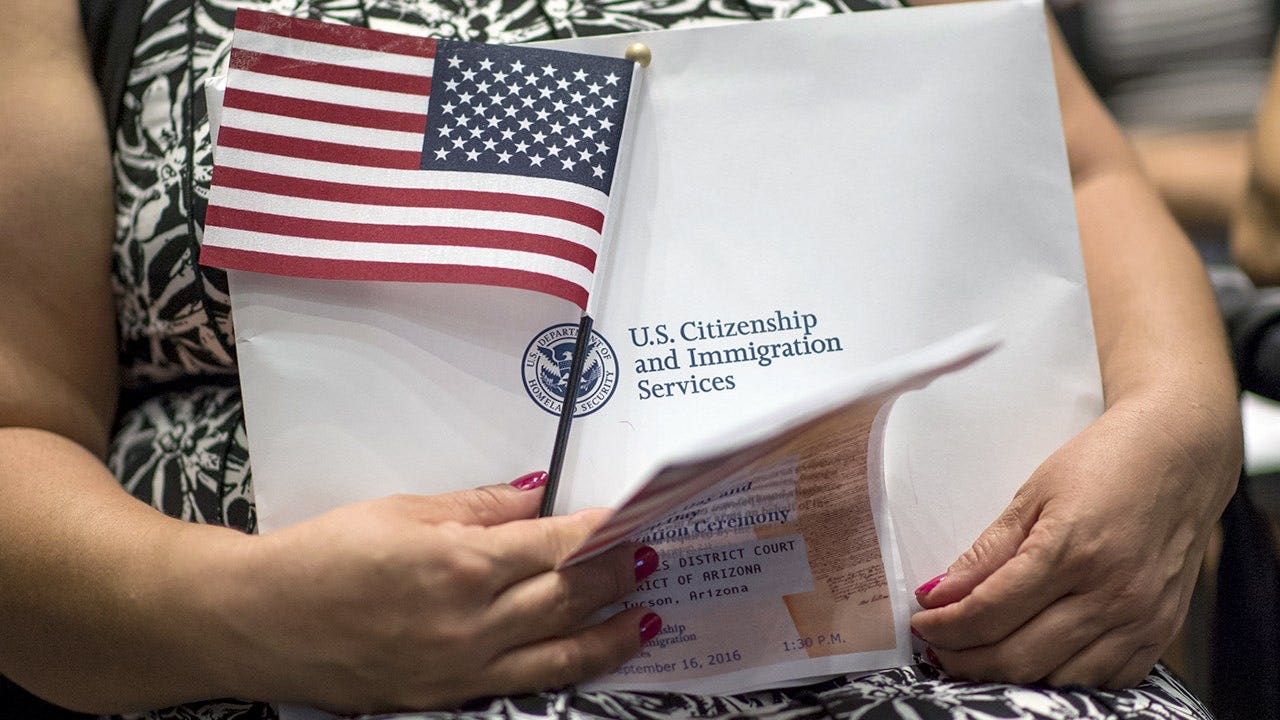
Against this backdrop of strict enforcement, Mullin’s recent statements introducing the possibility of congressional action represent a distinct evolution. "If we want to have an immigration reform to where we can look at DACA and figure out a way that these individuals can become maybe legal permanent citizens or something like this, that’ll be up to Congress," Mullin explained. By explicitly deferring the matter to Capitol Hill while validating the conversation, the administration has opened a door that was previously kept tightly sealed.
Internal Administration Dynamics and Shifting Personnel
The exploration of potential legislative deals with Democrats coincides with significant internal realignments within the Trump administration. Following the midterm elections, President Trump appointed Stephen Miller—the chief architect of the administration’s hardline immigration policies—as his new White House chief of staff, replacing Susie Wiles.
The elevation of Miller has drawn intense reactions across Washington. House Republicans recently erupted in internal debate, with some expressing deep concern over the direction of administration policy, while congressional Democrats, including incoming House Oversight Committee leader Representative Robert Garcia, warned of heightened scrutiny and potential investigations into administration pardons and key personnel.
This dichotomy—pairing a hardline operational strategist like Miller at the helm of the West Wing with exploratory legislative outreach by cabinet secretaries like Mullin—highlights the complex political balancing act facing the executive branch. The administration must simultaneously satisfy its conservative base, which remains deeply skeptical of any perceived compromises on immigration, while navigating a divided or tightly contested Congress that demands legislative outcomes.
Broader Implications for Immigration Policy
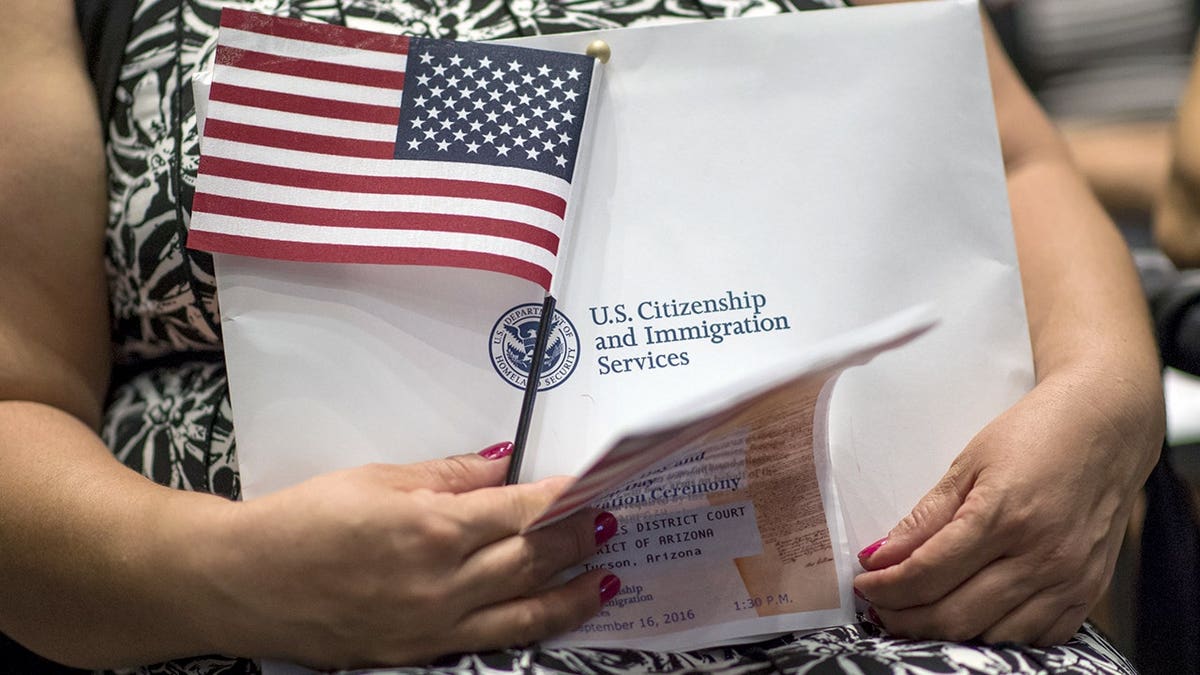
The prospect of Congress addressing DACA through bipartisan legislation carries profound implications for millions of stakeholders and the broader debate over comprehensive immigration reform. For over a decade, DACA has existed in legal limbo, sustained primarily through administrative actions and prolonged federal court battles rather than permanent legislative consensus.
Legal experts and policy analysts note that while Mullin’s comments do not constitute an official administration policy proposal, they signal a recognition within the executive branch that certain immigration issues cannot be resolved purely through executive enforcement. By throwing the question back to the legislative branch, the administration is effectively challenging lawmakers to forge a durable statutory solution rather than relying on temporary executive orders that remain vulnerable to judicial challenges.
However, bridging the gap between congressional Democrats—who generally favor a broad pathway to citizenship for undocumented populations—and conservative Republicans—who view any form of regularization as unacceptable amnesty—remains a formidable legislative hurdle. The inclusion of figures associated with strict enforcement protocols ensures that any potential compromise will face rigorous scrutiny from hardline lawmakers who oppose any mechanism granting permanent legal status to individuals who entered the country unlawfully.
As exploratory talks between the Department of Homeland Security and interested lawmakers continue to develop, the coming months will test whether bipartisan consensus is achievable on one of the nation’s most polarized policy fronts. For now, the administration maintains its dual commitment: uncompromising enforcement at the border and interior, paired with a willingness to listen to congressional proposals regarding the complex humanitarian and legal questions surrounding long-term residents.