Bong Joon Ho revisits The Host for a 20th-anniversary 4K restoration that highlights the enduring relevance of his monster movie satire

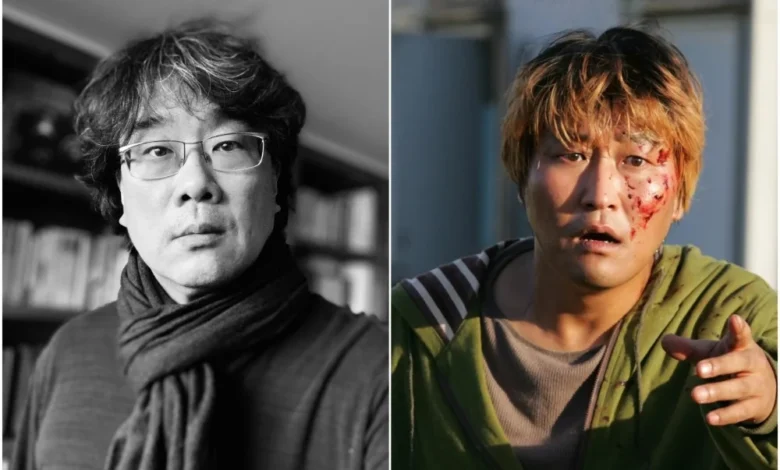
Two decades after it first terrorized audiences and redefined the creature-feature genre, Bong Joon Ho’s masterpiece The Host is set to return to the silver screen. Magnolia Pictures has announced a nationwide theatrical run for the film’s new 4K restoration, scheduled to begin on November 20. This re-release serves not merely as a celebration of the film’s technical ingenuity but as a stark reminder of the thematic longevity of Bong’s work, particularly regarding his critique of systemic misinformation and bureaucratic incompetence.
The remastered version of the film arrives with an added layer of prestige; screenings on November 21 and 23 will feature an exclusive, recorded conversation between Bong and acclaimed filmmaker Edgar Wright, offering a deep dive into the evolution of the genre and the specific directorial choices that elevated The Host from a simple monster movie into a seminal piece of South Korean cinema.
A Cinematic Milestone: The Genesis of The Host
Released in 2006, The Host was a monumental success that shattered domestic box office records in South Korea, eventually becoming the highest-grossing film in the nation’s history at the time. The narrative follows the dysfunctional Park family—led by the bumbling yet devoted Gang-du, played by Bong’s frequent collaborator Song Kang-ho—as they fight to rescue their daughter, Hyun-seo, from a grotesque amphibious creature that emerges from the Han River.
The film’s production was a massive undertaking, utilizing the expertise of New Zealand’s Weta Workshop for creature design and The Orphanage for visual effects. At the time, these effects were groundbreaking, blending physical models with early digital animation to create a monster that felt visceral, unpredictable, and physically grounded in the Seoul landscape.
For Bong, the restoration process was an exercise in preservation rather than revision. Collaborating with his longtime cinematographer, Kim Hyung-ku, Bong sought to recapture the specific color palette of the original 35mm Fuji film stock. "Ironically, we were using digital technology to enhance the film look of the movie," Bong noted, emphasizing that the goal was to simulate the experience of watching a fresh 35mm print, much like the one that premiered at the Cannes Film Festival in 2006.
The Persistence of Satire: Misinformation in the Age of Crisis
While the monster is the film’s headline, its heart is a biting political satire. Bong originally penned the script during the SARS outbreak, but he explicitly infused the narrative with a critique of the geopolitical climate of the early 2000s, specifically the justifications provided for the Iraq War. The film’s centerpiece—a scene in which U.S. officials admit that a viral threat was entirely fabricated—was intended as a direct commentary on the misinformation regarding weapons of mass destruction.
In retrospect, the film has aged with haunting precision. As the world navigated the complexities of the COVID-19 pandemic and observed modern conflicts, the themes of public panic, state-sponsored misinformation, and the struggle of the common citizen against indifferent institutions have regained an uncomfortable relevance.
"Now we’re in the thick of the Iran War and we’re still in the midst of an ongoing war, and whether it’s good history or bad history, it seems like we as a community, as a whole, are repeating our mistakes," Bong reflected. "Although the film has stayed the same, the history is repeating itself and making the film relevant again."
Technical Preservation and the "Journal" Philosophy
The restoration process for a film of this vintage presents unique challenges, particularly regarding visual effects. Because The Host was completed before 4K standards were industry-wide, the digital elements had to be carefully upscaled. Bong expressed satisfaction with how the creature integrates into the 4K environment, though he acknowledged that he can still identify minor flaws in the CGI.
Despite these imperfections, the director has adamantly refused to alter the film. Drawing a parallel to his own personal journals, Bong insisted that a film serves as a historical record of the artist at a specific point in time. He referenced Ridley Scott’s propensity for editing his older films—such as the various cuts of Alien—but noted that he resisted the urge to trim even a single shot from The Host. "I also had that kind of impulse, but luckily I was able to hold myself back," he stated, keeping his specific reservations a secret.
This commitment to the original vision extends to the sound design. Working with his long-term partners at the Seoul-based facility Livetone, Bong ensured that the original sound library was preserved. The creature’s iconic vocalizations, which were crafted by layering the sounds of sea lions with the performance of actor Oh Dal-su, have been carefully balanced for the modern theatrical experience. While there is potential to mix the film in Dolby Atmos, the director is prioritizing the integrity of the soundscape that first captivated audiences in 2006.
Chronology and Future Directions
The timeline of Bong Joon Ho’s career is marked by a consistent evolution of style, beginning with early works like Barking Dogs Never Bite (2000) and Memories of Murder (2003). The success of The Host in 2006 provided the capital and international reputation required to pursue more experimental projects, leading eventually to the global phenomenon of Parasite (2019). Parasite made history by becoming the first non-English-language film to win the Academy Award for Best Picture, cementing Bong as one of the most influential directors of the 21st century.
Looking ahead, Bong is moving away from the large-scale, high-budget blockbusters of his recent output to return to his roots. Having recently completed work on his upcoming animated feature, Ally, he has confirmed that his focus will shift toward a series of crime and horror films. "I want to return home," Bong said, signaling a desire for smaller-scale, character-driven narratives that align with the grit and thematic intensity of his earlier filmography.
Implications for the Industry
The 4K restoration of The Host serves as a case study for the value of back-catalog preservation. As streaming platforms and digital archives dominate the distribution landscape, the theatrical re-release of such films provides a communal experience that digital files cannot replicate.
From an industry perspective, the success of these restorations underscores a growing appetite for "prestige genre" cinema—films that balance high-concept entertainment with rigorous social commentary. Bong’s insistence on keeping the film as a "record" of his past self offers a refreshing perspective in an era of constant, often unnecessary, creative revisions. By refusing to update the film’s visual or narrative structure to fit modern sensibilities, he validates the idea that cinema should be treated as a permanent artifact.
As audiences prepare to revisit the Han River incident, the impact of The Host is measured not just by the box office receipts of 2006, but by its continued presence in film education and cultural discourse. For a new generation of viewers who may have only encountered Bong through the lens of Parasite, the 4K restoration of The Host provides a vital link to the origins of a master filmmaker. It is a rare opportunity to see a modern classic in its most pristine form, unburdened by the digital tampering that often strips older films of their original character.
With the November 20 release, Magnolia Pictures expects to draw both nostalgic fans of the original release and new audiences eager to witness the film that first signaled Bong Joon Ho’s arrival as a global force. In an era where misinformation and institutional distrust remain at the forefront of the social consciousness, the film’s return is as timely as it is necessary.