Arthur Celebrates 30 Years: Looking Back at the Legacy of PBS Kids’ Iconic Animated Series and Its Groundbreaking Finale

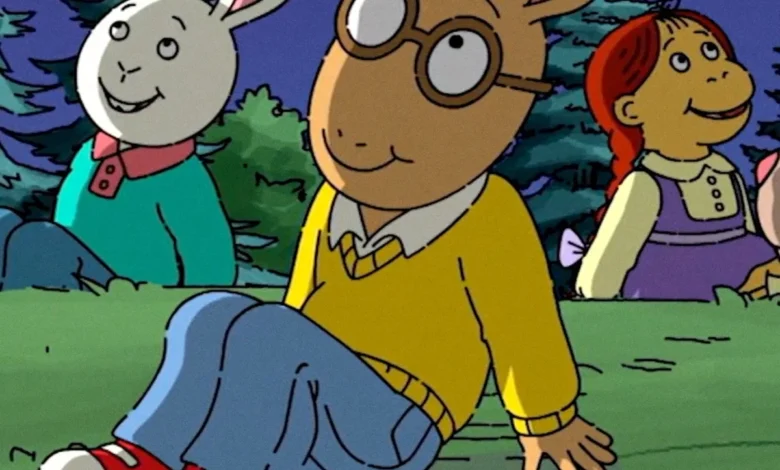
It has been three decades since the bespectacled, anthropomorphic aardvark first stepped onto television screens and into the living rooms of millions of children and families worldwide. Arthur, the beloved animated children’s television series based on Marc Brown’s celebrated Arthur Adventure book series, is officially celebrating its 30th anniversary. To mark this major milestone, PBS Kids announced a special programming event, scheduling a marathon of fan-favorite episodes for November 7 and 8, offering nostalgic viewers and a new generation an opportunity to revisit Elwood City.
When the series originally premiered on PBS Kids in October 1996, few could have predicted the profound cultural footprint it would leave. Running for a record-breaking 25 seasons and producing over 250 episodes before officially concluding in 2022, Arthur secured its place in television history as the longest-running children’s animated series in the United States. Beyond its longevity, the show earned international acclaim, multiple Daytime Emmy Awards, and a permanent place in the collective memory of the millennial and Gen Z generations.
As the series reaches its 30th year, industry analysts, educators, and creators are reflecting on the unique blend of educational value, emotional depth, and cultural relevance that allowed a cartoon aardvark to transcend children’s television and become a timeless fixture of modern pop culture.
A Humble Book Beginning and a Historic Television Run
The story of Arthur Read began long before his animated television debut. Author and illustrator Marc Brown published the first book in the series, Arthur’s Eyes, in 1976, twenty years before the PBS premiere. The books focused on relatable childhood anxieties, social dynamics, and family interactions through the eyes of an ordinary, if distinct-looking, eight-year-old aardvark.
In the mid-1990s, WGBH Boston (now GBH Kids) partnered with CineGroupe to adapt Brown’s literary creations into an animated format. From its inception, Arthur was designed to be more than just entertainment. It aimed to address the complexities of childhood development, emotional intelligence, and social issues in a manner that was accessible, empathetic, and engaging for young viewers.
Over its quarter-century run, the series tackled topics rarely explored in children’s television at the time. While episodes frequently emphasized traditional educational themes—such as the importance of reading, obtaining a library card, and doing homework—the writers also fearlessly dove into more sensitive subjects. Arthur addressed dyslexia, cancer, asthma, autism, Alzheimer’s disease, divorce, economic disparities, and the emotional toll of bullying. By treating its young audience with respect and intellectual maturity, the show fostered an environment of inclusivity and understanding that resonated deeply with viewers.
The Bittersweet Conclusion: Where Are They Now?
When PBS Kids announced in 2021 that the 25th season would be the show’s last, the news was met with a wave of bittersweet nostalgia from adult fans who had grown up alongside Arthur and his friends: Buster Baxter, D.W. Read, Muffy Crosswire, Francine Frensky, and Binky Barnes.
The series finale, which aired in February 2022, provided closure while offering a remarkably creative narrative twist. Titled "All Grown Up," the final episode utilized a flash-forward mechanism, transporting viewers 20 years into the future to reveal the adult lives of Elwood City’s most famous residents.
The finale revealed that Arthur Read had pursued a career as a graphic novelist, working in a studio environment complete with a 2010-era Justin Bieber-style hair swoosh and light stubble. In a brilliant meta-narrative reveal, the episode established that the entire series of Arthur was, in fact, Arthur’s autobiographical graphic novel documenting his childhood.
Other characters experienced equally fitting adult trajectories. Buster Baxter, Arthur’s loyal and alien-obsessed best friend, became a dedicated, albeit visibly exhausted, school teacher. D.W., Arthur’s famously sassy younger sister, grew up to join law enforcement as a police officer—a career path that many fans noted felt entirely appropriate given her childhood penchant for rules and authority. Muffy Crosswire, the affluent and ambitious fashionista, entered local politics, running for mayor of Elwood City. Francine Frensky embraced her leadership qualities and entrepreneurial spirit to head a major athletic apparel company, sporting a chic new hairstyle and gold hoop earrings. Meanwhile, Binky Barnes found a career in broadcast media, working as a television weatherman.
The finale effectively bridged the gap between childhood innocence and adult reality, leaving fans with a profound sense of closure and emotional resonance.
Cultural Legacy in the Age of Social Media
While new episodes ceased production following the 2022 finale, Arthur’s presence in the public consciousness has scarcely diminished. In the digital age, the series found a second life as an enduring meme format, crossing cultural boundaries and cementing its status as an internet icon.
Perhaps the most famous cultural artifact to emerge from the show’s digital afterlife is "Fist Arthur"—an image of Arthur clenching his hand into a tight fist in frustration. The image became a ubiquitous internet reaction for universal moments of stress, annoyance, and petty grievances, utilized by millions of social media users worldwide, including professional athletes, musicians, and public figures.
Series creator Marc Brown has frequently expressed amazement at how organically the characters transitioned into modern digital vernacular. In a 2022 interview with E! News, Brown reflected on the phenomenon: "I am amazed that these young people who grew up with Arthur, that these characters have stayed with them and made an impression on how they think. The fact that they’re using a character’s personality as a reference point in their social media, I find that very interesting. And it makes me pleased that these characters have become that iconic that other people understand what they’re saying."
This enduring relevance highlights the unique nature of the series. Arthur did not merely entertain a generation; it provided a shared emotional vocabulary for individuals navigating the transition from childhood to adulthood in an increasingly complex world.
Broader Impact and Educational Implications
From an academic and media studies perspective, Arthur represents a golden standard in children’s educational programming. Produced during an era when public broadcasting faced mounting financial and political pressures, the show demonstrated the viability and necessity of high-quality, prosocial children’s content.
Media researchers note that the series succeeded by adhering to a core set of pedagogical principles: emotional validation, narrative consistency, and multi-generational appeal. By grounding fantastical elements within a familiar, suburban community framework, the show created a safe space where children could explore difficult emotions without feeling talked down to. Furthermore, the diverse representation within Elwood City—encompassing various cultural, economic, and familial backgrounds—helped normalize multiculturalism for young viewers across the United States and abroad.
As PBS Kids hosts its 30th-anniversary marathon on November 7 and 8, educators and media critics are underscoring the importance of preserving and celebrating public television archives. In an era dominated by hyper-fragmented streaming algorithms and short-form digital content, the sustained popularity of Arthur serves as a testament to the enduring power of thoughtful, character-driven storytelling.
Looking Forward: The Next Generation of Viewers
Though the inhabitants of Elwood City have officially grown up, their influence continues to ripple outward. Parents who watched the premiere in 1996 are now sharing the series with their own children, bridging generational divides through shared viewing experiences.
The official Instagram account for the series captured this sentiment in a statement released for the anniversary: "30 years ago, we premiered on @PBSKIDS, and it’s been a wonderful kind of time since. Thank you for letting us into your homes and communities. Here’s to future generations learning to believe in themselves, work together, and make things better!"
As fans pull out their old library cards to rewatch classic episodes or discover the series anew through streaming and anniversary broadcasts, Arthur Read and his friends remain a comforting reminder that growing up is complicated, messy, and challenging—but with good friends and an open book, it is also a wonderful kind of day.