Republican Midterm Miscalculation: Rep. Randy Fine Warns of Difficult Two Years After National Blue Wave

The American political landscape shifted dramatically following a punishing election cycle that saw Democrats secure commanding majorities in both chambers of Congress. While the national Republican Party confronted the fallout of a sweeping Democratic wave, localized races revealed starkly different outcomes, prompting intense internal debate over strategy, voter communication, and the future of the conservative movement.
Amid the broader electoral defeat, Florida emerged as a notable stronghold for the GOP. While traditional battlegrounds and key states flipped, Florida Republicans maintained their firm grip on power, retaining the governor’s mansion, securing victory in the high-profile Senate race, and preserving their robust 20-8 advantage in the United States House of Representatives.
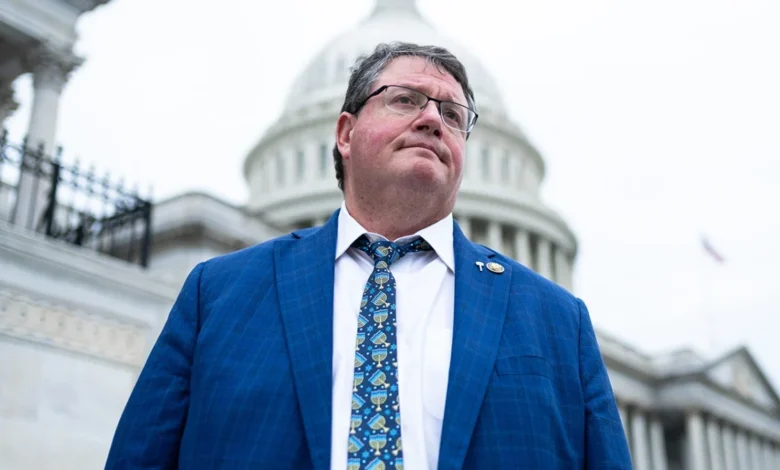
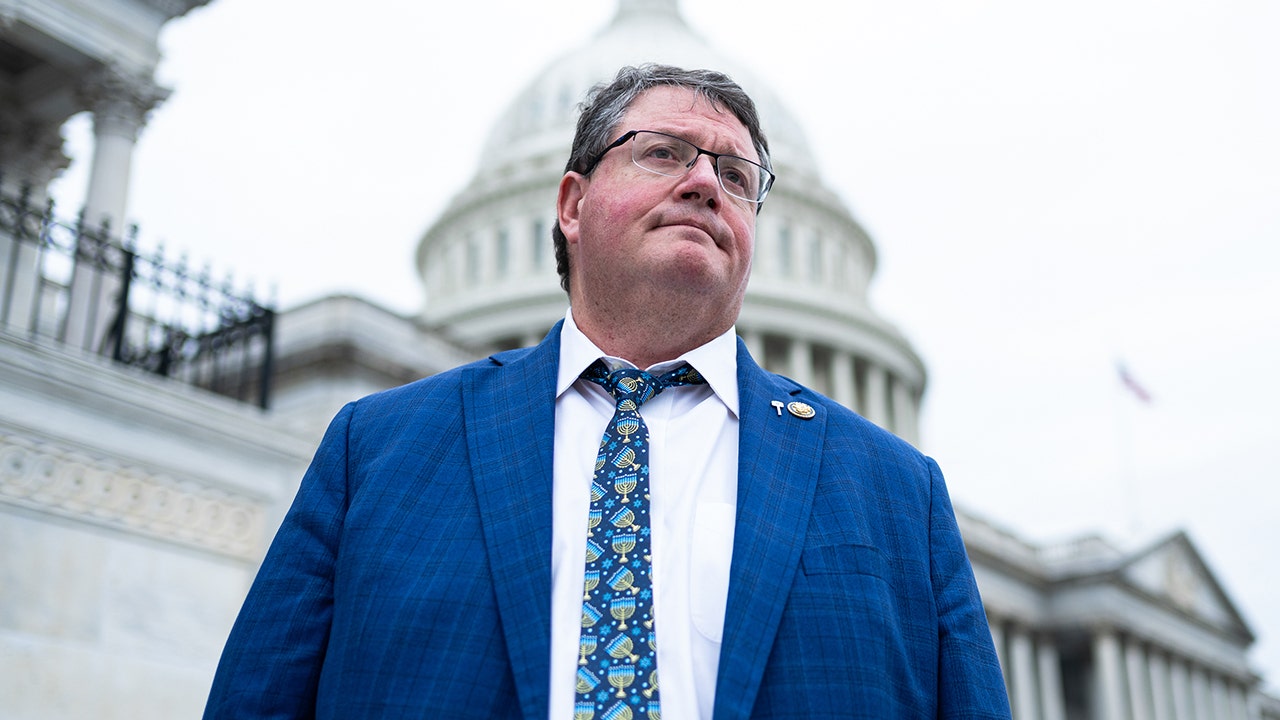
One prominent voice from the Sunshine State, Congressman Randy Fine, managed to buck the prevailing national trend entirely. Rather than suffering losses or stagnant margins, Fine expanded his electoral victory by five points compared to his previous outing, securing a decisive 19-point win despite a heavily funded opposition campaign. In an exclusive interview, Fine offered a candid assessment of the Republican Party’s nationwide performance, attributing the devastating losses not to conservative principles themselves, but to a fundamental failure in how the party connected with the electorate.
Anatomy of a National Defeat and a Local Success
The divergence between Florida’s electoral resilience and the national GOP collapse highlights a growing strategic divide within the party. Nationally, Republicans faced a mobilized electorate driven by concerns over the economy, healthcare, and shifting social dynamics. Democratic campaigns capitalized on these anxieties, framing the Republican platform as out of touch with the daily realities of working-class families.
Fine argued that the national party failed to project genuine concern for voters’ immediate needs. According to the Florida congressman, the key to surviving and thriving in a hostile political climate lies in uncompromising authenticity and robust constituent service.
"My constituents want a fighter, someone who says what they believe," Fine stated. "They know it’s not driven by polls or anything else and fights for them, whether it’s fighting for their constituent service issue or fighting on illegal immigration or fighting to bring money to the district. And that’s why I went up so much. I took my race seriously because I knew the winds were against us."
Fine also pointed to the strength of Florida’s top-tier candidates, highlighting figures like Representative Byron Donalds—who made history as a prominent conservative voice in the state—and Attorney General Ashley Moody, noting that disciplined leadership and a unified message insulated the state from broader national headwinds.
Preparing for a Defensive Legislative Battle
With Democrats firmly establishing control of Capitol Hill, the political dynamics in Washington are set to transform drastically. For House and Senate Republicans, the upcoming congressional term will require a pivot from advancing legislative priorities to mounting a vigorous defense against incoming Democratic initiatives.
Fine acknowledged that the next two years will present formidable challenges. Rather than pushing a proactive conservative agenda, the Republican caucus will be forced to scrutinize and counter administration-backed policies.
"I don’t know that we’re going to push the agenda. I think what we’re going to be is we’re going to be on defense. We’re going to have to fight back," Fine noted. "We’re going to have to be fighting against stupid policies that they will be pushing. And it’s going to be an ugly two years, but we’re gonna have to explain why all of the things that they said they would do during the campaign are so bad."
Immigration and Border Security Front and Center
Among the numerous policy battlegrounds anticipated over the next congressional cycle, immigration remains the most volatile and critical issue for conservative lawmakers. Fine identified border policy and national assimilation as the primary ideological flashpoints between the two parties.
During the interview, the Florida congressman warned that the newly empowered Democratic majority would likely seek to reverse stringent border enforcement measures implemented in prior years. He expressed deep concern over potential legislative maneuvers aimed at providing mass pathways to legal status for undocumented individuals currently residing in the United States.
"I think they will seek to reopen the border and allow illegals to flood in," Fine asserted. "I think they will seek mass amnesty, rewarding all of the illegals that are here. And I think they will stop any requirement for people who come to this country to assimilate. They believe in the ‘third worldification’ of America. And that’s going to be the number one thing we have to fight back against."
Demographic Shifts and Regional Divergences

Analyzing why certain conservative states suffered more significant electoral setbacks than Florida, Fine pointed to changing demographics and regional policy missteps. Comparing Florida to Texas, a traditional Republican stronghold that experienced tighter margins and notable Democratic gains, Fine suggested that the Sunshine State maintained a more aggressive posture against cultural and demographic pressures.
"Texas allowed itself to slide on a lot of these things," Fine said. "They had a big influx of illegal immigrants. And they also really didn’t fight back against the Islamification of their state in a way that we have in Florida. Demographics are destiny. And I think, to some degree, Texas was overtaken by that yesterday."
The Rise of New Political Figures and Ideological Divisions
The 2026 midterm cycle also featured the rise of polarizing figures on both sides of the aisle, setting the stage for combative floor debates in the new Congress. Fine expressed sharp concern over the election of Michigan Senator-elect Abdul El-Sayed, whose victory marked a significant milestone for the progressive wing of the Democratic Party.
Fine, an outspoken critic, voiced deep apprehension regarding El-Sayed’s policy positions and background, characterizing his ascension to the United States Senate as a dangerous turning point for national politics.
"Of all the races last night, that one breaks my heart the most," Fine remarked. "Someone who literally supports Muslim terror… someone who’s really a danger to this country being elected to the United States Senate. It’s an unspeakably horrible thing, a historically bad thing."
This rhetoric underscores the deepening ideological polarization within federal legislative bodies. As new members prepare to take their oaths of office, bipartisan cooperation on contentious national security and foreign policy matters appears increasingly difficult to achieve.
Leadership Transitions Within the House GOP
As the Republican caucus absorbs the shock of its national defeat, internal discussions regarding leadership structures in the House of Representatives have already commenced. Following the decision of former Speaker Mike Johnson to step aside from consideration for future leadership roles, the party is looking toward new figures to guide the minority caucus.

Prominent contenders such as Representative Jim Jordan and Representative Steve Scalise are widely viewed as the leading candidates for the House Minority Leader position. When asked about his preference for the upcoming leadership election, Fine maintained a neutral stance, emphasizing that the caucus must first engage in internal evaluations before finalizing leadership decisions.
"No, I mean, these are discussions. I’ve not spoken with either Scalise or Jordan at this point," Fine stated. "They’ve got a lot of phone calls to make, and we’ll get to that when we get to that. But it won’t be Mike Johnson. He’s taken himself out of consideration."
Broader Implications for the American Political Landscape
The outcome of the midterm elections signals a profound recalibration of American governance. With Democrats commanding both chambers of Congress, the federal legislative branch will function as a primary check on executive authority while simultaneously attempting to codify major progressive policy objectives.
Political analysts suggest that the Republican Party’s path forward depends heavily on its ability to perform a comprehensive post-mortem of the 2026 cycle. Party strategists face the dual challenge of appealing to suburban and moderate voters who drifted toward the Democratic column while maintaining the enthusiastic backing of the populist conservative base.
For figures like Randy Fine, the immediate future involves navigating a hostile legislative environment while preparing for high-stakes oversight battles. As the new Congress convenes, the ability of Republicans to present a cohesive alternative vision will determine their viability heading into the subsequent presidential election cycle.
The contrast between regional successes, such as Florida’s electoral insulation, and national losses demonstrates that local political dynamics, candidate quality, and aggressive retail politics remain potent tools in an increasingly volatile electoral environment. However, translating those localized strategies to a national platform will require a level of discipline, communication, and unity that the Republican Party struggled to achieve in the most recent campaign.