Cadillac Cuts Prices for the 2027 Optiq EV While Expanding Its Range and Features Lineup

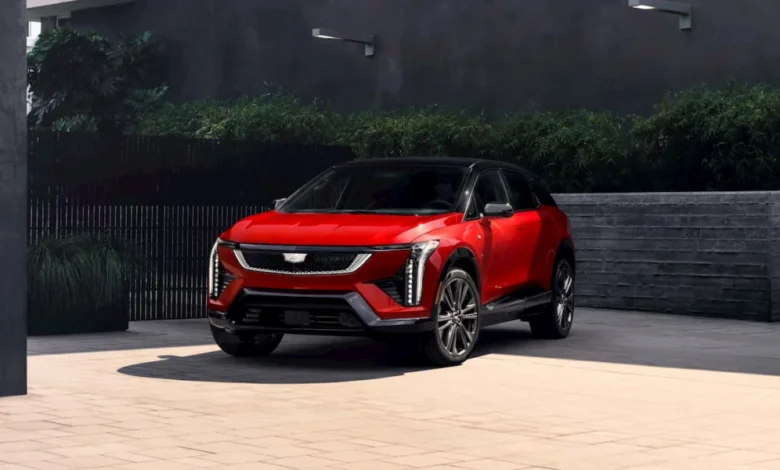
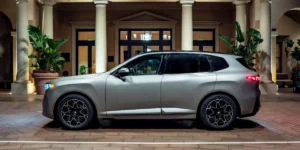
General Motors’ luxury division, Cadillac, has adjusted its pricing strategy for the upcoming model year, making its entry-level battery-electric vehicle slightly more accessible to consumers. The 2027 Cadillac Optiq, which serves as a cornerstone for the brand’s ongoing transition toward a fully electrified portfolio, now features revised MSRPs that slash hundreds of dollars off previously announced figures. This strategic downward adjustment comes at a time when competition within the premium electric crossover segment is intensifying, forcing heritage automakers and EV pure-plays alike to continually reevaluate pricing, packaging, and standard equipment lists to capture market share.
The updated pricing structure applies primarily to the high-volume entry trims of the vehicle, offering a modest financial reprieve to prospective buyers who are weighing the costs of transitioning to zero-emission personal transportation. As the automotive industry navigates fluctuating consumer demand and shifting macroeconomic pressures, Cadillac’s localized price cut signals a proactive approach to maintaining the Optiq’s competitiveness against a backdrop of aggressive pricing strategies from segment leaders like Tesla.
Evolution of the Cadillac Optiq: A Chronological Overview
To understand the significance of the 2027 model year revisions, it is essential to trace the vehicle’s brief yet eventful commercial history. The Cadillac Optiq made its formal market debut for the 2025 model year, arriving as the brand’s foundational entry-level electric SUV positioned beneath the larger, more expensive Lyriq. When it first rolled onto dealership floors in 2025, the Optiq carried a starting MSRP of $54,390, targeting younger, affluent buyers looking for a downsized luxury footprint without sacrificing modern technological amenities or zero-emission driving capabilities.
The vehicle’s trajectory shifted notably with the rollout of the 2026 model year. General Motors implemented crucial engineering updates that repositioned the Optiq as a technological vanguard within the corporate lineup. Most notably, the 2026 iteration made automotive history for GM by integrating a native North American Charging Standard (NACS) port directly from the factory, bypassing the immediate need for adapters at Tesla Supercharger locations. Furthermore, Cadillac expanded the powertrain choices by introducing a more affordable rear-wheel-drive (RWD) option. This mechanical addition successfully dragged the starting price down to $52,395, broadening the vehicle’s consumer appeal and laying the groundwork for the structural adjustments seen in the subsequent production cycle.
Building upon this momentum, GM initially projected that the 2027 Cadillac Optiq would launch with an adjusted base price of $52,695. However, recent modifications to Cadillac’s consumer-facing web configurators and official ordering systems indicate that corporate leadership has opted for an even more aggressive pricing posture. The base 2027 Optiq Luxury RWD is now officially listed at $51,790—representing a $905 reduction from the initial projection and solidifying a downward trend in the model’s pricing history over its three-year lifecycle.

Comprehensive 2027 Pricing and Range Architecture
The revised pricing structure for the 2027 Cadillac Optiq varies across its diverse trim levels, accommodating everything from cost-conscious luxury seekers to performance enthusiasts. The lineup is carefully segmented to offer distinct aesthetic and functional packages, ensuring that buyers can tailor the vehicle to their specific lifestyle requirements.
For the core Luxury trim level, the rear-wheel-drive variant now commands a starting price of $51,790, while stepping up to the dual-motor all-wheel-drive (AWD) configuration requires an investment of $55,290. Both figures reflect a $905 decrease from the automaker’s previously communicated targets. Similarly, the style-oriented Sport trim has seen a parallel adjustment. The Sport RWD now starts at $52,395, and the Sport AWD is priced at $55,895, marking a clean $900 reduction across both variants.
However, the pricing relief is not universal across the entire catalog. Higher-spec iterations—specifically the Premium Luxury, Premium Sport, and the track-capable V-Series trims—remain anchored at the price points originally established by General Motors during initial product disclosures.
When evaluating operational capability, the 2027 Optiq delivers competitive metrics for its class. Rear-wheel-drive models extract maximum efficiency from the propulsion system, offering an estimated driving range of up to 317 miles on a single charge. Opting for the dual-motor all-wheel-drive system trades a portion of that distance for enhanced traction and weather-handling capabilities, reducing the total estimated range to 303 miles. Transitioning to the high-performance V-Series reduces the range further to 275 miles, a compromise offset by substantial performance upgrades.
Detailed Trim Breakdown and Technical Specifications
To provide a clearer picture of how the 2027 Cadillac Optiq is structured, the following breakdown outlines the starting prices, destination fees, and estimated driving ranges for the primary configurations:
- Luxury (RWD): Starting Price: $51,790 | Driving Range: 317 miles
- Sport (RWD): Starting Price: $52,395 | Driving Range: 317 miles
- Premium Luxury (RWD): Starting Price: $54,995 | Driving Range: 317 miles
- Premium Sport (RWD): Starting Price: $55,995 | Driving Range: 317 miles
- V-Series (AWD): Starting Price: $69,295 | Driving Range: 275 miles
Note: Upgrading any applicable trim from the standard rear-wheel-drive setup to the dual-motor all-wheel-drive system commands a flat premium of $3,500.

Beyond basic propulsion, Cadillac has ensured that even the entry-level models are exceptionally well-appointed. Every 2027 Optiq comes standard with an expansive 33-inch diagonal curved LED Horizon Display that seamlessly integrates infotainment and driver instrumentation into a singular, high-definition glass interface. Audiophiles benefit from a standard 19-speaker AKG Studio Audio System, which provides immersive sound reproduction throughout the cabin. Furthermore, long-distance driving fatigue is mitigated by the inclusion of GM’s acclaimed Super Cruise hands-free driver-assistance technology, allowing for true hands-free operation on hundreds of thousands of compatible highway miles in the United States and Canada.
Moving up the ladder into the Premium Luxury and Premium Sport trims introduces additional comfort and convenience amenities as standard equipment. These variants incorporate a sophisticated Head-Up Display projected onto the windshield, front seats equipped with both ventilation and lumbar massaging functions, and a practical rear cargo cover to secure personal belongings out of sight.
At the pinnacle of the lineup sits the newly detailed 2027 Cadillac Optiq-V. Starting at $69,295, this high-performance variant is engineered to satisfy drivers demanding sports-car dynamics from an electric utility vehicle. Utilizing its dedicated performance architecture and a specialized "Velocity MaX Mode," the Optiq-V generates a Cadillac-estimated 650 horsepower and an imposing 519 pound-feet of torque, transforming the compact luxury crossover into a formidable straight-line performer.
Competitive Landscape: Pitting the Optiq Against the Tesla Model Y
In the broader context of the electric vehicle market, the Cadillac Optiq operates in direct and fierce competition with the segment-dominating Tesla Model Y. Analyzing how General Motors’ luxury entry stacks up against Tesla’s mass-market crossover reveals stark differences in philosophy regarding pricing, interior technology, and packaging efficiency.
The Tesla Model Y RWD starts at a significantly lower entry point of $39,990 while offering up to 321 miles of driving range. Stepping up to the Tesla Model Y AWD increases the price to $41,990 with an estimated range of 294 miles. For consumers seeking extended range within the Tesla ecosystem, the Model Y Premium RWD is priced at $45,990 with a class-leading 355 miles of range, whereas the Premium AWD variant commands $49,990 for 327 miles of range.
From a purely financial standpoint, Tesla maintains a clear advantage in baseline affordability. However, automotive analysts note that price tags do not tell the whole story when comparing a mainstream volume vehicle to a dedicated luxury offering.

Interior environments highlight contrasting design approaches. The base Tesla Model Y utilizes a minimalist cabin centered around a 15-to-16-inch touchscreen interface and a standard 7-speaker audio system, though higher trims upgrade to a 15-speaker audio setup featuring a dedicated subwoofer and an 8-inch secondary touchscreen for second-row passengers. In contrast, the Cadillac Optiq leans heavily into its luxury pedigree, utilizing lavish materials, distinctive ambient lighting, active noise cancellation, and the aforementioned 33-inch continuous display alongside high-end AKG acoustic engineering.
Dimensionally, the two vehicles occupy a very similar physical footprint on the road. Despite their comparable external dimensions, packaging efficiencies give the Tesla Model Y a slight edge in terms of rear-seat legroom and overall cargo capacity, aided by its cab-forward design and lack of traditional engine bay packaging constraints. Yet, for buyers prioritizing traditional luxury styling, superior acoustic isolation, standard hands-free driving hardware, and a dealership sales and service network, the Cadillac Optiq presents a compelling alternative that justifies its premium over the ubiquitous Model Y.
Market Implications and Analyst Outlook
The decision by General Motors to shave nearly $1,000 off the projected prices of the 2027 Cadillac Optiq underscores a broader realization across the legacy automotive sector: pricing elasticity is tightening. As early adopters saturate the market and automakers attempt to court mainstream consumers who are more sensitive to vehicle acquisition costs, nominal price adjustments can play a pivotal role in consumer conversion rates.
Industry observers suggest that these incremental price cuts are facilitated by improving economies of scale within GM’s Ultium battery platform ecosystem and localized supply chain efficiencies. As battery cell production ramps up domestically and material costs for lithium, nickel, and cobalt experience cyclical stabilization, legacy manufacturers are finding increased fiscal flexibility to pass savings down to the consumer without eroding profit margins past sustainable thresholds.
Furthermore, the inclusion of the native NACS port removes a lingering point of friction for hesitant EV buyers. By allowing seamless access to the most robust fast-charging network in North America without requiring clumsy aftermarket adapters, Cadillac has effectively neutralized one of the primary consumer anxieties associated with non-Tesla electric vehicles.
As the 2027 Cadillac Optiq begins arriving at retail locations, its success will serve as a crucial barometer for the viability of traditional luxury brands competing in a segment heavily shaped by Tesla’s aggressive pricing maneuvers. By blending competitive pricing adjustments, extensive standard technology, high-end acoustic and comfort features, and uncompromised driving range, Cadillac is positioning the Optiq not merely as an alternative, but as a sophisticated front-runner in the evolution of premium electric mobility.