Tesla Canada Hints at Pivot to Fremont-Built Model 3 Premium RWD Amid Chinese Import Restrictions and Tariff Pressures

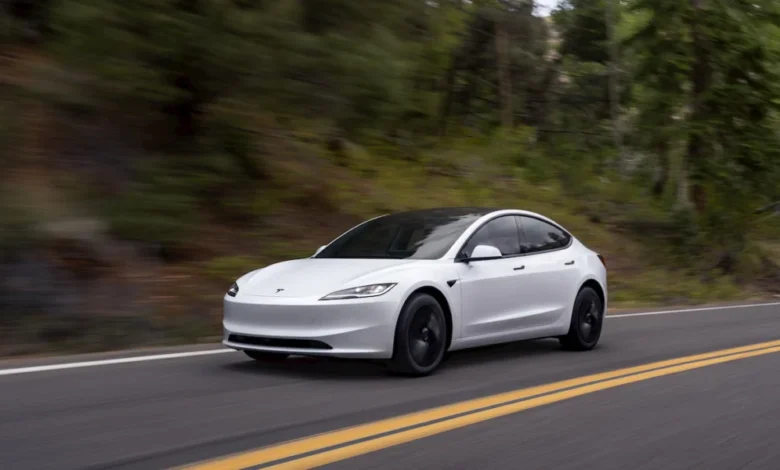
Tesla Canada has quietly modified its official website to display updated specifications for the Model 3 Premium Rear-Wheel Drive (RWD), signaling a potential shift back to vehicles manufactured at its Fremont, California plant. The newly published specifications on the automaker’s Canadian portal point to an EPA-estimated range of 584 kilometers and a 0-100 km/h acceleration time of 5.2 seconds, accompanied by a listed curb weight of 1,745 kilograms.
These updated metrics represent a significant departure from the specifications of the lower-cost, Shanghai-built variant that dominated Canadian sales throughout much of the year. The Chinese-imported model, previously retailed at a record-low starting price of $39,490 CAD, offered a more modest driving range of 463 kilometers and a 0-100 km/h sprint time of 6.2 seconds. The sudden alignment with the performance metrics of historical Fremont-built Long Range RWD units—which Tesla previously offered in the Canadian market two years ago—has drawn intense scrutiny from industry observers and consumers alike.
The modifications were first brought to light by Canadian Tesla enthusiast and community tracker RJ via social media platform X. While the technical specifications under the Model 3 Premium RWD tab have been updated to reflect the higher range and quicker acceleration, discrepancies remain across the manufacturer’s digital footprint. Tesla Canada’s comparative matrix pages still reflect the older Shanghai-sourced pricing and range metrics, highlighting the incremental nature of the website’s rollout and fueling speculation regarding the company’s immediate inventory strategy.
The Shift From Shanghai to Fremont and the Import Quota Dilemma
The necessity for a potential manufacturing pivot stems from complex regulatory and geopolitical friction governing automotive imports into Canada. Earlier in October, Tesla was forced to temporarily pause orders for the popular Shanghai-built Model 3 variants after Canadian government allocations and import thresholds were effectively exhausted. According to regulatory statements on Tesla’s ordering portal, the resumption of these specific imported configurations remains contingent upon the potential issuance of expanded governmental quotas, an administrative update not anticipated until March 2027.
The history of Tesla’s supply chain logistics in Canada over the preceding twenty-four months illustrates a reactive approach to fluctuating trade policies. In early 2025, the Canadian federal government enacted a 25% counter-tariff targeting vehicles imported from the United States. In response to these prohibitive cost structures, Tesla adjusted its Canadian lineup in March 2025, clearing out its remaining U.S.-sourced inventory and subsequently transitioning its volume-driving Model 3 supply chain to Gigafactory Shanghai.
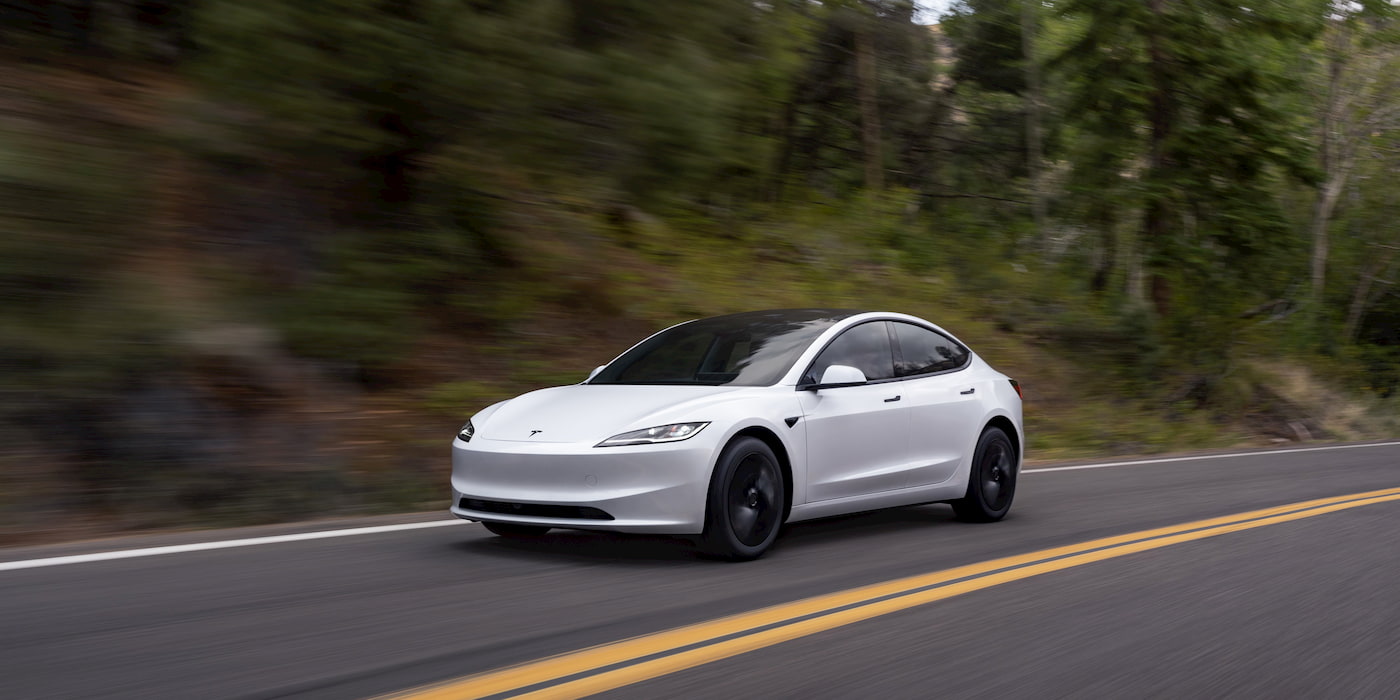
This pivot to Chinese manufacturing allowed Tesla to introduce the budget-friendly $39,490 CAD Model 3 Premium RWD in May 2026, capturing substantial market share and rapidly exhausting its authorized import quotas within a compressed four-month window. Consequently, with Chinese imports constrained by regulatory volume limits, Tesla finds itself with limited options for maintaining a balanced inventory lineup ahead of the prospective March 2027 quota review.
Financial Implications and Tariff Hurdles for U.S.-Built Vehicles
Reintroducing Fremont-built vehicles to the Canadian market introduces significant financial obstacles centered on existing trade barriers. Although vehicles manufactured in the United States generally qualify under the United States-Mexico-Canada Agreement (USMCA) rules of origin, they remain encumbered by Canada’s retaliatory 25% counter-tariffs on U.S. automotive imports, which were reaffirmed by the Department of Finance in late 2025.
When these counter-tariffs were initially implemented, Tesla executed steep price corrections across its North American catalog, raising the price of the Model 3 Long Range All-Wheel Drive by $11,000 CAD to $79,990 CAD and temporarily eliminating the rear-wheel-drive configurations from the Canadian market entirely. Market analysts project that applying a similar tariff-adjusted pricing structure to a Fremont-built Model 3 Premium RWD would likely elevate retail figures to an estimated bracket between $65,000 CAD and $67,000 CAD.
Such pricing positioning creates a secondary regulatory hurdle regarding government consumer incentives. Canada’s newly restructured EV Affordability Program institutes a strict transaction price cap of $50,000 CAD for federal purchase rebates. A Fremont-sourced vehicle priced in the mid-$60,000 range would entirely forfeit eligibility for the $5,000 CAD federal incentive, contrasting sharply with the affordability profile that made the Shanghai-built variants uniquely attractive to cost-conscious consumers.
Current Canadian Market Landscape and Consumer Impact
At present, the operational configuration of Tesla’s Canadian sales catalog leaves consumers with limited choices. With standard RWD orders paused and inventory depleted, the sole remaining Model 3 configuration readily available for immediate order is the high-performance dual-motor variant, which Tesla priced at $74,990 CAD following structural price adjustments earlier in the year.

The introduction of updated Fremont specifications on the Canadian configurator suggests that Tesla may be preparing a stopgap offering to bridge the multi-month gap before Chinese import quotas are potentially renewed. However, industry analysts express skepticism regarding consumer uptake for a higher-priced, tariff-burdened Fremont vehicle. Buyers accustomed to the sub-$40,000 price point enabled by Giga Shanghai may prove reluctant to absorb a substantial price premium for extended range, particularly with alternative global automakers expanding their electric vehicle offerings within the Canadian marketplace.
Furthermore, macroeconomic pressures—including rising domestic utility rates and shifting consumer finance costs—continue to influence EV adoption rates across North America. Energy market experts note that residential charging economics remain a vital component of total cost-of-ownership calculations for prospective buyers navigating these rapidly evolving vehicle pricing structures.
Strategic Outlook and Future Market Developments
As the Canadian electric vehicle sector moves toward the close of 2026, automakers and regulatory bodies face persistent friction points regarding international trade compliance, manufacturing origins, and subsidy frameworks. Tesla’s silent update to its Canadian web portal serves as an indicator of corporate agility in the face of supply chain bottlenecks, yet it underscores the deep structural challenges posed by bilateral tariff disputes.
Whether Tesla formally launches the Fremont-built Model 3 Premium RWD in the near term or chooses to weather the interim period relying solely on its higher-tier performance inventory will depend heavily on final inventory reconciliations and impending regulatory decisions from federal trade authorities. Until formal announcements are issued by the automaker or trade quotas are officially revised, Canadian consumers will continue to monitor the digital configurator for definitive pricing and availability confirmation.