Unshakable Loyalty in the Heartland: Michigan MAGA Voters Stand Firm Behind President Trump Amid Midterm Headwinds and Economic Pressures

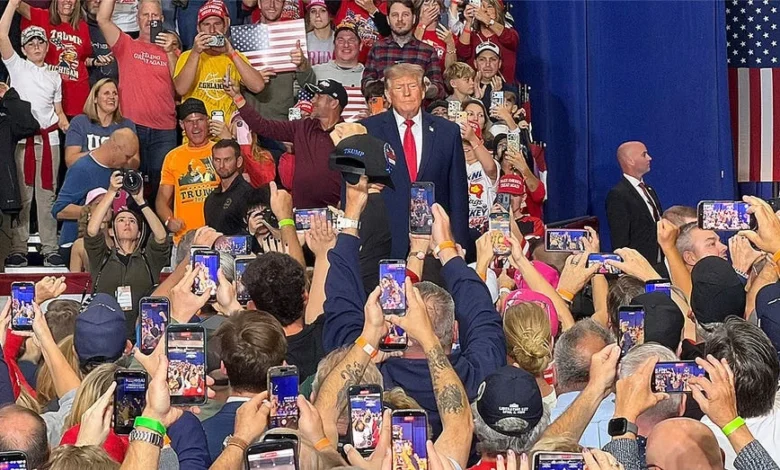
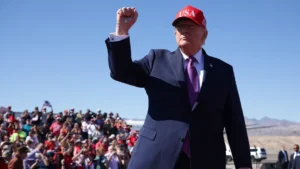
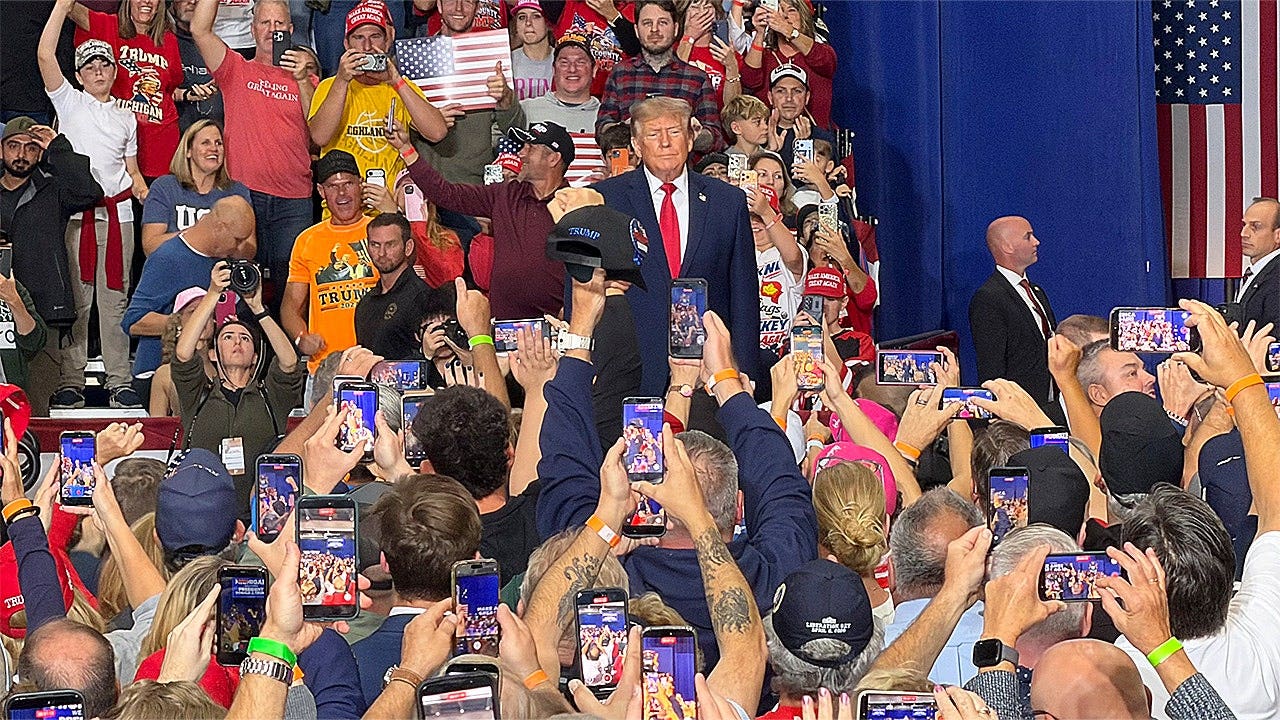
PORT HURON, Michigan — As the United States marches toward a critical midterm election cycle, the political landscape of the American Midwest remains a high-stakes battleground where national trends collide with deeply entrenched local sentiments. In communities along the Great Lakes, voters face a convergence of economic anxieties, marked by persistently high prices at gas pumps and grocery store checkouts. Yet, for the dedicated base of supporters rallying behind President Donald Trump, these immediate financial pressures have done little to erode their political allegiance.
Interviews with nearly 20 voters who queued for hours outside a high-profile Trump rally in Port Huron, Michigan, reveal a striking narrative of resilience among the president’s base. Despite national polling reflecting formidable political headwinds—including broader dissatisfaction with inflation and a contentious military conflict involving Iran—these voters remain unified in their rejection of the Democratic opposition, viewing the current political climate through a lens of long-term strategic necessity rather than immediate policy failure.
The Scene in Port Huron: Economic Realities Meet Political Conviction
The shores of Lake Huron provided a picturesque backdrop for an event that underscored the enduring strength of the Make America Great Again (MAGA) movement in a state that remains pivotal to the balance of power in Washington. Attendees arrived hours before the scheduled address, weathering brisk autumn temperatures and long lines to secure entry into the venue.
Inside the crowds, discussions frequently turned to the tangible challenges of daily life, particularly the cost of living. Prices for gasoline, diesel, and everyday consumer goods remain elevated, serving as a frequent talking point for critics of the current administration. However, rather than directing their frustration toward the White House, many attendees framed these economic strains as an acceptable byproduct of systemic governmental realignment.
"He has our best interests at heart. He loves our country and he is doing the right things for us to get back on track," said Carol Mocan, a resident of Warren, Michigan.
Other attendees echoed similar sentiments, characterizing current financial difficulties as a necessary temporary sacrifice to achieve broader national objectives. Linda Taggart of Marysville described the situation as "short term pain for long term gain," adding, "We see the long term goal and we support that."
Similarly, Bob Kemp of Port Huron pointed to the transition from the previous administration, suggesting that corrective measures inevitably create friction. "Whenever you’re fixing something, it always gets worse before it gets better," Kemp noted.
National Political Headwinds and Polling Dynamics
The unwavering support observed in Port Huron contrasts sharply with national indicators that present a challenging landscape for the governing Republican party. Historical precedent dictates that the party occupying the White House typically experiences legislative losses during midterm elections. Compounding this challenge are persistent economic concerns and foreign policy developments that have polarized the electorate.
Recent data from Fox News national polling illustrate the complexity of the political environment. While President Trump’s overall national approval rating registered at 36%, representing a low point in tracking surveys, his support among self-described MAGA voters remained remarkably resilient at 95%. This stark divergence highlights an increasingly polarized electorate, where national averages obscure the intense, localized enthusiasm of the Republican base.
Campaign representatives have consistently pushed back against pessimistic electoral forecasts, arguing that the administration’s core messaging continues to resonate deeply with working-class voters. Karoline Leavitt, speaking on behalf of the administration, emphasized that the president’s active nationwide barnstorming schedule allows him to connect directly with constituents, bypassing traditional media filters and defying conventional midterm headwinds.
Foreign Policy and the Conflict with Iran
A central theme of President Trump’s Port Huron address—and a frequent point of discussion among rally attendees—was the ongoing military conflict with Iran. The administration has defended its posture as a decisive pre-emptive measure aimed at neutralizing an existential threat to regional stability and United States security.
"We are ensuring that Iran will never have, ever have, ever, ever a nuclear weapon," Trump declared during his remarks, outlining the rationale behind the military campaign.
This hardline foreign policy stance has found strong backing among the MAGA faithful, many of whom are willing to overlook or rationalize domestic economic fallout in light of national security objectives. James Blake of Bay City commended the administration for taking direct action against international adversaries. "He’s taken the fight to the terrorists over in Iran," Blake said.
Ken Gunnels of Clio, Michigan, expressed a similar viewpoint, emphasizing the catastrophic potential of a nuclear-armed adversary. "I believe Iran was a genuine threat to this country. If a nuclear bomb went off in one of our major cities, I don’t think any of us would have any idea the repercussions… that this country would suffer from that. I think those people are monsters, and I think we had to have a president that would stand up to them."
For voters like Carol Mocan, the geopolitical necessity superseded domestic complaints. "I don’t blame Trump for the high cost of living because Iran needed to be taken care of," she stated, noting a perceived lack of decisive action from previous administrations.
Immigration, Social Policy, and Economic Relief Proposals
Beyond foreign policy and broad economic philosophies, several specific policy areas emerged as primary motivators for voters preparing to cast ballots in the upcoming midterms. Border security and immigration enforcement consistently ranked among the top priorities for rally participants.
"My biggest thing is the immigration. If you’re here illegally, expect a knock on your door from ICE," said Steve Scouten of Burtchville, referencing Immigration and Customs Enforcement. Michael Bacheller, a longtime friend of Scouten from Port Huron, concurred, identifying border policy as the central achievement that defines the administration’s legacy.

In addition to immigration control, supporters pointed to cultural and fiscal proposals championed by the president. James Blake highlighted the administration’s advocacy regarding athletic eligibility standards, as well as targeted tax relief initiatives. Proposals such as eliminating taxes on tips, overtime pay, and Social Security benefits were frequently cited as direct, beneficial measures for working-class families and retirees.
Furthermore, cultural and traditional values remain a powerful touchstone for the base. Rolande Debell of Port Huron summarized her motivation succinctly, stating she supports the administration because "it’s all about being American. It’s all about our freedom. It’s all about our rights. It’s all about our Ten Commandments."
Rejection of the Democratic Platform
Interviews conducted at the Port Huron event revealed a total absence of crossover appeal for the Democratic Party among the surveyed voters. The opposition was frequently characterized not merely as a political alternative, but as fundamentally misaligned with the foundational values of the nation.
"I don’t like a lot of the things that they believe in," Judith Troy remarked when asked about potential support for Democratic candidates. Carol Mocan offered a sharper critique, asserting that members of the opposition "don’t live in the same world that the rest of us do. They just don’t think about the people. They think about their careers… whatever it takes to get elected."
James Blake framed his rejection of the Democratic platform in ideological terms, stating, "I’m not in the business of socialism. I don’t think that’s a good way to go, and I think that’s where the Democrats are heading at this time."
For some, the partisan alignment represents a permanent shift. Steve Scouten noted that he was formerly a registered Democrat before permanently breaking ties with the party. "Never again. They’re too far to the left," he claimed.
Implications for the Midterm Elections
As the United States approaches the midterm elections, the sentiment captured in Port Huron, Michigan, illustrates the formidable challenge facing both political parties. For Republicans, the enthusiasm of the base—exemplified by 95% approval among MAGA loyalists—provides a reliable foundation of turnout potential in critical swing districts. However, capitalizing on this energy requires mobilizing these dedicated voters while navigating the broader economic discontent reflected in lower aggregate national approval ratings.
Conversely, the firm ideological entrenchment of the Republican base highlights the difficulty for Democrats attempting to peel away working-class voters in the industrial Midwest. With issues ranging from border security and foreign policy to tax relief and cultural identity dominating the discourse, the electorate remains sharply divided. As campaigns enter their final phases, the ability of candidates to address immediate economic concerns while appealing to deeply held core values will ultimately determine the balance of power in Washington.