BYD Set to Unveil Its Most Luxurious Flagship EV Yet in the UAE, Teasing Coach Doors and Groundbreaking Solid-State Battery Tech

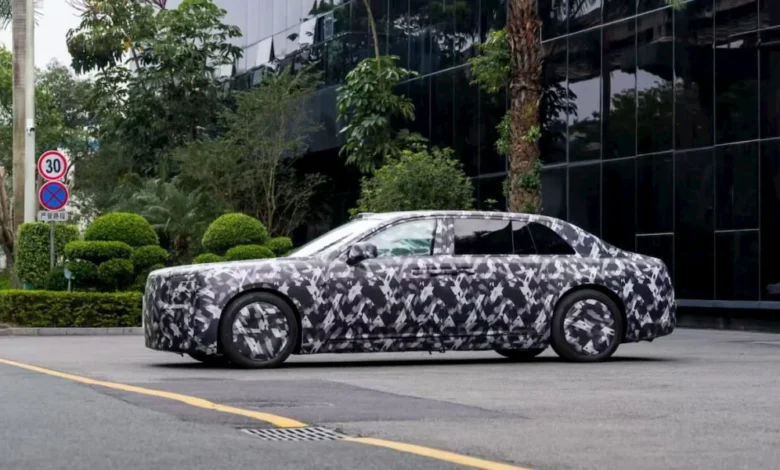
Global electric vehicle giant BYD is preparing to shatter its own boundaries as it reaches further upmarket than ever before. Known predominantly for its hyper-affordable, high-volume models like the sub-$10,000 Seagull hatchback that dominates domestic sales in China, the automotive juggernaut is shifting its formidable engineering prowess toward the ultra-luxury segment. Industry insiders and leaks from executive leadership indicate that BYD’s luxury division, Yangwang, is gearing up for a major global debut in the United Arab Emirates. The forthcoming flagship electric sedan—reportedly sporting imposing proportions, Rolls-Royce-style coach doors, and potential integration with next-generation solid-state battery technology—is positioned to challenge legendary legacy marques such as Rolls-Royce, Bentley, and Mercedes-Maybach.
The unveiling, heavily rumored to take place in Dubai around November 5, marks a strategic departure from BYD’s traditional home-market product launches. By choosing the UAE as the global stage for its most ambitious vehicle to date, BYD is signaling its aggressive intent to capture the attention of high-net-worth buyers in the Middle East and beyond, establishing the brand not merely as a master of accessible mass transportation, but as a serious contender in the pinnacle echelons of automotive luxury.
A Strategic Ascent: From Budget Hatchbacks to Ultra-Luxury Flagships
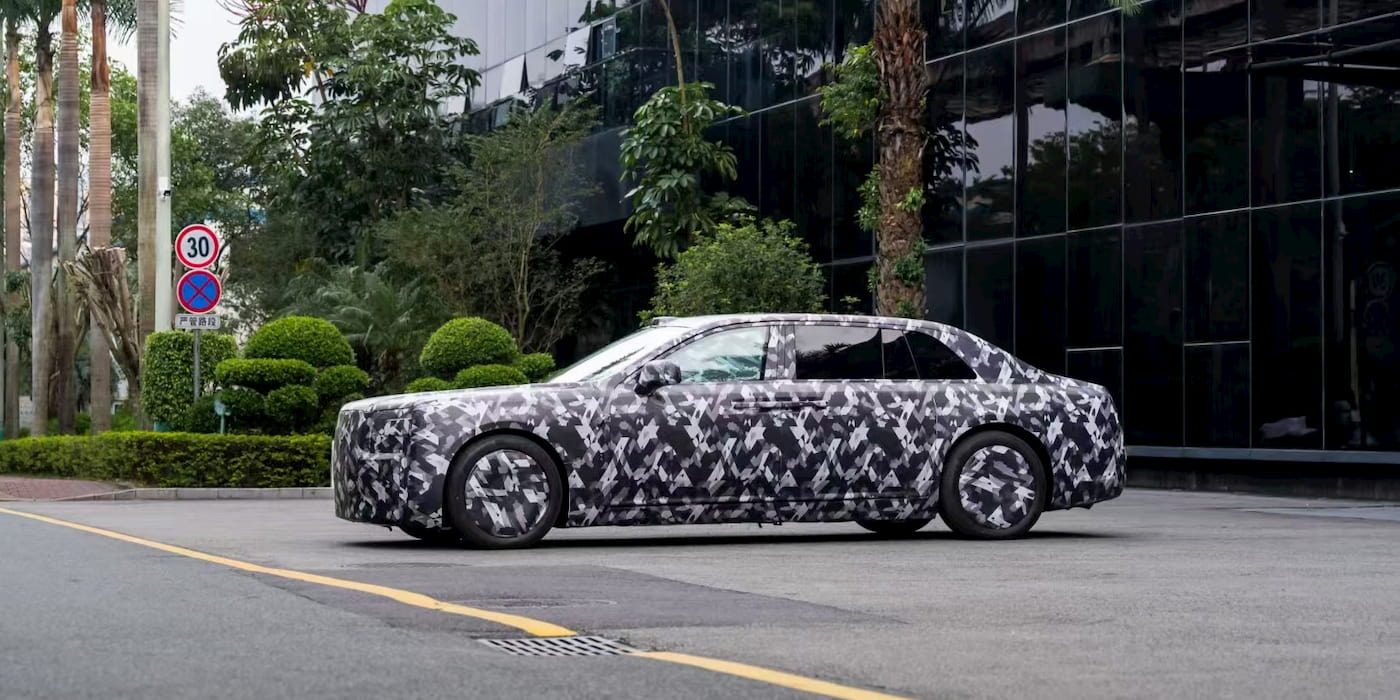
To understand the magnitude of this upcoming release, one must examine the rapid diversification of BYD’s portfolio over recent years. While the brand built its empire on affordable, battery-electric and plug-in hybrid vehicles designed for everyday consumers, it has systematically built out a multi-tiered brand architecture to capture every corner of the global automotive market.
BYD’s corporate structure is divided into two main families under the core brand—the Dynasty series and the Ocean series—alongside three distinct specialized sub-brands: Denza, FangChengBao, and Yangwang. Sitting firmly at the apex of this hierarchy is Yangwang, a brand explicitly created to serve as a showcase for BYD’s most radical, disruptive, and advanced technological breakthroughs.
Vehicles emerging from the Yangwang stable have historically stunned the industry with their extreme performance capabilities. Previous models have debuted on BYD’s proprietary quad-motor e4 platform, an engineering marvel capable of delivering an astounding 1,300 horsepower. Furthermore, these platforms integrate the DiSus-X intelligent body control system, a suspension architecture that famously allows vehicles to execute complex maneuvers such as “dancing,” jumping, and even driving stably on just three wheels.
Despite these technological triumphs, the introduction of an executive-class limousine scaling up to the 5,500-millimeter (216-inch) mark represents an entirely new frontier. Comparable in physical footprint and psychological presence to the Mercedes-Maybach S-Class or the Rolls-Royce Phantom, the new Yangwang flagship is designed to offer rear-seat occupants an uncompromising sanctuary of wealth, technology, and serenity.
Chronology of the Teaser Campaign and the Upcoming Dubai Debut
The roadmap leading up to this monumental release has been carefully orchestrated through a series of digital teases and executive disclosures over the past two months:
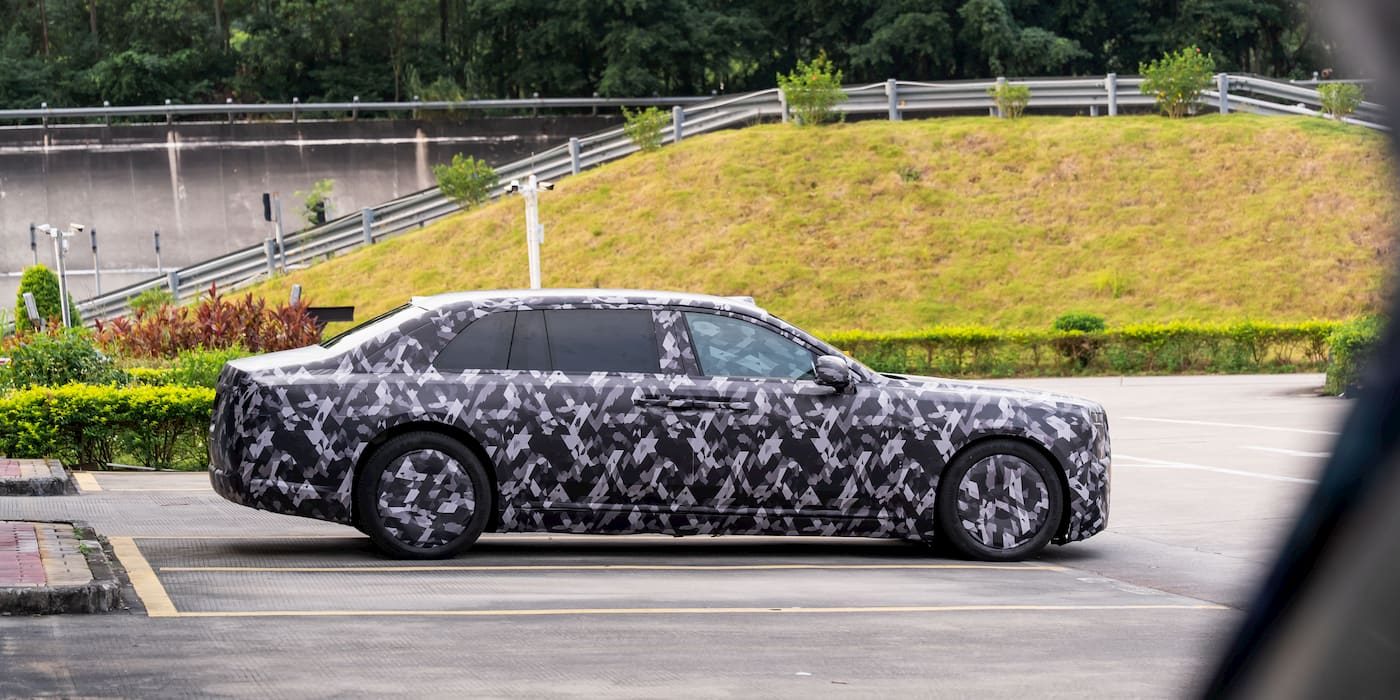
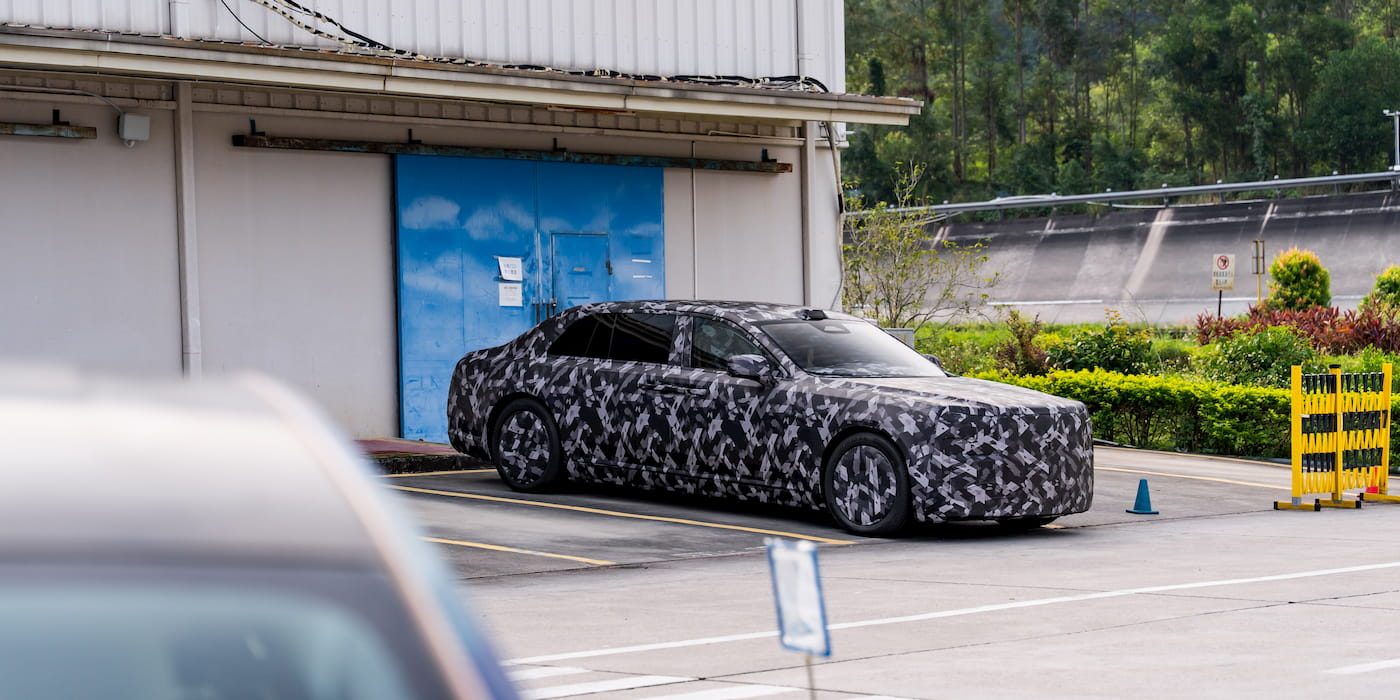
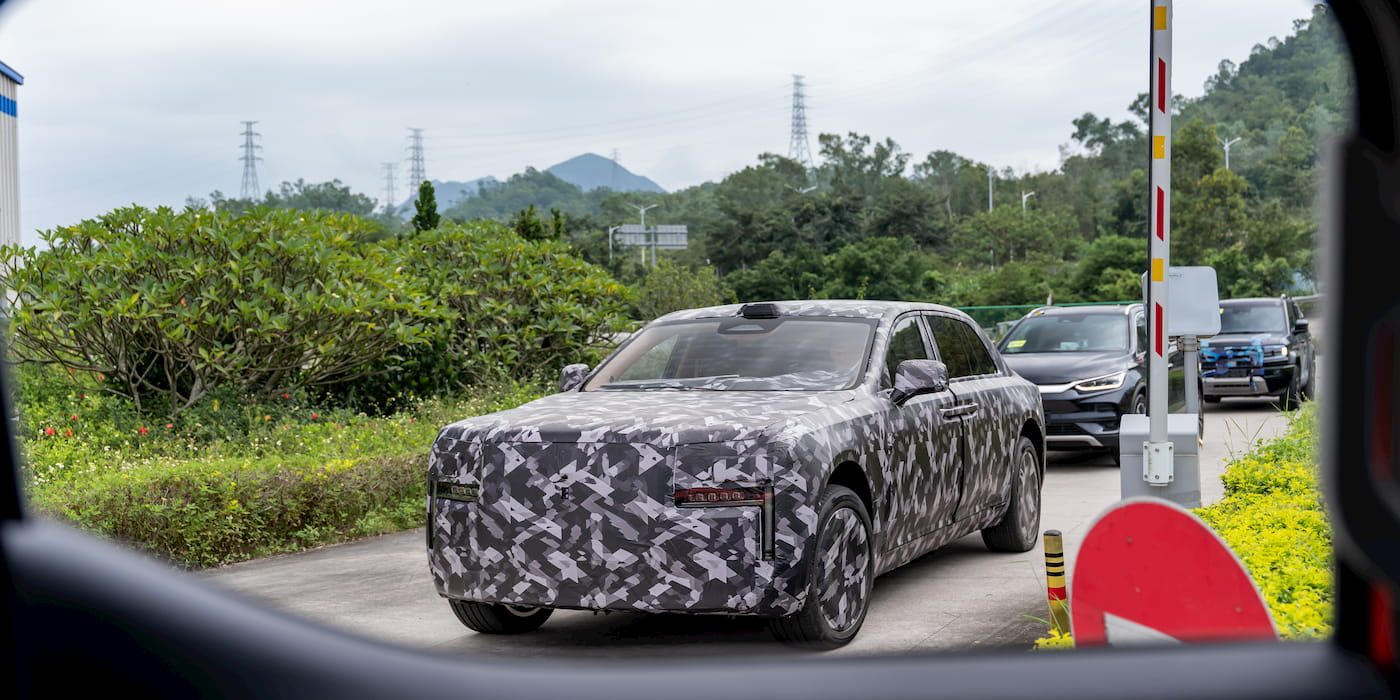
- Early September 2026: Initial intelligence and prototype imagery surface, revealing a heavily disguised, ultra-long-wheelbase luxury sedan undergoing rigorous real-world testing. Automotive analysts quickly note its imposing proportions and traditional three-box executive silhouette.
- October 7, 2026: Hu Xiaoqing, general manager of the Yangwang brand, officially releases several new images of the executive sedan prototype during testing, confirming the presence of rear-hinged coach doors—commonly referred to as suicide doors—marking a historic first for any vehicle produced by BYD.
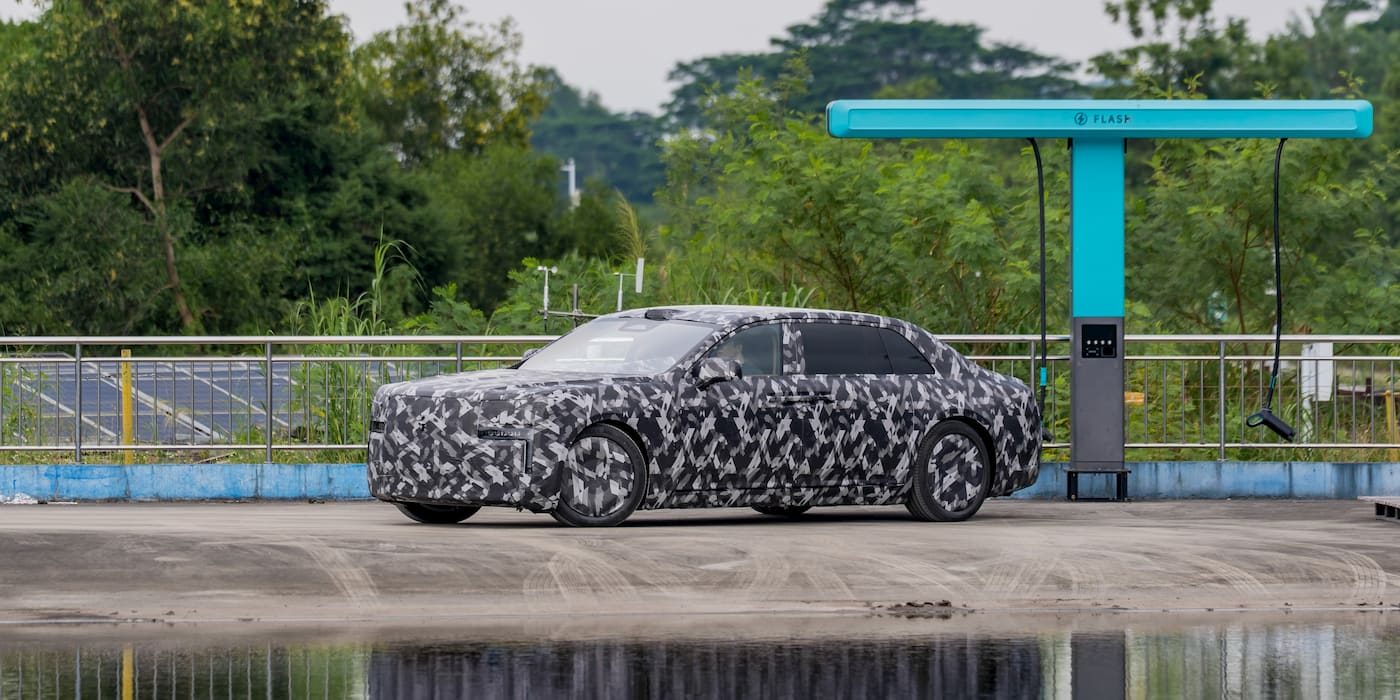
- Mid-October 2026: Zheng Yu, executive general manager of Yangwang, steps forward to tease that the upcoming flagship model will incorporate "unprecedented disruptive technology," fueling widespread industry speculation regarding advanced powertrain and energy storage solutions. Simultaneously, the vehicle is spotted undergoing evaluation at a BYD Flash Charging station, hinting at ultra-fast megawatt charging capabilities.
- Late October 2026: Hu Xiaoqing confirms that the vehicle’s global premiere will not take place in China, but rather in the UAE. Sources close to the project corroborate reports that the official unveiling is targeted for approximately November 5 in Dubai.
- Upcoming November 2026: The global debut event in the UAE, where final specifications, pricing, and official nomenclature are expected to be disclosed to the international press and prospective ultra-luxury buyers.
Cutting-Edge Engineering: Coach Doors and the Solid-State Battery Horizon
While the exterior aesthetic of the Yangwang flagship—defined by its massive scale and classic rear-hinged coach doors—is engineered to turn heads in the exclusive enclaves of Dubai and Monaco, the true revolution lies beneath the sheet metal.
Industry analysts and company statements point toward this vehicle serving as the commercial vanguard for BYD’s proprietary solid-state battery technology. During an interview with automotive media outlet Carwow.es last month, BYD Executive Vice President Stella Li offered a bold assessment of the company’s competitive standing, asserting that BYD holds a definitive "leading position" in solid-state battery development and commercialization. Li explicitly stated that the company’s first vehicle equipped with a solid-state battery system is scheduled to debut next year, in 2027.
Complementing these statements, BYD’s dedicated battery manufacturing arm, FinDreams, has outlined plans to initiate limited-batch production of sulfide-based all-solid-state batteries by 2027. Following this initial rollout, production capacity is slated to scale toward true mass manufacturing as the decade draws to a close.
Solid-state batteries represent the elusive holy grail of the modern electric vehicle industry. By replacing liquid electrolytes with solid-state materials, manufacturers can achieve significantly higher energy densities, dramatically reduced charging times, enhanced thermal stability, and vastly superior safety profiles compared to conventional lithium-ion cells. Should BYD successfully integrate this technology into its flagship sedan—either at launch or shortly thereafter as a rolling update—it would leapfrog many established Western and Asian competitors who are still struggling to overcome the formidable manufacturing hurdles associated with solid-state chemistry.
Furthermore, the vehicle’s documented appearance at BYD Flash Charging infrastructure implies support for high-voltage, high-output charging architectures capable of replenishing massive battery packs in a fraction of the time currently required by standard DC fast chargers.
Market Positioning and Financial Expectations
Entering the ultra-luxury segment requires more than just high-end engineering; it demands a pricing and brand positioning strategy that commands respect among elite consumers accustomed to century-old European craftsmanship.
Current market intelligence and pricing rumors suggest that the new Yangwang flagship sedan will start in the neighborhood of 2 million yuan, equivalent to approximately $300,000 USD. This price point places the vehicle well above anything else currently offered in the broader BYD ecosystem.
For context, Yangwang’s existing lineup includes the U7 electric sedan, which starts at a comparatively modest 658,000 yuan ($98,000); the U8 and U8L luxury plug-in hybrid off-road SUVs; and the U9 fully electric super-coupe. Prior to this new executive sedan, the extended-wheelbase U8L held the crown as Yangwang’s highest-priced mass-produced vehicle, topping out with a starting price of 1.45 million yuan ($217,000). By breaking past the 2-million-yuan threshold, BYD is entering territory previously reserved exclusively for bespoke coachbuilders and ultra-exclusive low-volume manufacturers.
Broader Industry Implications and Analysis
The arrival of BYD’s ultra-luxury flagship in the UAE carries profound implications for the global automotive landscape. For decades, the pinnacle of automotive luxury—characterized by handcrafted finishes, silent powertrains, and peerless ride quality—has been the exclusive domain of British and German legacy automakers.
By demonstrating that a Chinese electric vehicle manufacturer can successfully engineer, style, and market a vehicle capable of competing toe-to-toe with a Rolls-Royce Phantom or a Mercedes-Maybach, BYD is dismantling the lingering perception that Chinese automakers are solely capable of producing low-cost, utilitarian transport.
Moreover, the strategic decision to debut the vehicle in the United Arab Emirates highlights the shifting geography of automotive wealth and influence. The Middle East has rapidly transformed into a vital testing ground and showcase market for advanced, high-performance luxury electric vehicles, where consumers are eager to embrace forward-looking technology wrapped in traditional grandeur.

As the official unveiling approaches in Dubai, all eyes will be on BYD leadership to see whether the production-ready flagship delivers fully on its soaring promises. If the technical specifications match the aggressive rhetoric, the automotive world may witness a watershed moment: the undisputed entry of a new heavyweight into the elite upper house of global motoring.