Federal oversight bodies have brought renewed scrutiny to the screening and processing mechanisms established in the wake of the United States’ departure from Afghanistan, pointing to widespread administrative errors and security gaps in asylum applications approved under the Biden administration. According to a Department of Homeland Security (DHS) Office of Inspector General report released on September 23, federal inspectors identified documentation or vetting errors in roughly 40 percent of the asylum applications they reviewed for Afghan nationals admitted through Operation Allies Welcome.
The findings have intensified a long-running political and security debate over the vetting procedures implemented during the chaotic 2021 evacuation from Kabul. Critics, national security analysts, and immigration experts argue that the high rate of administrative deficiencies highlights systemic vulnerabilities that could have allowed individuals with potentially disqualifying backgrounds—including terrorism-related concerns—to gain legal status inside the United States. Meanwhile, the Department of Justice’s historic deployment of the Alien Terrorist Removal Court to deport a national security threat, alongside foiled domestic plots linked to individuals admitted under similar circumstances, has amplified concerns regarding the long-term safety implications of hurried resettlement programs.
Anatomy of the DHS Inspector General Findings
The DHS Office of Inspector General report centered on a statistically representative sample of 678 asylum applications filed by Afghan nationals who entered the United States through Operation Allies Welcome. Inspectors evaluated these files to determine whether U.S. Citizenship and Immigration Services (USCIS) adhered to standard vetting protocols and maintained accurate records.
The investigation uncovered 303 missing aliases, 23 missing security checks, and more than 150 additional documentation errors. Among the most alarming discoveries were two individual cases involving applicants who may have been inadmissible on terrorism-related grounds. In one of those instances, required paperwork documenting the government’s security review was missing entirely. In the second case, agency supervisors initiated the approval process but failed to complete the final administrative step, leaving an incomplete record with no verification that the necessary reviews had been finalized.
Furthermore, the report revealed that missed FBI name checks accounted for nearly 60 percent of the absent security checks identified by inspectors. The omission of critical aliases posed a severe hurdle to effective vetting; the report highlighted one specific applicant who possessed 1,24 known aliases that were not properly recorded or cross-referenced during the initial screening phase.
DHS officials argued in a formal response that the findings demonstrated severe mismanagement by the prior administration. The agency asserted that a legal settlement requiring USCIS to adjudicate 90 percent of asylum applications within a compressed 150-day window forced officials to prioritize processing speed over comprehensive, rigorous vetting.
Chronology of Operation Allies Welcome and the Kabul Evacuation
The systemic challenges currently facing USCIS trace their origins to the unprecedented logistical and humanitarian crisis that unfolded in August 2021.
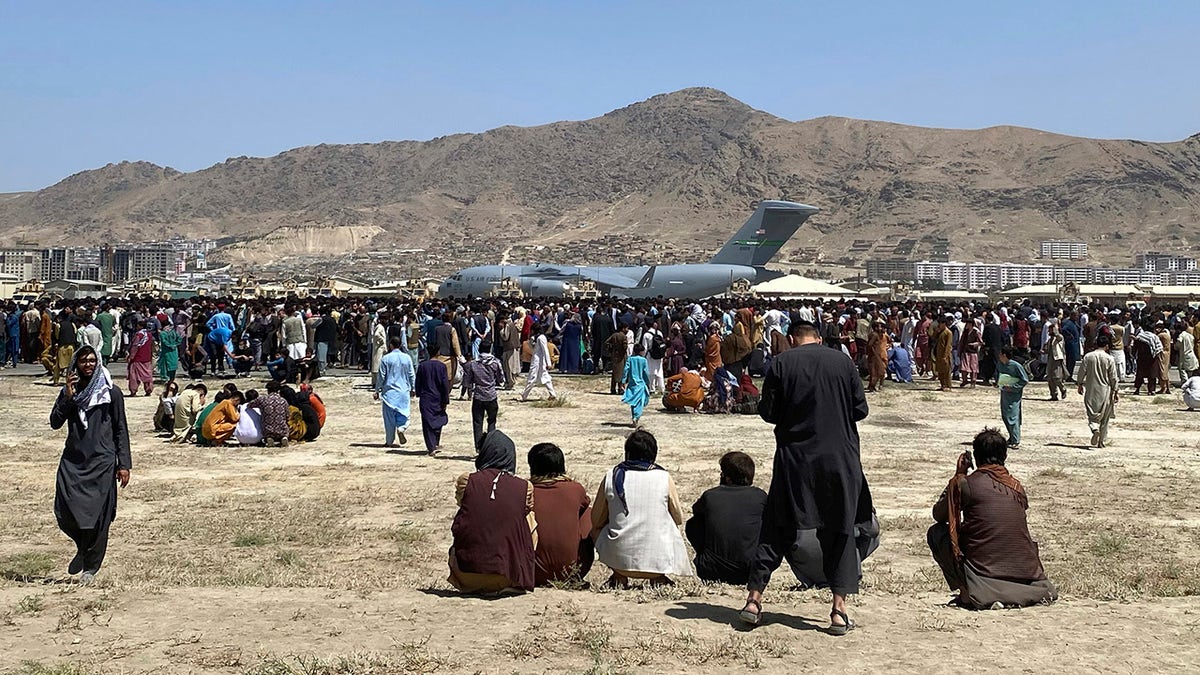
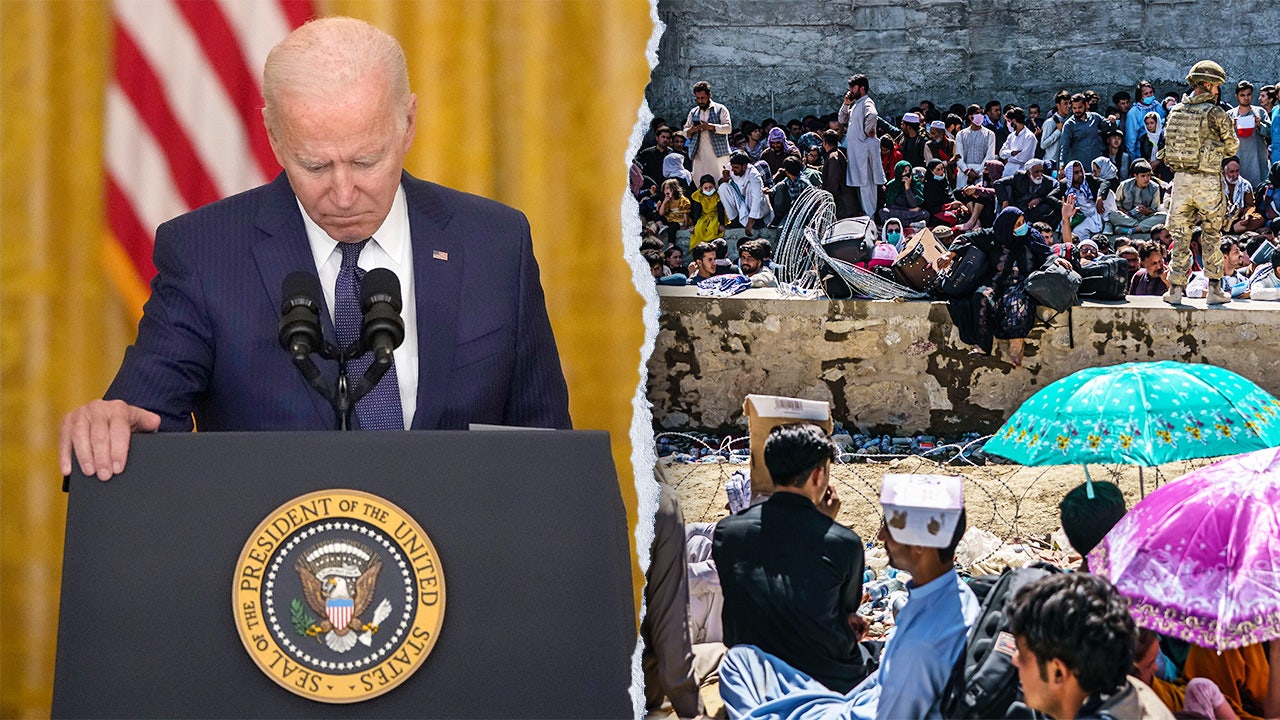
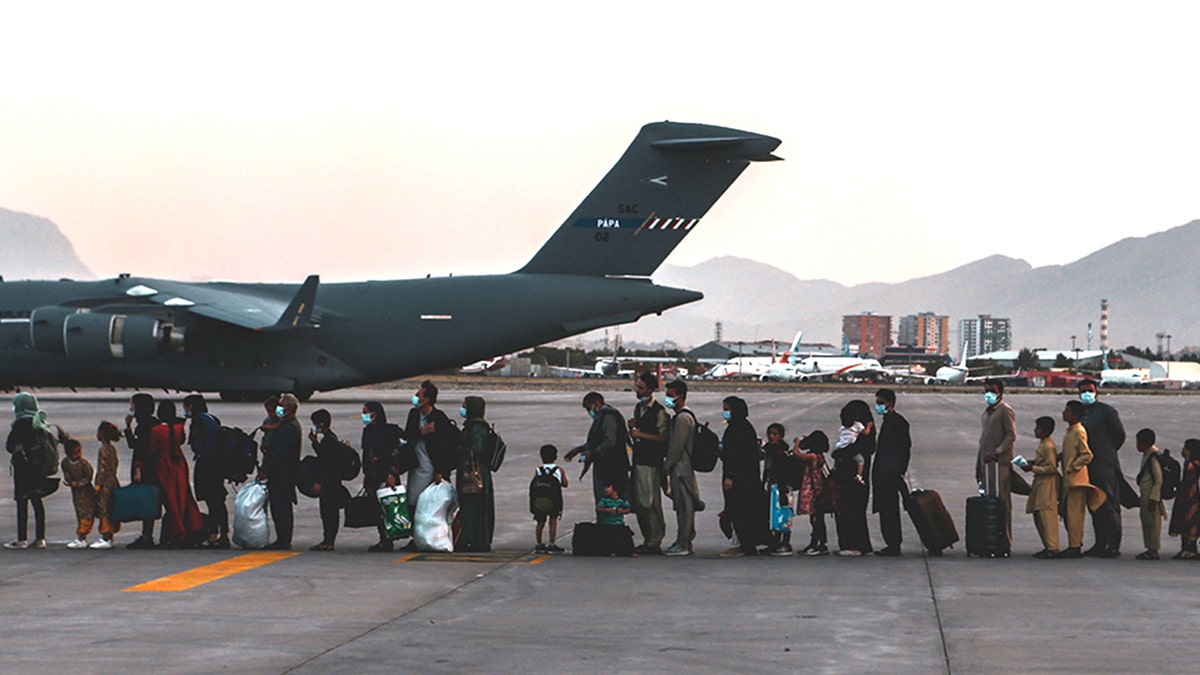
- August 15–30, 2021: Following the collapse of the Western-backed Afghan government, the United States military executes a frantic mass evacuation from Hamid Karzai International Airport in Kabul. Over the course of two weeks, U.S. forces and international partners airlift more than 120,000 American citizens, third-country nationals, and vulnerable Afghans out of the country. An ISIS-K suicide bombing at Abbey Gate on August 26 kills 13 U.S. service members and approximately 170 Afghan civilians.
- August 2021 – February 2022: Evacuees are initially transported to temporary transit hubs—often referred to as "lily pads"—located in European, Middle Eastern, and Central Asian partner nations. During this phase, basic biographical data is collected, and initial security screenings are conducted before individuals are flown to military installations within the United States for further processing.
- August 2021: The Biden administration officially establishes Operation Allies Welcome (OAW) as a coordinated, whole-of-government initiative to resettle vulnerable Afghan nationals, including interpreters, contractors, and individuals who assisted U.S. military forces.
- Late 2021 – 2023: USCIS faces an immense backlog of humanitarian parole and asylum applications. To manage the influx, the agency accelerates processing timelines, driven in part by federal litigation settlements that mandate rapid adjudication benchmarks.
- September 2024 – 2025: High-profile arrests of Afghan nationals admitted under Operation Allies Welcome bring renewed legislative and media scrutiny to the program. Cases include an alleged ISIS-K supporter detained by Immigration and Customs Enforcement (ICE) in Virginia, an evacuee charged with making terroristic threats ahead of a planned attack, and an individual convicted of indecent exposure to a minor.
- September 23, 2025: The DHS Office of Inspector General publishes its redacted report detailing the 40 percent error rate in OAW asylum applications, prompting renewed calls from lawmakers for structural immigration reforms and more stringent accountability.
Expert Analysis and Systematic Vulnerabilities
Immigration policy analysts have long contended that the rushed nature of the Afghan evacuation created an irreversible structural dilemma for U.S. immigration authorities. Mark Krikorian, executive director of the Center for Immigration Studies, noted that once evacuees boarded military transport planes and departed Kabul, the United States accepted an indefinite commitment to resettle them, regardless of whether thorough background checks could be completed in the field.
"The fact that 40 percent of these applications have errors is alarming," Krikorian stated, characterizing the oversight report as confirmation that initial vetting promises were frequently superficial. Krikorian explained that while temporary processing hubs in third countries provided a staging ground, host nations were unwilling to offer permanent residency to the evacuees, effectively forcing the United States to absorb the population onto American soil while screening protocols were still playing catch-up.
Moreover, independent oversight experts point out that the inspector general’s findings likely represent a conservative estimate of the total administrative shortfall. Because inspectors were limited to reviewing paper and electronic files available within USCIS databases, the audit could not independently verify whether background checks that were logged as "completed" had actually been conducted with sufficient depth or access to reliable foreign intelligence databases. In a country like Afghanistan, where official civil registries, birth records, and police databases were either destroyed, compromised, or nonexistent under Taliban rule, verifying the true identity of applicants presented an extraordinary challenge from the outset.
Official Responses and Recommendations
In response to the audit’s findings, the DHS Office of Inspector General issued five primary recommendations designed to overhaul and secure the USCIS asylum adjudication process. These recommendations include:
- Implementing strict protocols to ensure all known aliases and alternative personal identifiers are systematically recorded and checked against federal law enforcement and intelligence databases.
- Establishing mandatory secondary reviews for any security check that is flagged as incomplete, delayed, or missing from an applicant’s primary file.
- Enhancing internal supervision and managerial sign-offs to prevent caseworkers from leaving application steps unfinished or undocumented.
- Re-evaluating the operational impact of rapid-adjudication mandates to ensure that processing speed quotas do not compromise national security screening standards.
- Conducting a comprehensive internal review of previously approved asylum applications under Operation Allies Welcome to identify and rectify historical documentation errors.
According to the inspector general’s report, USCIS leadership formally concurred with all five recommendations, pledging to implement corrective administrative measures.
Broader Implications for National Security and Immigration Policy
The convergence of the DHS inspector general report, subsequent foiled domestic terror plots, and the Department of Justice’s landmark utilization of the Alien Terrorist Removal Court underscores a broader realignment in federal immigration enforcement. The DOJ’s historic use of the specialized court—which was established under the Antiterrorism and Effective Death Penalty Act of 1996 but rarely deployed—signals an aggressive posture by federal prosecutors and national security agencies to utilize specialized, classified legal mechanisms to remove non-citizens suspected of posing severe terrorist threats.
As federal lawmakers continue to press the executive branch for transparency regarding the total number of individuals processed during the 2021 evacuation, the findings of the OAW audit are expected to heavily influence future debates on emergency humanitarian admissions, refugee vetting standards, and executive authority during foreign policy crises. For immigration enforcement agencies, the challenge moving forward will be balancing humanitarian obligations to wartime allies with the uncompromising security requirements necessary to protect the homeland from evolving transnational threats.
Related posts: