Workhorse Secures Major 200-Unit W56 Electric Step Van Expansion Order from Gateway Fleets amid Surging Commercial Demand

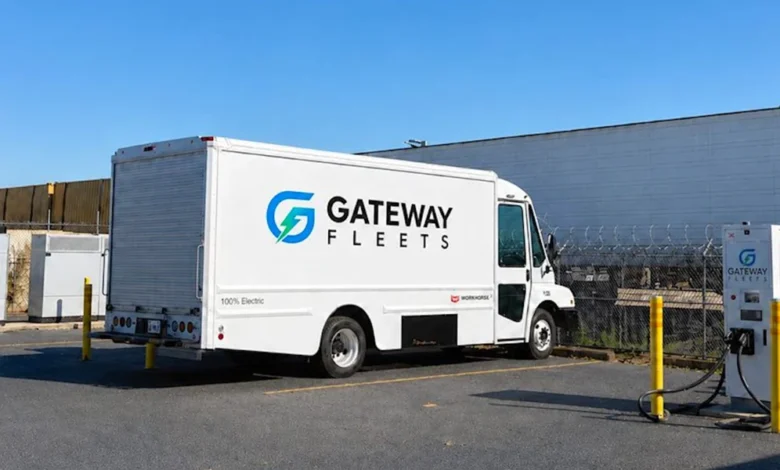
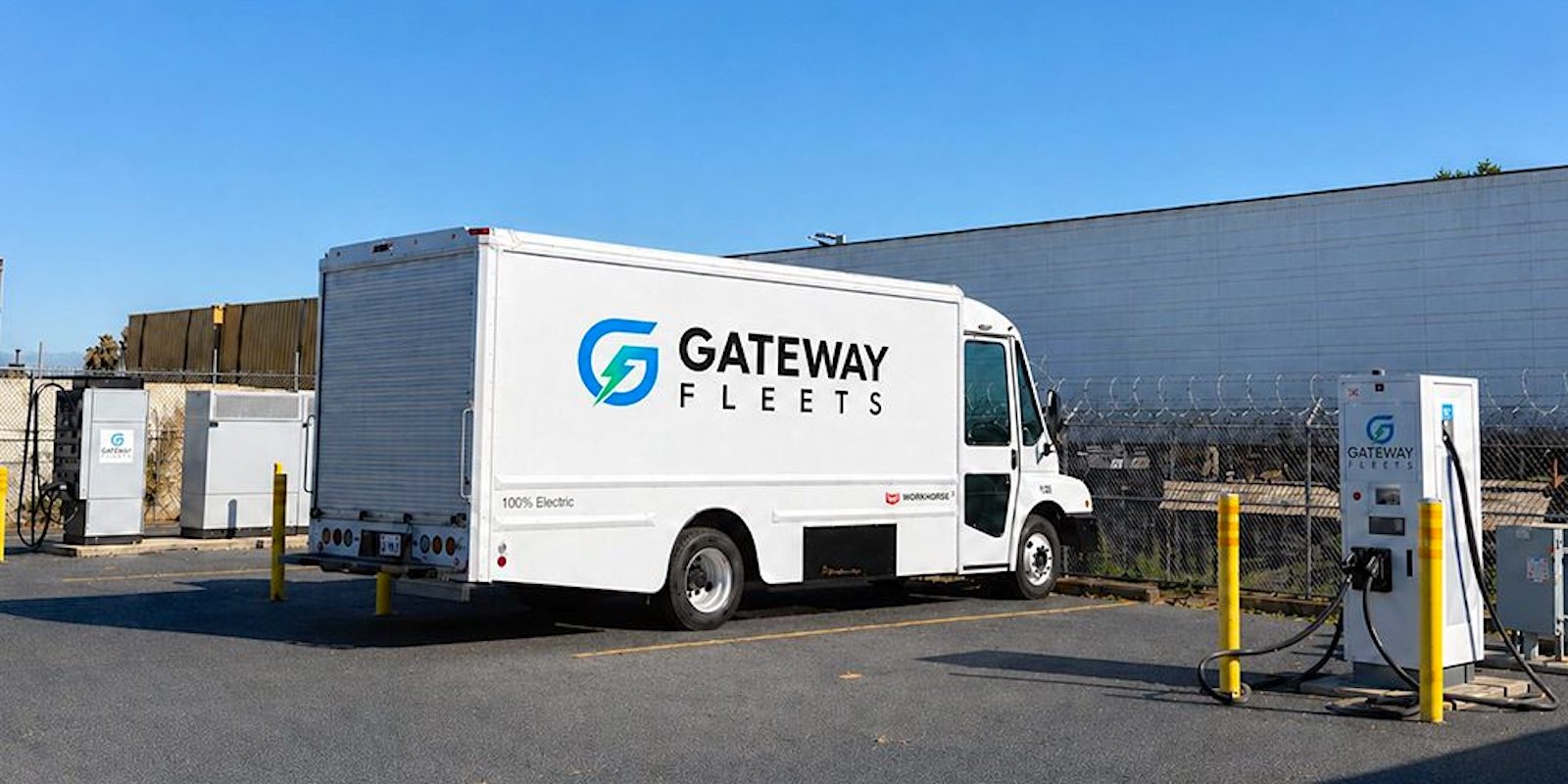
The landscape of last-mile delivery logistics is undergoing a profound structural transformation, driven largely by volatile fossil fuel markets and the relentless expansion of e-commerce. In a clear signal that commercial fleet operators are increasingly looking toward electrification to stabilize operational expenses, electric vehicle manufacturer Workhorse Group has secured a significant follow-on order. California-based Gateway Fleets, a specialized provider of bundled electric vehicle and charging infrastructure solutions, has committed to purchasing an additional 200 medium-duty W56 electric step vans.
This latest procurement follows an initial pilot order of 100 W56 units placed earlier this year, signaling rapid validation from end-users operating in rigorous, high-frequency urban delivery environments. The expansion underscores a broader industry pivot toward alternative powertrains as third-party logistics (3PL) providers grapple with unpredictable fueling costs and tightening municipal emissions regulations. Deliveries for this newly contracted batch of 200 vehicles are slated to begin in the second half of 2027, with deployments expected to run continuously through 2028. California-based truck dealer Kingsburg Truck Center (KTC) will manage the fulfillment process, overseeing everything from consultative sales to incentive processing and localized service support.
The Chronology of a Growing Partnership
The deepening commercial relationship between Workhorse, Gateway Fleets, and Kingsburg Truck Center highlights a deliberate, phased approach to fleet electrification. Rather than committing to massive, unvetted overhauls of entire delivery networks, modern commercial operators are increasingly relying on controlled pilot programs before scaling up.
The strategic timeline of this deployment initiative outlines a methodical transition toward full-scale operational integration:
- Early 2026: Gateway Fleets places its foundational order for 100 medium-duty Workhorse W56 electric step vans, initiating real-world performance trials across designated last-mile delivery routes.
- Throughout 2026: The initial fleet of W56 vans undergoes intensive daily operations, accumulating valuable telemetry data concerning battery degradation, range efficiency, driver ergonomics, and maintenance overhead under heavy urban workloads.
- Late September 2026: Bolstered by favorable operational metrics and positive feedback from delivery contractors regarding vehicle reliability, Gateway Fleets moves to expand its commitment.
- Late 2026 Onward: Workhorse and Gateway officially announce the expanded agreement for an additional 200 vehicles, bringing the total order volume to 300 units.
- Second Half of 2027 through 2028: Scheduled rollout window for the newly ordered 200 W56 step vans, ensuring a steady, phased integration into customer fleets.
Overcoming Industry Barriers Through the Truck-as-a-Service Model
For many small-to-midsize last-mile delivery contractors, the transition from internal combustion engine (ICE) vehicles to battery-electric alternatives has historically been impeded by two formidable financial hurdles: the steep upfront capital expenditure required to purchase commercial EVs, and the secondary investment needed to install dedicated depot charging infrastructure.
Gateway Fleets has structured its business model specifically to dismantle these roadblocks. By employing a comprehensive "truck-as-a-service" (TaaS) framework, the company bundles purpose-built electric commercial vehicles with comprehensive charging infrastructure, ongoing fleet management support, and flexible depot access arrangements. This asset-light financing model allows delivery service partners (DSPs) to sidestep the complex logistics of energy management and grid interconnectivity, enabling them to adopt green fleets without compromising their balance sheets.
Industry analysts note that this bundled approach directly addresses the primary risk factors cited by fleet managers. By absorbing the capital complexity of charging infrastructure buildouts and providing predictable, subscription-style financial terms, Gateway effectively accelerates market adoption in sectors that operate on razor-thin profit margins.
Anatomy of the Workhorse W56 Platform
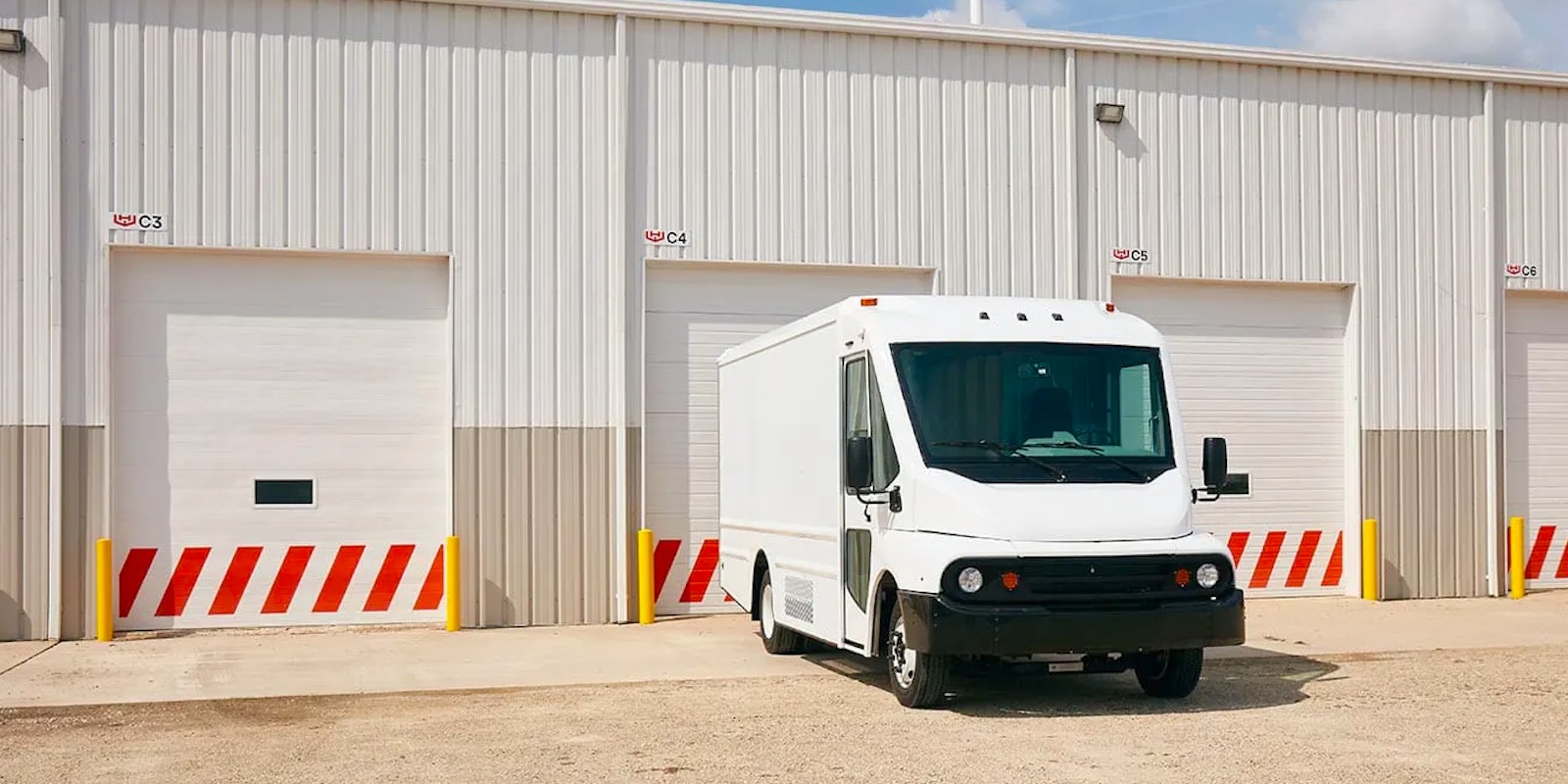
At the center of this multi-hundred-unit deployment is the Workhorse W56, a purpose-built Class 5 and Class 6 medium-duty platform engineered specifically to withstand the grueling duty cycles of urban package delivery.
The vehicles contracted by Gateway Fleets are configured with a 178-inch wheelbase and equipped with substantial 210 kWh battery packs. This energy storage capacity yields an estimated real-world driving range of up to 150 miles on a single charge—a distance well-suited for typical multi-stop metropolitan delivery routes. Furthermore, the step vans offer a robust payload capacity of up to 10,000 pounds, housed within a spacious 1,000-cubic-foot cargo box body.
Durability and driver ergonomics were central design priorities for the W56 platform. Every unit features a fully integrated, purpose-built composite body designed to resist rust, dents, and minor impacts common in tight urban delivery zones. Inside the cabin, the ergonomic layout is tailored to mitigate the physical toll placed on drivers who may enter and exit the vehicle hundreds of times during a single shift.
Scott Griffith, Chief Executive Officer at Workhorse, emphasized the intersection of economic necessity and vehicle capability driving these sales. "In today’s era of high and volatile fuel prices, customers are seeking the stability and lower operating costs associated with electric trucks, without sacrificing safety or performance," Griffith stated. He added that Gateway’s innovative commercial model plays a pivotal role in eliminating the twin barriers of vehicle acquisition costs and infrastructure capital requirements.

Stakeholder Perspectives and Regional Support
The operational success of commercial fleet electrification depends heavily on regional support networks, parts availability, and technical expertise. Kingsburg Truck Center has served as a crucial bridge in facilitating the transaction and ensuring long-term technical backing for the vehicles operating in the field.
Jerry Smith, owner of Kingsburg Truck Center, pointed to the collaborative nature of the deployment as a primary driver of customer confidence. "This partnership brings together three critical components of fleet electrification: a high quality, proven Workhorse truck; a deployment and service partner, Gateway; and our team at Kingsburg, providing full-circle consultative sales, incentive processing, and service support," Smith noted. He further highlighted that user feedback regarding the W56’s performance throughout the year has been consistently positive, laying a solid foundation for future operational growth.
Through these regional dealership networks, operators also gain assistance in navigating complex state-level and federal incentive programs, such as California’s Hybrid and Zero-Emission Truck and Bus Voucher Incentive Project (HVIP), which can significantly offset the net purchase price of commercial zero-emission vehicles.
Broader Market Implications and Competitive Landscape

The expansion of Gateway’s fleet order places Workhorse in increasingly strong company within the North American commercial EV market. Workhorse has steadily built out its client roster, securing supply agreements and deployment contracts with major enterprise fleets, including shipping giants like FedEx, corporate service providers Aramark and Cintas, and Canadian logistics leader Purolator.
As federal and state regulatory bodies continue to tighten tailpipe emission standards—particularly in states adopting aggressive zero-emission mandates for medium- and heavy-duty commercial vehicles—transportation companies face mounting pressure to decarbonize their operations. Traditional delivery fleets that rely entirely on diesel or gasoline vehicles find themselves increasingly vulnerable to macroeconomic fuel price shocks, as well as impending regulatory compliance fines.
The success of the 300-unit cumulative deployment between Workhorse and Gateway Fleets serves as an important bellwether for the commercial EV sector. It demonstrates that when vehicle reliability, comprehensive infrastructure support, and flexible financing align, fleet operators are increasingly prepared to transition away from fossil fuels permanently. As these 200 new W56 step vans roll off production lines and onto California streets between late 2027 and 2028, they will provide a critical real-world test of scalability for sustainable urban logistics.
Related posts: