Tesla Brings Cybercab to China for Public Display While Emphasizing No Immediate Plans for Sales or Commercial Operations

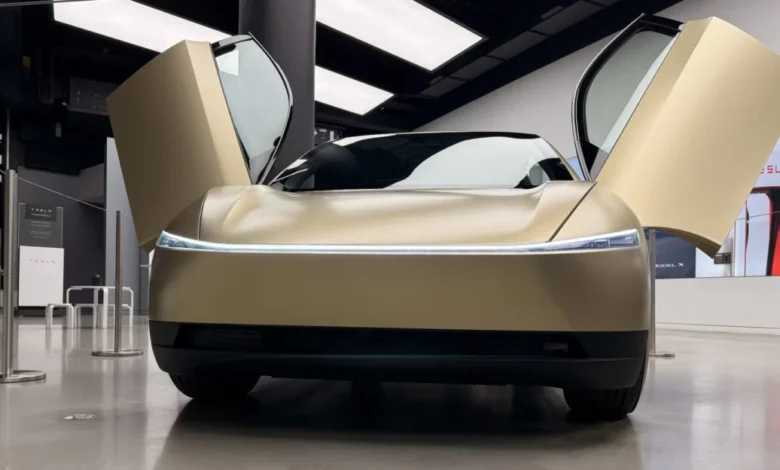
Tesla has officially brought its highly anticipated Cybercab to China for its first public exhibition in the country, though the automaker has moved quickly to manage expectations. The futuristic, two-seater vehicle—distinguished by its complete lack of a steering wheel and pedals—is appearing as part of a limited promotional tour designed strictly to showcase the company’s evolving design philosophy and technological capabilities. Tesla representatives in China have been explicit that the static displays do not signal an impending market launch, retail availability, or the rollout of an autonomous ride-hailing network in the region.
The exhibition comes at a complex time for autonomous vehicle development globally. While Tesla navigates a patchwork of regulatory frameworks in the United States—focusing initial deployment efforts on states like Texas and Florida—the Chinese market represents an entirely different competitive landscape. Domestic autonomous driving giants within China have already scaled commercial, driverless operations to a level that far outpaces current regulatory approvals for foreign entrants. Consequently, Tesla’s decision to showcase the Cybercab in Beijing and Shanghai serves less as a product rollout preview and more as a high-profile brand engagement strategy, drawing curious consumers into showrooms where traditional consumer models like the Model Y remain the primary focus of purchase.
Exhibition Schedule and Locations
The public showcase represents the first time local consumers and technology enthusiasts in mainland China can view the Cybercab up close. The vehicle is scheduled for sequential static displays in two of the country’s most prominent commercial centers.
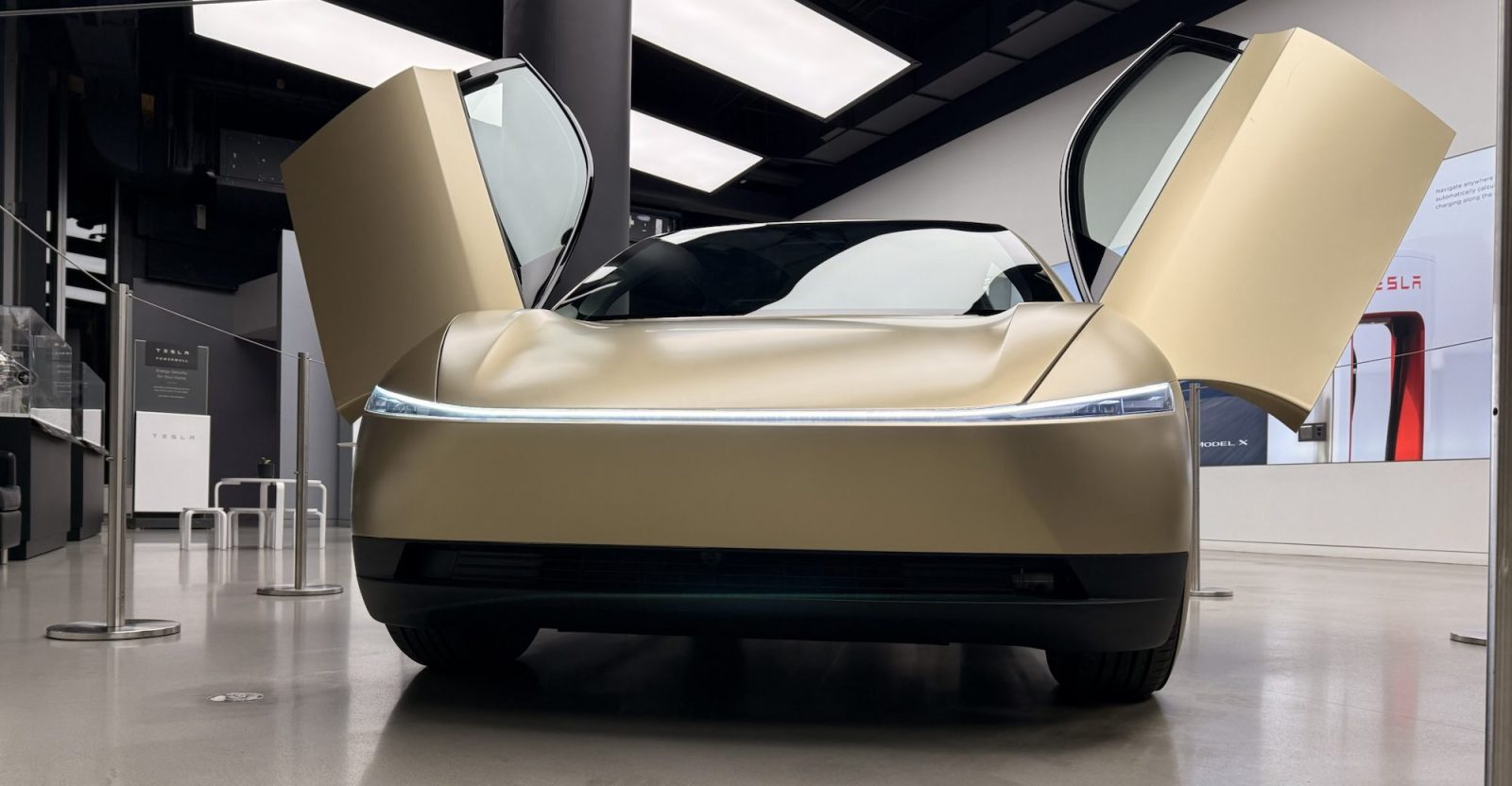
The first leg of the exhibition begins on September 17 at Tesla’s Huamao experience store located in Beijing. The vehicle will remain on display at this high-traffic luxury retail hub through September 27. Following the Beijing engagement, the Cybercab will be transported to Shanghai, where it will occupy the LG1 north hall of the HKRI Taikoo Hui shopping complex. This second phase of the tour is scheduled to run through September 21, offering visitors in East China an opportunity to examine the interior and exterior architecture of the autonomous concept.
Despite the excitement surrounding the physical presence of the vehicle, Tesla China has maintained a strict stance regarding the limits of the tour. In official statements released alongside the exhibition announcements, the company reiterated that the vehicle’s appearance is intended solely to highlight "product design and technological concepts." The automaker explicitly noted that the showcase does not involve the sale of the Cybercab in the Chinese market, nor does it establish any foundation for future commercial operations involving driverless ride-hailing services managed by Tesla in the region.
Regulatory Realities and Design Limitations
The cautious language from Tesla is grounded in hard regulatory and structural realities. The Cybercab’s defining engineering characteristic—its complete omission of manual controls, including a traditional steering wheel and accelerator or brake pedals—presents immediate hurdles for vehicle homologation. Under current legal frameworks in both the United States and China, mass-market consumer vehicles must satisfy specific safety standards that assume human driver intervention capabilities. A vehicle without manual overrides cannot be registered or sold to everyday retail consumers under existing automotive regulations in these jurisdictions.
Furthermore, the operational hurdles for a robotaxi service are significantly more stringent. Tesla has pursued a phased approach to autonomous software deployment in China, having introduced a limited, supervised version of its Full Self-Driving (FSD) software to the market to mixed consumer reviews and regulatory scrutiny. However, the software currently operates strictly under human supervision. Tesla has not yet secured the necessary regulatory clearances from Chinese authorities to conduct unsupervised, driverless commercial operations on public roads—a prerequisite for deploying a fleet of autonomous Cybercabs for public transport.

The Competitive Landscape in China
While Tesla’s tour offers a glimpse into its long-term autonomous vision, the Chinese domestic market has already achieved commercial maturity in the robotaxi sector. For several years, Chinese autonomous driving pioneers have operated paid, fully driverless commercial fleets across multiple major metropolitan areas without safety drivers behind the wheel.
Companies such as Baidu, through its Apollo Go service, along with industry competitors Pony.ai and WeRide, have scaled their operations to millions of commercial rides. These domestic platforms have accumulated vast datasets navigating dense urban environments, complex traffic patterns, and intricate pedestrian zones unique to Chinese cities. As a result, China is widely recognized by industry analysts as one of the most advanced and fiercely competitive markets for autonomous mobility on the planet.
Entering this ecosystem requires compliance with rigorous local data security laws, mapping regulations, and algorithmic safety audits. Foreign companies face substantial compliance hurdles, particularly regarding the collection and storage of geographical data within Chinese borders. By positioning the Cybercab strictly as a static design exhibit, Tesla avoids these immediate regulatory friction points while still maintaining visibility in a market vital to its overall global sales volume.
Strategic Implications for Tesla Retail and Brand Presence
Industry observers suggest that the primary utility of the Cybercab tour in Beijing and Shanghai is marketing and brand engagement rather than immediate commercial preparation. By placing a futuristic, steering-wheel-less vehicle in high-end shopping malls, Tesla generates significant foot traffic and media attention.

For the average consumer walking into the Huamao experience store or HKRI Taikoo Hui, the display highlights Tesla’s positioning at the cutting edge of automotive engineering. However, because the vehicle is entirely unavailable for purchase, the surge in showroom visitors typically translates into increased interest and potential sales conversions for commercially available vehicles, such as the Model 3 sedan and the Model Y crossover. These traditional vehicles represent the entirety of Tesla’s current sales volume in China and remain subject to intense pricing competition from domestic electric vehicle manufacturers like BYD, NIO, and Xpeng.
Ultimately, the Cybercab exhibition highlights the widening gap between Tesla’s ambitious long-term autonomous roadmap and the practical realities of international regulatory compliance. While the company continues to test and refine its autonomous technology in select deregulated environments abroad, its immediate footprint in key global markets like China will continue to rely on conventional consumer vehicles and supervised driver-assistance systems until regulatory frameworks evolve to accommodate truly driverless transportation at scale.
Related posts: