As the calendar turns toward the final week of October 2026, a confluence of cultural shifts, literary debates, and evolving consumer habits is capturing the public imagination. From the rising influence of digital-age aesthetics in interior design to the intellectual discourse surrounding the “reading monoculture,” the current media landscape reflects a population deeply engaged with both hyper-local trends and broader societal questions.
The Phenomenon of Reading Monoculture
In recent months, literary circles have been grappling with the concept of the “reading monoculture,” a term coined to describe the tendency for a single book to dominate the collective zeitgeist. According to recent reporting, this trend is driven by social media algorithms and the human desire for shared cultural experiences.
Data from publishing analytics suggests that when a title achieves “must-read” status, sales do not merely increase incrementally; they spike exponentially as readers feel a social obligation to participate in the conversation. This phenomenon suggests that for many, the act of reading has transformed from a solitary, private pursuit into a public performance. Sociologists argue that this trend, while fostering community, may inadvertently marginalize niche or challenging works that do not fit the “monoculture” aesthetic, potentially narrowing the scope of public discourse.
Culinary Shifts and the Copenhagen Snack Craze
While literary trends fluctuate, the culinary world is seeing a return to minimalism. A notable example is the current obsession in Copenhagen with a deceptively simple snack: high-quality sliced cheese served on artisanal bread. While it may appear to be a rudimentary meal, top-tier bakeries in the Danish capital have spent months perfecting the ratio of butter to bread and the specific thickness of the cheese.
Industry analysts point out that this trend represents a broader “back-to-basics” movement in fine dining. As global supply chains face volatility, both consumers and chefs are increasingly turning to high-quality, locally sourced staples rather than complex, ingredient-heavy preparations. The “BMO” (bolle med ost) has become a symbol of this shift, emphasizing that true culinary excellence lies in the execution of the familiar rather than the invention of the exotic.
Digital Trends: From Fashion to Interior Design
The intersection of technology and personal lifestyle continues to evolve, as evidenced by recent shifts in fashion and home aesthetics. The current demand for “glowy” home environments—a design trend focusing on warm lighting, reflective surfaces, and soft textures—mirrors a collective desire for comfort during the cooling autumn months.
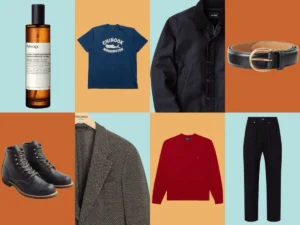
Simultaneously, the fashion industry is observing a significant uptick in interest regarding classic silhouettes, such as the bob haircut, which has regained popularity among high-profile celebrities. This cycle of “retro-futurism” in fashion suggests that consumers are looking for stability in their personal branding, opting for timeless cuts that transcend seasonal volatility. Furthermore, luxury retail remains robust, with specific collections—such as those currently featured by major apparel retailers—selling out quickly despite higher price points. This indicates that even in an inflationary environment, the “lipstick effect” holds true: consumers are willing to spend on small, accessible luxuries that provide an immediate aesthetic upgrade.

The Role of Humor in the Digital Age
The digital sphere continues to rely on humor as a primary currency for social connection. Recent viral moments, ranging from creative business cards to the lighthearted absurdity of "time travel" satire in long-form journalism, serve as essential stress-relievers in a high-information environment.
A prime example of this is the ongoing engagement with documentary-style storytelling. Filmmakers like Nathan Fielder have set a new standard for blending reality with performative irony, forcing audiences to question the authenticity of the media they consume. This analytical approach to entertainment has spilled over into everyday interactions, as seen in the increasing trend of creative, conceptual Halloween costuming. Rather than relying on traditional tropes, individuals are opting for abstract representations, such as "claustrophobia" or other intellectual puns, highlighting a shift toward a more literate and self-aware pop culture.
Community Perspectives and Intergenerational Exchange
The value of community, even in a digital-first era, remains grounded in personal interactions. Recent anecdotal evidence from community forums reveals a strong focus on intergenerational mentorship and the importance of traditional domestic skills.
One striking example involves the pride expressed by parents in cultivating culinary reputations within their local neighborhoods. When a child’s peer identifies a household by its specific, consistent, and comforting food offerings—such as the perennial favorite of sourdough sandwiches—it underscores a return to “slow living.” This grassroots building of community, one meal at a time, serves as a necessary counterbalance to the rapid-fire nature of the digital world.
Broader Implications for 2026
As we look toward the remainder of the year, several patterns have emerged that will likely define the coming months:
- Sustainable Minimalism: The focus on perfecting simple foods and investing in high-quality, long-lasting fashion items suggests a transition away from the "fast" consumer culture of the early 2020s.
- Algorithmic Literacy: The discussion around reading monocultures indicates that the public is becoming more aware of, and perhaps slightly weary of, the algorithmic curation of their interests. There is a growing demand for diverse, non-monoculture-driven content.
- The Resurgence of the Local: Whether it is the obsession with a specific Copenhagen bakery’s cheese toast or the pride of local parents in being known for their home cooking, there is a clear trend toward valuing local expertise and tangible, physical experiences over purely digital ones.
Looking Ahead
The upcoming weekend offers a moment of pause for many, with activities ranging from outdoor exploration during the final days of warm fall sunshine to engaging with long-form media. The cultural artifacts of this week—the books we read, the food we prepare, and the trends we adopt—are not merely distractions. They are indicators of a society searching for authenticity and connection in a world that often feels increasingly fragmented.
As experts note, the most successful trends of the current season are those that bridge the gap between our digital lives and our physical realities. Whether it is a perfectly buttered piece of bread or a thought-provoking documentary that challenges our perception of truth, these moments form the scaffolding of our modern experience. As we move into the next phase of the year, the emphasis will likely remain on these small, deliberate choices that define our personal and collective identity.