Healthy Summer Dinners and Wholesome Snacks: A Guide to Seasonal Nutrition and Sustainable Eating

The transition into the summer months marks a significant shift in global consumer dietary habits, characterized by a move away from calorie-dense comfort foods toward lighter, nutrient-rich meals that leverage the peak harvest of seasonal produce. As temperatures rise, the human body’s physiological requirements often pivot, favoring hydration-heavy vegetables and lean proteins that support thermoregulation and energy maintenance. This seasonal culinary evolution is not merely a matter of taste but is rooted in the availability of fresh ingredients such as tomatoes, corn, stone fruits, and leafy greens, which reach their nutritional and flavorful zenith between June and August. Modern nutritional science and culinary trends suggest that the "light and bright" approach to summer dining is a critical component of a balanced lifestyle, offering a sustainable way to meet dietary goals without the perceived hardship of restrictive dieting.
The Seasonal Shift in Consumer Culinary Preferences
Market data indicates a notable increase in the consumption of fresh produce during the summer quarter. According to agricultural reports, the demand for "farm-to-table" ingredients peaks as farmers’ markets and local cooperatives become the primary sourcing hubs for urban and suburban households. This shift is driven by the superior organoleptic qualities of sun-ripened produce. For instance, the high lycopene content in vine-ripened tomatoes and the natural sugars in sweet corn provide a flavor profile that requires minimal processing, thereby reducing the need for added fats, salts, and sugars.
Culinary experts note that summer recipes often prioritize "heavy lifting" by the ingredients themselves. The simplicity of preparation—ranging from grilling to raw assemblies—reflects a broader trend toward "SOS" (Simple, Organic, Sustainable) cooking. By focusing on meals that "make themselves," consumers are able to maintain a high standard of nutrition while reducing the time spent in high-heat kitchen environments. This trend is particularly evident in the rising popularity of grain bowls, specialized salads, and sheet-pan dinners that maximize efficiency and flavor.
Nutritional Profiles of Key Summer Ingredients
The efficacy of summer dining is largely dependent on the specific nutritional profiles of seasonal crops. Data from the Department of Agriculture highlights several "superfoods" that define the summer plate:
- Tomatoes and Peppers: These are rich in vitamins A and C, as well as antioxidants like lycopene and lutein, which are essential for skin health and protection against UV-induced oxidative stress.
- Stone Fruits (Peaches, Nectarines, Cherries): These fruits provide essential dietary fiber and potassium, aiding in digestion and cardiovascular health during periods of increased physical activity.
- Leafy Greens and Cruciferous Vegetables: Kale, cabbage, and spinach serve as the foundation for high-volume, low-calorie meals, providing iron and calcium.
- Corn and Legumes: These offer complex carbohydrates and plant-based proteins, ensuring sustained energy levels throughout the longer daylight hours.
The integration of these ingredients into daily meals, such as in a Corn, Avocado, and Quinoa Salad or a Peach and Cucumber Salad, represents a strategic approach to micronutrient intake.
Chronology of the Summer Harvest and Meal Planning
The summer dining season can be categorized into three distinct phases based on ingredient availability, each influencing meal planning and preparation styles:
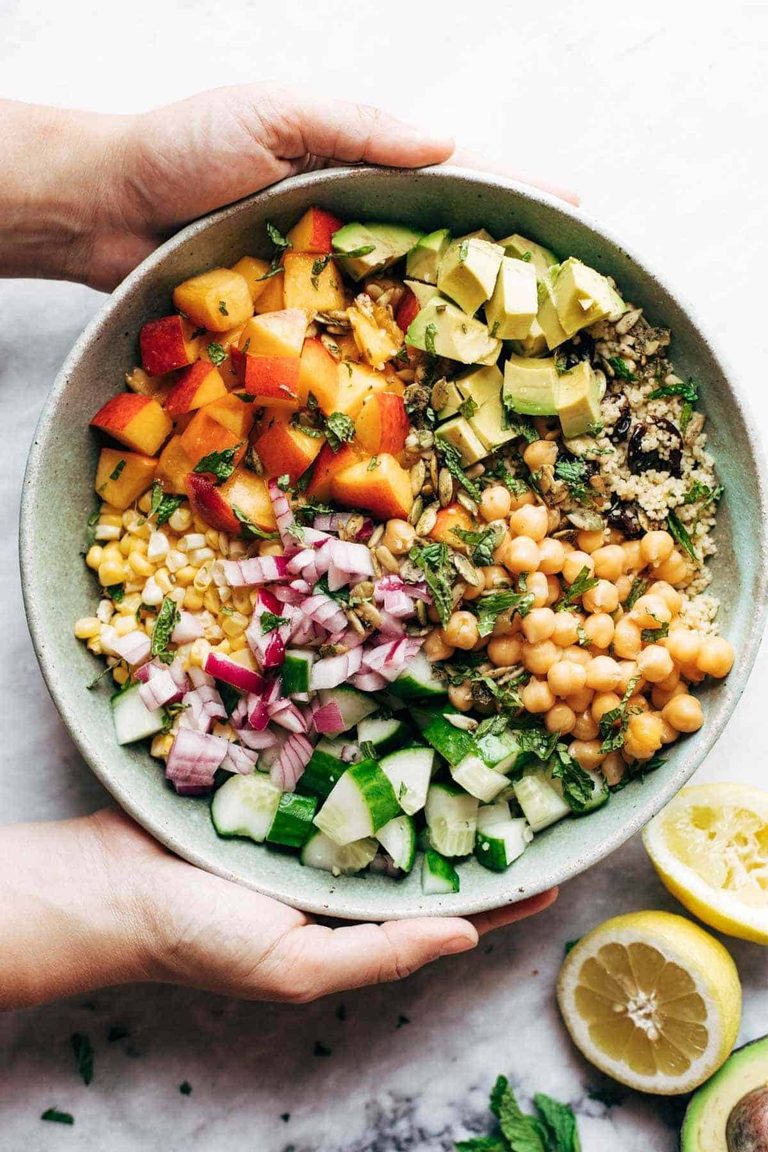
Early Summer (June): The Green Phase
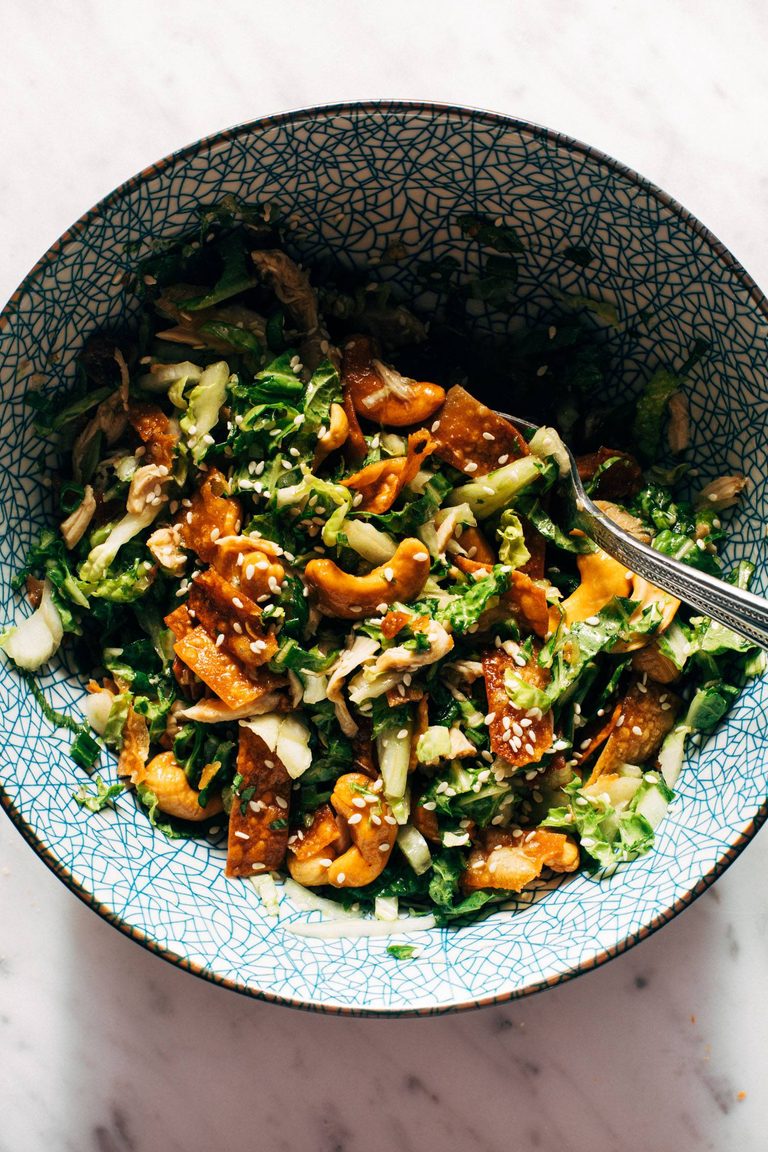
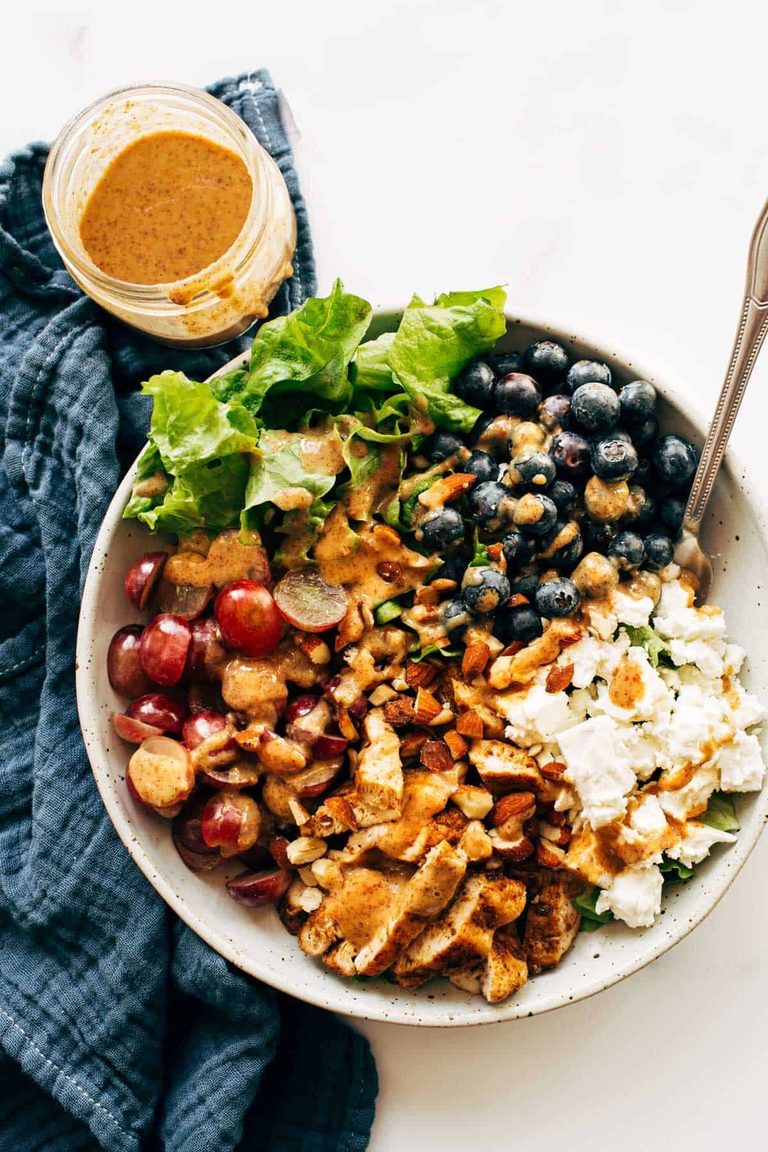
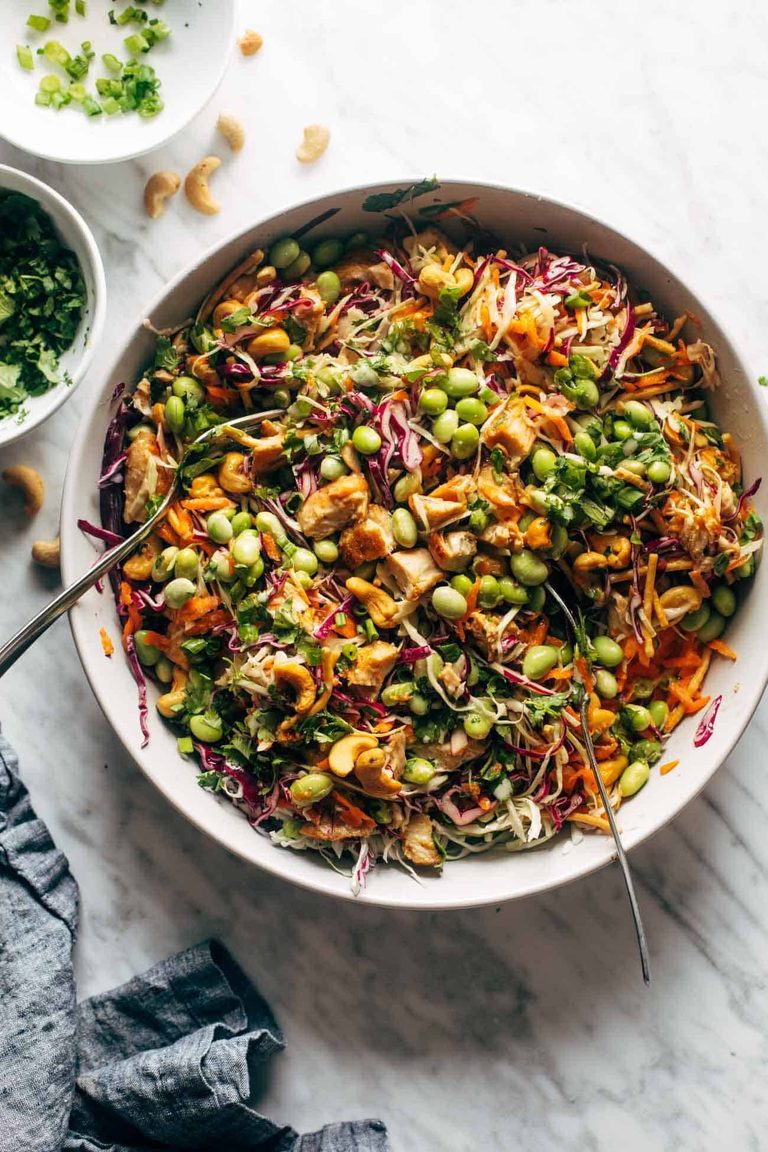
The initial phase is dominated by cool-weather holdovers and early bloomers. This period features an abundance of strawberries, snap peas, and tender greens. Culinary focus during this time often involves "Rainbow Chicken Salads" and "Green Goddess" bowls, where the emphasis is on crisp textures and vibrant, herb-heavy dressings.
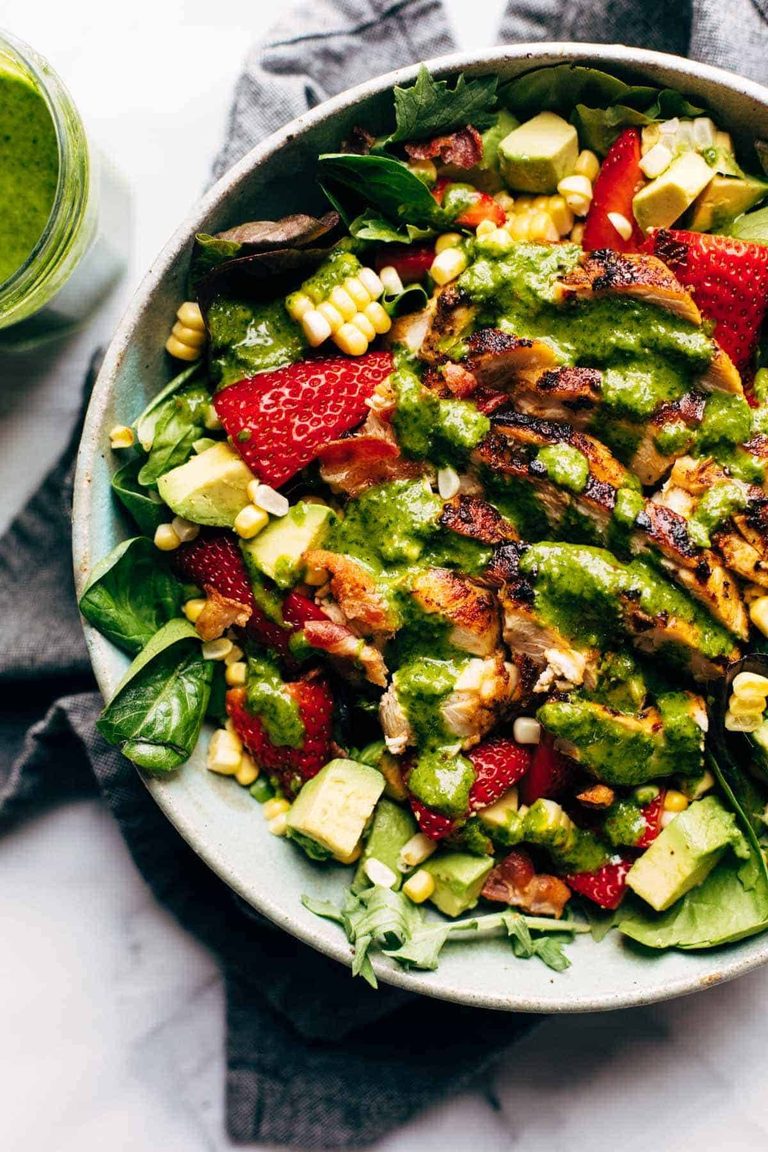
Mid-Summer (July): The Peak Harvest
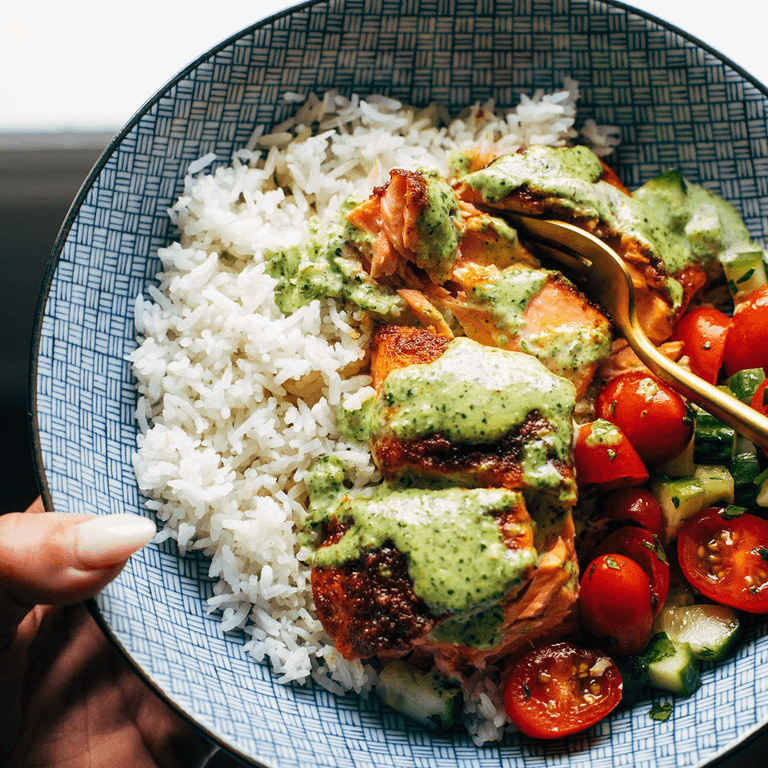
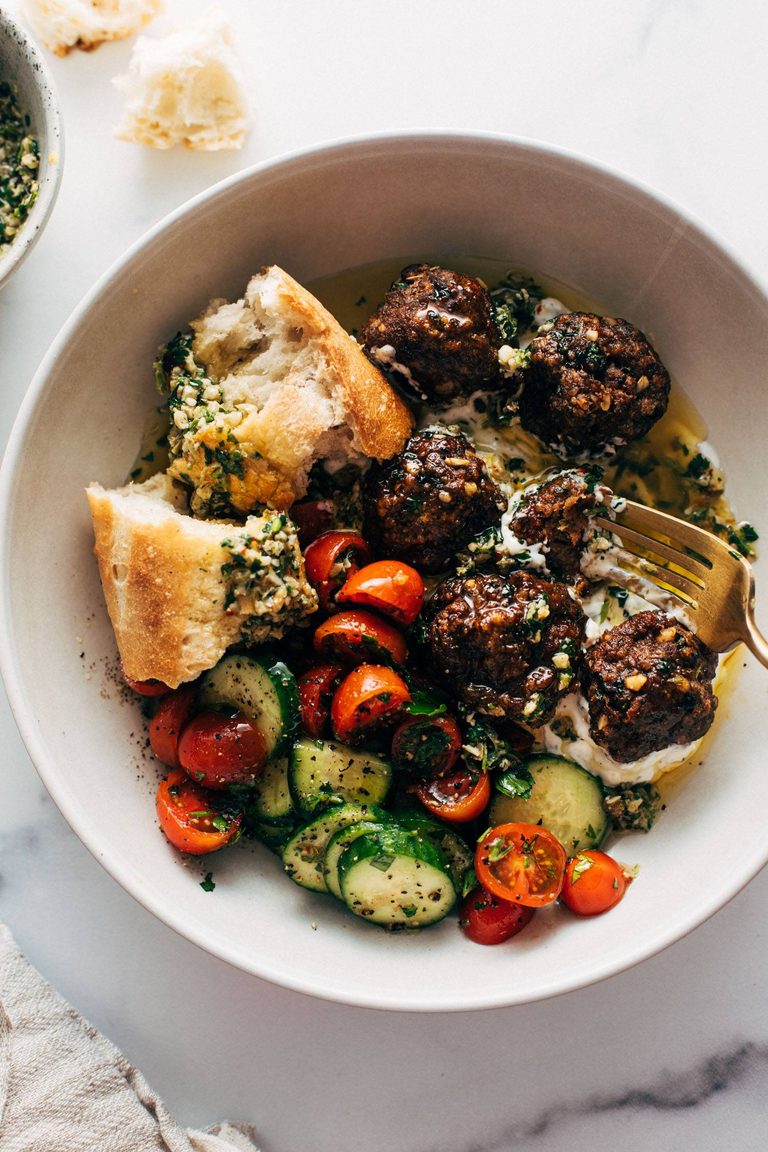
As heat intensifies, the harvest expands to include peppers, tomatoes, and stone fruits. This is the era of the "Salmon with Basil Sauce and Tomato Salad" and "Sheet Pan Meatballs with Green Sauce." The use of bold, zesty sauces like Aji Verde or Chimichurri becomes prevalent, providing a "feisty" flavor profile that complements grilled proteins.
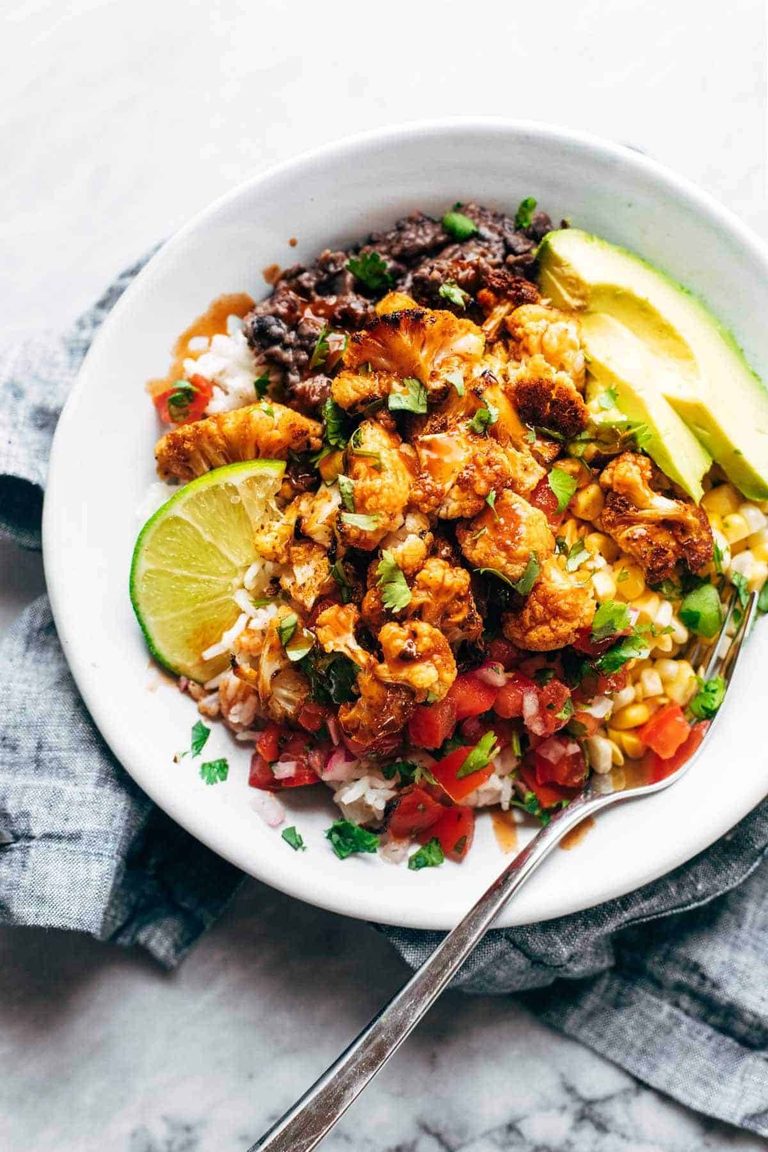
Late Summer (August): The Bounty and Preservation
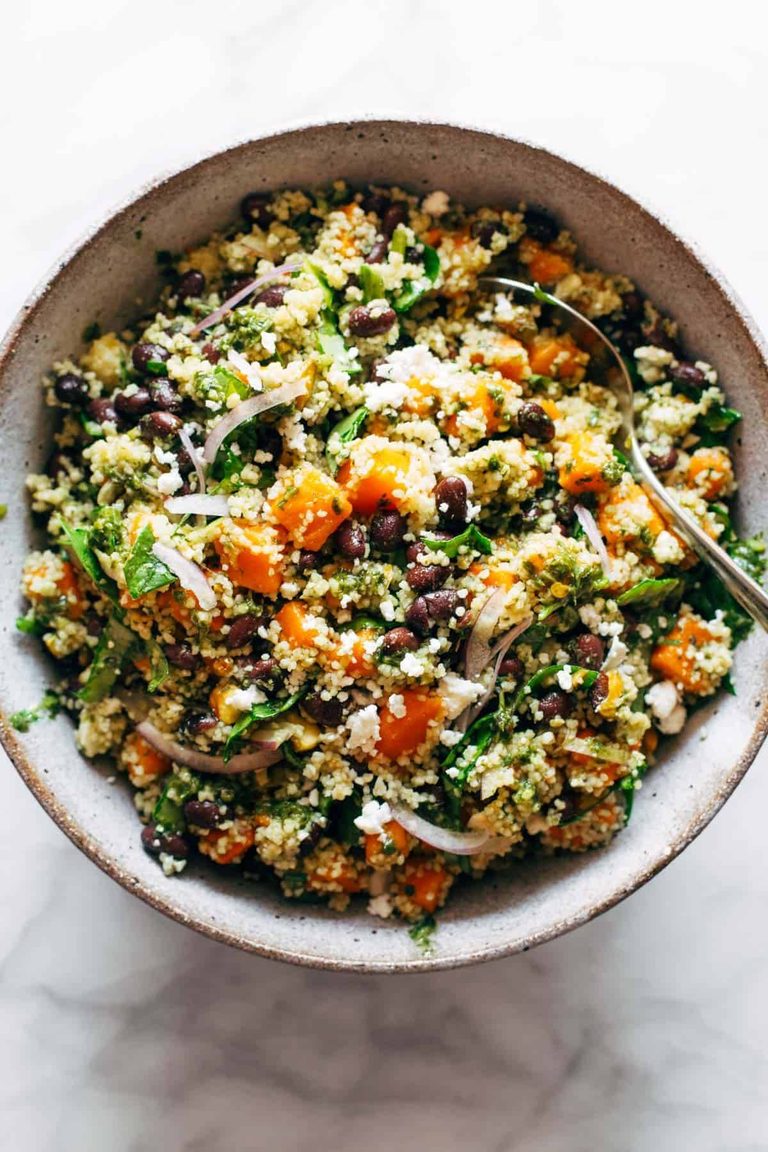
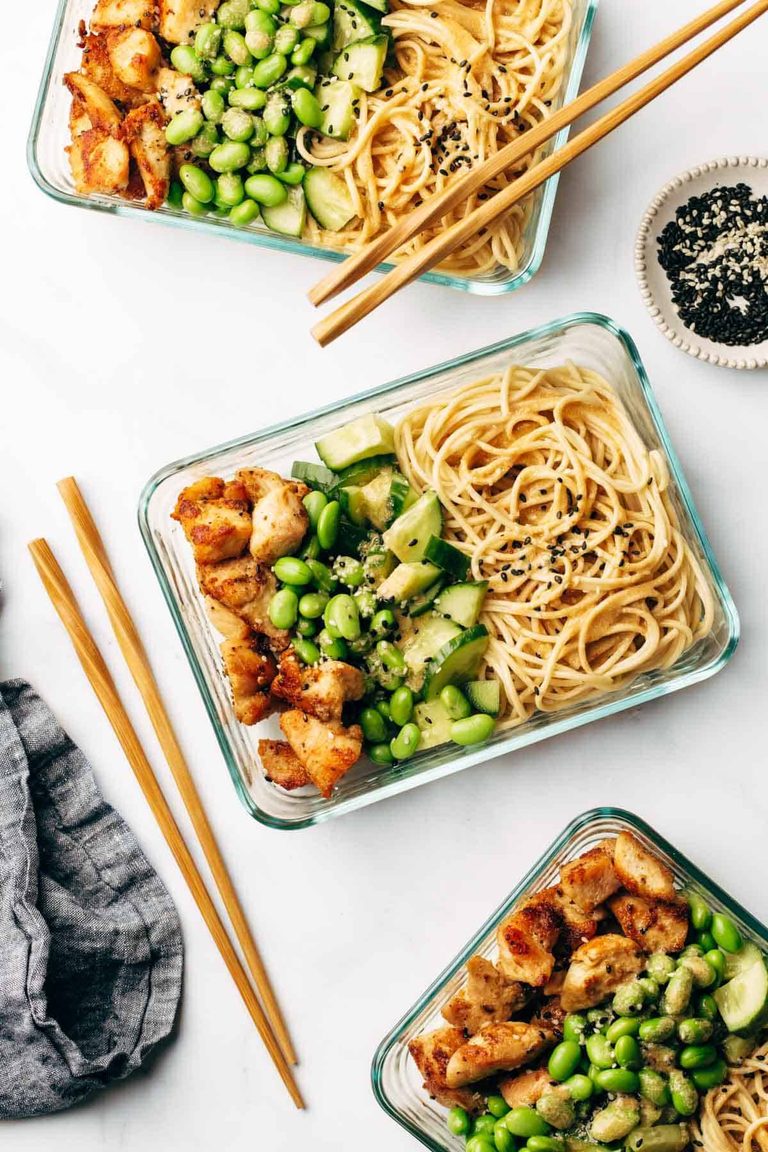
The final phase sees the arrival of corn, squash, and melons. This period is characterized by more robust salads, such as the "Elote Style Quinoa Salad" and "Couscous Summer Salad with Cherries and Nectarines." It is also the time when meal prepping becomes essential for the transition back to school and work routines, utilizing "Sesame Noodle Bowls" and "Marinated Kale and Chicken Bowls" that store well and maintain their nutritional integrity over several days.
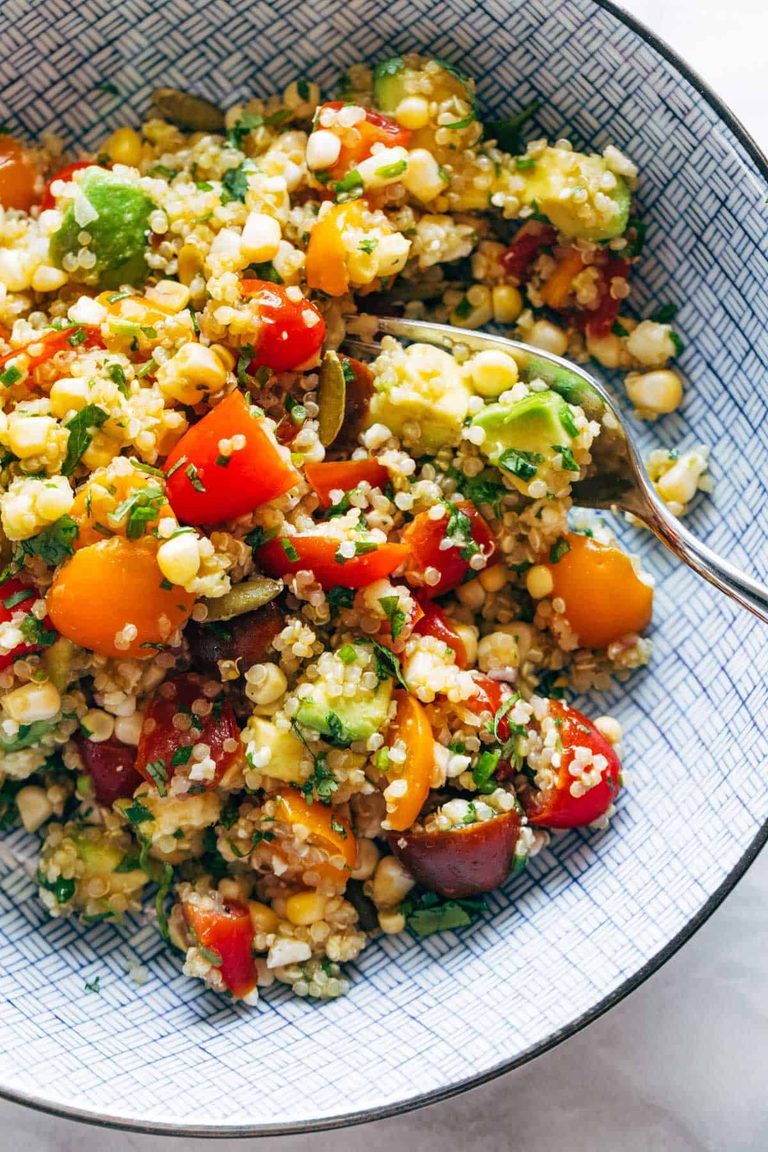
Innovations in Summer Meal Preparation and Global Influences
A journalistic analysis of contemporary summer recipes reveals a heavy influence from global cuisines, particularly those from Mediterranean, Southeast Asian, and Latin American regions. These cultures have historically mastered the art of "heat-friendly" cooking.
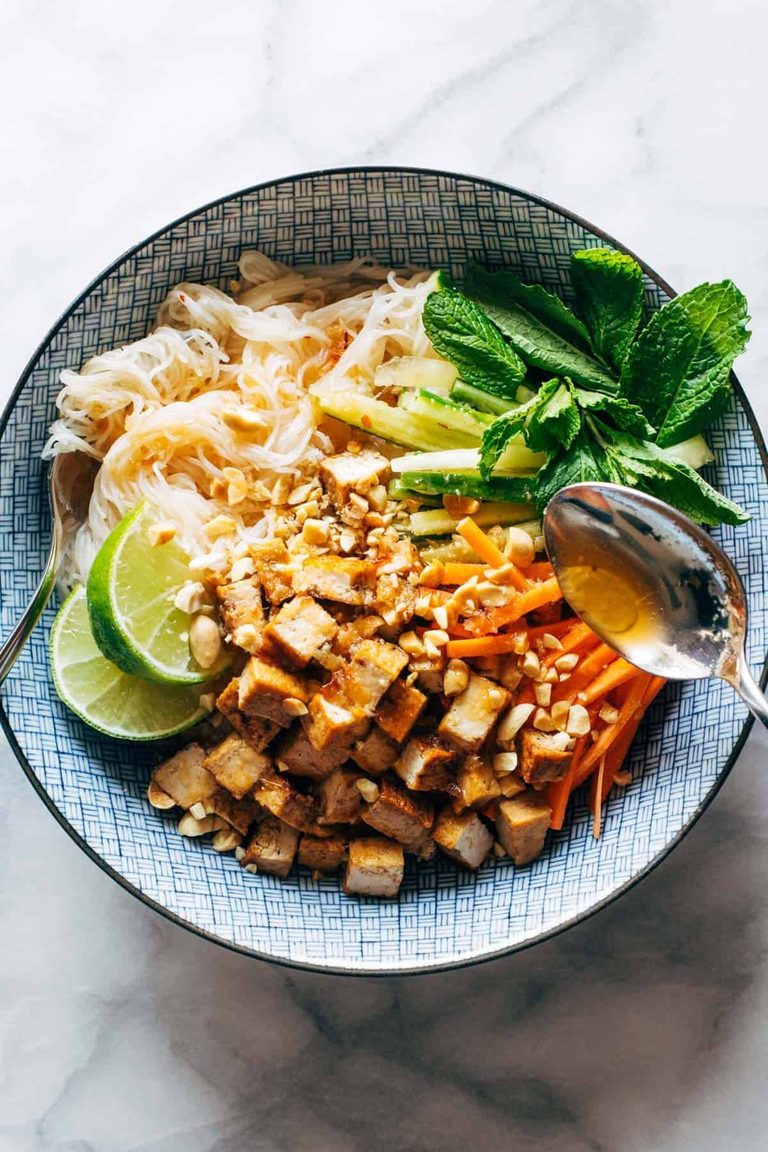
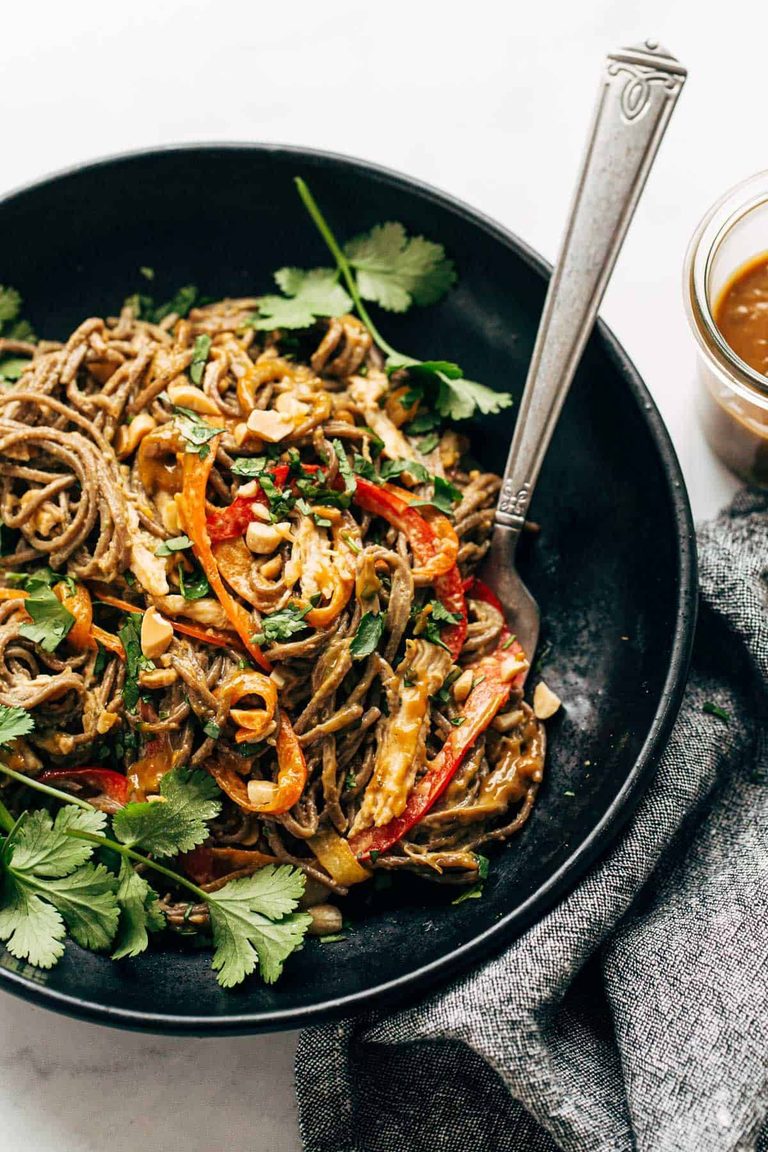
- Southeast Asian Influence: The use of lemongrass, ginger, and lime in dishes like "Lemongrass Vermicelli Salad" and "Thai Peanut Chicken Bowls" introduces acidity and spice, which can stimulate appetite and aid in cooling the body through perspiration.
- Mediterranean Influence: The "Mediterranean Quinoa Bowl" and "Baked Shrimp with Feta" emphasize healthy fats from olive oil and lean proteins, following a dietary pattern widely recognized for its longevity-promoting benefits.
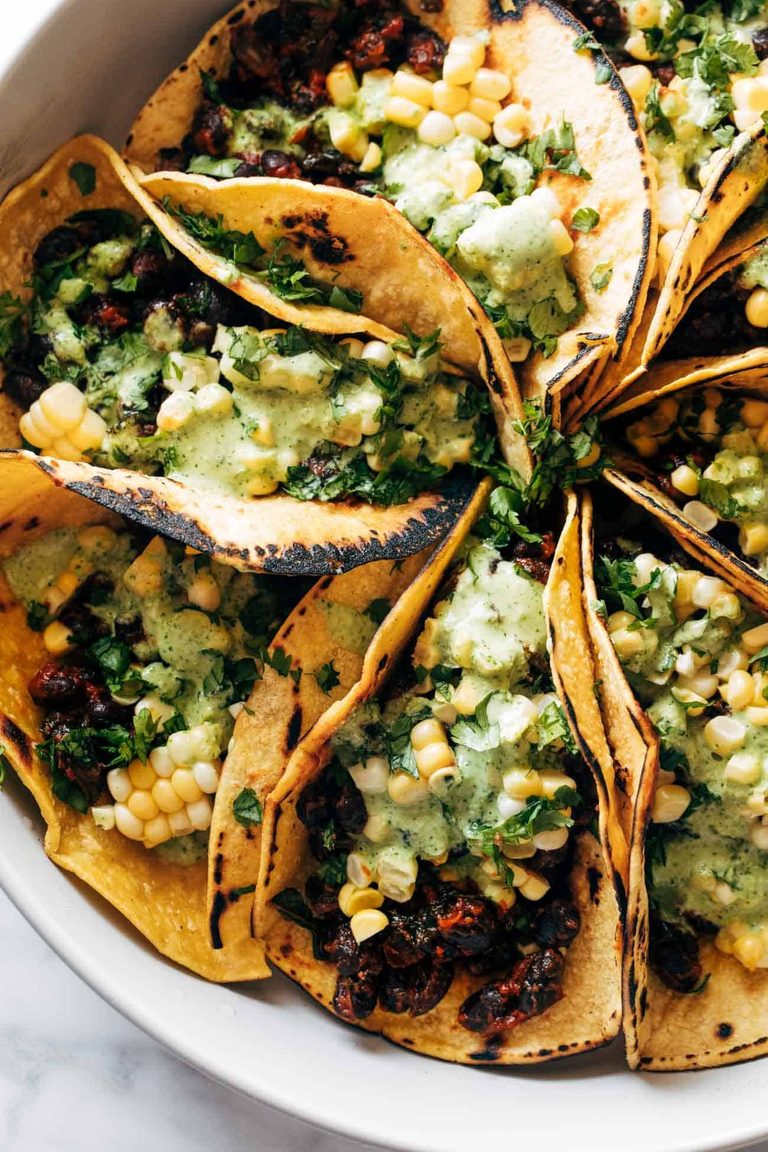
- Latin American Influence: "Smoky Beans & Greens Tacos" and "Chipotle Salmon with Orange Salsa" utilize capsicum-based spices and citrus to create depth of flavor without the need for heavy cream-based sauces.
The rise of the "Air Fryer" as a summer kitchen staple has also revolutionized meal preparation. By allowing for the "golden crisped" texture of chicken or tofu without the ambient heat of a traditional oven, devices like these have made "Banza Chicken Bowls with Calabrian Chili Sauce" a viable weeknight option even during heatwaves.
The Role of Seafood and Lean Proteins in Seasonal Diets
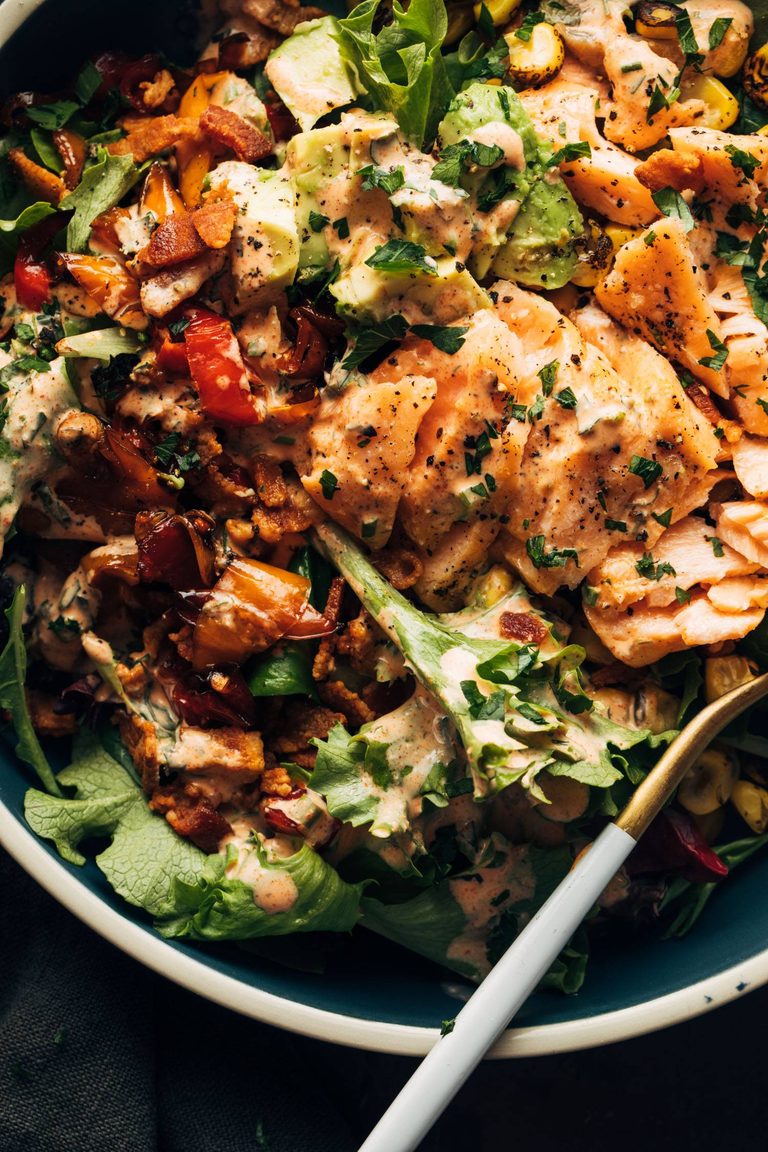
Protein selection in the summer is increasingly leaning toward seafood and poultry, which are perceived as "lighter" on the digestive system. Salmon, in particular, has seen a surge in popularity due to its high omega-3 fatty acid content. Recipes such as "BBQ Salmon Bowls with Mango Avocado Salsa" and "Yummy Salmon Burgers with Slaw" demonstrate the versatility of this protein in both formal and casual settings.
Furthermore, the "Sheet Pan" method for meatballs or chicken pitas has streamlined the cooking process. By roasting proteins alongside vegetables, the juices of the meat marinate the produce, creating a cohesive flavor profile with minimal cleanup. This efficiency is a primary driver for the adoption of these recipes by busy families and professionals.
Economic and Environmental Implications of Localized Food Sourcing
The trend toward healthy summer dining has broader implications for environmental sustainability and local economies. By consuming produce that is in season, consumers reduce the "food miles" associated with their diet—the distance food travels from farm to plate. This results in a lower carbon footprint and supports local biodiversity.
Economically, the "summer produce" movement bolsters small-scale agriculture. According to agricultural economists, consumers are increasingly willing to pay a premium for "marinated tomatoes" or "fresh corn" if they are sourced locally. This direct-to-consumer model ensures that a larger share of the food dollar stays within the community, fostering economic resilience.
Wholesome Snacking and the Impact on Metabolic Health
Beyond primary meals, the concept of "wholesome summer snacks" has gained traction as an alternative to processed convenience foods. These snacks—often involving fresh fruit, nuts, or yogurt-based dips—serve to stabilize blood sugar levels between meals.
Nutritionists argue that the "snacking culture" of summer, which includes "running-out-the-door snacks" and "out-back-on-the-deck snacks," provides an opportunity to increase daily fiber and antioxidant intake. For example, replacing a processed granola bar with a "Peach Salad with Mint" or "Avocado Caesar Green Beans" significantly alters the metabolic response, reducing insulin spikes and providing long-lasting satiety.
Future Outlook for Seasonal Nutrition Trends
As the global climate continues to shift, the importance of "climate-smart" eating will likely increase. This involves a deeper reliance on drought-resistant crops like quinoa and farro, both of which are prominent in the summer recipes discussed. The "One-Pan Farro with Tomatoes and Kale" is a prime example of a dish that is both nutritionally dense and environmentally conscious.
In conclusion, the movement toward healthy summer dinners is more than a fleeting seasonal trend; it is a sophisticated intersection of culinary art, nutritional science, and environmental stewardship. By embracing the "light, bright, and delicious" philosophy, individuals can enjoy the sensory pleasures of the season while contributing to a more sustainable and healthful food system. The recipes of the summer—from the "Oliver’s Salad" to "Firecracker Vegan Lettuce Wraps"—provide a blueprint for a modern diet that values freshness, simplicity, and global flavor. As we look toward future summers, the emphasis on fresh produce and effortless nutrition is expected to remain a cornerstone of the global culinary landscape.