The modern beauty landscape has undergone a significant transformation in recent years, shifting away from the heavy, multi-step routines of the mid-2010s toward a philosophy centered on minimalism, skin health, and "sweat-friendly" formulations. This evolution is particularly evident during the summer months, when rising temperatures and humidity necessitate products that prioritize breathability and durability over high-coverage concealment. As consumers increasingly seek a balance between aesthetic enhancement and dermatological integrity, editorial recommendations have become a primary driver of market trends. The recent selections by the Cup of Jo editorial team—highlighting CeraVe, Tarte, and Christophe Robin—reflect broader shifts in the global beauty industry, specifically the rise of "masstige" skincare, the technological advancement of "tubing" cosmetics, and the "skinification" of hair care.
The Evolution of Summer Beauty Regimens
Historically, summer beauty was defined by heavy bronzers and waterproof formulations that often prioritized aesthetic longevity over skin health. However, a decade-long shift toward the "clean girl" aesthetic and a heightened awareness of the skin barrier has redefined the seasonal standard. The current market emphasizes products that offer a "lit-from-within" glow, a trend supported by data from McKinsey & Company, which indicates that the skincare category continues to outpace color cosmetics in terms of annual growth.
The transition to summer routines typically involves three primary goals: intense hydration to combat trans-epidermal water loss, lightweight color that mimics a natural flush, and low-maintenance hair solutions that address the damaging effects of UV exposure and chlorine. The editorial selections discussed herein represent a cross-section of these priorities, showcasing how legacy drugstore brands and high-end innovators are meeting the demands of the modern consumer.

Dermatological Accessibility: The CeraVe Phenomenon
The recommendation of CeraVe Moisturizing Cream by editorial staff underscores one of the most significant shifts in 21st-century skincare: the triumph of dermatological efficacy over luxury branding. Originally developed in 2005 with a focus on three essential ceramides (1, 3, and 6-II), CeraVe was acquired by L’Oréal in 2017, a move that preceded its meteoric rise as a cult favorite among Gen Z and millennial consumers.
For many users, the transition to CeraVe occurs during periods of physiological change, such as pregnancy or the onset of skin conditions like eczema, when the skin barrier is particularly vulnerable. The cream’s success lies in its Multivesicular Emulsion (MVE) technology, which releases moisturizing ingredients over a 24-hour period, ensuring that the skin remains hydrated rather than merely coated.
Industry analysis suggests that the "masstige" (mass-prestige) market—where CeraVe resides—is thriving because consumers are increasingly skeptical of high price tags that do not correlate with ingredient quality. In a climate where a high-end moisturizer can cost upwards of $150 per ounce, a $15 tub that provides superior barrier repair represents a pragmatic shift in consumer behavior. The fact that professional editors are eschewing department store staples for clinical-grade drugstore options indicates a broader industry trend toward "skin-tellectualism," where consumers prioritize ingredients like hyaluronic acid and ceramides over fragrance and packaging.
Innovation in Cosmetics: Tubing Technology and Hybrid Blushes
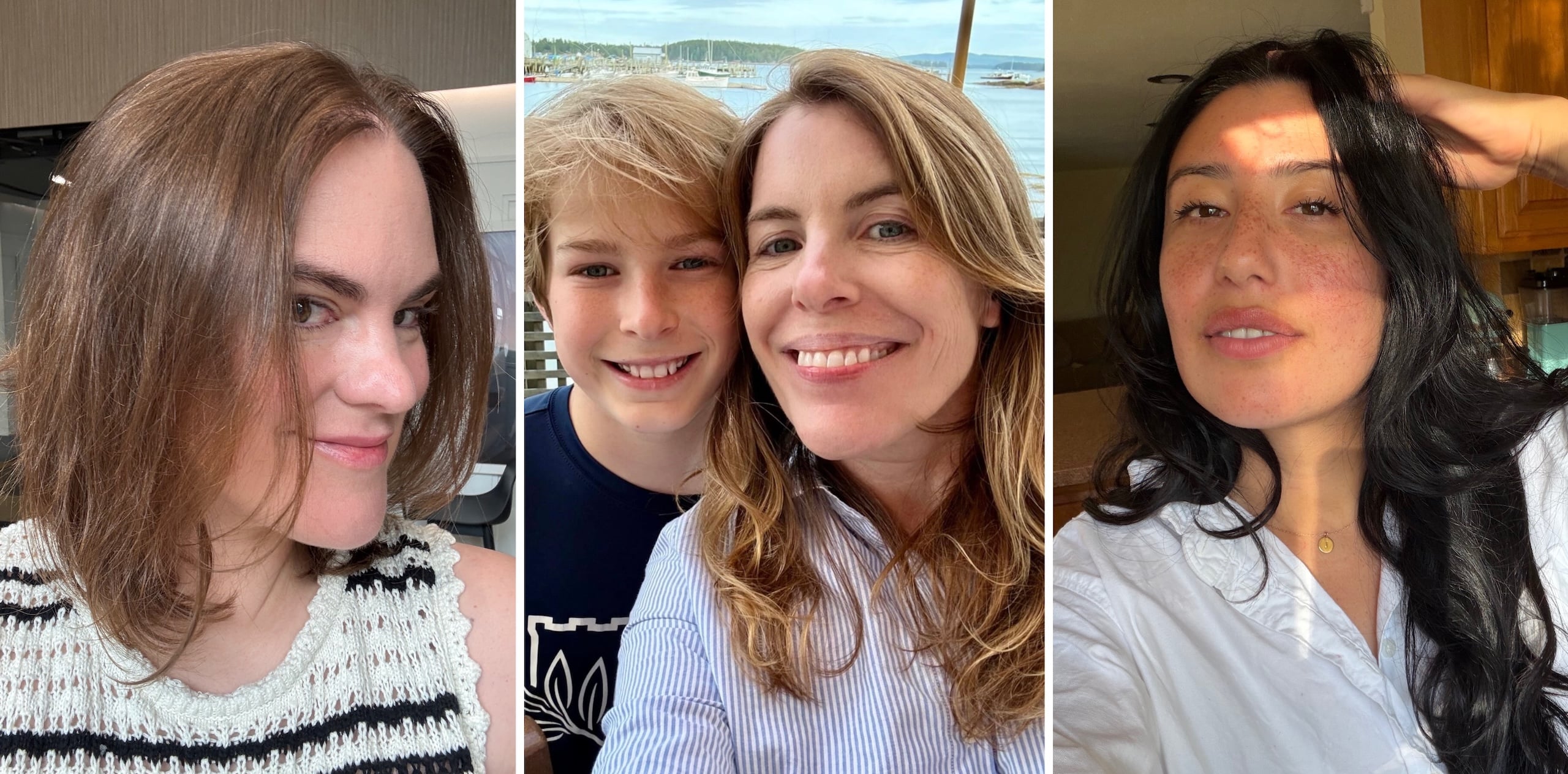
The cosmetic industry’s response to summer heat has led to the refinement of "tubing" mascara and "dewy" cheek products, as seen in the Tarte editorial picks. These products address a perennial summer grievance: the tendency of makeup to smudge or "gray out" under the strain of heat and perspiration.
The Science of Tubing Mascara
Unlike traditional mascaras, which use oils and waxes to paint pigment onto the lashes, tubing mascaras utilize a polymer-based technology. When applied, the formula wraps each individual lash in a flexible, water-resistant "tube." This distinction is critical for summer wear; because the tubes are not oil-soluble, they do not smudge or create "raccoon eyes" when the wearer sweats or has oily skin. Removal requires only warm water and gentle pressure, which slides the tubes off the lashes without the need for harsh chemical removers. This technological leap has made tubing mascara a staple for consumers who prioritize long-wear performance without the damaging removal process associated with traditional waterproof formulas.
The Rise of the "Dewy" Flush
Similarly, the shift from powder blushes to liquid or "plumping" formulas like Tarte’s Cheek Plump reflects a desire for "buildable" color. In high-temperature environments, powder can often appear cakey or settle into fine lines. Hybrid products that combine skincare benefits—such as hydration—with cosmetic pigment allow for a more natural integration with the skin’s texture. This "no-makeup makeup" look is not merely a stylistic choice but a functional one, as lighter formulations are less likely to clog pores during periods of high sebum production.
The ‘Skinification’ of Hair Care: Low-Maintenance Color Solutions
The third pillar of the modern summer routine involves hair care that functions as both a treatment and a cosmetic enhancement. The Christophe Robin Shade Variation Mask exemplifies the "skinification" of hair—a trend where hair products are formulated with the same level of active ingredients and intentionality as skincare.
During the summer, hair is subjected to significant environmental stressors, including oxidative stress from sunlight and dryness from salt water. Traditional permanent dyes can exacerbate this damage. Consequently, there has been a surge in the popularity of color-depositing masks. These products offer a "low-stakes" entry point for consumers who want to enhance their natural shade—such as adding "Chic Copper" tones—without the commitment or chemical intensity of a salon visit.
Market data from 2023 indicates that the "at-home salon" category has seen a 15% increase in revenue, as consumers seek professional-grade results with minimal "hassle and expense." The appeal of a five-minute treatment that functions as a deep conditioner while subtly shifting the hair’s hue aligns with the broader move toward "effortless" beauty.
Market Analysis: Consumer Shifts Toward Efficacy and Value
The editorial preference for these specific products is reflective of three major market drivers:
- Value-Based Purchasing: As seen with the transition from $50 moisturizers to CeraVe, consumers are increasingly calculating the "cost per wear" and "efficacy per dollar." The longevity of a large tub of moisturizer versus a small jar of luxury cream is a significant factor in brand loyalty.
- Ingredient Transparency: Modern consumers are more educated than previous generations. They look for specific "hero" ingredients and avoid irritants, a trend that has forced legacy brands to reformulate and prioritize clinical testing.
- Seasonal Versatility: Products that can withstand the rigors of summer while remaining applicable for year-round use are seeing higher retention rates. A tubing mascara that works in a humid July is equally valuable for its smudge-proof qualities in a rainy November.
Broader Impact and Implications
The endorsement of these products by influential editorial platforms like Cup of Jo has a documented "halo effect" on retail performance. In an era of "de-influencing," where consumers are wary of paid advertisements, the perceived authenticity of an editor’s personal routine carries significant weight.
Furthermore, the emphasis on "easy" and "fun" beauty products suggests a psychological shift in how consumers view self-care. Rather than a chore or a mask to hide behind, summer beauty is increasingly viewed as a tool for "lifting" one’s mood and enhancing natural features. The "gray" complexion mentioned by editorial staff is addressed not with heavy foundation, but with a "pop of color" and "wide awake" lashes, suggesting a move toward minimalist enhancement.

As the beauty industry moves toward the final quarters of the decade, the integration of skincare benefits into color cosmetics and the democratization of dermatological-grade products are expected to remain dominant themes. The "magic formula" of fun, easy, and sweat-friendly products is no longer just a seasonal preference; it is the new baseline for a consumer base that values time, health, and authentic results.
Conclusion: The Future of Seasonal Beauty Cycles
The landscape of summer beauty is no longer defined by temporary trends but by functional innovations that solve real-world problems. Whether it is the barrier-repairing properties of a drugstore moisturizer, the smudge-proof polymers of a tubing mascara, or the nourishing pigments of a hair mask, the focus remains steadfastly on the intersection of performance and ease.
As climate patterns continue to shift, leading to longer and more intense summers in many regions, the demand for "sweat-friendly" and "low-maintenance" products will likely expand beyond the traditional summer months. Brands that can deliver high-performance results without compromising the skin or hair’s health are positioned to lead the market in this new era of "sensible" beauty. The editorial favorites of today are the blueprints for the essential kits of tomorrow, proving that in the world of beauty, the most effective solutions are often the simplest ones.