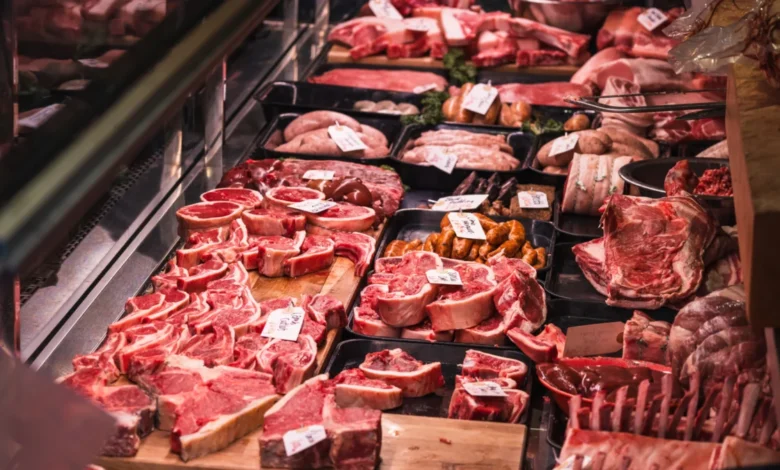
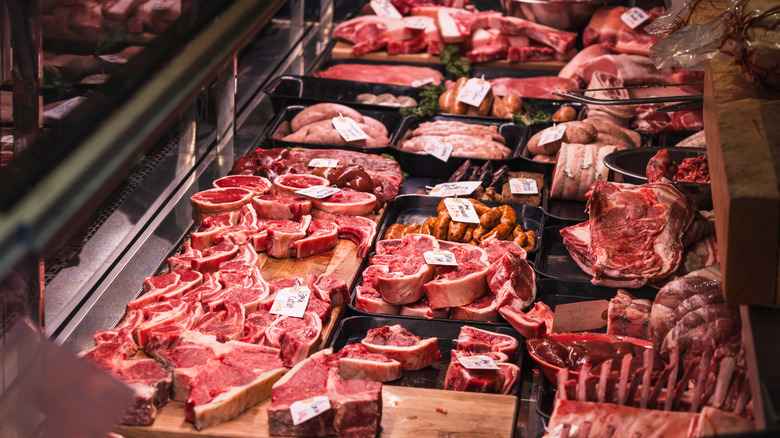
While modern supermarket chains have evolved significantly in their ability to package and present animal proteins, the neighborhood butcher shop remains the ultimate destination for culinary connoisseurs seeking exceptional quality, specialized preparation, and traditional craftsmanship. Mass-market grocery store meat departments are largely driven by logistics, shelf life, and standardized consumer demand, which restricts their inventory primarily to conventional cuts like standard ribeyes, New York strips, sirloins, and standard pork chops. In contrast, independent butcher shops operate on a model of close supplier relationships, artisanal butchery techniques, and bespoke customer service.
To explore what sets these specialty establishments apart, culinary experts and food authorities frequently emphasize the value of engaging directly with professional butchers. Chris DeLisle, a renowned culinary authority, pitmaster, and author of "Eat Your Meat, Love Your Life," highlights that the defining characteristic of a true specialty meat purchase is the accompanying dialogue. According to DeLisle, the primary advantage of patronizing a local butcher lies in gaining access to a trained professional who can demystify complex muscle anatomies, customize orders to suit specific culinary applications, and execute precise trimming techniques that are simply unavailable in a self-service retail meat case.
Drawing from extensive culinary experience, DeLisle identifies three distinct, premium specialty cuts that consumers should always procure from a butcher rather than a conventional supermarket: the ribeye cap, the hanger steak, and the well-marbled pork collar. These cuts not only showcase the superior range and expertise of a dedicated butcher shop but also elevate home cooking through exceptional flavor profiles and unique textural characteristics.
The Evolution of Meat Retail and the Resurgence of Craft Butchery
To understand the enduring relevance of the neighborhood butcher shop, it is helpful to examine the historical trajectory of meat distribution over the past century. For generations, local butcher shops served as the cornerstone of community food systems. Consumers interacted directly with tradespeople who slaughtered, aged, and cut meat on-site, fostering a deep understanding of animal husbandry and culinary utilization.
Following the post-World War II economic boom and the rise of suburbanization, the American retail landscape shifted dramatically toward centralized supermarkets. By the late 20th century, centralized meat-packing facilities had largely replaced local cutting rooms. In these industrial facilities, carcasses are broken down into primal and sub-primal cuts, vacuum-sealed, and shipped to regional distribution centers before finally reaching retail shelves. While this model dramatically increased efficiency and reduced consumer costs, it resulted in a homogenized meat market. Consumers became accustomed to a narrow selection of standardized cuts, while complex muscles with exceptional culinary potential were either discarded, ground into hamburger meat, or redirected into industrial food manufacturing.
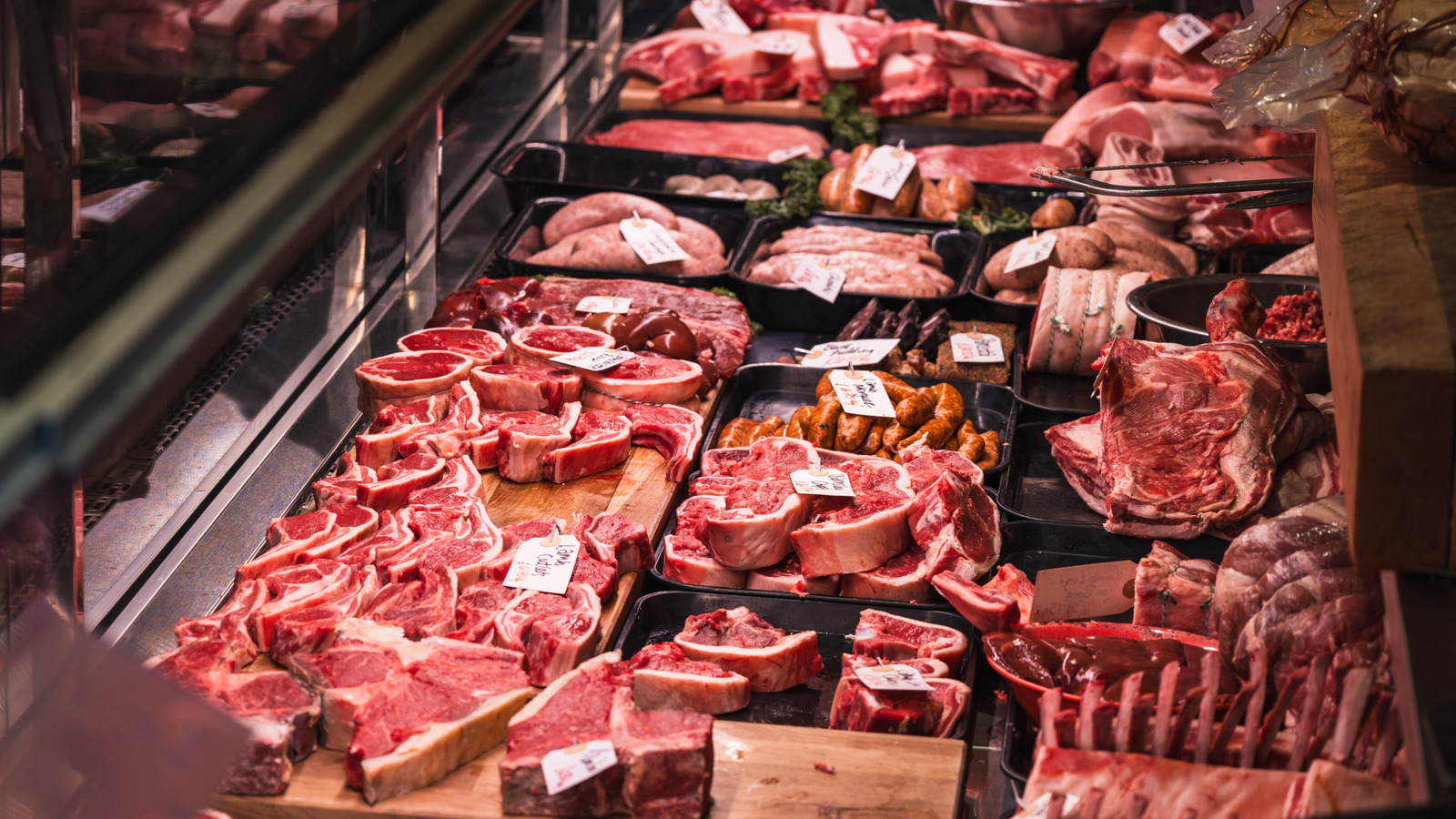
In recent decades, however, a culinary renaissance has sparked renewed interest in craft butchery, nose-to-tail dining, and sustainable sourcing. Driven by a growing consumer desire for transparency, traceability, and superior flavor, independent butcher shops have experienced a notable resurgence in urban and suburban markets alike. These modern establishments bridge the gap between historic culinary traditions and contemporary demands, often partnering with local farms that practice regenerative agriculture and humane livestock management. Consequently, purchasing meat from a butcher shop is no longer merely a transactional errand; it has become an educational and gastronomic experience.
The Ribeye Cap: The Ultimate Steak Splurge
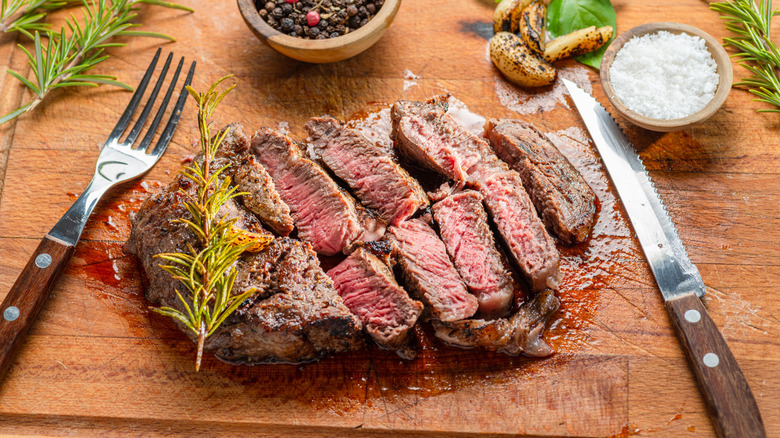
Among beef enthusiasts, the ribeye has long reigned supreme as the gold standard of tenderness and rich flavor, largely due to its intricate network of intramuscular fat, commonly referred to as marbling. Within the broader ribeye primal cut lies a hidden treasure that many casual consumers overlook: the spinalis dorsi, more commonly known as the ribeye cap.
The ribeye cap is the curved, crescent-shaped outer muscle that wraps around the top edge of a traditional ribeye steak, separated from the eye of the ribeye by a distinct ribbon of fat and a thick layer of connective tissue. In a standard commercial ribeye steak, the cap constitutes only a fraction of the total weight, yet it universally commands the attention of diners as the most flavorful, tender, and succulent portion of the cut.
When consumers request a ribeye cap from a skilled butcher, they are essentially asking the professional to separate this prized muscle entirely from the remaining ribeye log. This process requires anatomical precision, steady knife work, and an intimate understanding of the animal’s muscular structure. According to DeLisle, purchasing a standalone ribeye cap is an exceptional culinary splurge for special occasions.
When ordering a ribeye cap, DeLisle recommends specific instructions for the butcher to maximize its potential. Rather than allowing the butcher to roll and tie the delicate muscle into a traditional round roast or pinwheel steak—a common practice designed to mimic the shape of a standard steak—home cooks should request that the cap be left flat. Keeping the muscle flat exponentially increases its surface area, which is vital for achieving an optimal, deeply caramelized crust during the cooking process. Furthermore, customers should ask the butcher to meticulously remove the tough external membrane and excess seam fat while ensuring the delicate integrity of the meat remains undisturbed.
From a preparation standpoint, the ribeye cap requires a minimalist approach to honor its natural qualities. Because the muscle is exceptionally well-marbled and relatively thin compared to a standard two-inch thick ribeye, it cooks significantly faster and behaves uniquely under high heat. Culinary experts recommend thoroughly drying the surface of the meat, seasoning it generously with coarse salt, and searing it aggressively in a preheated cast-iron skillet or directly over a hot zone on a charcoal grill. Careful monitoring is essential to prevent overcooking. Once seared to a medium-rare or medium finish, the ribeye cap must be allowed to rest adequately before being sliced cleanly across the grain and finished with flaky sea salt or a dollop of high-quality cultured butter.
Hanger Steak: The Butcher’s Secret Cut
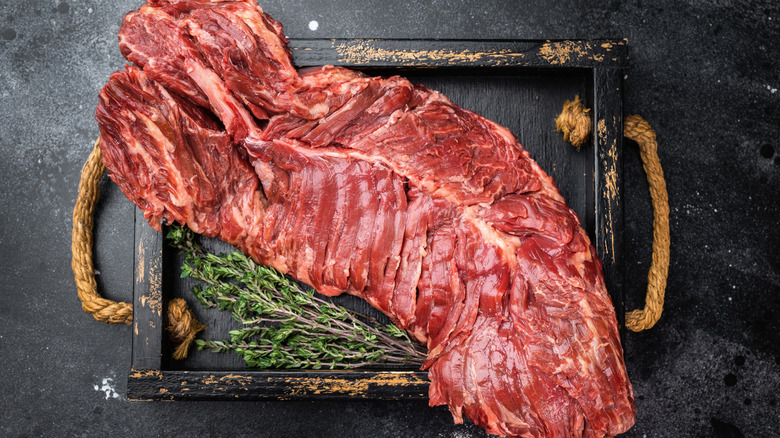
While the ribeye cap represents the pinnacle of beef luxury, the hanger steak—historically known in French culinary traditions as the onglet—embodies the resourceful, utilitarian brilliance of classic butchery. The hanger steak is a hanging muscle that supports the diaphragm of the steer, situated within the primal plate section between the rib and loin. Because there is only a single hanger steak per animal, weighing approximately one to two pounds depending on the size of the steer, commercial meat-packers historically reserved this cut for the butchers themselves, leading to its enduring moniker: "the butcher’s steak."
For generations, industrial meat processing plants bypassed the hanger steak for retail distribution because of its unusual shape, prominent central connective tissue, and limited yield per carcass. Consequently, the cut rarely appears in the self-service meat displays of conventional supermarkets. However, those who seek out an independent butcher shop are frequently rewarded with access to this deeply flavorful, highly prized cut.
DeLisle notes that while hanger steak is celebrated for its robust, assertive, and iron-rich beef flavor, its success in the domestic kitchen depends almost entirely on expert pre-preparation. The cut features a tough, fibrous central membrane running lengthwise through the middle of the muscle. Removing this membrane without compromising the tender flanking lobes requires advanced knife skills and precise anatomical knowledge—a task best left to a professional butcher.
When procuring a hanger steak, DeLisle advises asking the butcher to completely remove the center membrane and trim any extraneous silver skin. Additionally, he recommends asking the butcher to identify the grain of the meat across the individual lobes. Because the hanger steak is composed of two distinct muscle sections joined at an angle, the grain does not run uniformly throughout the cut. Understanding this structural nuance is critical for the home cook when it comes time to carve the cooked steak.
When cooking hanger steak, simplicity and high heat remain the cardinal rules. The meat should be patted completely dry and seared over intensely high heat, working in batches if necessary to avoid overcrowding the pan or grill surface. To complement the steak’s robust, earthy flavor profile, DeLisle suggests pairing it with a classic shallot pan sauce or a rich brown butter emulsified with a splash of quality vinegar, such as red wine or sherry vinegar. Crucially, the final step in preparing hanger steak occurs at the cutting board: the meat must be meticulously sliced against the grain. As DeLisle emphasizes, both the butcher’s knife and the home cook’s carving knife play equally vital roles in the ultimate success of the dish.
Pork Collar: The Versatile Connoisseur’s Choice
While beef cuts frequently dominate discussions of premium butcher shop offerings, the pork category features equally extraordinary specialty options that remain largely absent from standard retail supermarket shelves. Among these, the pork collar—derived from the neck and upper shoulder region of the animal—stands out as one of the most versatile, flavorful, and succulent cuts available to the modern home cook.
Pork nomenclature in retail environments is notoriously confusing and inconsistent. Cuts derived from the upper shoulder region are frequently marketed under various regional aliases, most notably "pork butt" or "boston butt," despite having no anatomical connection to the rear of the animal. Furthermore, industrial pork production has historically prioritized lean, rapid-growth genetics, which has often resulted in commercially available pork chops and roasts that are dry, flavorless, and devoid of the rich intramuscular fat necessary for culinary excellence.
The pork collar, however, remains a glorious exception. Heavily marbled and supported by hard-working muscle fibers in the neck and shoulder, this cut offers a concentration of flavor and moisture that surpasses standard loin cuts. Because the definition and nomenclature of pork shoulder sub-primal cuts can vary significantly between butcher shops and slaughterhouses, DeLisle underscores the immense value of engaging in a direct dialogue with a knowledgeable butcher.
When seeking out pork collar, consumers should consult a butcher who can provide clear provenance, explain the exact origins of the cut, and discuss the specific breed of the animal. Inquiring whether the pork is fresh and uncured, or whether it stems from heritage breeds known for superior fat-rendering capabilities—such as Berkshire, Duroc, or Mangalitsa—ensures an exceptional dining experience. Furthermore, customers should ask the butcher to inspect the marbling closely and trim the piece appropriately depending on the intended cooking method, whether it be a whole-muscle roast, thick-cut chops, or portions designated for grinding or charcuterie.
DeLisle advocates for slow-cooking techniques when preparing pork collar to allow its extensive intramuscular fat to render completely, infusing the meat with moisture and rich flavor. A classic preparation involves seasoning the collar generously with coarse salt, freshly cracked black pepper, and crushed fennel seeds, followed by a gentle braise with garlic and a modest volume of rich stock until a metal skewer slides effortlessly through the center. Once fully tenderized, the pork can be flash-seared or broiled to develop a deeply caramelized outer crust, then served alongside a reduction of its own cooking liquid paired with a sharp, artisanal whole-grain mustard.
Crucially, DeLisle advises home cooks to evaluate pork collar based on tactile tenderness during the cooking process rather than relying strictly on established cooking times, as natural variations in animal age and fat content can influence cooking duration. For those willing to invest the necessary time and seek out expert guidance, the pork collar serves as the ultimate dinner-party centerpiece, guaranteed to leave guests talking long after the meal concludes.
Economic and Culinary Implications of Sourcing from Specialty Butcher Shops
The decision to patronize a specialty butcher shop rather than a conventional supermarket carries broader economic and culinary implications that extend well beyond the individual dinner plate. From a macroeconomic perspective, supporting independent butcher shops reinforces localized, sustainable food economies. Independent butchers frequently source their inventory from regional farms and independent ranchers who adhere to humane animal husbandry practices, sustainable land stewardship, and regenerative agricultural models. By bypassing massive, consolidated industrial meat-packing conglomerates, consumers vote with their purchasing power, encouraging a more diverse, resilient, and transparent food supply chain.
From a culinary perspective, embracing specialty cuts like the ribeye cap, hanger steak, and pork collar encourages nose-to-tail consumption and culinary literacy. In an era where food waste remains a critical global challenge, utilizing less conventional muscles ensures that entire animals are respected and consumed, rather than relying exclusively on high-demand primals like tenderloins and strip loins. Furthermore, the educational exchange that occurs across the butcher’s counter empowers home cooks to elevate their technical skills, experiment with diverse cooking methodologies, and develop a deeper, more intuitive appreciation for the ingredients they prepare.
Ultimately, while the convenience and standardized pricing of modern supermarkets will always secure their place in modern retail, the neighborhood butcher shop offers an irreplaceable sanctuary for those who view cooking not merely as a daily chore, but as an art form. By fostering relationships with skilled trade professionals and venturing beyond the familiar confines of the retail meat case, home cooks can unlock a world of exceptional flavors, superior textures, and unforgettable culinary experiences.