The selection of high-performance summer tires often feels like a balancing act between fiscal responsibility and the pursuit of ultimate vehicle dynamics. For automotive enthusiasts and daily commuters alike, the question of whether premium pricing translates to tangible performance gains is a recurring point of contention. Recent evaluations by Consumer Reports and internal testing data from industry stalwarts like Tire Rack suggest that the gap between budget-friendly options and top-tier rubber is narrower than marketing campaigns might lead consumers to believe.
Understanding the metrics behind tire performance requires navigating the regulatory landscape of the National Highway Transportation Agency (NHTSA) and its Uniform Tire Quality Grading (UTQG) system. While UTQG provides a baseline for wear, traction, and temperature resistance, it is important to note that these scores are largely self-reported by manufacturers rather than audited through independent, government-run testing. The traction scale—ranging from AA to C—measures a tire’s ability to stop on wet surfaces under controlled conditions. Despite the variability inherent in self-reporting, the overwhelming majority of tires in recent testing cycles have achieved an AA or A rating, signaling that even entry-level performance tires are engineered to meet stringent safety benchmarks.
Chronology of Competitive Performance
The modern market for "Max Performance Summer" tires has evolved rapidly over the last decade. Historically, the performance gap between a $150 tire and a $250 tire was significant in terms of compound longevity and wet-weather predictability. However, advances in synthetic rubber chemistry and tread pattern design—often facilitated by computational fluid dynamics—have allowed lower-cost manufacturers to achieve parity with established industry leaders.
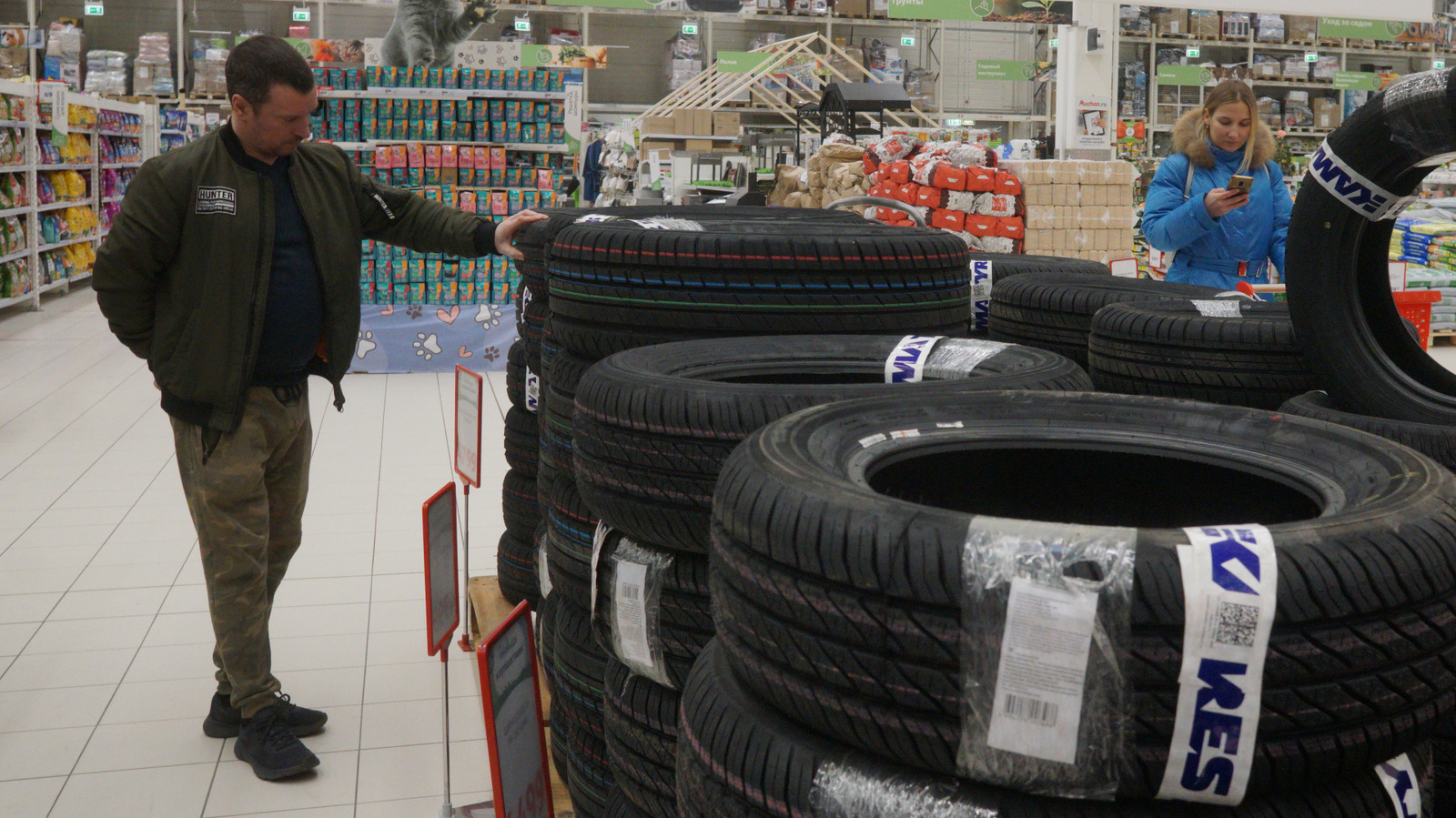
In the most recent comprehensive assessment, Consumer Reports analyzed 14 ultra-high-performance summer tires. The results were striking: 13 of the 14 tires, spanning a price range from $147 to nearly $242 per tire, received either the top or second-best rating for dry braking, wet braking, and handling. Only the $181 Nitto NT555 G2 fell into the average category for wet braking and handling, suggesting that for the vast majority of driving scenarios, the performance delta between budget and premium tires is statistically marginal.
Nuanced Analysis: Consumer Reports vs. Tire Rack
While Consumer Reports focuses heavily on objective braking and handling benchmarks, industry retailers like Tire Rack provide a more granular, subjective analysis that includes consumer survey data and "ride comfort" metrics. This creates a secondary layer of evaluation that is vital for the average consumer.
For instance, in a direct comparison of the Michelin Pilot Sport 4S (priced at approximately $242) and the Continental ExtremeContact Sport 02 (priced at roughly $200), the two entities offer slightly diverging perspectives. While Consumer Reports often ranks the Michelin as a leader in its category, Tire Rack’s in-house testing gives a slight edge to the Continental in wet traction, scoring it at 8.9 compared to the Michelin’s 8.8. Conversely, the Michelin maintains a marginal lead in dry traction.
The most compelling data point for the cost-conscious consumer is the emergence of "value-performance" leaders such as the Vredestein Ultrac Pro. Priced significantly lower than the market leaders at $149, the Vredestein has demonstrated competitive results in both wet and dry traction tests. When factoring in comfort, the Vredestein performs admirably, often matching or exceeding the subjective comfort ratings of tires costing 60% more. This suggests that the "performance tax" paid for premium brand names is increasingly reflective of brand equity and long-term owner satisfaction rather than raw, measurable grip.
The Role of Subjective Comfort and Noise
Beyond sheer stopping distance and lateral g-force, tire noise and ride quality are critical factors for consumers who prioritize daily usability. The industry often equates "performance" with "firmness," but modern engineering has sought to decouple these attributes.
Tire noise is a primary differentiator. When comparing the $161.20 Kumho Ecsta Sport S PS72 to higher-priced rivals, the Kumho often ranks as one of the quietest tires in its class. For a consumer who spends 90% of their driving time on highways rather than racetracks, the noise profile may be a more significant factor than a marginal improvement in wet braking distance. Consumer Reports’ data indicates that while premium tires do provide a more consistent performance envelope, the "best" tire is often the one that best matches the specific use case—be it commuting, spirited weekend driving, or grand touring.
Market Implications and Economic Rationalization
The economic implications for the automotive aftermarket are clear: consumers are no longer required to compromise safety to achieve significant savings. The $400 difference in total cost for a full set of tires between budget-tier and premium-tier options provides a compelling case for the former, particularly for drivers who do not frequent track days.
However, brand loyalty remains a significant driver of sales. The Michelin Pilot Sport line, for example, consistently tops Consumer Reports’ owner satisfaction rankings, bolstered by 5 million reader reports. This loyalty is often predicated on the perceived reliability and the "peace of mind" associated with premium manufacturing processes. Manufacturers argue that the higher price point accounts for superior quality control, more consistent manufacturing tolerances, and more extensive research and development cycles.
Fact-Based Analysis of Performance Limitations
Despite the impressive performance of lower-cost tires, there remains a distinction at the absolute limit of traction. Professional test drivers note that while budget tires can match premium tires in stop-watch tests, the "predictability" of a tire—how it behaves once it exceeds its traction limit—is where premium brands often justify their cost. A tire that loses grip progressively is safer and easier to manage than one that snaps into a slide without warning. This is a subtle but critical metric that often evades standard consumer testing but is readily apparent in high-performance driving environments.
For the vast majority of the public, the choice between a $150 tire and a $250 tire is no longer a matter of safety, but a matter of preference regarding noise, tread wear longevity, and the intangible confidence inspired by the brand’s history. As the summer season approaches, consumers are advised to look beyond the top-tier marketing and evaluate their actual driving requirements.
Conclusion
The data indicates that the "performance gap" has narrowed to a point of near-irrelevance for the average daily driver. While the top-tier Michelin and Continental tires maintain a slight edge in absolute dry-weather handling and subjective ride comfort, the Vredestein and other mid-tier options offer a performance-to-price ratio that is difficult to ignore.
As the market continues to shift, the recommendation for consumers remains the same: prioritize the tire that meets the necessary safety standards, such as those verified by NHTSA and independent testing, and then select based on the specific needs of the vehicle’s intended use. Whether one opts for the premium, high-cost option or the budget-conscious alternative, the engineering standards of today’s summer performance tire market ensure that both choices are, by and large, high-performing and safe. As autumn approaches, however, drivers should remain vigilant about the transition from summer performance tires to dedicated winter or all-season equipment, as the grip advantages discussed here are highly contingent upon ambient temperature and road conditions.
Related posts: