The Rise of the Sleepcation: How Burnout is Redefining Global Travel Trends and Wellness Priorities

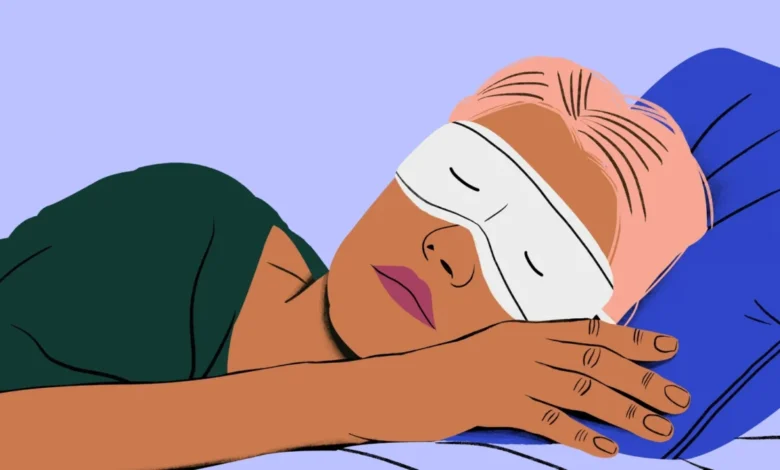
The landscape of global tourism is undergoing a fundamental shift as a growing demographic of travelers abandons traditional sightseeing and high-intensity itineraries in favor of "sleepcations"—vacations designed exclusively for the purpose of rest and recuperation. This emerging trend, characterized by booking accommodations specifically to catch up on sleep, serves as a stark indicator of the rising levels of professional and personal burnout in the modern era. While vacations have historically been associated with exploration, cultural immersion, or adventure, the pivot toward restorative slumber suggests that for many, the ultimate luxury is no longer a destination, but a state of unconsciousness.
The Anatomy of the Sleepcation Trend
A sleepcation, as defined by industry experts and therapeutic professionals, is a holiday period with no secondary agenda beyond sleeping and resting. Tracy Hannigan, a prominent insomnia therapist known as "Tracy The Sleep Coach," describes the phenomenon as a deliberate effort to reduce the burden of external responsibility. While these periods of rest can be conducted within the home—often referred to as a "staycation"—an increasing number of individuals are opting to travel to third-party locations. By removing themselves from their domestic environments, travelers can bypass the psychological weight of household chores, family obligations, and the "mental load" of daily maintenance, allowing for a singular focus on physical and mental recovery.
The primary drivers of this trend are emotional, mental, and physical burnout. In a post-pandemic world characterized by "always-on" digital connectivity and fluctuating economic pressures, the boundary between professional and personal life has blurred. For many, the home has become a site of labor rather than a sanctuary, necessitating an "escape" to a neutral environment where the only expectation is rest.
Historical Context and the Evolution of Wellness Tourism
To understand the rise of the sleepcation, one must look at the broader chronology of the wellness tourism industry. In the early 2000s, wellness travel was largely synonymous with luxury spa retreats and fitness boot camps. By the mid-2010s, the focus shifted toward "mindfulness" and digital detoxes, as travelers sought to disconnect from their devices. However, the period between 2020 and 2024 marked a significant turning point.
As the global population grappled with the stressors of a pandemic, followed by a rapid return to high-pressure work environments, the "Great Exhaustion" set in. Data from the Global Wellness Institute (GWI) indicates that wellness tourism is now one of the fastest-growing sectors of the travel industry, projected to reach a market value of $1.1 trillion by 2025. Within this sector, "sleep tourism" has emerged as a specialized niche. Major hospitality brands have begun to recognize that the traditional hotel room—once just a place to store luggage between excursions—is now the main attraction.
Supporting Data: The Global Sleep Crisis
The demand for sleepcations is supported by alarming statistics regarding global sleep deprivation. According to the Centers for Disease Control and Prevention (CDC), roughly one-third of adults in the United States report getting less than the recommended seven to nine hours of sleep per night. Similar trends are observed in Europe and Asia, where high-density urban living and long working hours have contributed to a chronic "sleep debt."
Research has consistently linked sleep deprivation to a host of long-term health issues, including cardiovascular disease, obesity, weakened immune function, and cognitive decline. Furthermore, the psychological impact of sleep debt includes increased irritability, anxiety, and a diminished capacity for stress management. For the modern worker, the sleepcation is not merely a trend but a desperate physiological intervention.
The Hospitality Industry’s Strategic Response
The hotel and resort sector has responded to this shift with significant capital investment in sleep-centric infrastructure. In the past 24 months, several luxury hotel chains have launched dedicated sleep programs. These initiatives often include:

- AI-Integrated Bedding: Mattresses that use artificial intelligence to regulate body temperature and adjust firmness in real-time to prevent waking.
- Circadian Lighting: Lighting systems designed to mimic the natural progression of sunlight, aiding the body’s production of melatonin.
- Acoustic Engineering: The installation of sound-dampening technology and white-noise machines to ensure total silence in urban environments.
- Specialized Consultations: Some high-end resorts now offer on-site consultations with sleep neurologists or therapists to help guests optimize their rest during their stay.
By rebranding "idleness" as "wellness," the hospitality industry has successfully commodified rest, transforming the humble act of sleeping into a premium service.
Expert Analysis: Benefits and Potential Risks
While the benefits of a sleepcation are evident for those suffering from temporary burnout, health professionals offer a more nuanced perspective on its efficacy for chronic conditions. Tracy Hannigan notes that for "good sleepers" who are simply overworked, a long weekend of guilt-free slumber can be highly effective in reducing the immediate burden of exhaustion. In the short term, catching up on sleep debt can improve mood and cognitive function.
However, for individuals suffering from clinical insomnia, the sleepcation may be counterproductive. Hannigan warns that "leaning into" the idea that one can only sleep well away from home can reinforce the psychological triggers that cause poor sleep at home. This "escape" mechanism may prevent individuals from addressing the environmental or lifestyle factors contributing to their insomnia. Furthermore, the "first-night effect"—a phenomenon where the brain remains in a state of semi-alertness when sleeping in an unfamiliar environment—can sometimes negate the benefits of a sleepcation for sensitive sleepers.
Planning a Restorative Sleepcation: A Practical Guide
For those intending to plan a sleepcation, experts suggest a focus on environment and the removal of choice. Successful sleepcations prioritize the quality of the "living space" over the "destination."
- Accommodation Choice: Professionals often recommend apartment rentals or flats over traditional hotels to minimize interactions with staff and other guests. A kitchen allows for in-room dining, further reducing the need to adhere to external schedules.
- Environmental Control: Bringing personal items such as a specific pillow, familiar pajamas, and essential oils can help mitigate the "first-night effect" by providing sensory cues of safety and comfort.
- Digital Boundaries: The use of "Do Not Disturb" (DND) functions on all devices is considered mandatory. Many successful sleepcationers schedule their paid time off (PTO) well in advance to ensure that professional obligations do not intrude upon the restorative period.
- Minimalism: The itinerary should be intentionally blank. The goal is to remove the "decision fatigue" that plagues modern life.
Broader Implications and Societal Impact
The rise of the sleepcation raises significant questions about the sustainability of current work-life structures. If the primary goal of a vacation is no longer to see the world but simply to recover the energy required to function within it, the trend may be a symptom of a deeper societal malaise.
Some analysts suggest that the sleepcation represents a shift in how we value time. In an era where productivity is often equated with worth, the act of paying for a space specifically to do "nothing" is a form of quiet rebellion. However, there is also a risk that sleepcations will become another "band-aid" solution for corporate burnout, allowing employers to maintain high-pressure environments under the assumption that employees can simply "reset" during their time off.
From an economic perspective, the trend is likely to influence urban planning and architecture. We may see an increase in "quiet zones" within cities and a greater emphasis on acoustic privacy in residential and commercial developments.
Conclusion
The sleepcation is a complex phenomenon that sits at the intersection of public health, travel, and sociology. While it offers a much-needed reprieve for a global workforce pushed to the brink of exhaustion, it also serves as a poignant reminder of the scarcity of rest in the 21st century. As the wellness industry continues to evolve, the focus on sleep is likely to intensify, moving from a niche travel trend to a central pillar of personal health management. For the modern traveler, the most meaningful journey is no longer across borders, but into the quiet depths of a restorative night’s sleep.