The Evolution of Experiential Tourism in Tokyo A Comprehensive Guide to Localized Urban Exploration

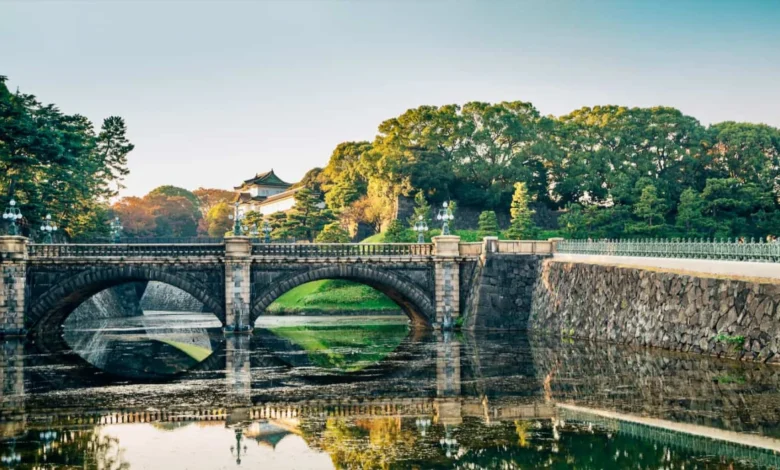
Tokyo, a metropolis often characterized by its seamless integration of futuristic technology and deeply rooted traditions, continues to redefine the global travel experience through a shift toward hyper-local, experiential tourism. As Japan’s capital welcomes record-breaking numbers of international visitors—surpassing 3 million monthly arrivals in early 2024 according to the Japan National Tourism Organization (JNTO)—the demand for authentic, resident-led engagement has eclipsed traditional sightseeing models. This evolution is most evident in the rise of specialized tours that bypass mainstream landmarks in favor of hidden culinary enclaves, historical "Shitamachi" neighborhoods, and niche subcultures that define the city’s contemporary identity.
The Shift Toward Hyper-Local Tourism in the Japanese Capital
The landscape of Japanese tourism has undergone a significant transformation in the post-pandemic era. While iconic sites like the Tokyo Skytree and the Shibuya Crossing remain staples, a growing demographic of "repeat travelers" is seeking what industry analysts call "deep travel." This involves moving beyond the superficiality of photography-focused tourism to engage in skill-based and culturally immersive activities. Platform-based experiences, such as those offered by local artisans and long-term residents, have become a primary vehicle for this exploration.
Experts note that these localized tours provide a dual benefit: they offer visitors a nuanced understanding of Japanese etiquette and social structures while providing a sustainable revenue stream for local experts. Unlike large-scale bus tours, these small-group interactions allow for a granular look at the city’s complex urban fabric, which remains largely inaccessible to those who do not speak the language or understand the intricate social cues of the megalopolis.
Culinary Artistry: The Technicality of Sushi and Ramen
Tokyo’s culinary reputation is anchored by its status as the city with the highest density of Michelin-starred restaurants in the world. However, the true depth of its food culture lies in the technical mastery found in its everyday staples: sushi and ramen.
The traditional "Edomae" sushi style, which originated in Tokyo (then called Edo) during the early 19th century, is now being demystified through professional-led workshops. These sessions often take place within active omakase establishments, where the focus extends beyond the aesthetic of the final product. Participants are educated on the chemistry of vinegar-seasoned rice (shari), the aging processes of different fish species, and the precise knife techniques required to enhance texture. This educational approach aligns with the global "slow food" movement, emphasizing the provenance of ingredients and the labor-intensive nature of Japanese craftsmanship.
Similarly, the evolution of ramen from a quick laborer’s meal to a complex culinary science is a focal point for urban exploration. Modern ramen tours now categorize the dish into distinct regional and broth-based profiles, such as Tonkotsu (pork bone), Shoyu (soy sauce), and the increasingly popular Tantanmen (spicy sesame). By visiting multiple specialized shops in a single session, travelers gain a comparative understanding of how noodle alkalinity and broth emulsification define the character of a bowl, reflecting the city’s broader obsession with perfectionism.
Navigating the Social Fabric: Izakaya Culture and Spirits
The izakaya, often described as a Japanese gastropub, serves as the primary social valve for Tokyo’s workforce. For the uninitiated, these establishments can be intimidating due to their unwritten rules and often hidden locations in "yokocho" (narrow alleyways). Professional nightlife tours in districts like Shibuya and Shinjuku have become essential for bridge-building between tourists and locals.
In Shibuya, the focus is frequently on the democratization of the drinking experience, utilizing "all-you-can-eat" and "all-you-can-drink" (nomihodai) models that encourage social fluidity. In contrast, Shinjuku’s nightlife—specifically in areas like Golden Gai or Omoide Yokocho—offers a more historical perspective. Here, tiny bars with only six to eight seats provide a window into the Post-War era’s urban development.
The educational component of these tours has expanded to include rigorous tastings of sake (nihonshu) and Japanese whiskey. Sake education now involves detailed explanations of the "Seimaibuai" (rice polishing ratio) and the role of koji mold in fermentation. This surge in interest mirrors the global rise of Japanese spirits, which have seen a significant increase in export value over the last decade, leading to a shortage of aged stocks and a heightened appreciation for the craft among international connoisseurs.
Historical Preservation and the Shitamachi Legacy
While districts like Minato and Chuo represent the modern financial face of Tokyo, the northern and eastern fringes of the city—collectively known as Shitamachi—preserve the atmosphere of old Edo. Historical walking tours in neighborhoods like Yanaka and Nezu offer a stark contrast to the neon-lit skyscrapers of the west side.
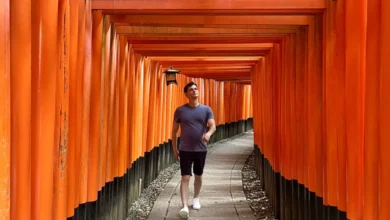
Yanaka is one of the few areas that largely escaped the firebombing of World War II and the Great Kanto Earthquake of 1923. Consequently, it retains a "human-scale" architecture characterized by low-rise wooden buildings and traditional temple complexes. A key landmark in this historical narrative is the Nezu Shrine, one of Japan’s oldest, featuring a gallery of vermillion torii gates that rivals the more famous Fushimi Inari in Kyoto. Educational tours in these areas focus on the transition from the Edo period to the Meiji Restoration, explaining how the displacement of the samurai class and the rapid modernization of the late 19th century shaped the city’s current zoning and social hierarchy.
The Intersection of Ritual and Modernity: Tea and Coffee
Tokyo’s beverage culture is a study in contrasts, where the ancient tea ceremony (chanoyu) exists alongside a cutting-edge "Third Wave" coffee movement. The organic matcha tea ceremony has seen a resurgence as a meditative escape from urban stress. These experiences typically focus on the "Way of Tea," emphasizing the four pillars: harmony, respect, purity, and tranquility. Participants are taught to distinguish between ceremonial-grade matcha and culinary-grade varieties, understanding the shade-growing process that produces the tea’s characteristic umami flavor.
Simultaneously, the neighborhoods of Jimbocho and Kanda have emerged as the epicenter of Tokyo’s coffee culture. Jimbocho, traditionally known as the world’s largest second-hand book district, is home to numerous kissaten—vintage Japanese coffee shops that predate the global espresso boom. These shops are celebrated for their meticulous pour-over techniques and dark-roast profiles. The modern iteration of this culture involves specialty roasteries that experiment with fermentation and bean origins, often pairing coffee with traditional Japanese sweets (wagashi) to create a fusion of old and new flavor profiles.
Subterranean Expressions: The Underground Street Art Scene
In a city known for its cleanliness and strict adherence to public order, street art occupies a unique and often precarious position. Unlike the sanctioned murals of Berlin or Melbourne, Tokyo’s street art scene is largely underground and ephemeral. Districts like Harajuku and Shibuya serve as the canvas for this subculture, where graffiti and stencil art are often hidden in plain sight within the "ura-Hara" (backstreets of Harajuku).
The legal landscape in Japan, specifically the Public Cleaning Law and the Penal Code regarding property damage, makes large-scale muralism rare. However, this restriction has birthed a distinct aesthetic of "hidden" art. Guided tours of these areas provide context on the artists who operate within these constraints and the evolving relationship between the Tokyo Metropolitan Government and urban creators. These tours often highlight the tension between the city’s desire for a "clean" image ahead of major international events and the organic growth of its creative communities.
Economic Implications and Broader Impact
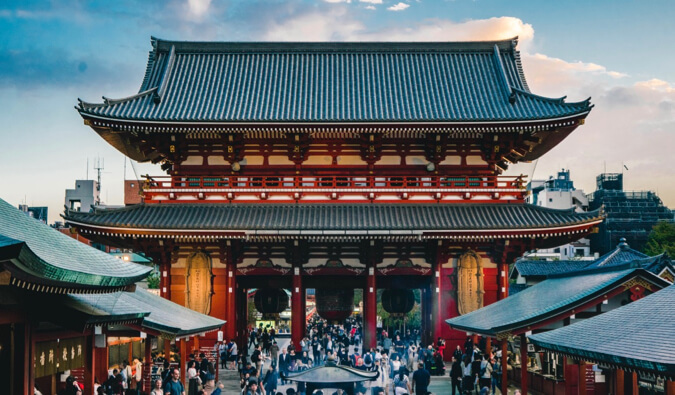
The growth of the experiential economy in Tokyo has significant implications for Japan’s broader tourism strategy. By decentralizing tourism away from overcrowded landmarks like the Senso-ji Temple, these localized experiences help mitigate the effects of "overtourism." This distribution of visitors into residential neighborhoods provides economic support to small businesses and artisans who might otherwise be bypassed by the global tourism market.
Furthermore, these experiences act as a form of "soft power," fostering deep cultural appreciation and long-term interest in Japan. Data suggests that travelers who engage in local-led experiences are more likely to return to the country and explore secondary cities, supporting the government’s goal of revitalizing rural economies through tourism.
Logistical Infrastructure and Travel Planning
For international visitors, navigating Tokyo’s vastness requires a robust logistical framework. The city’s transportation network, anchored by the JR East and Tokyo Metro systems, remains one of the most efficient in the world. The Japan Rail Pass continues to be a vital tool for those traveling beyond the capital, though recent price adjustments have shifted the value proposition toward more localized passes.
In terms of accommodation, the market has diversified to include high-end hostels and "lifestyle hotels" that cater to the experiential traveler. Areas like Taito-ku and Sumida-ku have seen an influx of these establishments, offering a more localized stay compared to the corporate hotels of Shinjuku or Marunouchi.
As Tokyo continues to evolve, the emphasis on authenticity and resident-led narratives ensures that the city remains a dynamic destination. Whether through the lens of a sushi master, a history lecturer, or a street artist, the "new" Tokyo experience is defined not by the sights one sees, but by the depth of the understanding one acquires. This shift toward the experiential marks a new chapter in global travel, where the true value of a journey is measured by the quality of the connection between the traveler and the local community.
Related posts: