Bill Maher Kicks Off "Real Time" Monologue With Satirical Take on Blake Lively-Justin Baldoni Settlement and Epstein Suicide Note

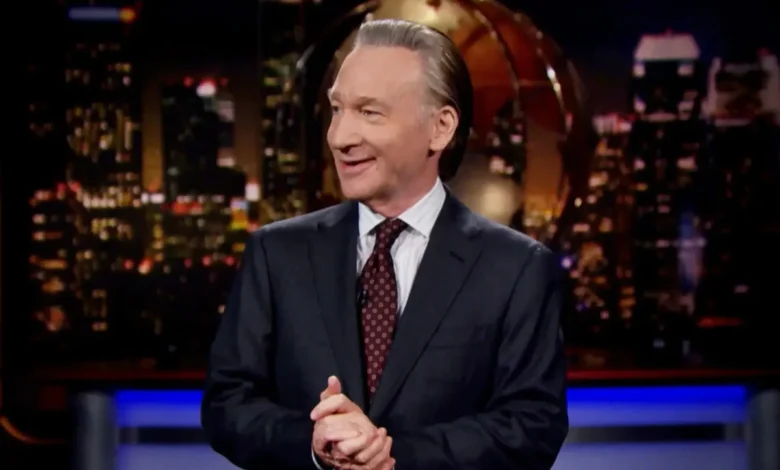
Los Angeles, CA – Bill Maher, the host of HBO’s "Real Time with Bill Maher," opened his latest episode on Friday night with a monologue that humorously juxtaposed the resolution of a high-profile celebrity legal dispute with the ongoing intrigue surrounding the death of Jeffrey Epstein. The broadcast, which followed the New York Knicks’ decisive victory over the Philadelphia 76ers in the NBA Playoffs, saw Maher pivot from sports commentary to dissecting the settlement reached between actors Blake Lively and Justin Baldoni, and addressing the public release of a purported suicide note attributed to Epstein.
Celebrity Legal Battles Take Center Stage
The initial focus of Maher’s monologue was the much-anticipated settlement in the legal battle between Blake Lively and Justin Baldoni. The dispute stemmed from the production of the romantic drama "It Ends with Us," a film that had garnered significant attention prior to its release. Lively had brought forth accusations of sexual harassment against Baldoni, while Baldoni, in turn, filed a countersuit alleging defamation.
This legal entanglement had been a subject of public discussion and media coverage for an extended period, with speculation rife about the potential outcomes and the impact on the careers of both actors. The lawsuit’s trajectory had been closely watched, particularly as it neared a potential trial date.
The Settlement Details:
The resolution of this protracted legal saga, which had been ongoing for approximately a year, was announced just days before the case was slated to go to trial. The settlement, as reported, involved no monetary exchange between the parties. However, a crucial aspect of the agreement allows Blake Lively to pursue reimbursement for her substantial legal fees incurred throughout the litigation. This provision suggests that while a financial payout was avoided, the resolution still carries financial implications for Baldoni, depending on the outcome of any subsequent fee dispute.
Maher’s Comedic Interpretation:
Maher, known for his sharp wit and often provocative commentary, framed the settlement as a significant event, drawing a parallel to major geopolitical peace accords. "I know why you’re happy," Maher quipped to his audience, humorously declaring, "Great news. Peace at last. We have an agreement. A deal. A peace deal – not the Iran War, Blake Lively and Justin Baldoni. That’s who I’m talking about."
He further elaborated on the extended nature of the dispute, remarking, "Oh, man. We’ve been reading about this for like a year it went on. All this arguing and suing, and it turns out: no settlement money at all." Maher’s commentary also touched upon the perceived critical reception of the film itself, injecting a dose of sarcasm by stating, "And all over a movie called ‘It Ends with Us’ that everyone hated? Did you see that movie? It was harder to get through than the Strait of Hormuz." This hyperbolic comparison aimed to underscore the perceived anticlimactic nature of the resolution in relation to the prolonged legal conflict.
The Shadow of Jeffrey Epstein’s Death
Transitioning from the celebrity legal arena, Maher then addressed the recent public disclosure of a purported suicide note attributed to Jeffrey Epstein. The note, unverified but released by a federal judge this week, reportedly dates back to July 2019, a period shortly before Epstein’s death in a federal correctional facility.
Background on the Epstein Case:
Jeffrey Epstein, a financier with extensive ties to prominent figures in politics, business, and entertainment, was arrested on federal sex-trafficking charges in July 2019. His death in custody at the Metropolitan Correctional Center in Manhattan was officially ruled a suicide. However, the circumstances surrounding his death have been the subject of intense scrutiny and numerous conspiracy theories, fueled by his network of influential associates and ongoing investigations into his alleged sex-trafficking ring.
The Content of the Purported Note:
The unverified note, purportedly written by Epstein, reportedly concludes with the peculiar phrase, "Whatcha want me to do – Bust out cryin!!" This line, interpreted by many as a reference to the classic film "The Little Rascals," added another layer of bizarre detail to the already complex narrative surrounding Epstein’s demise.
Maher’s Speculative Connection:
Maher seized upon the release of the note to draw a pointed, albeit indirect, comparison to a prominent political figure. He stated, "Speaking of killing, apparently they found Jeffrey Epstein’s suicide note. Apparently, it was from the guy – his cellmate – who Epstein says tried to kill him, but he’s the guy who found the note."
The comedian then highlighted specific phrasing within the note: "And it says, ‘They investigated me’ – and then in all caps, it says, ‘FOUND NOTHING!!!’ Who does that sound like? I can’t quite place it…" This rhetorical question, delivered with a characteristic smirk, was widely understood as a veiled accusation, implying that the tone and content of the note bore a striking resemblance to the public pronouncements of former President Donald Trump, a known associate of Epstein’s.
Implication of the "Found Nothing" Claim:
The phrase "FOUND NOTHING!!!" is particularly resonant in the context of Trump’s frequent public statements and legal defenses, where he has often asserted his innocence or claimed to be the victim of unfair investigations. Maher’s juxtaposition of this phrase with Epstein’s purported note suggests a satirical commentary on the perceived similarities in their communication styles and their responses to investigations.
Concluding Satire:
Maher concluded his segment on the Epstein note with a final, dry remark: "No, I’m not suspicious, but the note does end with, ‘Thank you for your attention to this matter!’" This closing statement, delivered with deadpan sincerity, further underscored his satirical intent, implying that the carefully worded, yet strangely phrased, conclusion of the note felt disingenuous or even performative, much like what he perceives as the public rhetoric of certain political figures.
Broader Context and Implications
The choice by Maher to link these two seemingly disparate events—a celebrity lawsuit settlement and the release of a suicide note from a figure at the center of a major criminal investigation—serves to highlight the often-absurdist nature of public discourse and the media’s fascination with both celebrity drama and high-profile scandals.
The Role of Satire in Public Commentary:
Maher’s monologue exemplifies the use of satire as a tool for social and political commentary. By employing humor and exaggeration, he invites his audience to consider the underlying narratives and perceived ironies in contemporary events. The settlement between Lively and Baldoni, while a personal and legal matter, also taps into the public’s interest in the dynamics of Hollywood and the legal system. Similarly, the Epstein case continues to be a subject of intense public interest due to its implications for powerful individuals and its unresolved questions.
Public Perception and Media Cycles:
The rapid succession of these stories—a major playoff game, a celebrity legal resolution, and the release of sensitive legal documents—illustrates the frenetic pace of the modern news cycle. Maher’s ability to weave these disparate threads into a cohesive and entertaining monologue underscores the media’s tendency to connect seemingly unrelated events, often for comedic or critical effect. The public’s engagement with such narratives reflects a complex interplay of curiosity, entertainment, and a desire for commentary on broader societal issues.
The settlement in the Blake Lively and Justin Baldoni case, while resolving a specific legal dispute, also contributes to the ongoing public fascination with the intersection of personal lives, professional careers, and the legal system within the entertainment industry. The continued revelations and discussions surrounding the Jeffrey Epstein case, including the release of documents like the purported suicide note, ensure that the broader implications of his network and the justice system’s handling of his affairs remain a prominent topic of public debate. Bill Maher’s monologue, in its characteristic style, provided a humorous yet pointed lens through which to view these compelling and often unsettling aspects of contemporary life.