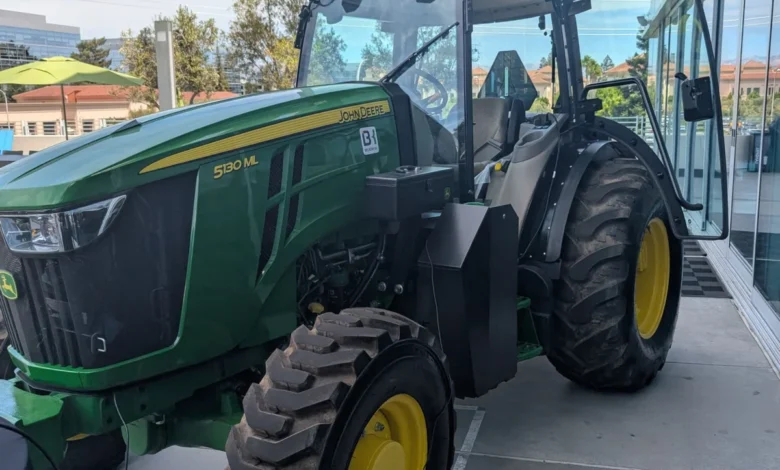
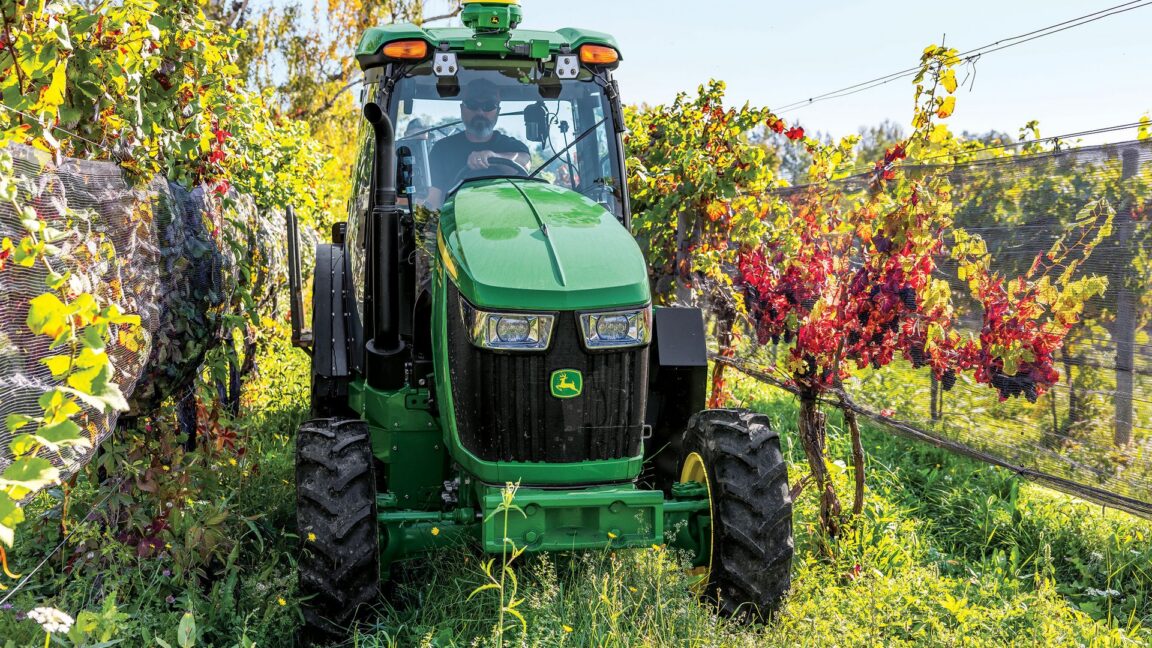
The mechanical heart of a modern John Deere tractor is no longer just a collection of pistons and gears; it is a complex, data-driven ecosystem of proprietary sensors, 4G-enabled controllers, and digital locks. As agricultural technology advances toward full autonomy, the chasm between manufacturer control and farmer autonomy has widened, leading to a decade-long battle over the Right to Repair. At the center of this controversy is the manufacturer’s recent push to provide self-repair solutions through its Operations Center Pro Service, an initiative that promises to empower owners but faces skepticism from the very farmers it intends to serve.
The tension reached a boiling point in recent years, manifesting in multiple high-profile legal challenges. In April, John Deere reached a $99 million settlement with equipment owners to address claims of monopolizing repair services. Shortly thereafter, the company settled a separate lawsuit brought by the Federal Trade Commission (FTC), pledging to improve repair accessibility. While the company maintains that these efforts are a sincere response to market needs, critics argue that the digital gates remain locked, forcing farmers into a dependency that undermines the traditional ownership model.
A Shift in Maintenance Paradigms
Historically, farmers were the primary mechanics of their own operations. If a tractor broke down in the middle of a harvest, the owner would grab a wrench, open the manual, and address the issue. However, as manufacturers integrated complex software to increase yield and efficiency, the nature of a "repair" changed. Today, a simple maintenance task can involve dozens of Electronic Control Units (ECUs) and encrypted software authentication.
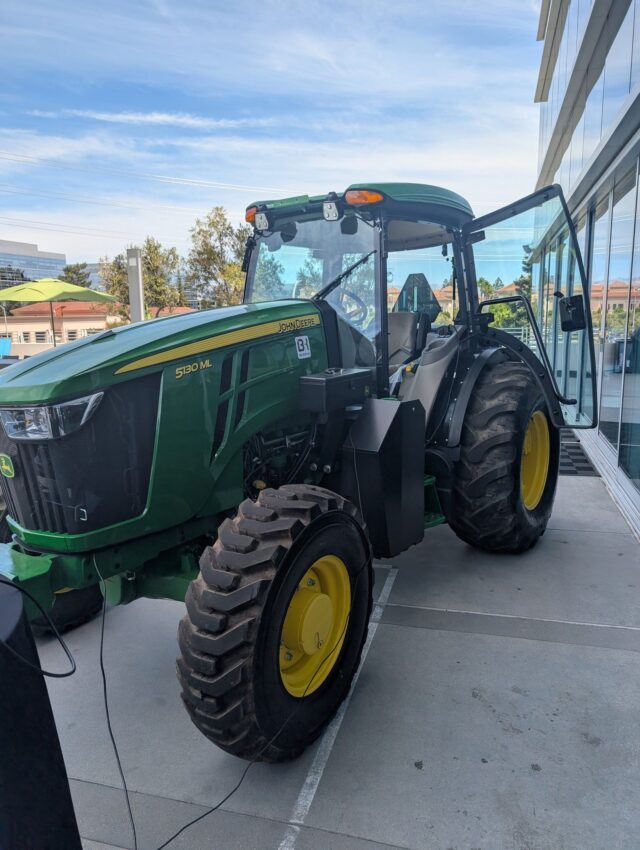
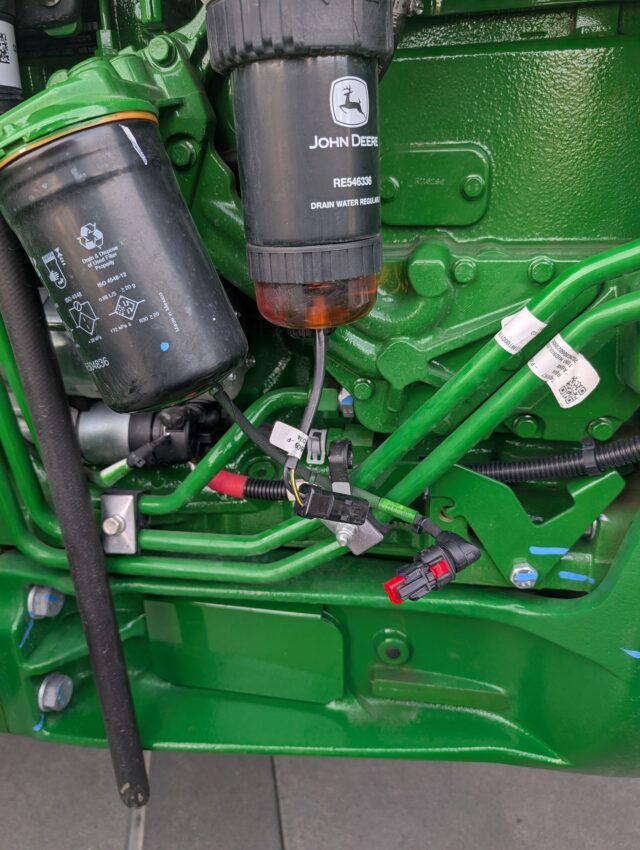
When a sensor—such as a water-in-fuel (WiF) detector—fails, the diagnostic process now requires specialized software to clear the resulting error codes. During a demonstration at the John Deere corporate campus in Santa Clara, California, the efficacy of the company’s Pro Service was showcased. The platform, accessible via Wi-Fi or cable, allows users to input a machine’s serial number to retrieve targeted diagnostic information and step-by-step instructions. For a minor electrical fault, the system functions with the fluidity of a modern consumer application, guiding the user to the physical component and confirming the fix upon reconnection.
Despite the technical success of such demos, the reality on the ground remains polarized. Jahmy Hindman, chief technology officer at John Deere, emphasizes that the company’s intent has always been to support the owner. With nearly 50 controllers in some high-end models, Hindman notes that the complexity of modern machinery necessitates a sophisticated interface. Yet, the adoption rate of the Pro Service remains modest, with approximately 1,000 daily users out of a market encompassing roughly 1.8 million farms across the United States.
Chronology of a Legislative and Legal Struggle
The friction between John Deere and its customer base did not appear overnight. It is the result of a long-standing technological and legal evolution.
2015–2018: The emergence of the Right to Repair movement highlights that John Deere software locks prevent independent mechanics from accessing diagnostic codes, forcing farmers to transport heavy equipment to distant dealerships.
2021: The Biden administration issues an executive order encouraging the FTC to address unfair anti-competitive restrictions in the repair industry, specifically citing agricultural equipment as a priority.
2023: John Deere signs a memorandum of understanding with the American Farm Bureau Federation, promising to provide owners with access to diagnostic tools, manuals, and software.
2026: The ongoing rollout of the Pro Service platform, priced at $195 per machine annually, or up to $5,995 for full business-level access, marks the company’s latest attempt to institutionalize the repair process.
These milestones represent a slow, often reluctant, transition toward transparency. However, for many in the agricultural sector, the pace of change is insufficient. Critics argue that the "Product Improvement Plans" (PIPs) issued by the company are reactive rather than proactive, and that the software does not provide parity with the diagnostic capabilities available to authorized dealership technicians.
Data and Economic Implications
The debate is not merely about mechanical access; it is about data ownership and the cost of operation. For a farmer managing thousands of acres, a broken tractor is not just a nuisance—it is a significant financial loss. Jared Wilson, a Missouri farmer and plaintiff in the $99 million class-action lawsuit, contends that the current repair tools are designed for simple failures. When a machine experiences multiple, overlapping diagnostic codes, the "tree" of troubleshooting becomes opaque.
Furthermore, there is a pervasive lack of trust regarding data privacy. While Kelli Sullivan, a group product manager at John Deere, asserts that owners maintain full control over their diagnostic data, many farmers remain wary of how that information is harvested and used. The economic disparity is also a factor; while the cost of Pro Service may seem reasonable to a large-scale commercial operation, independent repair shops and smaller farms view the subscription-based model as an additional tax on ownership.
The Argument for the "Gray Market"
Because of the perceived limitations of official tools, a robust gray market has developed. Many farmers report utilizing "cracked" or unauthorized versions of diagnostic software sourced from international forums. These versions often grant deeper access to machine parameters than the official tools provided by the manufacturer. While this practice carries risks—such as the potential for software instability or the voiding of warranties—it is a testament to the frustration felt by those who feel their ownership rights have been eroded by digital restrictions.
Willie Cade, a board member of Repair.org, characterizes the current situation as a conflict between corporate profit models and the longevity of capital goods. Agricultural equipment is built to endure for decades, yet the software that governs it is subject to the lifecycle of modern tech support. If a manufacturer decides to sunset a particular software version, the hardware it controls effectively becomes a "brick," regardless of the mechanical integrity of the engine.

The Vanguard of a Broader Movement
The struggle over tractor repair is widely seen as the testing ground for the broader Right to Repair movement. If the agricultural industry—a sector that is foundational to the economy—cannot secure the right to maintain its own equipment, it sets a concerning precedent for consumer electronics, medical devices, and automotive sectors.
As the industry moves toward autonomous, AI-driven farming, the complexity of these machines will only increase. John Deere’s recent integration of AI-assisted diagnostic tools into its Operations Center is a sign that the company recognizes the need for better user interfaces. However, the question remains whether these tools will eventually be open enough to satisfy the demands of the repair advocacy community.
For now, John Deere continues to defend its ecosystem as a necessary measure for safety and performance. "We have the best intentions of making sure that we have the ability to give customers the tools that they need," Hindman says. While the company moves to "lower the needle" toward a more accessible future, the agricultural community remains divided. Until the gap between dealer-level access and owner-level access is bridged, the digital tug-of-war is likely to continue, shaping the future of property rights in the age of the Internet of Things.