Selecting the appropriate smartwatch as a gift in 2026 requires a nuanced understanding of the modern hardware ecosystem, as the utility of these wearable devices is almost entirely tethered to the user’s primary smartphone. As of September 2026, the market has matured significantly, shifting away from radical annual hardware overhauls toward iterative improvements in sensor accuracy, battery efficiency, and AI-driven health analytics. For consumers aiming to purchase a gift that balances functionality, longevity, and value, the current landscape offers a diverse range of specialized options.
The Ecosystem Constraint and Market Context
The central reality of the 2026 wearable market is the "walled garden" approach maintained by major tech conglomerates. An Apple Watch remains effectively incompatible with Android devices, while premium features on Google’s Pixel Watch and Samsung’s Galaxy Watch are optimized specifically for their respective proprietary smartphone ecosystems. This interoperability bottleneck means that the most critical step in gift selection is identifying the recipient’s current phone model.
Historically, the smartwatch market saw explosive growth between 2020 and 2024, driven by the COVID-19 pandemic’s heightened interest in personal health monitoring. By 2026, the industry has transitioned into a period of refinement. Major players have moved beyond basic step counting, focusing instead on "readiness" scores, recovery analytics, and integration with generative AI models like Apple Intelligence and Google Gemini to provide actionable health insights rather than just raw data.
Apple Watch: The SE and Ultra Tiers
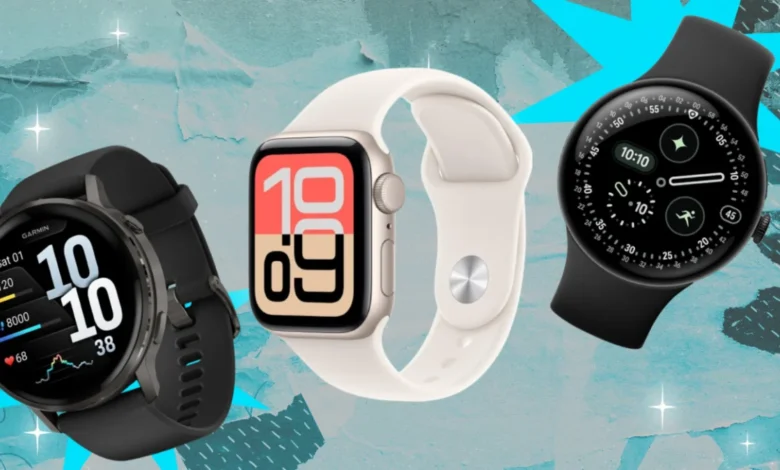
For the vast majority of iPhone users, the Apple Watch SE (3rd Generation) represents the most pragmatic choice. Released as a cost-effective alternative to the flagship Series 12, the SE 3 utilizes the S10 processor. While it lacks the advanced clinical sensors found in the Series 12—such as the hypertension alert system and the dedicated blood oxygen monitoring application—it captures the essential health metrics that 90% of users actually engage with on a daily basis.
From a technical standpoint, the SE 3 is a testament to the longevity of Apple’s silicon. The inclusion of the S10 chip ensures full compatibility with the latest watchOS features, including the expanded Apple Intelligence suite. With 18 hours of standard battery life and a robust fast-charging architecture that provides an 80% charge in 45 minutes, it addresses the most common consumer complaint: battery anxiety.
Conversely, the Apple Watch Ultra 4 is designed for the high-performance segment. Positioned as a tool for extreme athletes and outdoor enthusiasts, it differentiates itself through a 3,000-nit display, a specialized titanium chassis, and a battery capacity that supports up to 50 hours of continuous use. The primary value proposition for the Ultra 4 over its predecessor, the Ultra 3, lies in the "Health Sensing System" and the integration of the Readiness app, which uses physiological data to suggest recovery intervals—a feature increasingly favored by professional athletes and data-driven hobbyists.
Android Options: Google and Samsung Strategy
The Android market in 2026 is defined by a similar split between value and performance. The Google Pixel Watch 4 has emerged as the definitive choice for users embedded in the Google ecosystem. Despite the recent release of the Pixel Watch 5, the model 4 remains highly relevant due to its price-to-performance ratio. Equipped with the Snapdragon W5 Gen 2 chip, it offers fluid navigation and comprehensive integration with Gemini, allowing users to query their health data via natural language.

Samsung’s Galaxy Watch 8 follows a similar trajectory. While the Galaxy Watch 9 exists as the current flagship, the Watch 8 serves as the "sweet spot" for most Galaxy smartphone users. The device utilizes the Exynos W1000 chipset, which provides the necessary overhead for complex health algorithms, including sleep apnea tracking and the proprietary Energy Score. Samsung’s decision to maintain consistent design language and feature parity across generations has made the Watch 8 a favorite for gift-givers seeking high-end functionality without the "early adopter" price premium.
Garmin and the Fitness-First Paradigm
While Apple, Google, and Samsung market their watches as general-purpose smart devices, Garmin continues to dominate the niche of pure performance tracking. The Garmin Venu 4, released in mid-2026, serves as the premier choice for individuals whose primary concern is physical training rather than text messaging or app integration.
The Venu 4’s superiority in battery management is stark compared to its competitors. By opting for a reflective-transflective hybrid display architecture in certain modes, the device can achieve up to 12 days of battery life, compared to the 18 to 40 hours offered by the Apple or Android competitors. Furthermore, Garmin’s commitment to granular athletic data—such as VO2 max tracking, real-time stride length analysis, and recovery time estimation—cater to a demographic that views the smartwatch as a training tool rather than a smartphone accessory.
Broader Implications and Industry Trends
The data gathered by these devices is increasingly being recognized by the insurance and medical sectors. Throughout 2026, several health insurance providers have begun offering premium discounts to policyholders who share anonymized activity data from certified devices, including the latest models from Apple, Samsung, and Garmin. This integration marks a shift in the role of the smartwatch from a consumer electronic to a preventative healthcare instrument.
However, this transition has not been without controversy. Privacy advocates have raised concerns regarding the "Audio Intelligence" features introduced in recent iterations of the Apple Watch, which analyze ambient sound environments. While manufacturers maintain that this data is processed locally on the device, the expansion of passive surveillance capabilities remains a point of contention for security-conscious consumers.
Summary of Selection Criteria for 2026
When finalizing a purchase, the decision should be guided by the following matrix:
- Operating System Compatibility: Verify the smartphone platform. Cross-platform support for watches remains limited and often results in a degraded user experience.
- Activity Profile: Casual users benefit from the feature-rich, integrated environments of the Apple Watch SE or Pixel Watch 4. High-intensity athletes should prioritize the battery longevity and sensor accuracy of the Garmin Venu 4 or the Apple Watch Ultra 4.
- Value Assessment: In 2026, the "previous generation" models—specifically the Pixel Watch 4 and Galaxy Watch 8—offer nearly 95% of the utility of their successors for a significantly lower price point, making them the most logical choices for gifting.
As we conclude the third quarter of 2026, the smartwatch market has reached a point of stability. Consumers are no longer chasing revolutionary hardware changes but are instead seeking reliable, integrated ecosystems that facilitate a more informed relationship with their personal health data. By selecting a device that aligns with the recipient’s existing phone and lifestyle intensity, a buyer can ensure the gift remains a functional asset for years to come.