The Economic Context of Holiday Dining
The methodology behind this $25-per-recipe threshold is rooted in a rigorous "worst-case-scenario" testing model. Unlike traditional recipe features that assume a well-stocked pantry, this approach mandates that every required ingredient—including staples like oil, salt, and spices—be purchased at full price at a standard mid-priced supermarket.
According to recent data from the Bureau of Labor Statistics regarding the Consumer Price Index for food at home, the cost of festive staples, particularly produce and dairy, has remained volatile. By eschewing bulk-buy discounts or specialized low-cost grocery chains, the project aims to demonstrate that fiscal prudence does not necessitate a sacrifice in quality. The total expenditure of $75 for the entire spread highlights a shift in domestic logistics: the move away from center-of-the-plate protein heavyweights—which have seen significant price inflation—toward vegetable-forward and scratch-made desserts that maximize yield while minimizing waste.
A Chronological Breakdown of the Menu
The execution of this budget-conscious feast follows a specific, time-efficient workflow designed to mitigate kitchen stress while maintaining professional presentation standards.
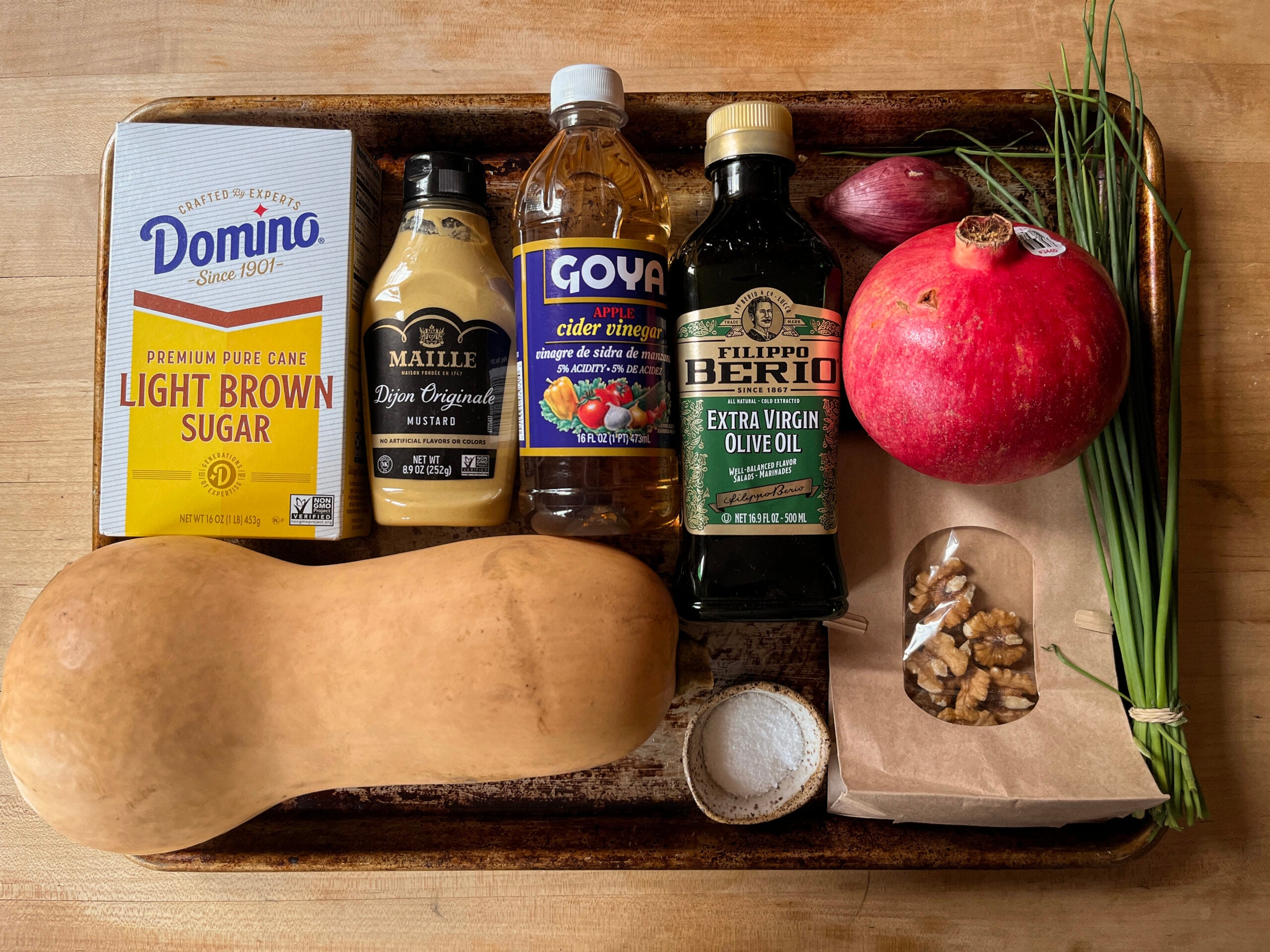
The Centerpiece: Glazed Butternut Squash
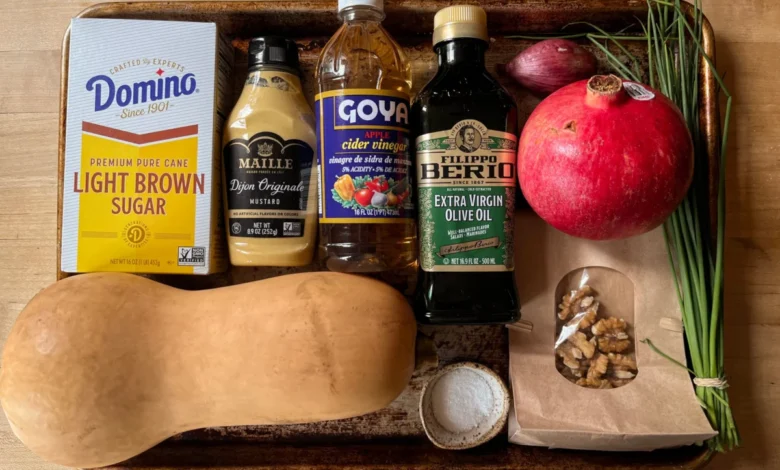
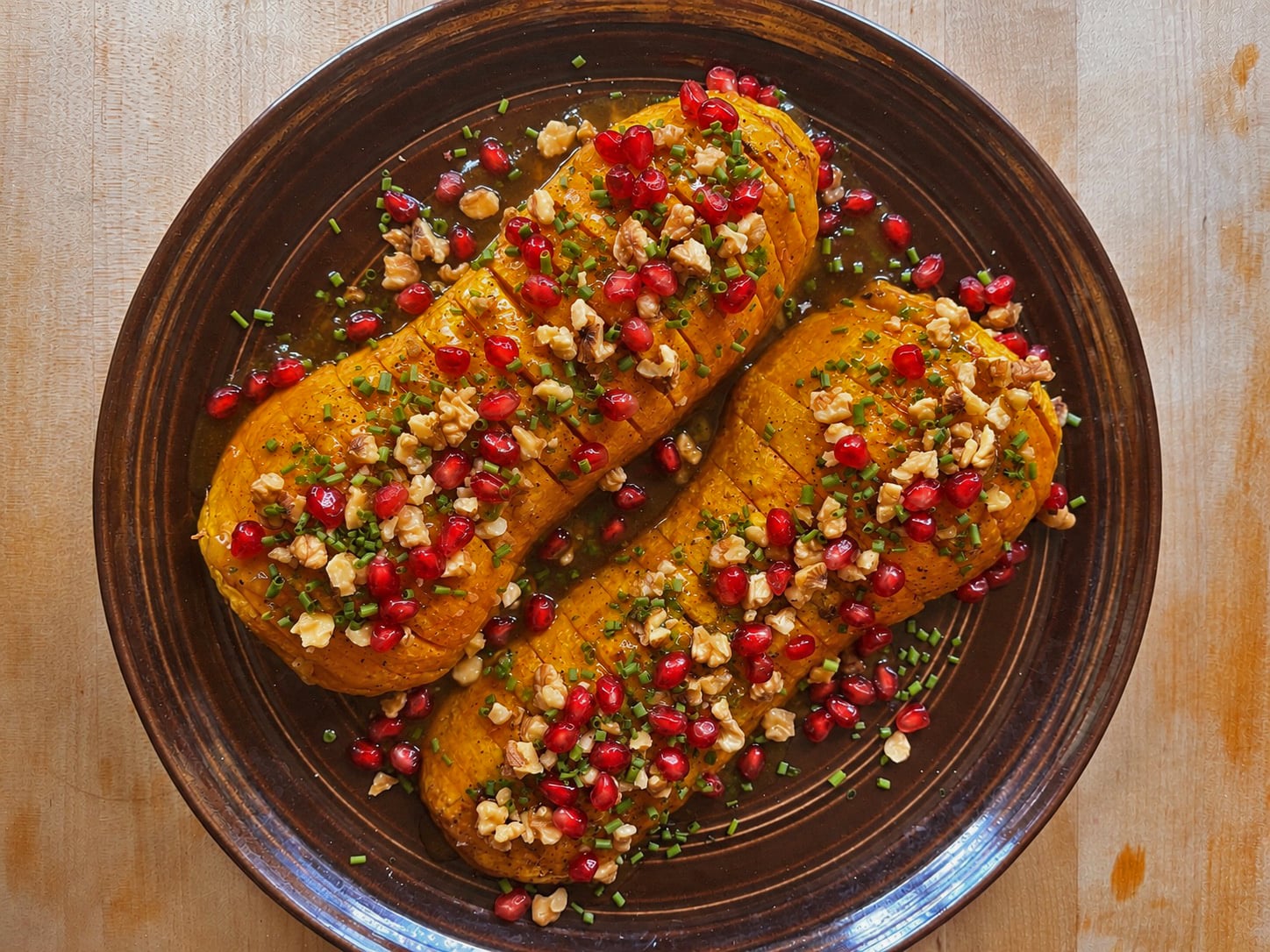
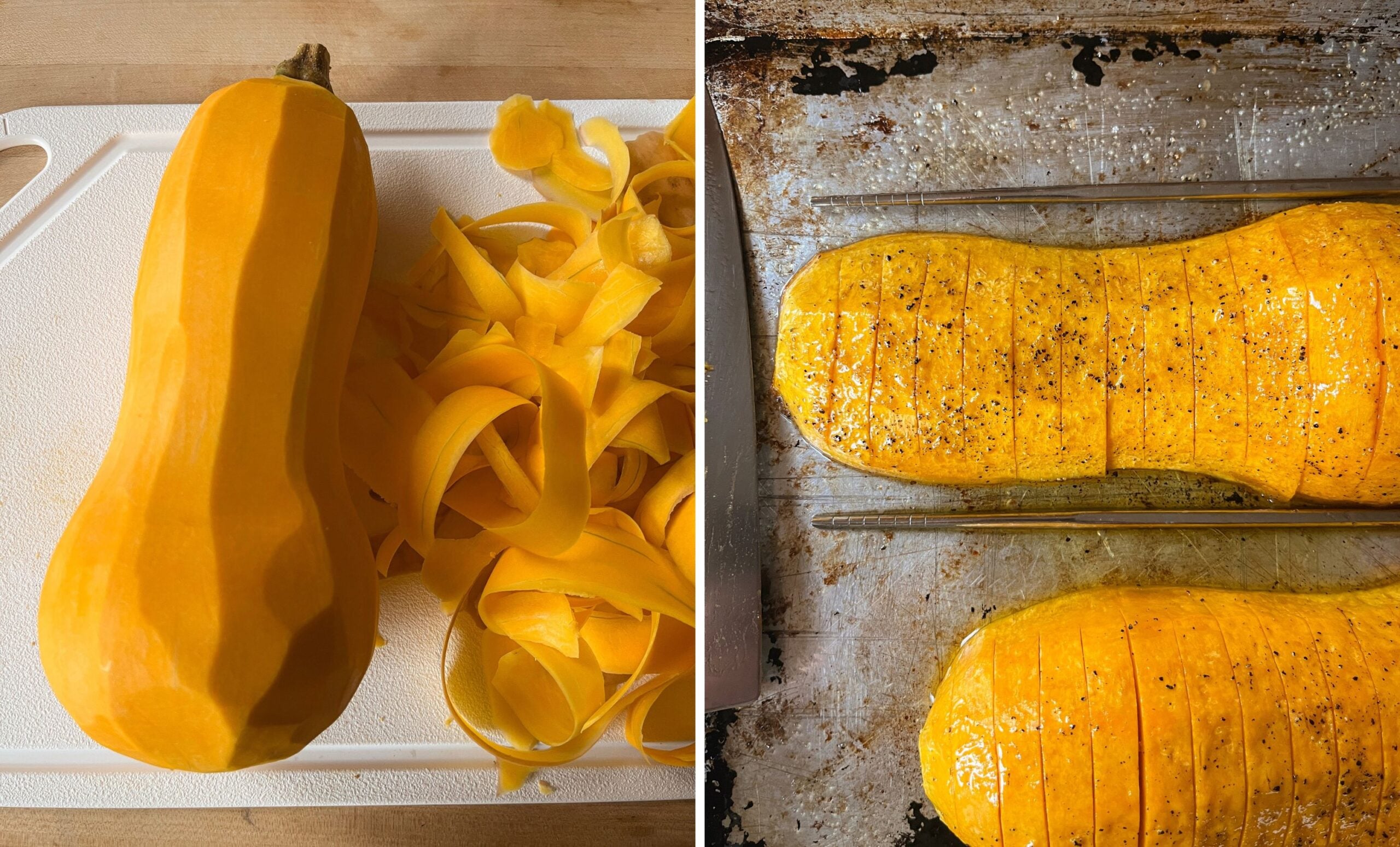
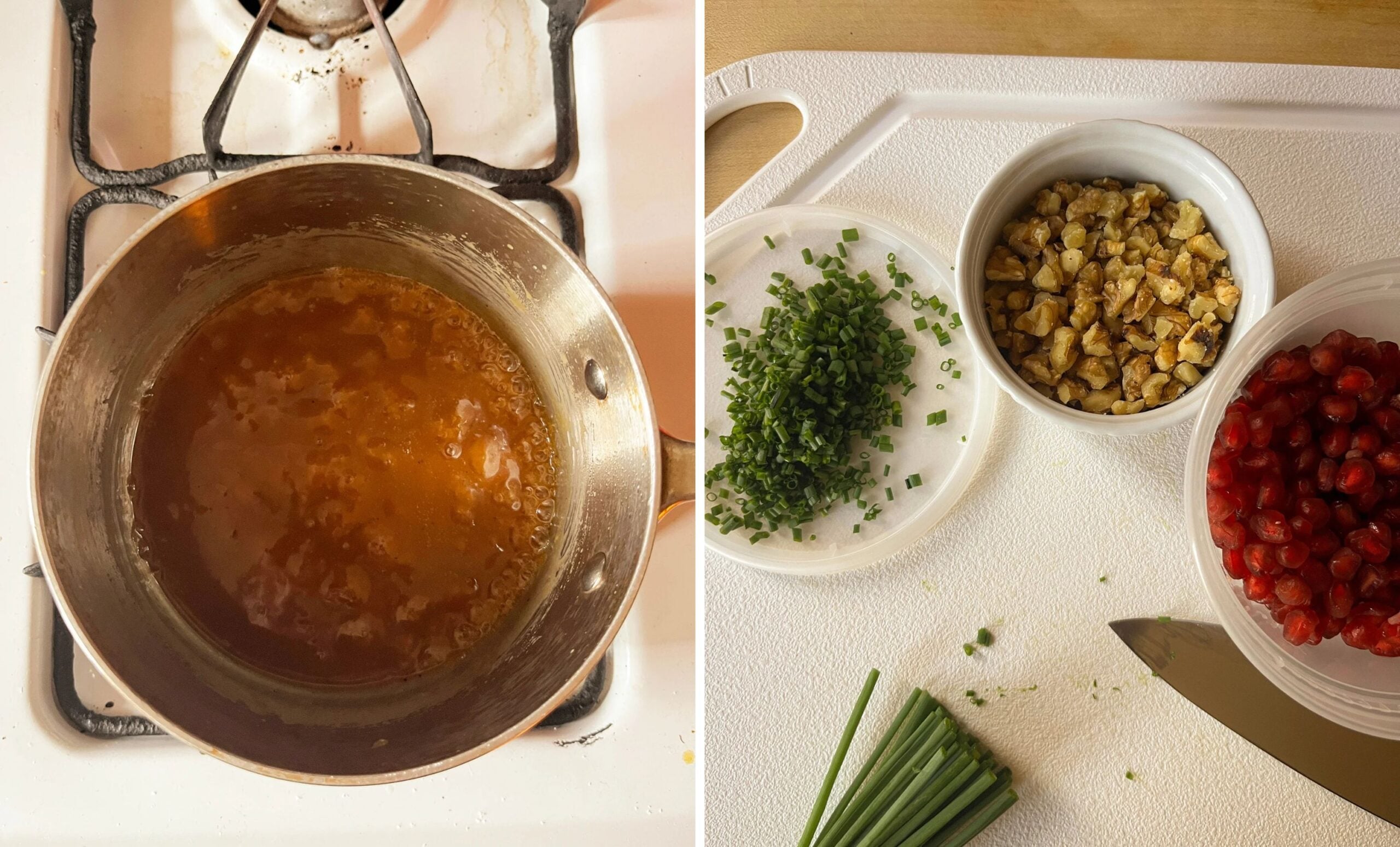
The centerpiece, a four-pound roasted butternut squash, functions as a visual and nutritional anchor for the meal. The preparation timeline begins with an initial 20-minute roast to soften the flesh, followed by a precision slicing technique—utilizing "chopstick barriers" to ensure even cuts without severing the vegetable—and a final 35-minute roast with a brown sugar, Dijon mustard, and apple cider vinegar glaze. The garnish, consisting of toasted walnuts, pomegranate seeds, and chives, provides a complex texture profile that mirrors traditional meat-based centerpieces.
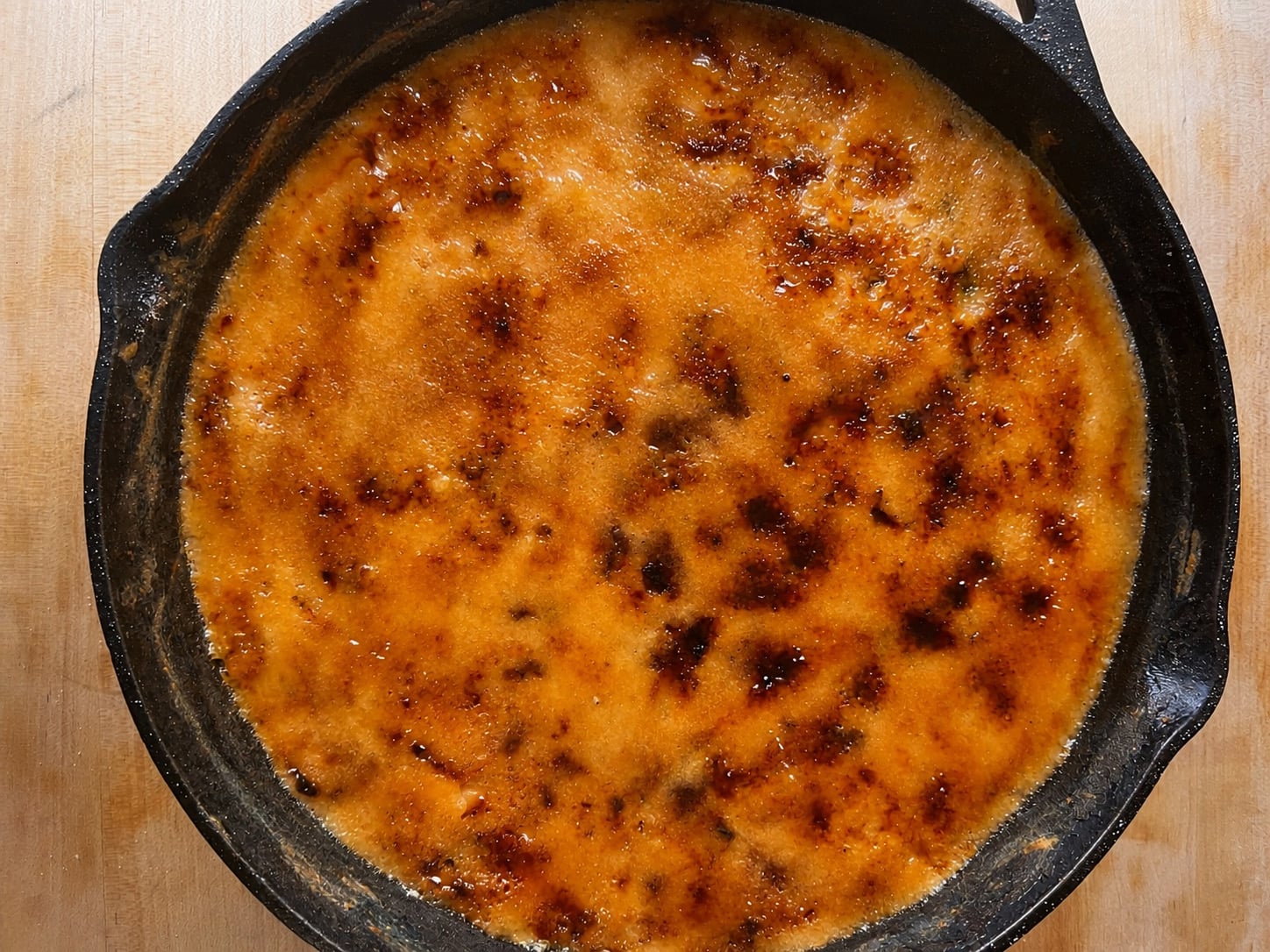
The Side: Jalapeño Corn Brûlée
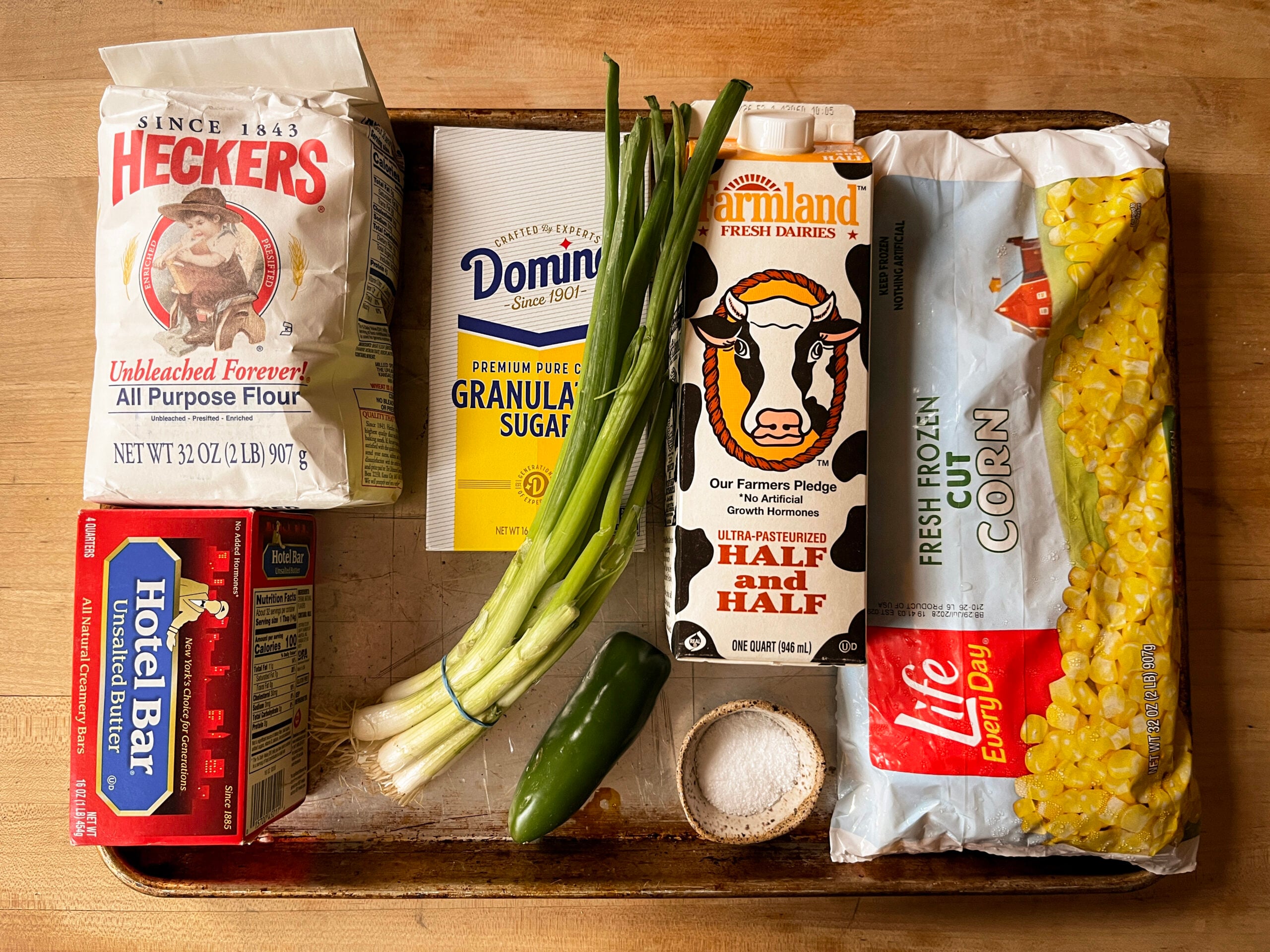
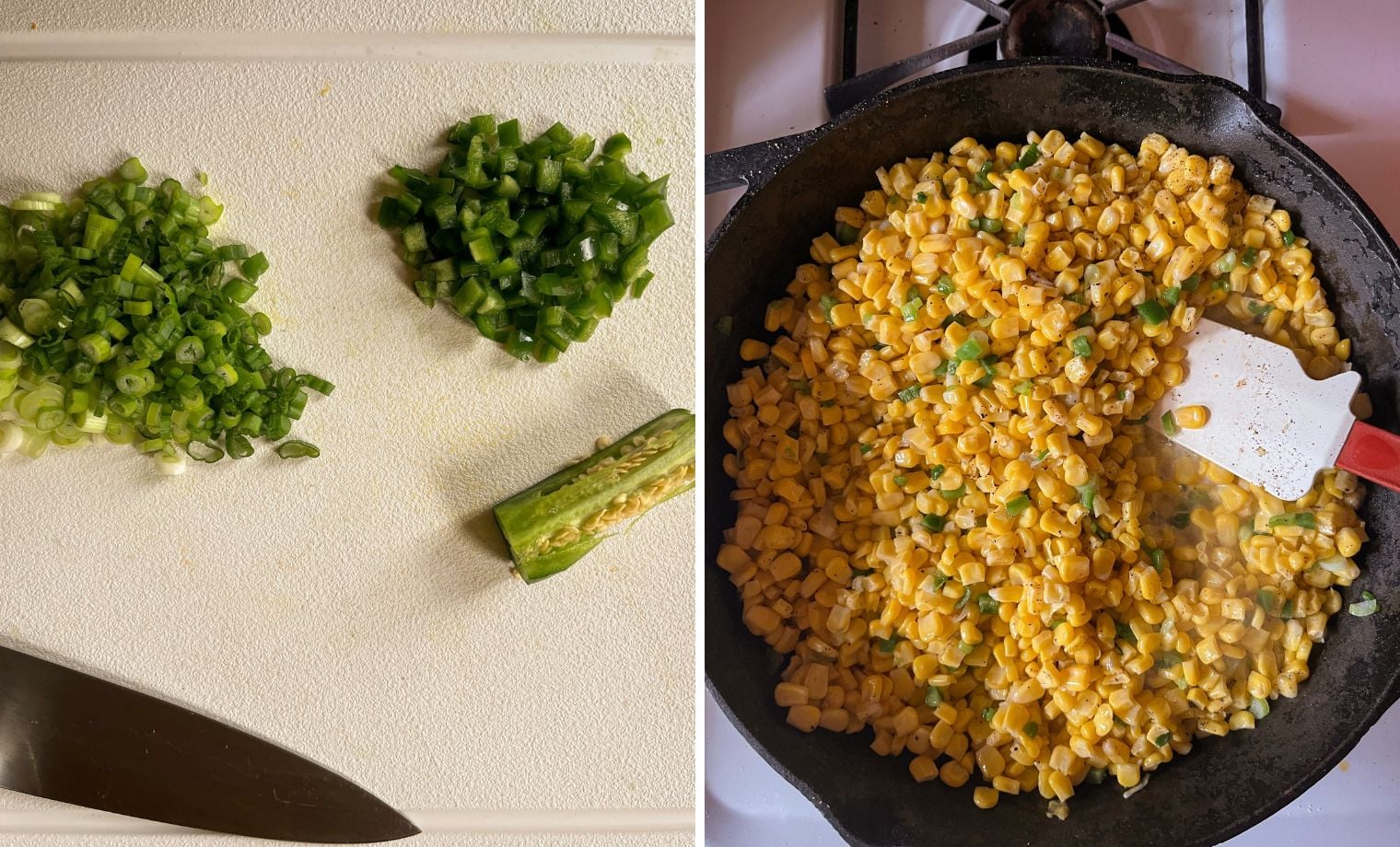
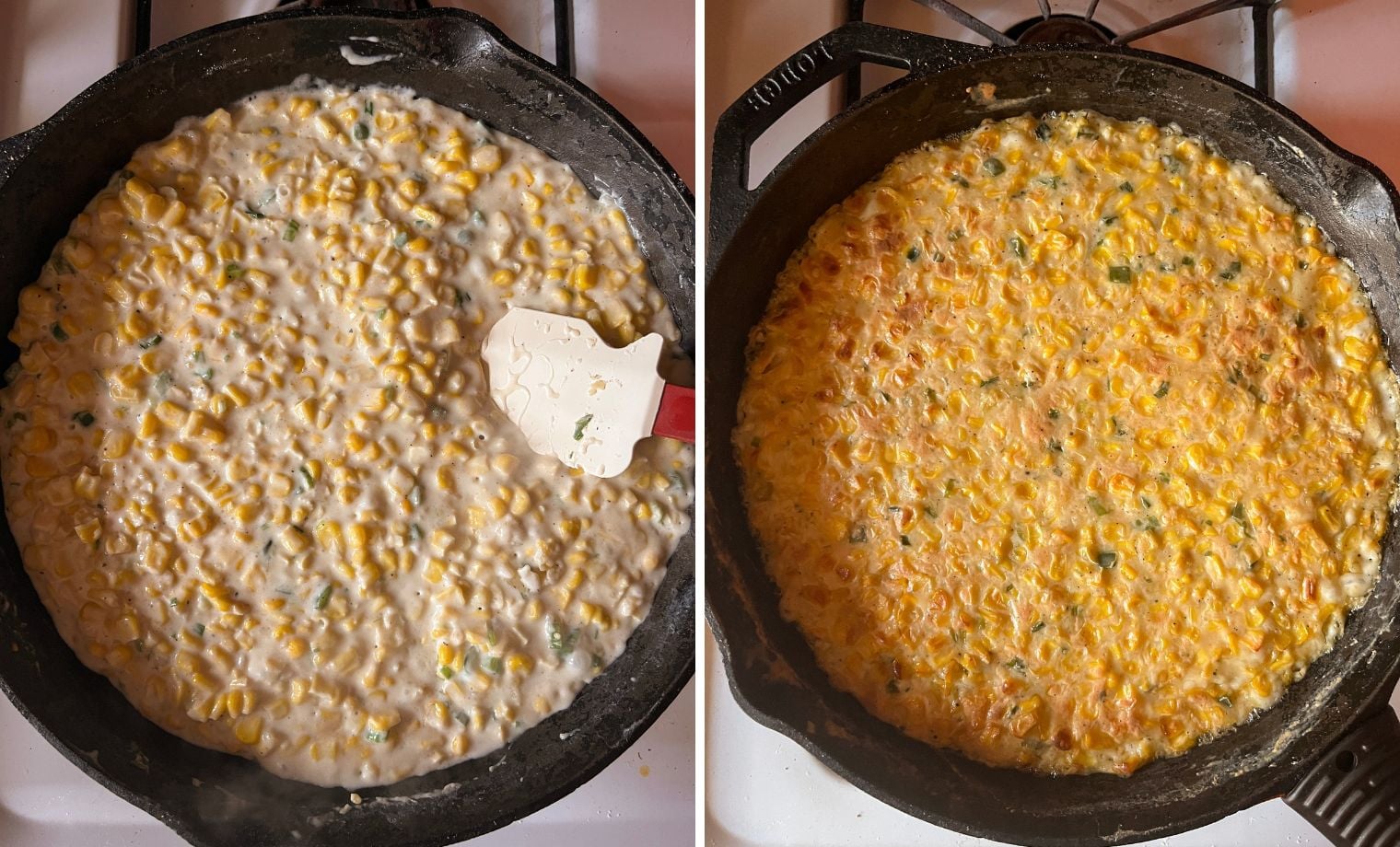
The side dish, a fusion of classic corn pudding and contemporary techniques, is prepared in a 12-inch cast-iron skillet. The process requires a steady reduction of frozen corn with jalapeños and scallions, followed by a thickening process with half-and-half and flour. The signature element—a caramelized sugar crust created under a broiler—serves as an accessible, high-impact culinary finish. The ingredient list for this dish totaled $18.86, allowing for a surplus that enables the inclusion of additional pantry-staple snacks.
The Dessert: Spiced Pumpkin Cake
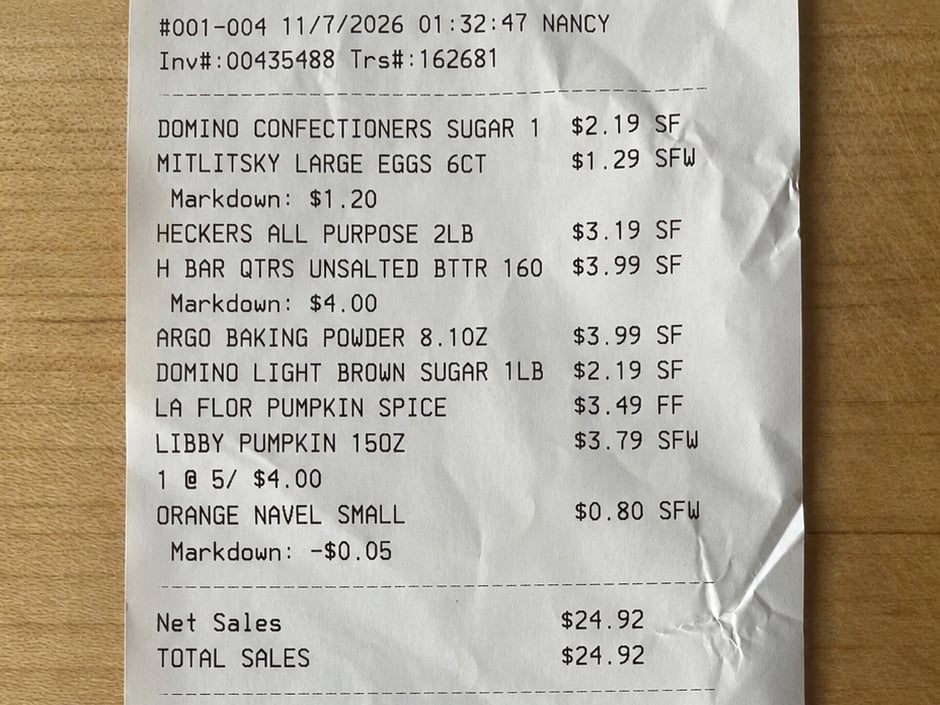
Moving away from the traditional, time-intensive labor of pie crust production, the spiced pumpkin cake utilizes a browned-butter base and a single-bowl mixing method. This streamlines the baking timeline to approximately 45 minutes. The final aesthetic touch—a stencil-based powdered sugar design—demonstrates how technical simplicity can achieve high-end visual results. The cost for this course was held to $24.92, ensuring the entire three-course menu remains within the established budget.
Comparative Analysis of Shopping Strategies
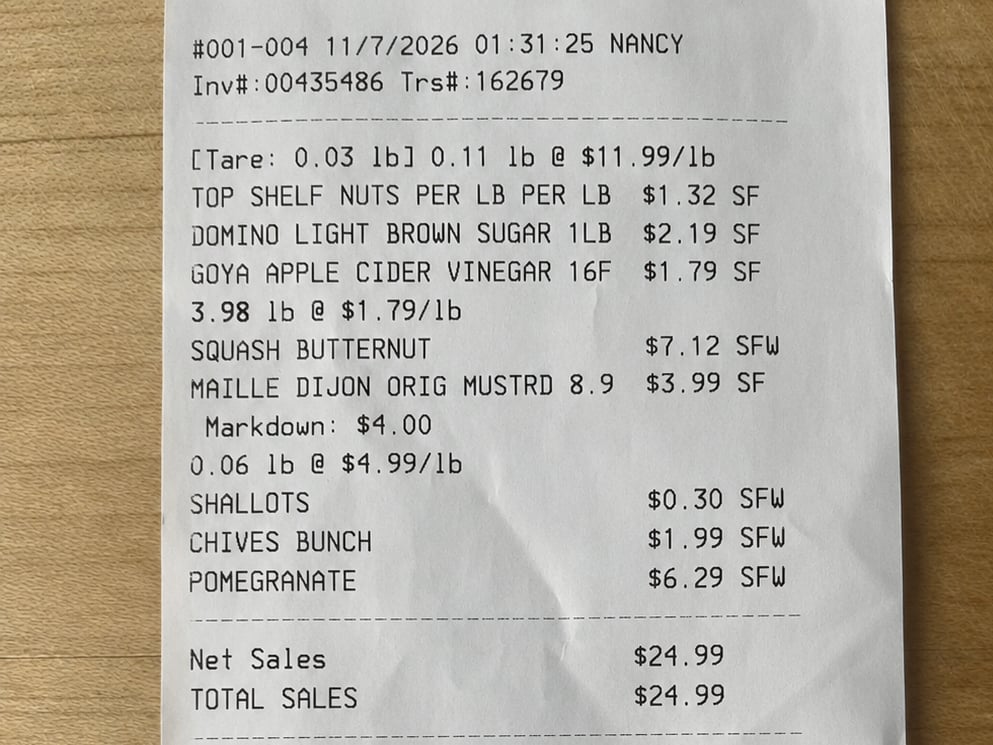
To ensure transparency, the project documented every transaction at a standard retail environment in Brooklyn. The shopping strategy prioritized small-batch purchases from bulk bins for items like walnuts, which typically suffer from degradation and waste if purchased in large quantities.
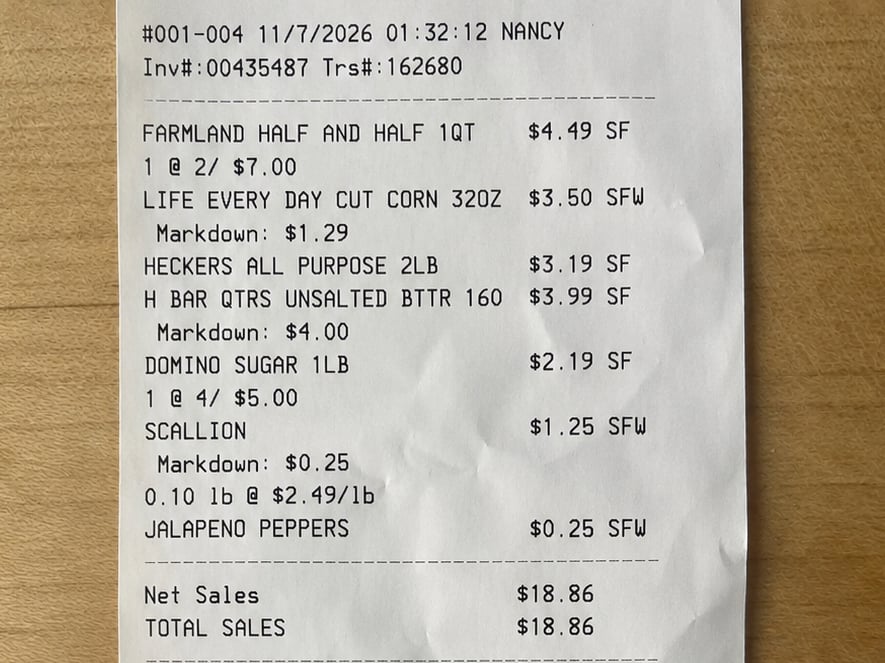
Fact-based analysis of these receipts reveals a significant opportunity for cost reduction for the average consumer. While the project achieved a $24.99 total for the centerpiece, shoppers who utilize existing pantry staples—such as basic oils, vinegars, and spices—would see these costs drop by 20 to 30 percent. The project confirms that while "scratch cooking" is often perceived as an expensive endeavor, it is, in fact, the most effective hedge against the rising costs of pre-packaged, convenience-oriented holiday foods.
Implications for Modern Entertaining
The broader impact of this initiative suggests a re-evaluation of the "host" identity. By providing a transparent look at the procurement process, the initiative addresses the "hidden costs" of holiday hospitality. Food writers and industry analysts have noted that the 2026 holiday season is marked by a trend toward "conscious gathering," where the value of the event is measured not by the luxury of the ingredients, but by the skill of the execution and the accessibility of the menu.
Furthermore, the shift toward a vegetarian centerpiece reflects a demographic trend observed over the last decade. As more households move toward flexitarian or entirely plant-based diets, the traditional reliance on turkey or ham is increasingly viewed as an option rather than a requirement. This shift also carries a significant fiscal advantage, as produce-centric centerpieces consistently offer a lower cost-per-serving than high-grade proteins.
Professional Feedback and Best Practices
Industry professionals, including recipe developers and logistics experts, emphasize that the success of such a budget-conscious menu relies on three pillars:

- Strategic Procurement: Shopping at mid-priced retailers to prove the viability of the budget without relying on specific regional discounts.
- Waste Mitigation: Using the entirety of the ingredients purchased, such as the use of orange zest in the cake to elevate the flavor profile without needing expensive extracts.
- Technique over Ingredient: Using basic cooking skills—such as browning butter or broiling sugar—to add depth and sophistication that would otherwise require expensive, pre-processed flavor enhancers.
As families prepare for the upcoming holiday, the consensus among household financial planners is clear: effective budget management is a result of advanced planning and the willingness to pivot away from traditional, high-cost habits. By treating the holiday menu as a controlled project with strict financial parameters, hosts can maintain the standard of excellence expected at a festive gathering while remaining well within the bounds of a moderate household budget.
Ultimately, the goal of this initiative is to remove the barrier of financial intimidation that often prevents individuals from hosting gatherings. The data provided suggests that with approximately $75, a host can produce a meal that is not only visually striking and nutritionally balanced but also deeply rooted in the foundational principles of economic efficiency. As the industry moves toward 2027, this model of "the $25 dinner" serves as a benchmark for how culinary professionals and home cooks alike can navigate the intersection of tradition, creativity, and fiscal responsibility.