The Smithsonian Institution Faces an Unprecedented Institutional Crisis Amid Intense Political Scrutiny and Calls for Reform

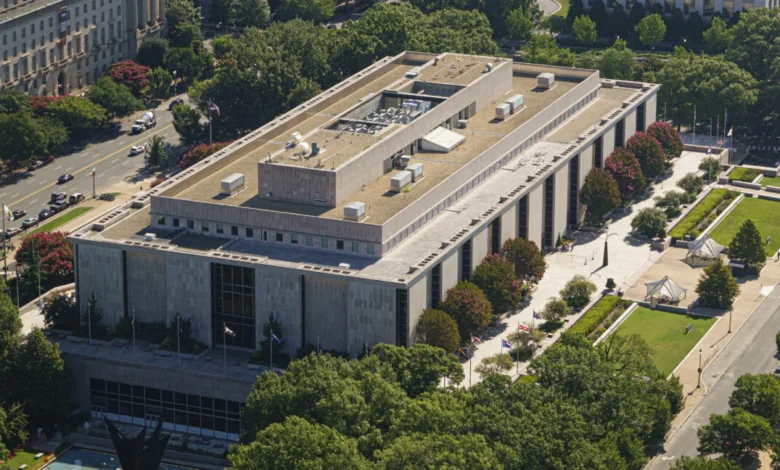
The Smithsonian Institution, a global paragon of historical preservation and the world’s largest museum and research complex, is currently navigating the most precarious period in its 179-year history. Tasked with the stewardship of 21 museums, galleries, and a national zoo, the institution—which draws approximately 15 million visitors annually—has historically occupied a position of relative political neutrality. However, the Smithsonian is now the focal point of a systemic, high-stakes collision between its traditional scholarly mission and a concerted effort by the Trump administration to reshape the narrative of American history within federal cultural institutions.
This confrontation, which has culminated in the recent resignation of Secretary Lonnie Bunch and the threat of severe budgetary austerity, represents a fundamental dispute over the role of public museums: should they serve as venues for critical academic inquiry into the complexities of the American experience, or should they function as repositories of a unified, celebratory national identity?
A Timeline of Escalation and Ideological Friction
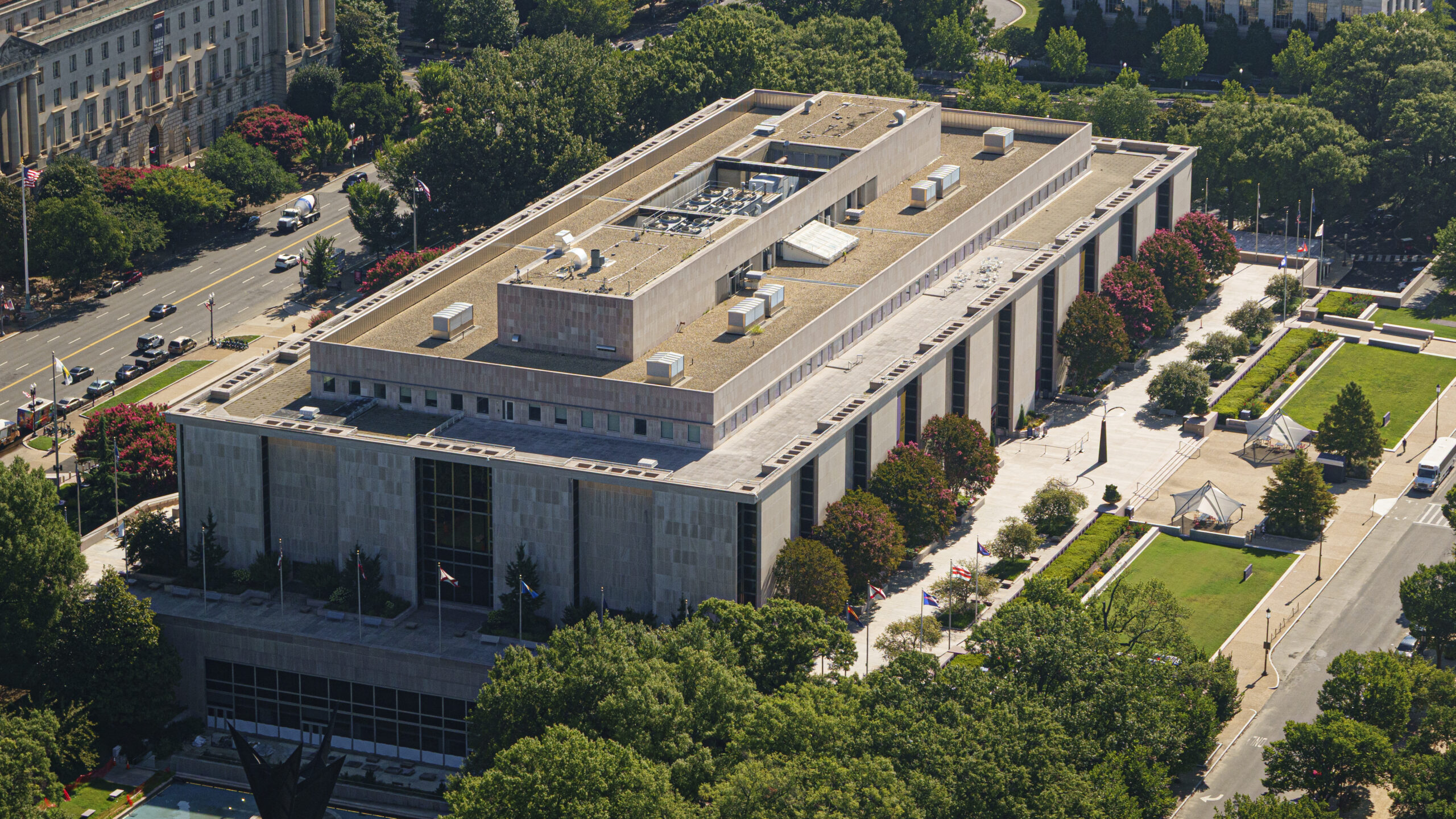
The roots of the current friction predate the recent executive actions. For years, the National Museum of American History has struggled to reconcile its legacy as a museum of technology with its evolving mandate to document the diverse social and political history of the United States. Following the 2020 social unrest and the COVID-19 pandemic, the institution accelerated its adoption of diversity, equity, access, and inclusion (DEAI) frameworks. While leadership viewed this as an essential evolution to maintain institutional relevance and historical honesty, critics perceived a sharp pivot toward progressive activism.
The timeline of the current crisis accelerated significantly in early 2025:
- March 2025: President Donald Trump signed an executive order alleging that the Smithsonian had succumbed to a "divisive, race-centered ideology," setting the stage for direct administrative intervention.
- July 4, 2026: In a symbolic move coinciding with the 250th anniversary of the Declaration of Independence, the White House released a 162-page report detailing what it termed the "ideological capture" of the Smithsonian.
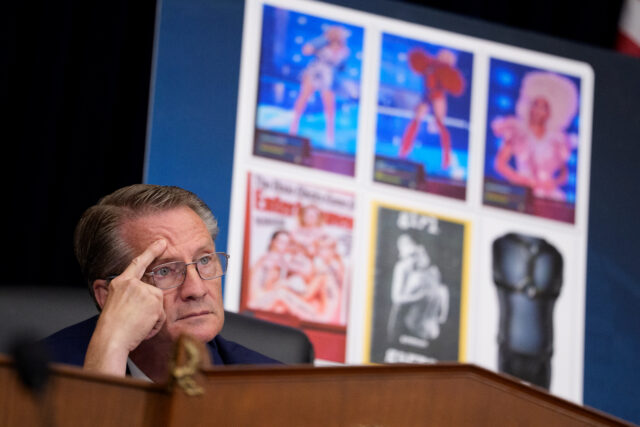
- Late July 2026: House committees held consecutive hearings, subjecting leadership to aggressive questioning regarding specific exhibit choices, including material related to gender identity and controversial historical interpretations.
- August 2026: Secretary of the Interior Doug Burgum signaled that federal agencies might withdraw support for the Smithsonian, effectively threatening the institution’s $1 billion annual federal funding stream.
- September 8, 2026: Lonnie Bunch, the first African American secretary of the Smithsonian, announced his resignation, citing the intense stress of the ongoing political environment.
The Contentious Exhibits and the Battle for Narrative
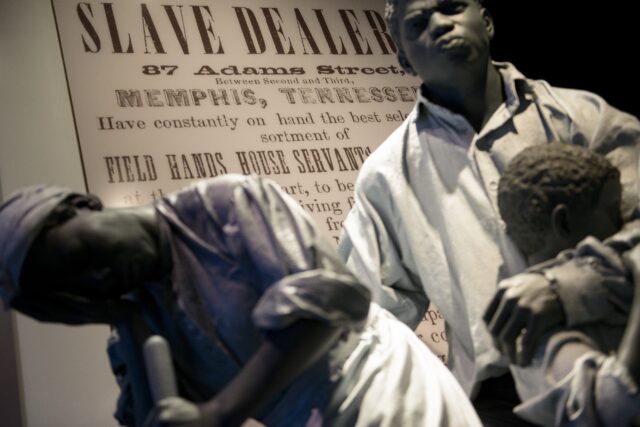
At the heart of the administration’s critique are specific exhibits that illustrate the tension between modern historical interpretation and traditionalist perspectives. The "Electric Dr. Franklin" exhibit, which suggested that Benjamin Franklin may have utilized enslaved people in his scientific experiments, became a primary target. The White House report characterized this as a departure from "straightforward historical education" in favor of "extreme political activism."
Similarly, exhibits such as "Girlhood (It’s Complicated)" and displays covering LGBTQ+ history—specifically the inclusion of a sadomasochistic harness—drew sharp condemnation from Republican lawmakers during congressional hearings. Critics argue that these items lack the historical gravity required for a national museum and instead promote a niche, modern ideological agenda. Proponents of these exhibits, however, maintain that they provide a comprehensive view of American life, including the experiences of marginalized groups, and that "complexity" is a necessary component of a robust historical education.
Structural and Financial Vulnerabilities
The Smithsonian’s vulnerability is compounded by its unique governance and funding structure. While independent, the institution relies on the federal government for 62% of its operating budget. This dependency creates a structural weakness during periods of executive hostility.
Furthermore, former board members, including Republican former Representative Garret Graves, have pointed to a disconnect between the museum’s staff—largely based in the liberal-leaning Washington, D.C. metro area—and the broader American public. Critics argue that this bubble leads to an institutional culture that is increasingly detached from the patriotic values expected by the taxpayers who fund the institution.

The lack of a unified "charter" or strategic vision for the American History Museum has further exacerbated these issues. As former board chair Ivan Selin noted, the museum has struggled to transition from its original identity as a home for technology and artifacts to a modern museum of history. Without a cohesive narrative, the institution has become a "patchwork" of disjointed exhibits, making it easier for external political actors to identify and target perceived inconsistencies.
Congressional Testimony and the Erosion of Bipartisan Support
The July 2026 congressional hearings underscored the total collapse of the bipartisan consensus that once protected the Smithsonian. Director Anthea Hartig’s defense—that the institution serves the entire American public and maintains a commitment to rigorous, honest scholarship—did little to appease committee members.
The proceedings were marked by an unusual level of hostility. Republican lawmakers focused on the "Museums as a Site for Social Action" toolkit, which they linked to broader radical movements, while Democrats defended the institution as a bulwark against state-sponsored historical revisionism. Yale historian David Blight, appearing as a witness, drew comparisons to the state-controlled museums of the mid-20th century, warning that political interference in historical interpretation poses a existential threat to academic freedom.
Future Implications and the Search for Leadership
The resignation of Lonnie Bunch leaves a vacuum at the top of the Smithsonian at a moment when the institution requires a strategic, unifying vision to survive the current political climate. The Board of Regents, led by Chief Justice John Roberts and including members from both houses of Congress, faces the difficult task of appointing a new secretary who can restore institutional stability while navigating the demands of the current executive branch.
The vacancy of six citizen-regent seats provides the administration with a mechanism to influence the institution’s future direction. Observers suggest that the appointments to these seats will be the clearest indicator of whether the Smithsonian will be steered toward a more traditional "great-man-of-history" approach or if it will continue its efforts to broaden the scope of the national narrative to include diverse perspectives.
Analysis: A Crossroads for Cultural Institutions
The battle over the Smithsonian is emblematic of a broader global trend where national history museums have become central theaters for the "culture wars." As countries worldwide grapple with the legacies of colonialism, systemic inequality, and shifting national identities, the role of the museum as a neutral arbiter of truth is being challenged.

For the Smithsonian, the challenge is two-fold: it must maintain its reputation as a credible, world-class research institution while satisfying the expectations of the government that provides its financial foundation. If the institution yields to political pressure, it risks losing its credibility among the academic community and its relevance to a changing, more diverse populace. Conversely, if it maintains its current trajectory without addressing the concerns regarding coherence and public outreach, it faces the risk of further isolation, budget cuts, and, ultimately, a loss of the bipartisan mandate that has enabled its growth for nearly two centuries.
The coming months will be decisive. With the 250th anniversary of the United States approaching, the Smithsonian stands as a mirror to the nation’s current state of polarization. Whether it can emerge from this crisis as a unified, coherent voice of American history or remains a fractured target of ideological combat will likely depend on the willingness of its leadership to engage in a rigorous process of self-assessment and the ability of its governing board to buffer the institution from the volatility of modern partisan politics.