ICE Outraged After Judge’s Release Leads to Alleged Rape of Minnesota Woman by Undocumented Handyman

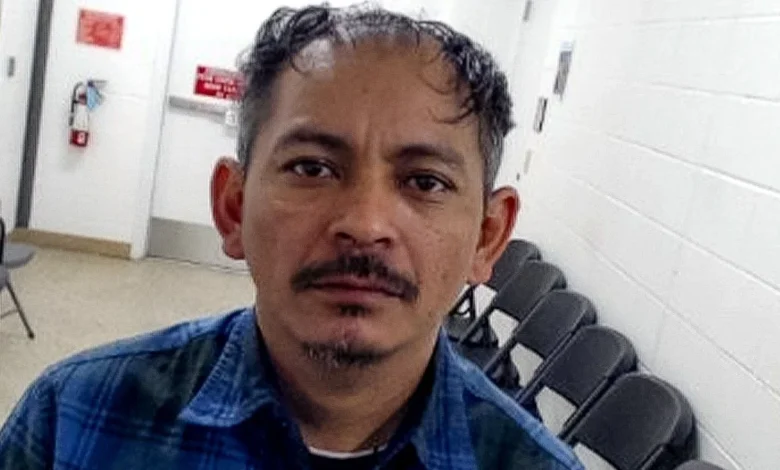
An undocumented immigrant from Honduras who was released from federal immigration custody earlier this year by a judge’s order has been arrested and charged with the brutal rape of a Minnesota woman inside her own home. The case has ignited a fierce debate over immigration enforcement, judicial discretion, and public safety, drawing sharp criticism from Immigration and Customs Enforcement (ICE) officials who argue that the tragedy could have been entirely prevented.
The suspect, identified as 42-year-old Marcotulio Melendez Diaz, faces a felony count of first-degree criminal sexual penetration involving coercion. According to law enforcement and court documents, the alleged attack took place on October 11 in Mounds View, Minnesota. Melendez Diaz had been working as a handyman at the victim’s residence when he allegedly overpowered and repeatedly assaulted her against her will. The harrowing incident was captured on the resident’s indoor surveillance system, providing crucial evidence for local investigators.
If convicted on the current charges, Melendez Diaz faces up to 30 years in prison. The case has quickly escalated into a national flashpoint, underscoring the complex intersections between federal immigration policy, the judicial system, and community safety.
Chronology of Events and Immigration History
The path that led to the October assault involves a multi-year sequence of border encounters, administrative hearings, and federal court interventions. Understanding the timeline clarifies the various stages at which federal and judicial decisions impacted Melendez Diaz’s status in the United States.

According to federal immigration sources, Melendez Diaz first encountered U.S. authorities at the southern border in April 2024, during which he was apprehended and subsequently released into the country by the Biden administration pending further immigration proceedings.
Nearly two years later, in January 2026, Melendez Diaz was re-arrested by ICE agents in Minnesota during a targeted regional enforcement operation known as "Operation Metro Surge." Following his apprehension in the Midwest, he was transferred to a secure ICE detention facility in Texas to await formal removal proceedings.
On March 30, 2026, an immigration judge formally ordered Melendez Diaz deported from the United States. Rather than accepting the removal order, Melendez Diaz exercised his legal right to appeal the decision to the Board of Immigration Appeals (BIA). While that administrative appeal was pending, his legal representation filed a habeas corpus petition in the U.S. District Court for the Western District of Texas.
In August 2026, U.S. District Judge Orlando L. Garcia—a federal judge appointed during the Clinton administration—granted the habeas petition. Judge Garcia based his ruling on due process grounds, concluding that Melendez Diaz’s prolonged detention while his appeal was pending had become unlawful or unreasonable under the circumstances. The court order mandated his immediate release from federal custody, allowing him to travel back to Minnesota.
Just weeks after returning to the state, the legal proceedings regarding his deportation reached a conclusion. On October 9, the Board of Immigration Appeals officially rejected Melendez Diaz’s appeal, finalizing his deportation order. Two days later, on October 11, Melendez Diaz allegedly committed the sexual assault in Mounds View.
Official Responses and Statements from ICE
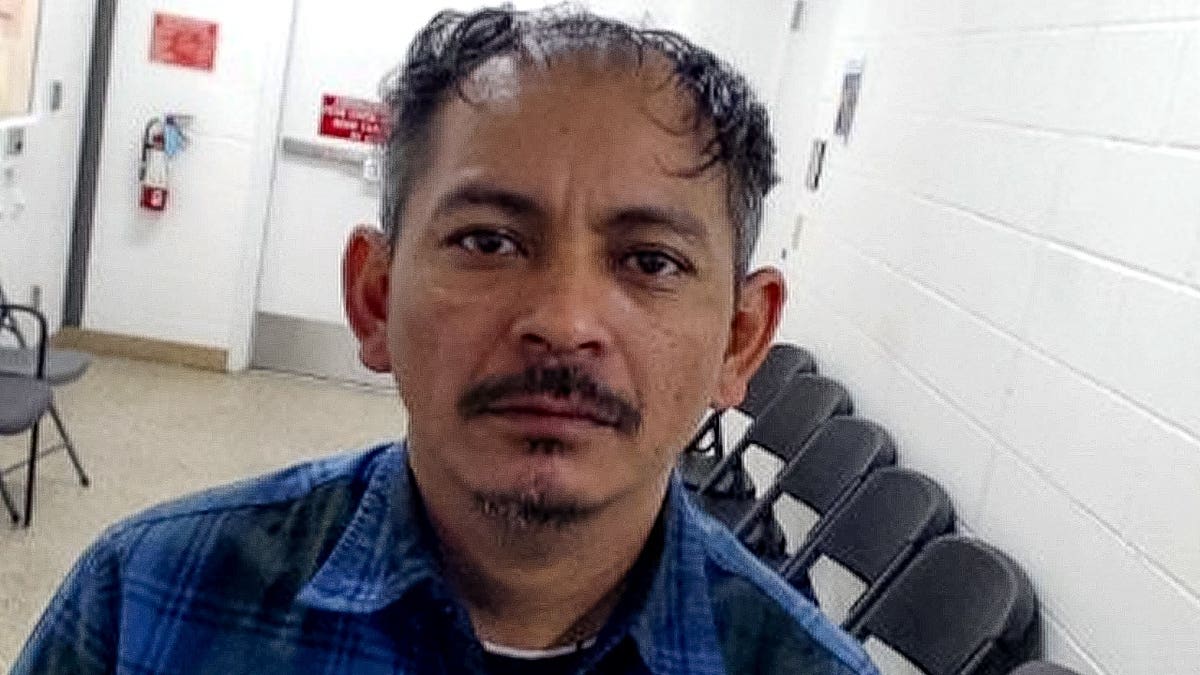
The revelation that Melendez Diaz was free at the time of the alleged attack prompted an immediate and strongly worded response from Immigration and Customs Enforcement. In a public statement, the agency expressed profound frustration with the federal court’s decision to release the Honduran national.
"This is what happens when activist judges side with criminal illegal aliens over Americans," ICE stated. "ICE arrested him, and an immigration judge ordered his deportation. But a Clinton-appointed federal judge ordered him released. And now an American woman has suffered a horrific crime that could have been prevented."
The agency emphasized that its personnel had correctly identified Melendez Diaz as a deportable individual and had successfully secured a removal order through the immigration court system. From the perspective of ICE leadership, the federal court’s intervention undermined the administrative removal process, directly resulting in a dangerous individual remaining at liberty within a domestic community.
Broader Context and Policy Implications
The case of Marcotulio Melendez Diaz highlights ongoing systemic tensions within the U.S. immigration adjudication framework, specifically regarding the detention of non-citizens with final or pending removal orders.
Under current U.S. law, individuals undergoing removal proceedings or appealing deportation orders are frequently subject to mandatory or discretionary detention by ICE. However, federal district courts regularly review habeas petitions filed by detainees who argue that their confinement violates constitutional due process rights—particularly when administrative appeals extend for many months or years.

Federal courts often weigh the government’s interest in securing deportations against the individual’s constitutional protections against indefinite or prolonged detention without a bond hearing. When judges order releases based on these due process considerations, it frequently sparks intense public and political debate over where the balance should lie between individual rights and community protection.
Furthermore, operations like "Operation Metro Surge," which initially netted Melendez Diaz in Minnesota, represent targeted federal initiatives designed to locate and remove undocumented individuals with criminal histories or final orders of removal. Law enforcement advocates argue that such initiatives are vital for maintaining the integrity of the immigration system and protecting the public. Critics and legal advocates, conversely, often scrutinize the broad reach of interior enforcement operations and emphasize the necessity of judicial oversight to ensure administrative procedures adhere to constitutional standards.
As the legal proceedings against Melendez Diaz advance through the Minnesota state court system, the case will likely remain a central point of reference for policymakers, law enforcement agencies, and legal scholars examining the delicate and challenging balance between federal immigration enforcement and judicial review.