Apple Unveils the iPhone 18 Pro Series and the Revolutionary Foldable iPhone Duo

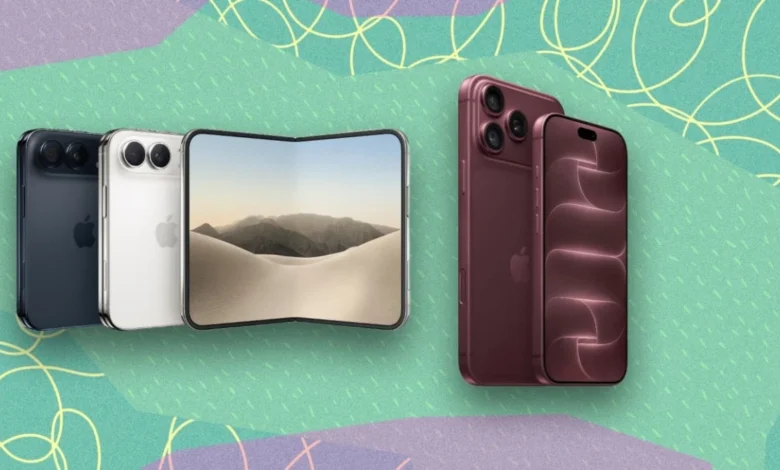
The technology landscape shifted significantly this week as Apple concluded its highly anticipated autumn keynote, unveiling a hardware lineup that marks both a refinement of its flagship series and a departure into new form factors. The announcement, which took place on September 9, 2026, confirmed the introduction of the iPhone 18 Pro and iPhone 18 Pro Max, alongside the company’s first foray into the foldable smartphone market, the iPhone Duo. These devices, powered by the latest A20 Pro silicon, represent a strategic effort by the Cupertino-based giant to maintain its dominance in the premium smartphone sector while addressing shifting consumer demand for increased productivity and power efficiency.
A Chronology of the 2026 Apple Event Rollout
The rollout of these devices follows a deliberate schedule intended to maximize consumer engagement and manage supply chain logistics. Pre-orders for the flagship iPhone 18 Pro and 18 Pro Max are scheduled to open on September 12, 2026, with the first units expected to reach customers by September 18. The iPhone Duo, however, operates on a different timeline, with pre-orders beginning on October 16, reflecting the manufacturing complexities associated with the device’s unique foldable hinge and dual-display architecture.
Underpinning this hardware transition is the release of iOS 27. Apple confirmed that the latest iteration of its operating system will be available to the public starting Monday, September 14. A cornerstone of this update is the deeper integration of Siri AI, a feature designed to enhance predictive text, contextual awareness, and automated task management across the entire iPhone ecosystem.
Technical Specifications: The iPhone 18 Pro and Pro Max
The iPhone 18 Pro, starting at $1,199, and the iPhone 18 Pro Max, beginning at $1,299, maintain the premium positioning Apple has established for its Pro-series devices. The Pro Max model distinguishes itself primarily through a expansive 6.9-inch display, offering a more immersive experience for professionals who utilize their devices for mobile creative work.
One of the most significant technical advancements in this year’s cycle is the drastic improvement in battery performance. While the iPhone 17 series offered a respectable 30 hours of playback, the new iPhone 18 Pro series boasts up to 45 hours, a 50% increase in battery life. This efficiency gain is largely attributed to the architecture of the new A20 Pro chip, which incorporates two additional GPU cores, bringing the total to seven. This upgrade provides a substantial boost in graphical processing power, supporting more complex applications, high-fidelity gaming, and real-time video editing.
The imaging capabilities of the 18 Pro series have also undergone a major overhaul. Apple introduced a "Fusion Telephoto" lens, a 48-megapixel sensor equipped with advanced aperture control. Unlike previous generations, this lens automatically adjusts its aperture to optimize for ambient lighting conditions, though users retain the ability to manually override these settings. Videographers will also benefit from enhanced focus-tracking algorithms that lock onto subjects with greater precision, alongside a "Cinematic mode" that allows for post-production depth-of-field adjustments and support for 60 fps slow-motion effects.
The Emergence of the iPhone Duo
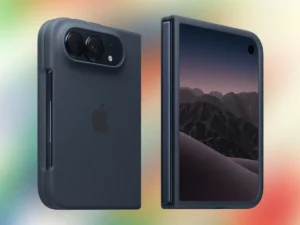
The most notable reveal of the event was the iPhone Duo, Apple’s response to the growing market for foldable devices. With a starting price point of $1,999 for the 256GB model, the device is clearly aimed at early adopters and power users who prioritize screen real estate. The Duo features a 7.6-inch primary display when unfolded, which collapses into a 5.4-inch interface when closed, offering a compact footprint for portability without sacrificing viewing area.

Apple has redesigned the user experience for the Duo to facilitate multitasking. The software allows for a split-screen interface where two applications can be operated simultaneously, one on each side of the hinge. The device also includes an adaptive orientation system that transitions between landscape and portrait modes based on the device’s physical state. While the Duo is powered by the same A20 Pro chip as the 18 Pro, it is worth noting that it lacks certain specific features, such as the action button and the advanced "Pro" camera controls, as the engineering priority for this model focused on the mechanical integrity of the folding mechanism and display reliability.
Strategic Implications and Market Context
The move toward a foldable device like the iPhone Duo is a calculated risk. For years, industry analysts questioned whether Apple would enter the foldable space, given the company’s tendency to wait until a technology has matured before integrating it into its product lines. By entering this market in late 2026, Apple is signaling that it believes the durability and utility of folding displays have reached a standard acceptable for the consumer market.
From an economic perspective, the $1,999 price tag positions the iPhone Duo as a ultra-premium luxury good. By maintaining a high entry barrier, Apple preserves its margins while positioning the device as a halo product for the brand. Conversely, the improvements in the 18 Pro series—specifically the battery and the Fusion Telephoto lens—serve to consolidate Apple’s position as the manufacturer of the most capable "standard" flagship devices on the market.
The integration of Siri AI via iOS 27 is perhaps the most crucial element for long-term retention. As smartphone hardware reaches a point of diminishing returns in terms of physical design, software intelligence becomes the primary differentiator. If the AI capabilities within iOS 27 prove to be as robust as the company claims, it could drive a significant upgrade cycle among users who are currently relying on older models.
Industry Outlook and Future Considerations
The 2026 product cycle reflects a broader trend in the tech industry: the convergence of professional-grade hardware and artificial intelligence. The A20 Pro chip’s increased GPU core count is not just for gaming; it is likely designed to handle the localized processing requirements of the new AI features, ensuring that privacy and speed are maintained by running computations on-device rather than relying exclusively on cloud-based servers.
Investors and analysts have noted that the divergence in release dates—September for the 18 Pro and October for the Duo—could be a result of the logistical challenges involved in scaling the production of foldable displays. Ensuring that the hinge and the flexible OLED panel can withstand years of daily use is a primary concern for consumers, and Apple appears to be taking a conservative approach to the rollout to ensure that any potential technical issues are addressed through a controlled, tiered release.
As the industry moves into the final quarter of 2026, the success of these devices will be measured by their adoption rates and the reliability of the new hardware features. Apple’s emphasis on "Pro controls" and the high-end nature of the Duo suggests a continued focus on professional creators and tech enthusiasts. The upcoming months will provide a clearer picture of how these advancements, particularly the AI integration and the foldable form factor, influence the competitive landscape of the global smartphone market.
For the average consumer, the choice between the 18 Pro and the Duo will likely come down to a balance of utility and budget. The 18 Pro series remains the more practical choice for those who value battery life and traditional camera performance, while the Duo represents the frontier of mobile hardware, promising a new way to interact with information through its expansive, foldable workspace. As pre-orders approach, the market awaits to see if these devices will meet the high expectations set by Apple’s latest presentation.