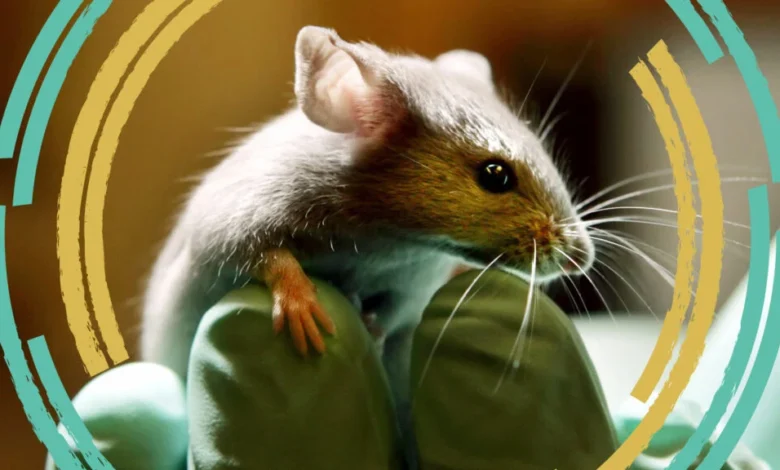
The implications of this breakthrough, published in the journal Nature, extend far beyond the initial astonishment. It provides a unique window into the mechanisms of human neurobiology and neuropsychiatric disorders, though it also raises profound ethical questions that the scientific community must now navigate with unprecedented urgency.
The Evolution of Neural Chimera Research
For years, the field of regenerative medicine has sought ways to bridge the gap between in vitro laboratory models and the complexities of the human brain. While human brain organoids—miniature, three-dimensional structures grown from stem cells—have provided valuable insights into cellular architecture, they lack the vascularization, sensory input, and systemic connectivity found in a living brain.
Previous studies, including those conducted by my own team, have successfully transplanted human stem cells into rodent brains. These earlier efforts were often limited in scope, focusing on the survival of individual cells or small clusters. The Pașca study, however, represents a quantum leap in sophistication. By grafting human cortical organoids into the somatosensory cortex of newborn rats and mice, the researchers observed the human cells not only surviving but integrating with the host’s existing neural circuitry.
The human cells exhibited signs of maturation, forming complex synaptic connections with the host’s neurons. These connections were functional; when the researchers stimulated the rodents’ whiskers, they observed electrical activity in the human-derived neurons. This integration indicates that the human cells were processing sensory information, a milestone in the development of chimeric models.
Chronology of Breakthroughs
The trajectory of this research has been steady, moving from basic cell cultures to complex, integrated systems:
- 2013: Initial development of brain organoids, allowing for the study of microcephaly and other developmental conditions in a petri dish.
- 2018: Early experiments in cross-species transplantation demonstrate that human cells can survive within animal brains, though functional integration remains minimal.
- 2023: Advances in vascularization techniques allow organoids to grow larger and remain viable for longer periods, setting the stage for more complex grafting.
- 2026: The Pașca team publishes their results in Nature, detailing the functional integration of human cortical tissue into rodent brains, marking the most significant advancement in neuro-chimerism to date.
Supporting Data and Methodology
The research team utilized a process known as "human induced pluripotent stem cell (iPSC) technology." By reprogramming adult cells into a pluripotent state, they could generate cortical tissue that mirrors the developmental stages of a human fetus.
According to the published data, the human organoids occupied roughly one-third of the rodents’ cortical hemispheres after several months of growth. Electrophysiological testing confirmed that the human neurons fired in response to sensory input, indicating that the chimeric brain was not merely a collection of passive cells but an active, responsive network. The metabolic requirements of these cells were supported by the rodents’ existing vascular systems, a critical hurdle that previous studies had struggled to overcome.
Scientific and Ethical Implications
The primary goal of this research is not to create "human-like" mice, but to create better models for human disease. Conditions such as autism, schizophrenia, and epilepsy are notoriously difficult to study because they often arise from complex developmental processes unique to the human brain. By using these chimeric models, researchers hope to observe the onset of these diseases in a live setting, testing potential therapies that would be impossible to evaluate in human subjects.

However, the ethical considerations are significant. As the human cells integrate more deeply, questions regarding the cognitive capacity of these animals become unavoidable. While the current study indicates no radical shift in the mice’s fundamental behavior or intelligence, the potential for future experiments to increase the complexity of these grafts remains a point of contention.
The International Society for Stem Cell Research (ISSCR) has guidelines regarding chimeric research, emphasizing the need for rigorous oversight. Experts in neuroethics are now calling for a formal framework to define the limits of such experiments, particularly as the "humanity" of the brain tissue increases. The concern is not merely the potential for increased cognitive function, but the philosophical implications of creating entities that exist in a biological gray area.
Official Reactions and Future Outlook
Reaction within the scientific community has been a blend of admiration and cautious concern. Dr. Sergiu Pașca has publicly defended the methodology, noting that the goal remains strictly clinical. "Our intent is to understand the human brain’s development and dysfunction, not to alter the identity of the animals," he noted in correspondence related to the study.
Other leaders in the field have praised the technical precision of the study. "This is an extraordinary engineering feat," stated one prominent neurobiologist who was not involved in the research. "The ability to have a human cortical structure respond to external stimuli within a living brain changes the calculus for drug discovery and disease modeling."
Conversely, bioethicists have urged the scientific community to maintain transparency. As we move toward more complex models, the oversight process must evolve alongside the technology. The consensus among the regulatory community is that the current models remain well within ethical boundaries, as the animals do not demonstrate human-level consciousness or cognition. However, as the field progresses, the criteria for "humanized" models will need to be strictly defined.
Broader Impact on Regenerative Medicine
This research is likely to accelerate the development of personalized medicine. By using iPSCs derived from patients with specific neurological disorders, researchers can create chimeric mice that mirror those specific conditions. This "avatars" approach could allow for the testing of new pharmaceuticals on human neurons in a living system before clinical trials begin, potentially saving years of time and millions of dollars in failed drug development.
Furthermore, the study provides a roadmap for future research into neural repair. If we can understand how human neurons integrate into a foreign brain, we may eventually unlock the ability to repair brain injuries or neurodegenerative conditions in humans, such as Alzheimer’s or Parkinson’s, by grafting healthy, lab-grown neurons into damaged areas.
The development of neuro-chimeric mice is a testament to the rapid pace of modern biotechnology. While the images of human cells interacting within a rodent brain may seem like the stuff of science fiction, the reality is a disciplined, methodical approach to solving some of medicine’s most intractable challenges. The task ahead for the scientific community is to balance this immense potential for discovery with the profound responsibility of stewardship over life, ensuring that as we push the boundaries of what is possible, we do so with a clear understanding of the ethical landscape.
In the coming months and years, it is expected that research labs globally will attempt to replicate and expand upon these findings. The focus will likely shift to the long-term survival of these grafts and the potential for modeling more complex, age-related neurological conditions. As the science continues to advance, the dialogue between researchers, ethicists, and the public will be essential in determining how far this promising, yet complex, field should go.