From Farm to Ballot Box: How Food Safety Became the Unexpected Flashpoint of the Midterm Elections

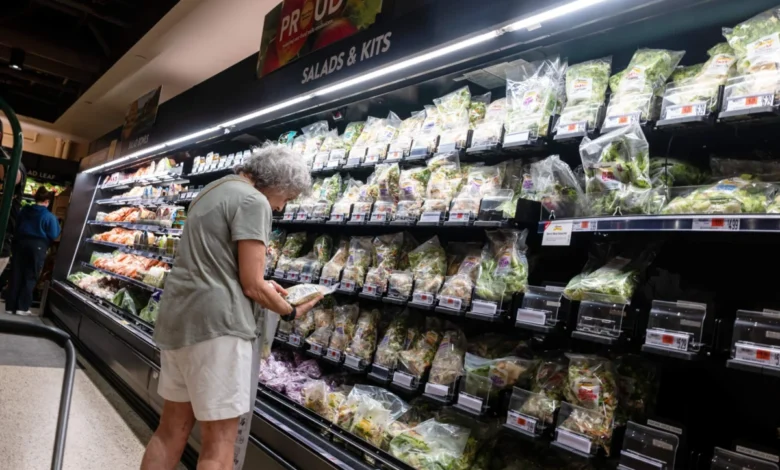
The U.S. midterm elections have taken an unexpected turn toward the dinner table, transforming the safety of the American food supply into a high-stakes political battleground. What typically remains a routine matter of regulatory compliance has erupted into a national debate following a summer marred by massive foodborne illness outbreaks, sweeping product recalls, and fiery partisan clashes.
As voters prepare to head to the polls, anxiety over grocery bills has been compounded by a far more visceral concern: whether the food on their plates is safe to consume. The convergence of public health crises, political posturing, and shifting consumer habits has placed federal food safety agencies directly under the microscope, turning a technical policy issue into a defining campaign-trail litmus test.
A Summer of Contamination and Consumer Anxiety
The political friction reflects deep-seated public unease following a turbulent summer. A historic outbreak of cyclosporiasis—a parasitic infection linked to contaminated lettuce—sickened nearly 20,000 people across 21 states between May and August, according to Centers for Disease Control and Prevention (CDC) data. The figures dwarf the 1,180 cases recorded during the same period in the previous year, making it the largest recorded outbreak of the parasite in U.S. history.
The sheer scale of the outbreak, combined with high-profile involvements of national restaurant chains, thrust food safety into the daily news cycle. Major fast-food and casual dining brands, including Chipotle and Taco Bell, preemptively pulled lettuce, jalapeños, and other suspected ingredients from their menus to reassure skittish customers. Late-night television hosts mined the graphic gastrointestinal symptoms for punchlines, while social media filled with lists of recalled items.
This visibility severely dented consumer confidence. Survey data released in September by the University of Illinois and Purdue University revealed that the share of consumers who strongly agree that the U.S. food system produces safe food plummeted from 40% in November to roughly 30% by August. Additionally, a July survey by Quinnipiac University indicated that a majority of registered voters harbor little to no confidence in government oversight of food safety, with partisan divides widening as Democrats expressed significantly higher skepticism than Republicans. Furthermore, a poll by data standards organization GS1 US found that 94% of U.S. adults are concerned about the frequency of food recalls.
Political Crossfire: Blame, Budgets, and the Bureaucracy
Recognizing the potency of public anxiety, Democrats have seized the issue to pressure the Trump administration, framing the outbreaks as the predictable consequence of federal budget cuts and deregulatory priorities.
The Democratic National Committee launched digital campaigns highlighting recalled foods and targeting Health and Human Services (HHS) Secretary Robert F. Kennedy Jr., calling for his resignation. Prominent lawmakers have amplified these attacks on social media. Sen. Elizabeth Warren (D-Mass.) publicly linked slashed funding for food safety agencies directly to the summer’s cyclospora outbreak, following formal inquiries into the administration’s handling of the crisis. Similarly, House lawmakers like Rep. Gabe Amo (D-R.I.) and Rep. Judy Chu (D-Calif.) publicly urged the executive branch to halt the reduction of Food and Drug Administration (FDA) inspectors and restore workforce capacity.
In response, the Trump administration has forcefully pushed back, accusing political opponents of weaponizing public health for electoral advantage. The FDA utilized social media to dispute claims of a worsening safety landscape, pointing to internal agency charts suggesting that fiscal year recalls have dropped significantly over the past decade. HHS senior adviser Calley Means defended the administration on social media, dismissing Democratic criticisms as disingenuous attacks leveled against an agency actively executing its duties.
Administration officials maintain that core investigative capabilities remain robust. HHS spokesperson Grace Davis Jamison stated that neither FDA investigators nor CDC laboratory personnel supporting outbreak responses were affected by recent workforce reductions. "The Trump Administration has mounted a robust response to each outbreak, working closely with health departments in all 50 states and leading the public health response by promptly identifying known sources and providing Americans with the information they need to protect themselves," Jamison noted.
Deconstructing the Data: Recalls vs. Reality
While political rhetoric often leans on absolute recall numbers, public health and regulatory experts caution that raw figures can obscure complex realities.
According to data compiled by the U.S. Public Interest Research Group (PIRG), there have been approximately 200 food recalls so far this year—a figure roughly on par with the same timeframe in the previous year. However, over a broader multi-year span, the trajectory has climbed. The FDA and the U.S. Department of Agriculture (USDA) recorded 320 food recalls in 2025, up from 296 in 2024, continuing a 21% increase in total recalls observed between 2021 and 2025, largely driven by a rise in high-priority Class I recalls involving life-threatening contamination risks.
Despite these upward multi-year trends, epidemiologists argue that aggregate recall numbers are an imperfect metric. Federal agencies do not publicize every minor recall, and a single contaminated ingredient integrated into multiple processed products can trigger a cascade of separate recall notices. Furthermore, public health experts emphasize that tracking the number of individuals sickened—rather than the number of administrative recalls—provides a more accurate picture of food system safety.
While the cyclospora outbreak proved exceptionally large, public health experts note that trends for more common bacterial pathogens like E. coli, listeria, and salmonella show outbreaks affecting fewer individuals per event. Craig Hedberg, a public health professor at the University of Minnesota, suggests this indicates improved surveillance that catches smaller clusters before they expand. Nevertheless, the CDC estimates that roughly 48 million Americans still experience a foodborne illness annually.
Policy Shifts and Broader Structural Concerns
The political debate extends beyond enforcement budgets to structural policy adjustments made by the administration. Food safety advocates have raised alarms over several recent regulatory rollbacks and trade decisions.
In late August, the administration announced steps to ease regulations for small livestock operations, allowing them greater autonomy in slaughtering and processing their own meat. While proponents argue this supports small-scale agricultural businesses, critics warn it could introduce inadequately inspected products into the commercial supply chain.
Simultaneously, the U.S. moved to permit increased beef imports from Argentina and Brazil, drawing scrutiny given that the European Union has previously banned Brazilian beef imports due to noncompliance concerns regarding veterinary drug residues and processing standards. The administration also withdrew a proposed Biden-era rule intended to limit high levels of salmonella in raw poultry products and delayed the implementation of a Food Safety Modernization Act (FSMA) traceability rule—originally slated for January of this year—pushing compliance to July 2028 to accommodate industry feedback.
Public health advocates argue these policy adjustments stand in stark contrast to the administration’s stated health goals, particularly as officials encourage consumers to incorporate more fresh, wholesome foods into their diets.
"If you want people to eat real food, fresh fruits and vegetables, they have to be safe," said Sandra Eskin, chief executive of the public health nonprofit Stop Foodborne Illness. Eskin noted that the recent contamination fears have had tangible economic consequences for agriculture, citing instances of farmers being forced to plow under fields of unsold lettuce due to collapsed consumer demand.
Historical Precedents and Economic Implications
The politicization of food safety, while intense, is not entirely unprecedented in American history. In 1993, a massive E. coli outbreak linked to Jack in the Box restaurants pressured newly inaugurated President Bill Clinton to elevate food safety to an immediate cabinet-level priority, leading to preventive reforms that fundamentally transformed meat inspection protocols.
Today’s convergence of health data, consumer skepticism, and electoral politics suggests that food safety has re-emerged as a core component of the national dialogue. With nearly half of American consumers altering their grocery-buying habits and 40% modifying dining-out routines due to recent illness concerns, elected officials from both parties are discovering that public confidence in the kitchen is inextricably linked to the ballot box. As the midterm elections approach, the debate over who can best safeguard the nation’s food supply shows no signs of cooling down.